Artwork
John Digby, 1st Earl of Bristol (1580-1653)
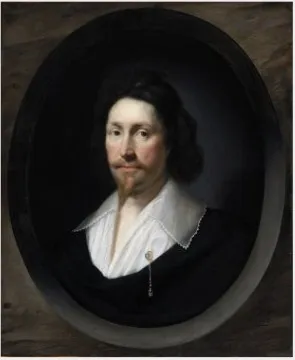
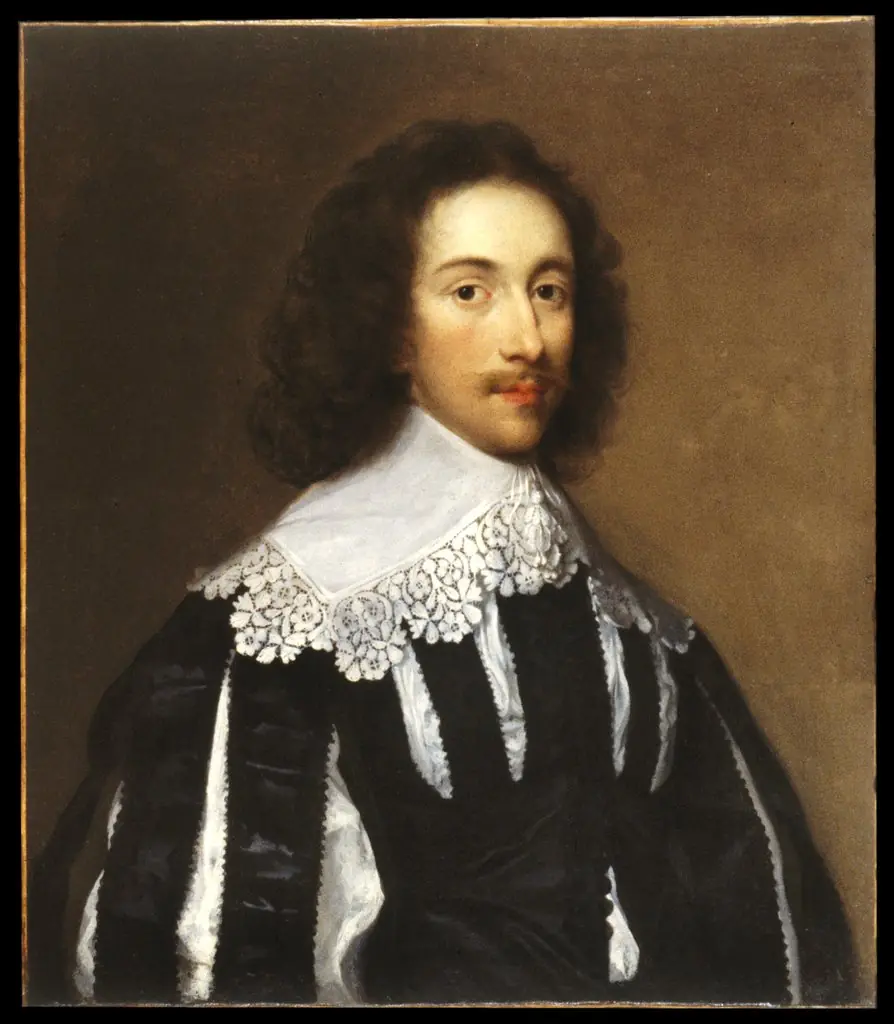
John Digby, 1st Earl of Bristol (1580-1653) is an oil painting by the Flemish Baroque painting artist Cornelis Janssens van Ceulen. It dates from 1628 and is held in the collection of the National Gallery of Ireland.
About this work
The artist who painted this portrait was Cornelis Janssens van Ceulen, a Dutch painter who was known for his realistic and detailed style.
This portrait painting shows a man with dark hair and a beard, wearing a white collared shirt and a black jacket. The background is dark, which makes the subject stand out.
The man's facial expression is serious, and his eyes seem to be looking straight at the viewer. He has a thin mustache and a goatee, which were common styles during the 17th century. The painting is done in oil paint, which gives it a smooth and realistic texture.
The artist who painted this portrait was Cornelis Janssens van Ceulen, a Dutch painter who was known for his realistic and detailed style.
Overview
Cornelis Janssens van Ceulen’s 1628 oil on canvas portrays John Digby, the first Earl of Bristol, a prominent English statesman of the early seventeenth century. The composition places the sitter against a dark, unadorned backdrop, allowing his figure and attire to dominate the visual field. The painting is part of the National Gallery of Ireland’s collection, representing a fine example of court portraiture from the period.
Subject & Meaning
John Digby (1580‑1653) is shown in a sober, dignified pose, his gaze directed straight toward the viewer, conveying authority and resolve. His dark hair, trimmed beard, and restrained expression reflect contemporary ideals of noble comportment, while the plain white shirt and black jacket signal both his status and the modest elegance favored by English aristocracy during the early Stuart era.
Technique & Style
Executed in oil, the work demonstrates Janssens van Ceulen’s meticulous handling of light and texture, characteristic of the Flemish Baroque tradition. The smooth modeling of the face and the subtle gradations of shadow give the portrait a lifelike presence, while the dark background enhances the three‑dimensionality of the sitter, creating a clear visual focus on his features and clothing.
History & Provenance
Janssens van Ceulen, born in London to refugee Dutch or Flemish parents, was active in England from at least 1618 until his relocation to Middelburg in 1643. He produced several hundred signed portraits, many of English nobility. This particular portrait entered the National Gallery of Ireland’s holdings, where it remains on display as part of the museum’s early modern European collection.
Artist & collection
Artist
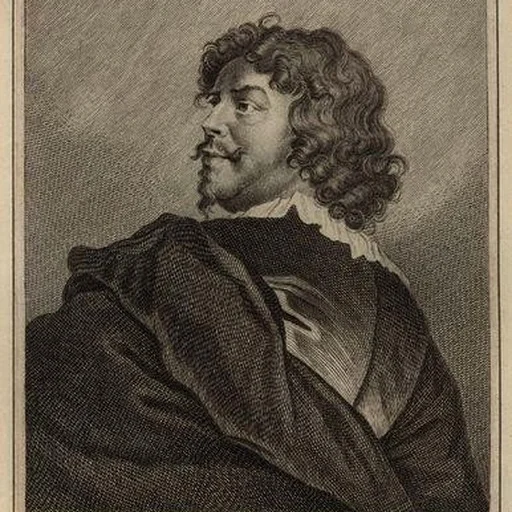
Cornelis Janssens (born Cornelis Janssens van Ceulen, Dutch: ; bapt. 14 October 1593 – bur. 5 August 1661) was an Anglo-Dutch painter of portraits. Born of Dutch or Flemish parents who fled to London from Antwerp to…

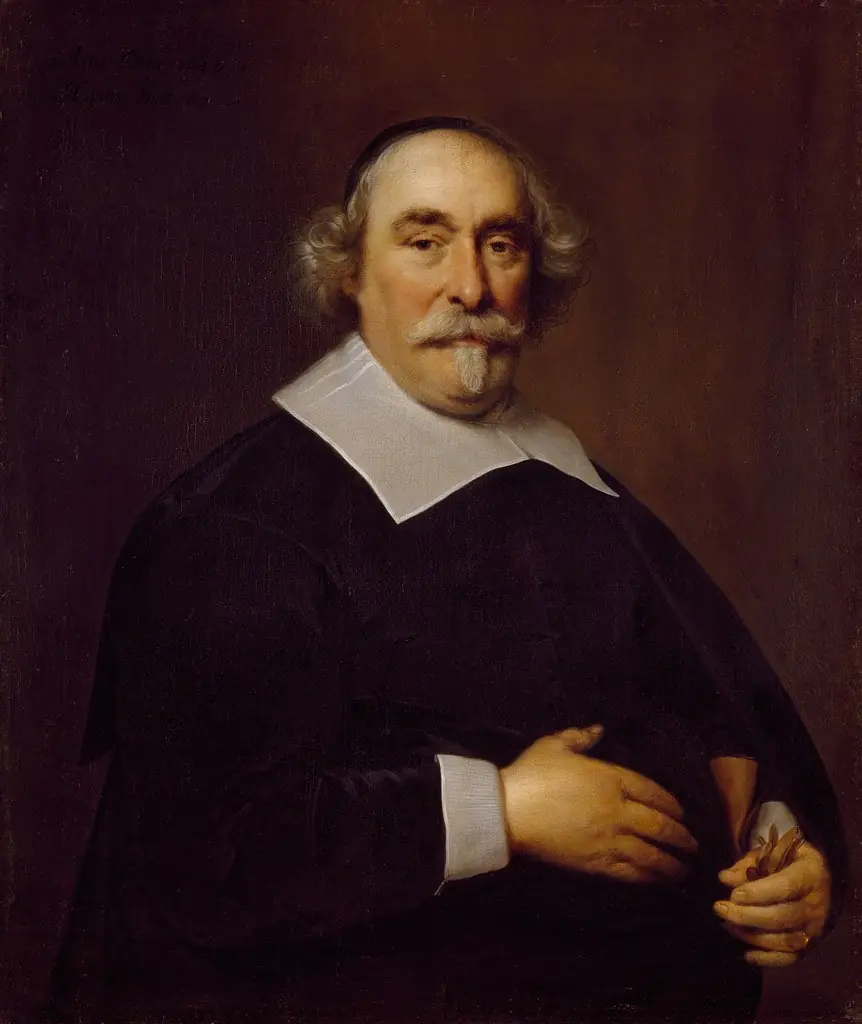
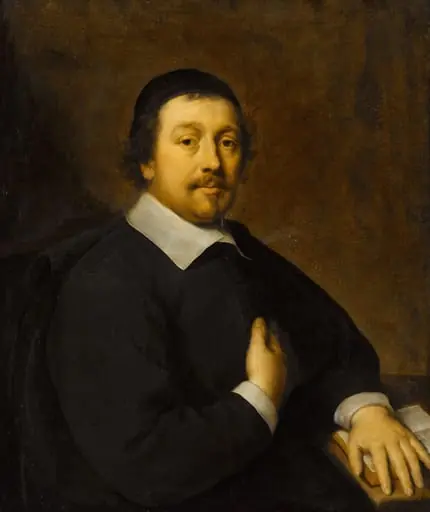
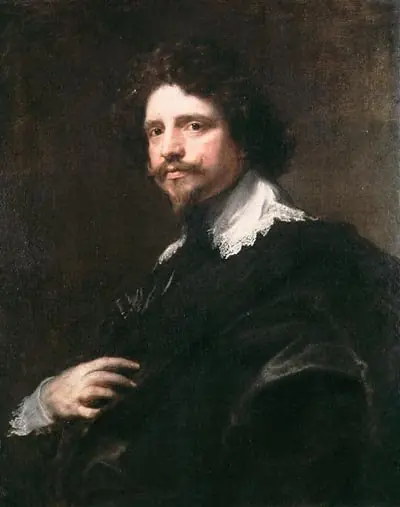 Portrait of Michel Le Blon
 Self-Portrait
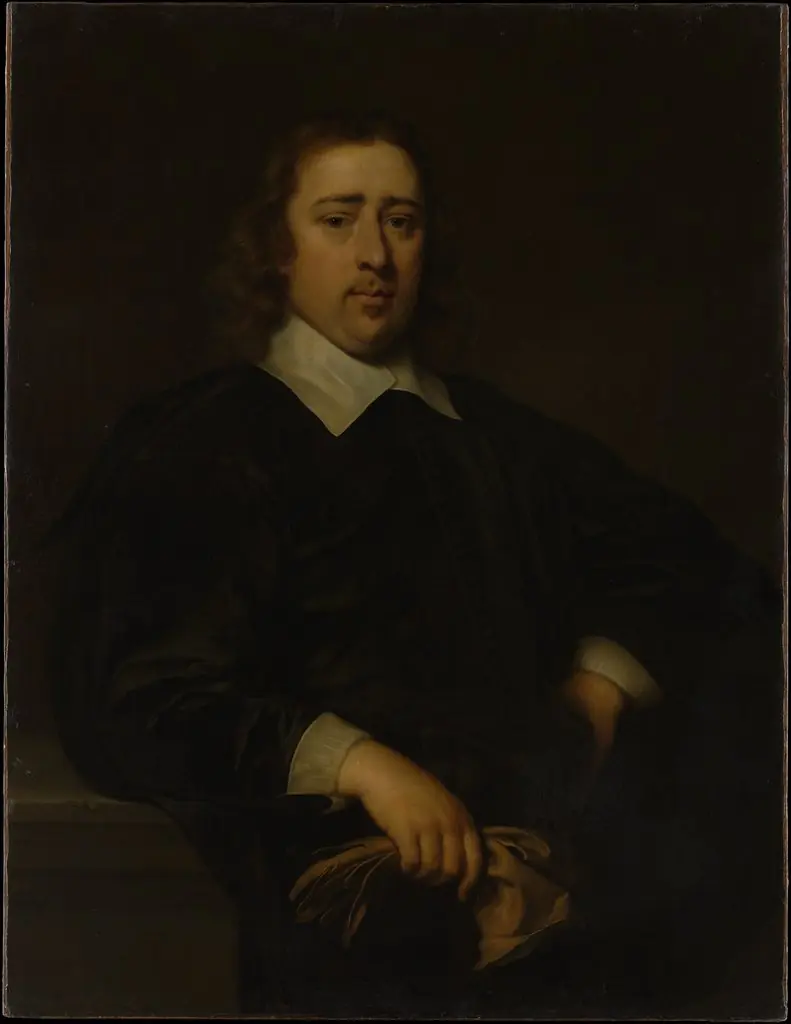
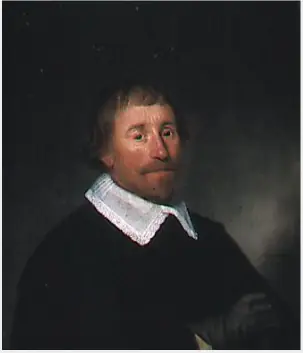 Portrait of a Man Aged 40
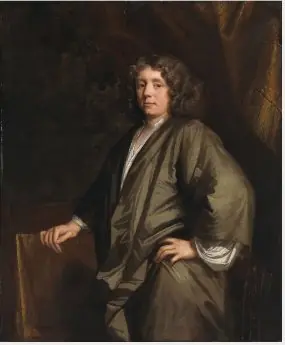 Portrait of Thomas Wharton, 1st Marquess of Wharton (1648-1715)
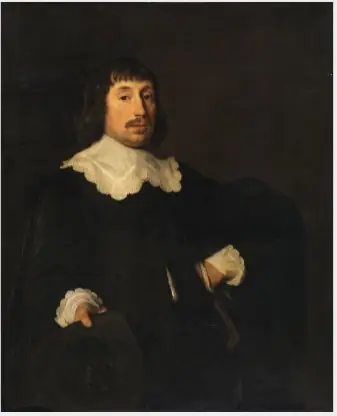 Portrait of a Man
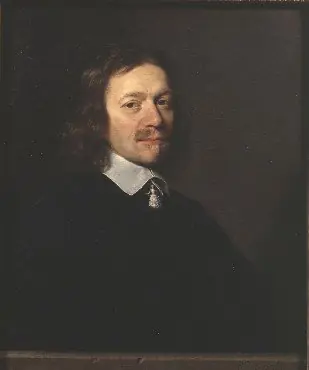 Presumed portrait of Remi Tronchot, alderman of Paris
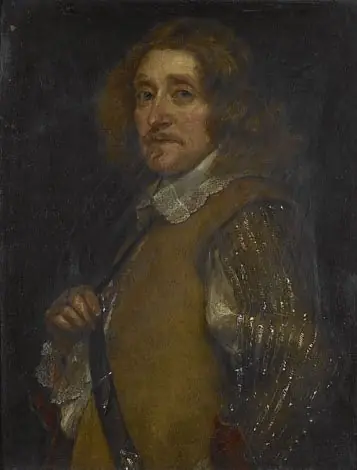 Portrait of Lucas Faydherbe
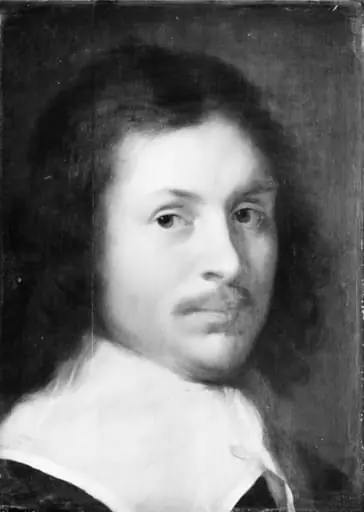 Portrait of a Man
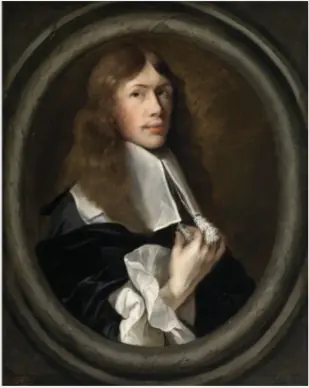 Portrait of a Man
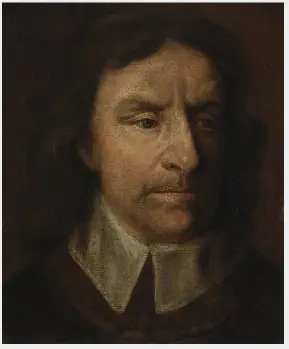 Portrait of Oliver Cromwell (1599-1658), Lord Protector
 Portrait of a Young Man
 Self portrait