Artwork
Portrait of a Man
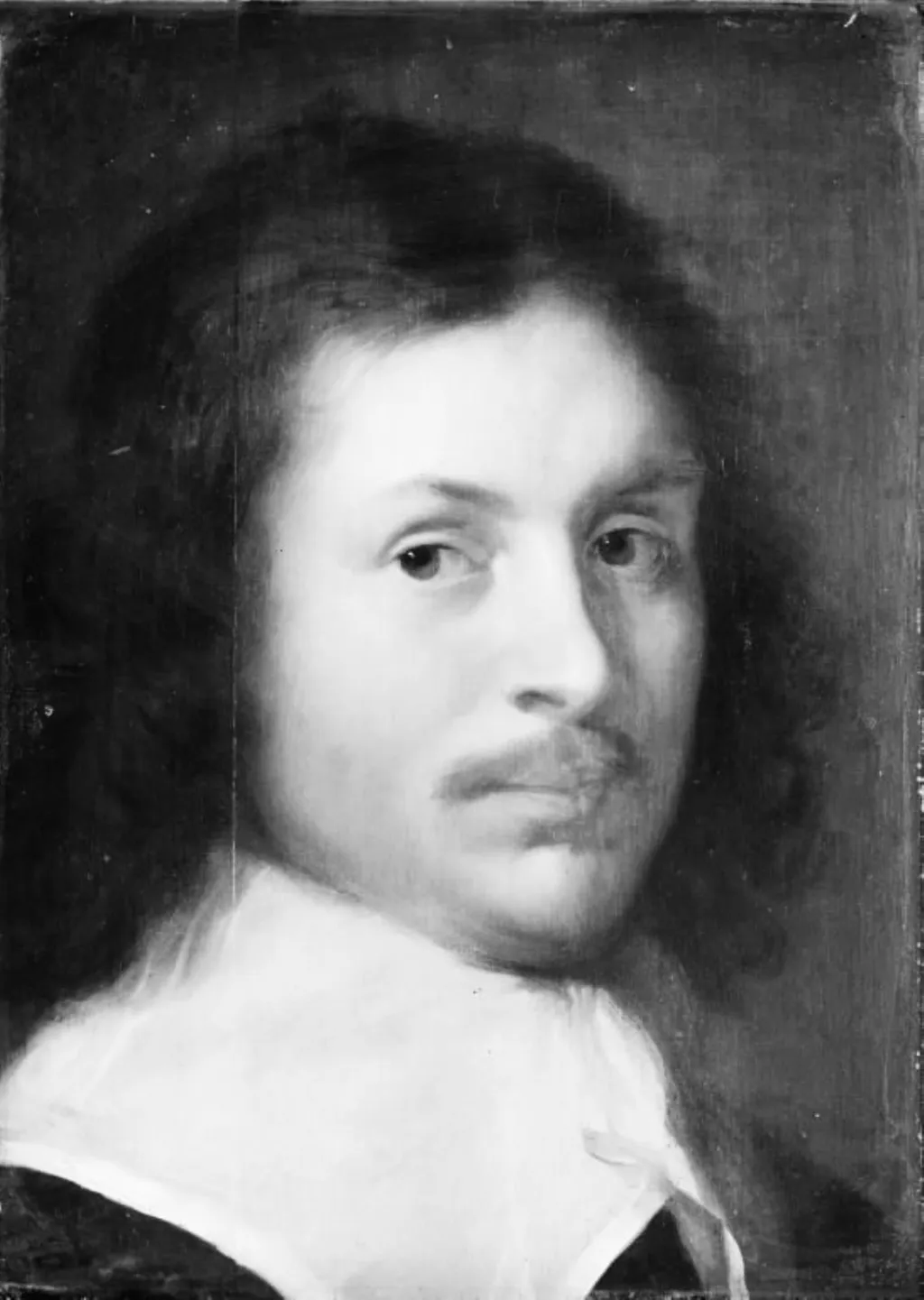
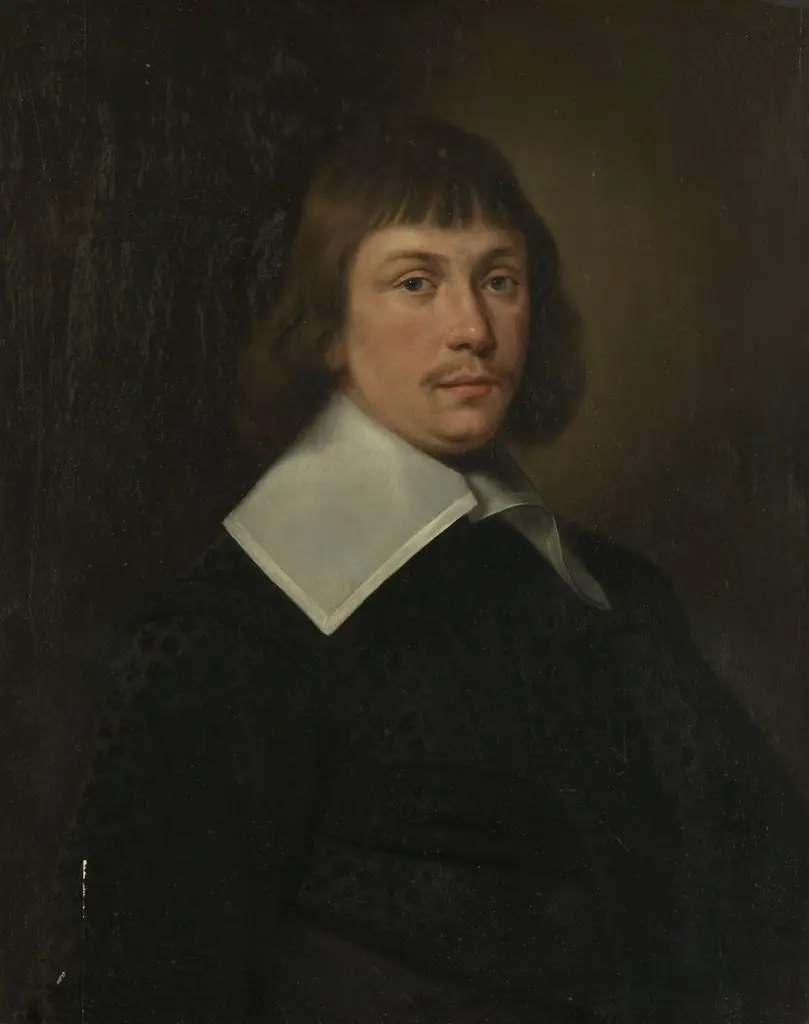
Portrait of a Man is an unspecified painting by Unknown. It dates from 1650 and is held in the collection of the Statens Museum for Kunst. This portrait, dated around 1650, depicts a man in half-length view, framed from the chest upward.
About this work
Overview
This portrait, dated around 1650, depicts a man in half-length view, framed from the chest upward. Executed in oil on panel, it belongs to the collection of the Museum of Ethnography. The composition is tightly focused, eliminating extraneous detail to emphasize the sitter’s presence. The dark, uniform background isolates the figure, drawing attention to facial expression and texture.
Subject & Meaning
The man’s identity remains unrecorded, but his attire—a plain white collar and neatly combed dark hair—suggests a modest social standing, possibly a merchant or clergyman. His direct gaze and composed expression convey quiet dignity rather than status display. The absence of symbols or props implies an emphasis on individual character over social role.
Technique & Style
The artist employs chiaroscuro to model the face with subtle gradations of light and shadow, particularly along the jawline and brow. These transitions create a sense of volume and skin texture without overt realism. The brushwork is restrained, avoiding visible strokes, which enhances the lifelike quality of the skin and the quiet intensity of the gaze.
History & Provenance
The painting entered the Museum of Ethnography’s collection in the early 20th century, though its earlier ownership is undocumented. It was likely produced in the Netherlands or Northern Europe during the mid-17th century. No signatures or inscriptions survive, and its original context—whether private commission or studio study—remains uncertain.
Context
Created during a period when Dutch portraiture flourished, this work reflects the era’s preference for restrained, intimate depictions over grandeur. Unlike aristocratic portraits, it omits elaborate clothing or settings, aligning with middle-class values of modesty and introspection. Similar studies appear in the oeuvres of lesser-known regional painters of the time.
Legacy
Though not attributed to a major artist, the portrait exemplifies the quiet precision of 17th-century Northern European portraiture. Its preservation in an ethnographic museum underscores its value as a cultural artifact rather than a celebrated work of art. It continues to serve as a reference for studies in facial representation and material culture of the period.
Artist & collection

 Domestic Scene
 Giacomo and Cardinal Marco, investing Andrea, Abbot of San Zeno, with his Benefice
 The Nymph of Fontainebleau
 Portrait of a Woman
 Madonna and Child with Saints in the Enclosed Garden
 Venus and Minerva
 Family Group of Four on Sofa
 Wall painting from Room H of the Villa of P. Fannius Synistor at Boscoreale
 Portrait of a Man
 Portrait of a man
 Tho. Browne, Med. Doctoris (Sir Thomas Browne, M.D.)
 Portrait of a man
 Guillaume de Lamoignon
 Man's portrait
 Portrait of a man, perhaps Philippe de la Trémoïlle (1596-?), count of Olonne
![Portrait of a Gentleman [possibly Jacob van Campen], by Thomas de Keyser](https://artifactworldgallery.com/img/thomas-de-keyser--portrait-of-a-gentleman-possibly-jacob-van-campen--d0c829ca95efaf31-w320.webp) Portrait of a Gentleman [possibly Jacob van Campen]
Portrait of a Gentleman [possibly Jacob van Campen]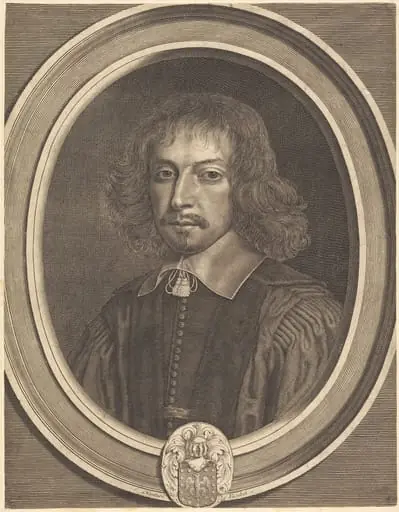 Antoine de Chaubard
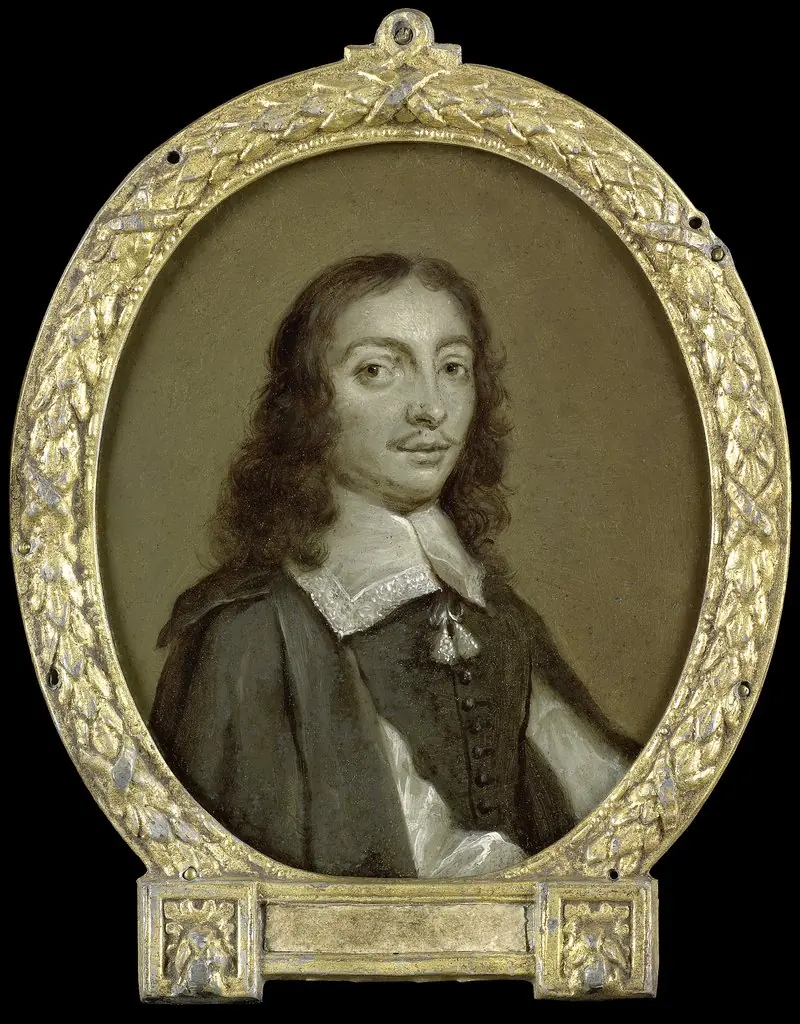 Portrait of Frans Godin, Poet in Brussels
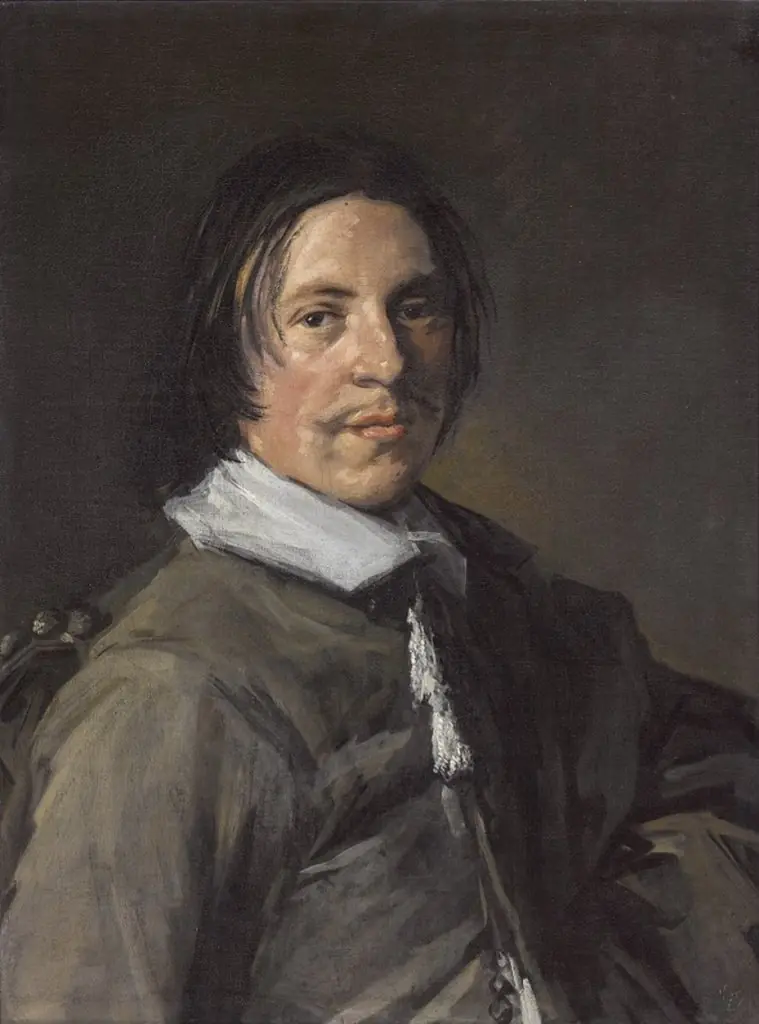 Portrait of Vincent Laurensz van der Vinne
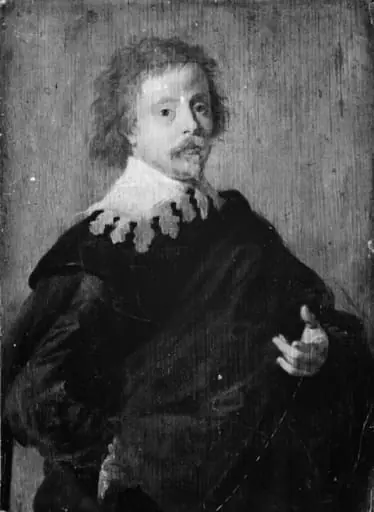 Portrait of Cornelis van Poelenburgh