Artwork
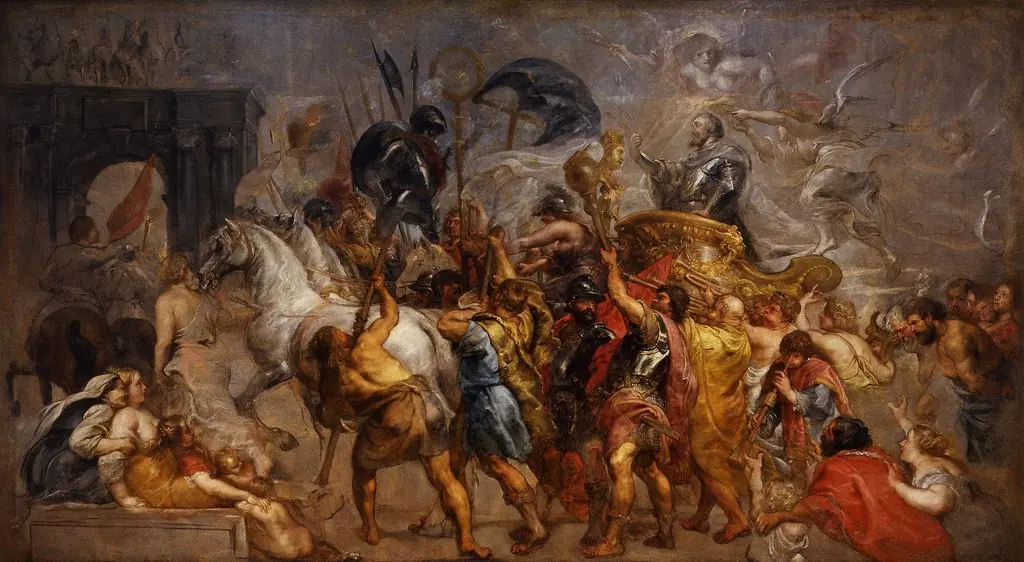
Allegory of the Triumphal Procession of the Prince of Orange, the Future King Willem II, as the Hero of Waterloo, 1815
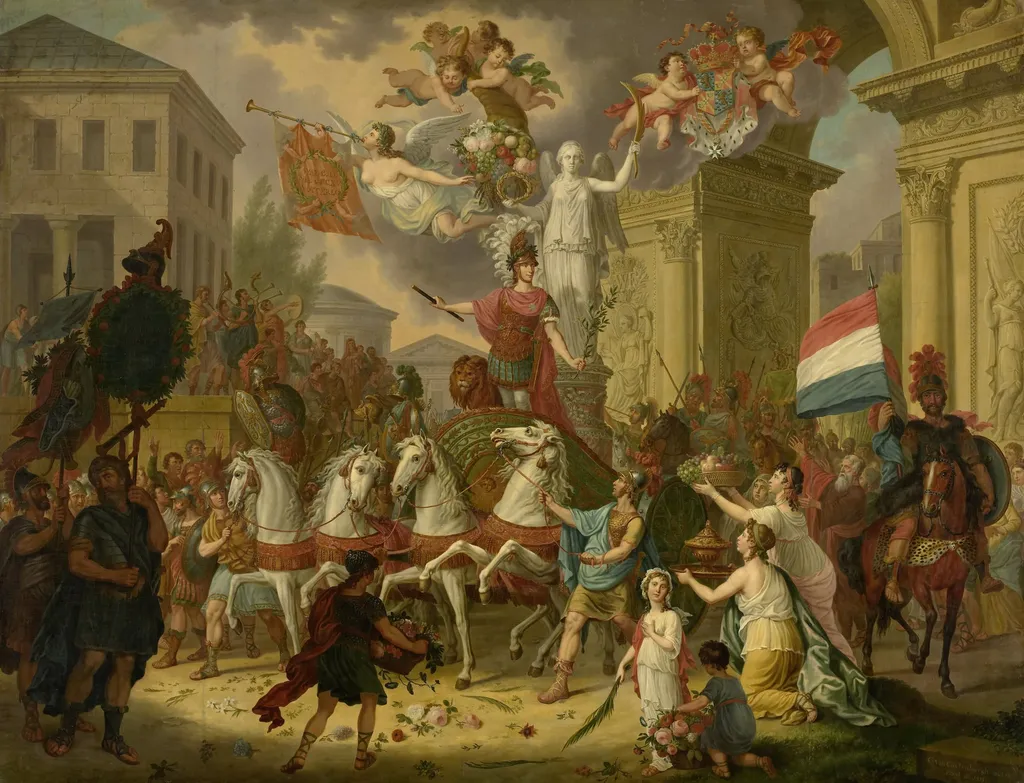
Allegory of the Triumphal Procession of the Prince of Orange, the Future King Willem II, as the Hero of Waterloo, 1815 is an unspecified painting by the Biedermeier artist Cornelis van Cuylenburgh. It dates from 1815 and is held in the collection of the Rijksmuseum.
About this work
Overview
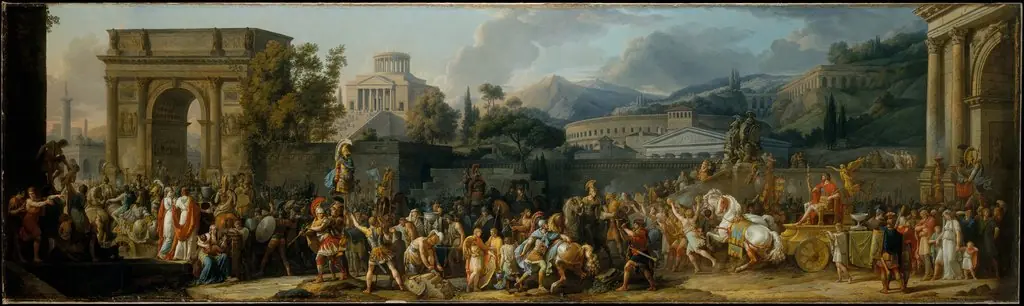
The canvas depicts a triumphant procession in which the young Prince of Orange, later King Willem II, is presented as the victorious hero of Waterloo. He rides a chariot drawn by four white horses, entering a city through an elaborate triumphal arch while a celestial figure crowns him. The scene is populated by cheering citizens, soldiers with flags, and angels sounding trumpets.
Subject & Meaning
Although the prince did not command troops at Waterloo, the painting casts him as the central figure of the victory, serving a propagandistic purpose. The crowning by a personified Peace and the presence of Fame and angels elevate the event to a mythic level, suggesting divine approval and national gratitude for the supposed heroism.
Technique & Style
Executed in the early nineteenth‑century Dutch academic tradition, the work combines a clear, narrative composition with allegorical symbolism. The bright palette highlights the white horses and the luminous figures above, while the crowded lower register conveys bustling civic celebration. Precise rendering of the chariot and architectural arch reflects the artist’s attention to detail.
History & Provenance
Created in 1815, shortly after the Battle of Waterloo, the painting was likely commissioned to commemorate the Dutch contribution to the allied victory and to bolster the Prince’s political standing. Its early ownership remained within Dutch royal or governmental circles before entering public collections in the nineteenth century.
Context
The image belongs to a broader trend of Dutch history painting that transformed recent military events into grand, allegorical narratives. Similar works in the Rijksmuseum illustrate how artists of the period used classical motifs to celebrate contemporary national achievements.
Own this work as a print
Artist & collection
Artist
Cornelis van Cuylenburgh (1758–1827) was an artist, born in Utrecht.

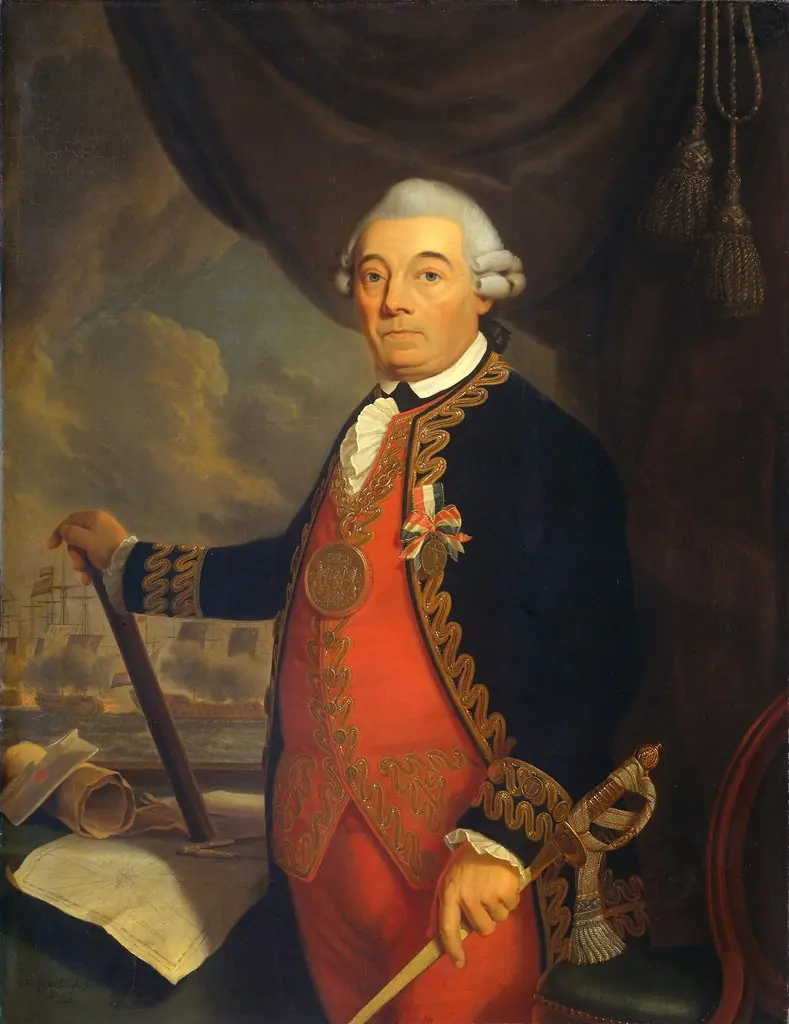 Portrait of Johan Arnold Zoutman
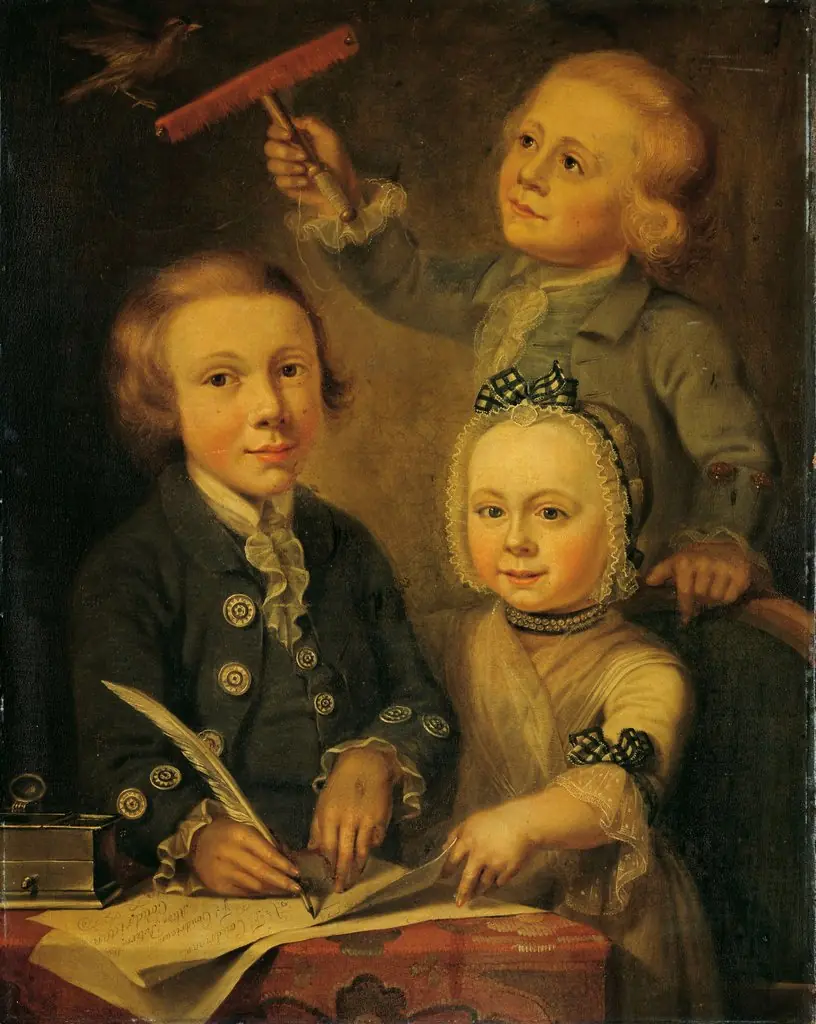 Portrait of the Children of Barend Goudriaan
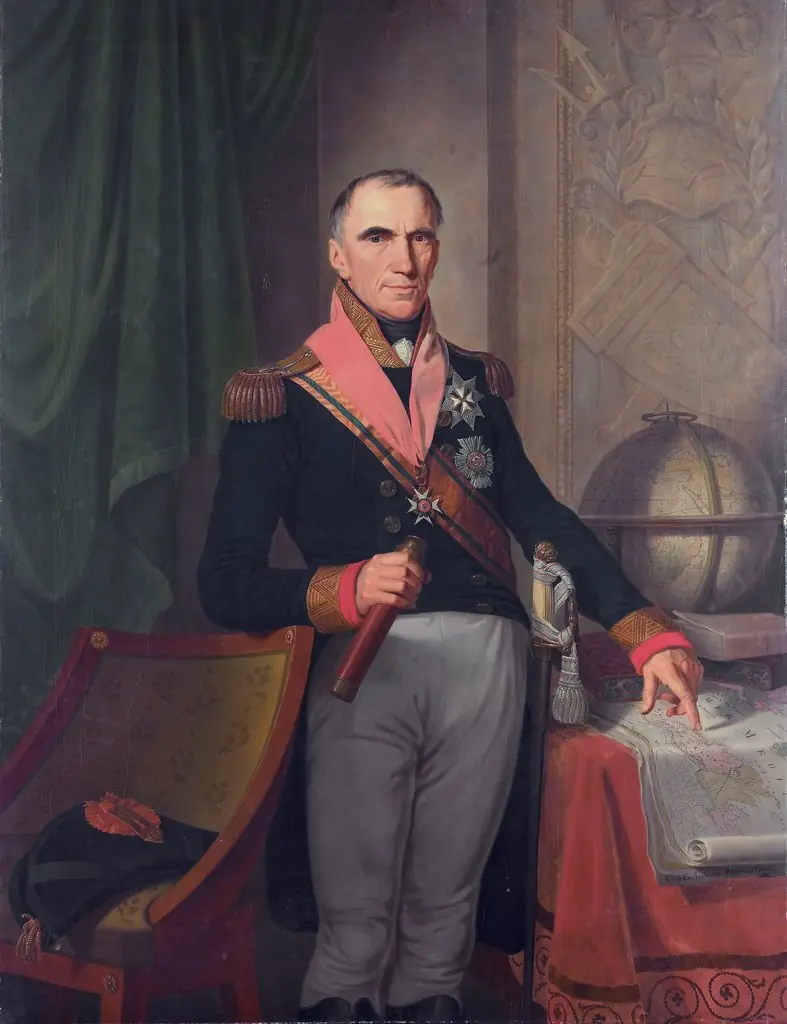 Jonkheer Theodorus Frederik van Capellen (1762-1824)
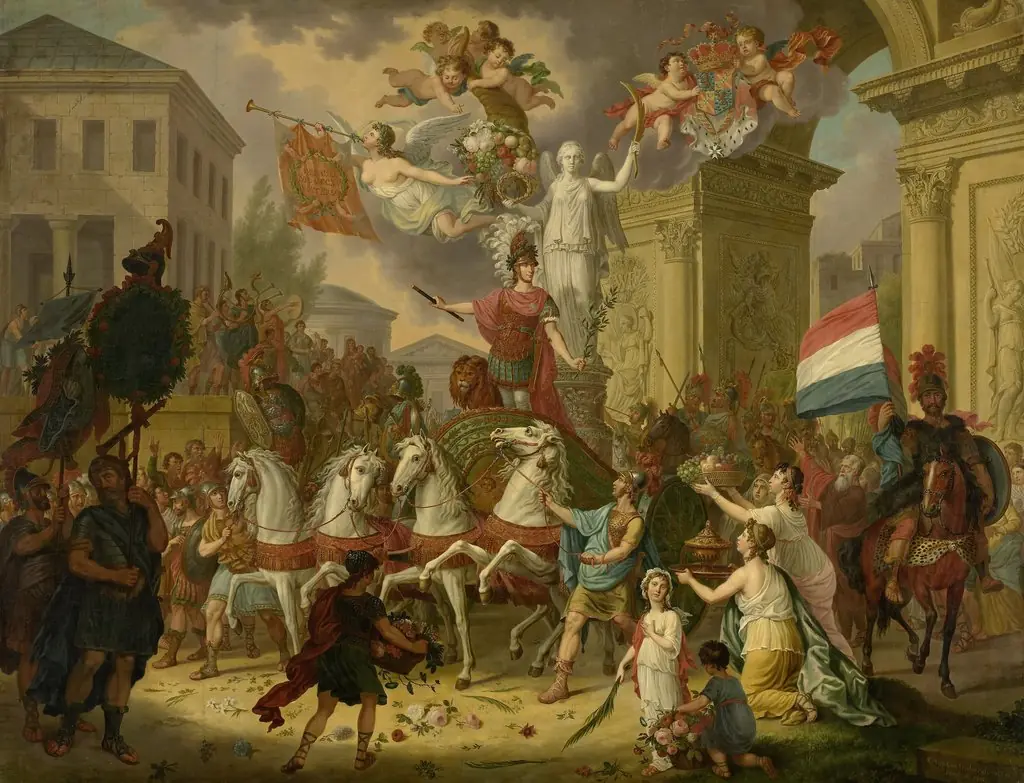 Allegory of the Triumphal Procession of the Prince of Orange, later King William II, as the Hero of Waterloo, 1815
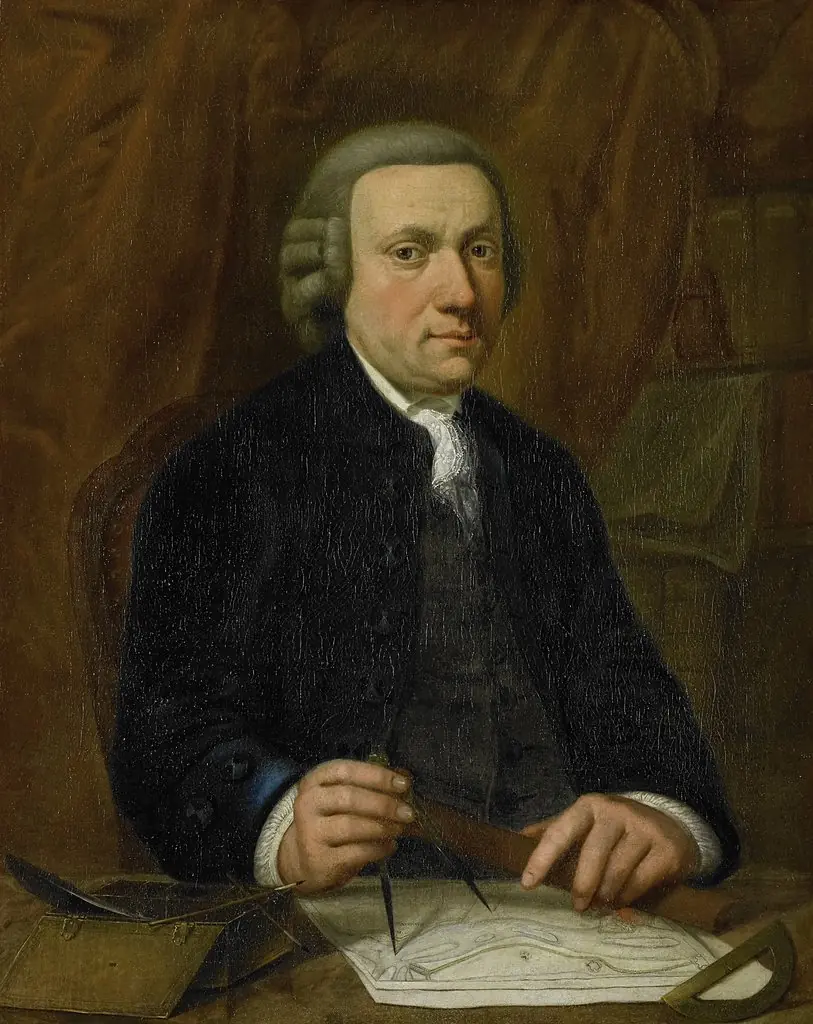 Portrait of Barend Goudriaan Ariesz.
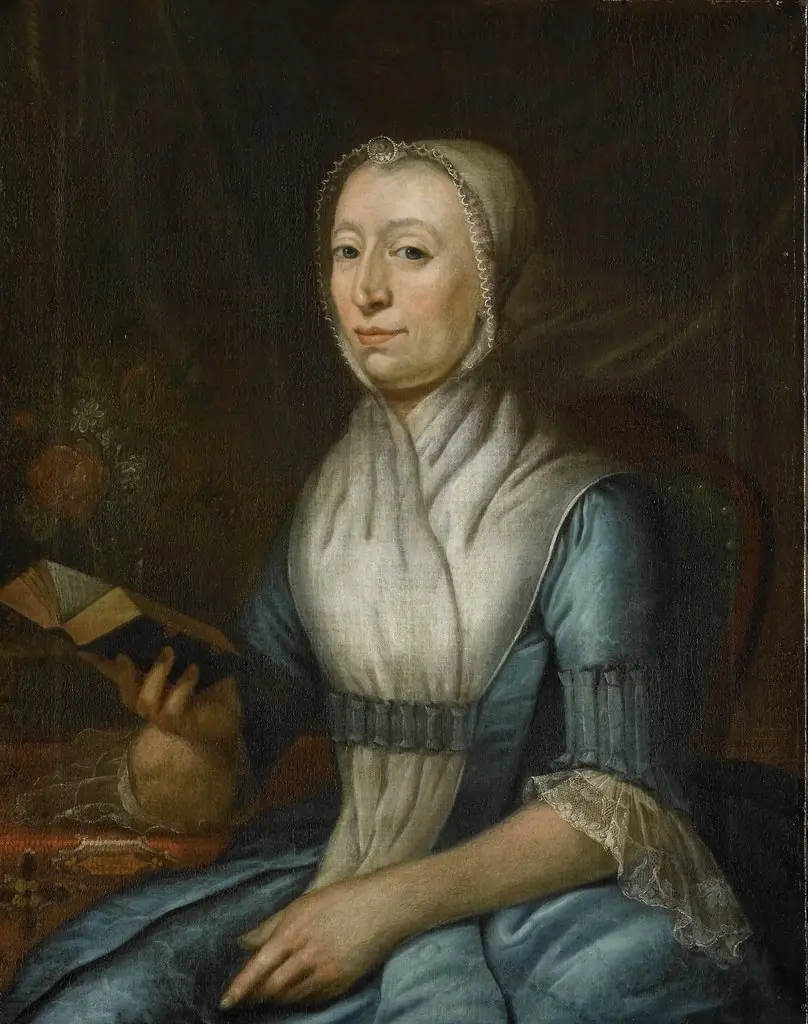 Portrait of Eva Goudriaan-de Veer