Artwork
The Triumphal Entry of Henry IV into Paris
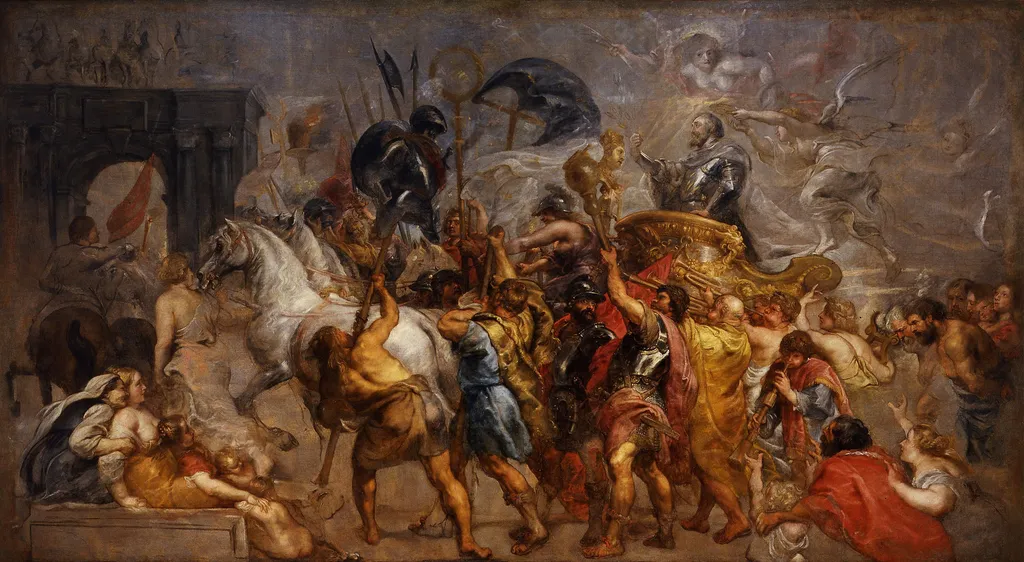
The Triumphal Entry of Henry IV into Paris is an oil painting by the Flemish Baroque painting artist Peter Paul Rubens. It dates from 1627 and is held in the collection of the Uffizi Gallery.
About this work
Overview
Peter Paul Rubens’ large‑scale canvas, completed in 1627, measures roughly 3.7 by 6.9 metres and depicts the ceremonial arrival of Henry IV in Paris in 1594. The composition is dominated by the monarch on horseback, surrounded by a bustling crowd and architectural arches that frame the celebratory atmosphere.
Subject & Meaning
The work records the moment Henry IV, clad in richly detailed armor and holding a scepter, entered the capital after his coronation. Figures crowd the streets, some gazing upward in admiration, others gesturing or conversing, underscoring the public’s reception of the king’s restored authority and the political reconciliation his rule symbolised.
Technique & Style
Rubens employs a pronounced chiaroscuro, juxtaposing illuminated figures against darker architectural elements to model volume and heighten drama. The palette leans toward muted earth tones—browns, grays, and touches of gold—while the vigorous brushwork conveys movement within the dense, celebratory crowd.
History & Provenance
The canvas was acquired in 1686 by Cosimo III de’ Medici, who also obtained its companion piece, Henry IV at the Battle of Ivry. Both paintings entered the Uffizi Gallery’s collection in 1773, where they have remained on display in Florence, forming a linked narrative of the French monarch’s military and civic triumphs.
Own this work as a print
Artist & collection
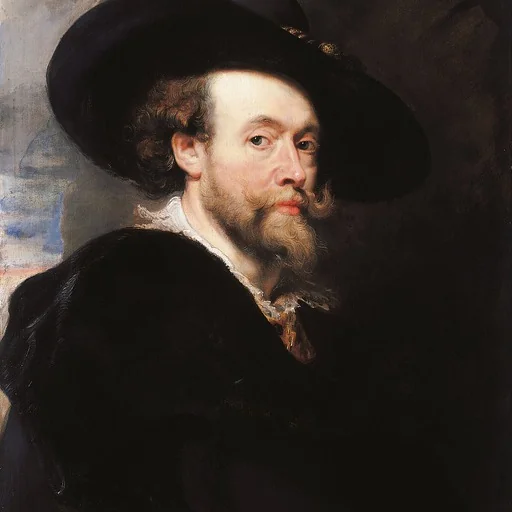
Artist
Sir Peter Paul Rubens ( ROO-bənz; Dutch: ; 28 June 1577 – 30 May 1640) was a Flemish artist and diplomat.

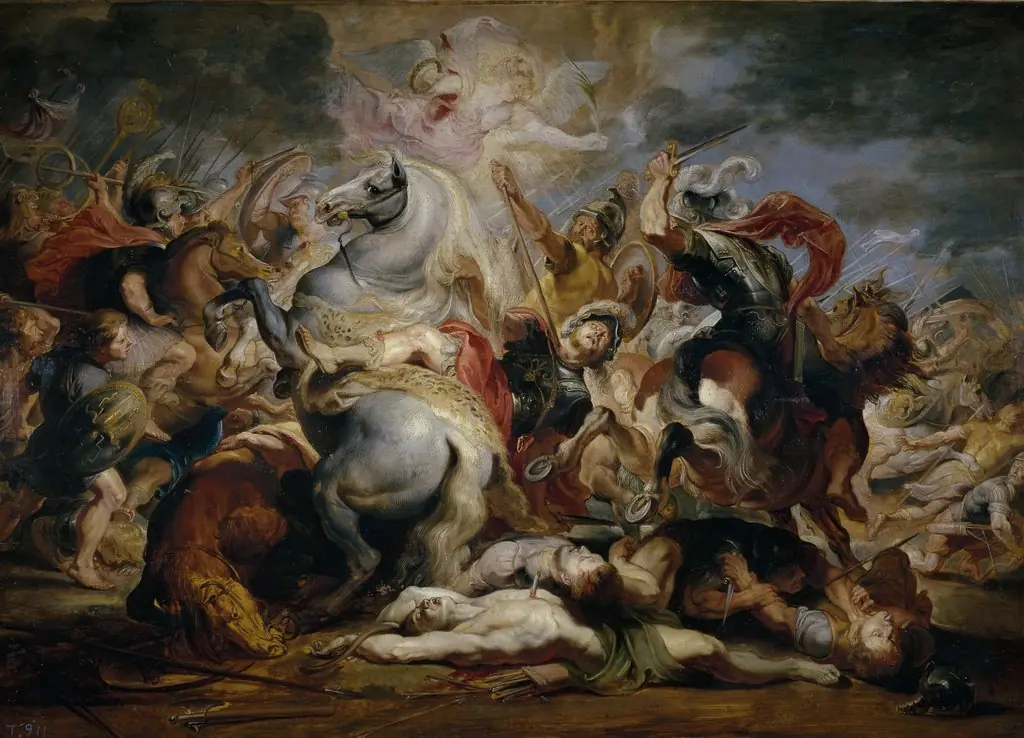 The Death of the Consul Decius
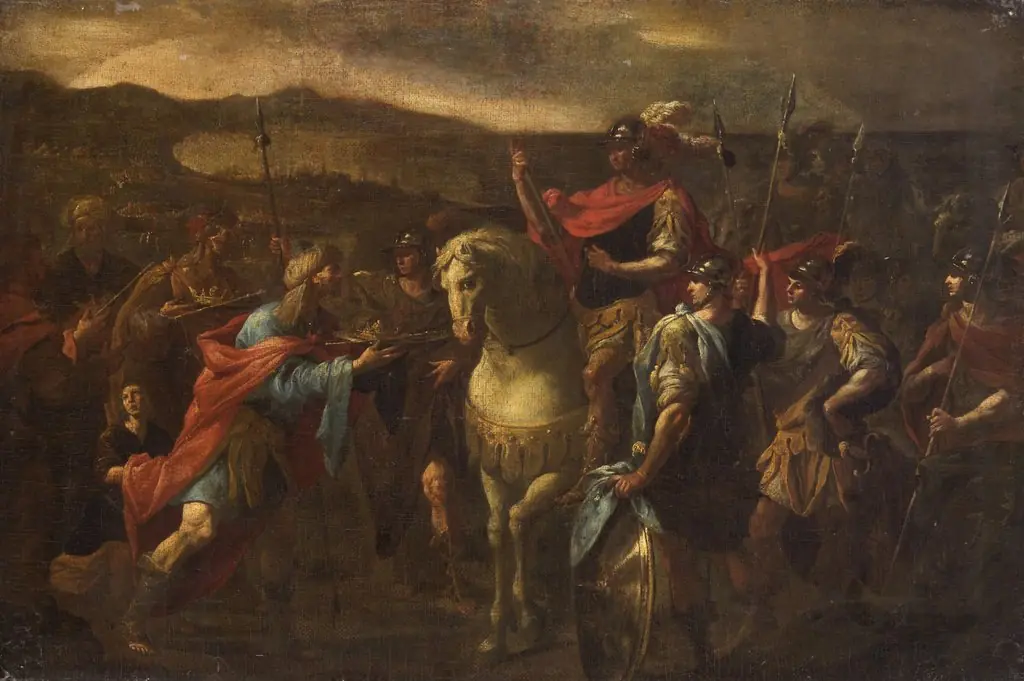 Indische Könige huldigen Alexander dem Großen
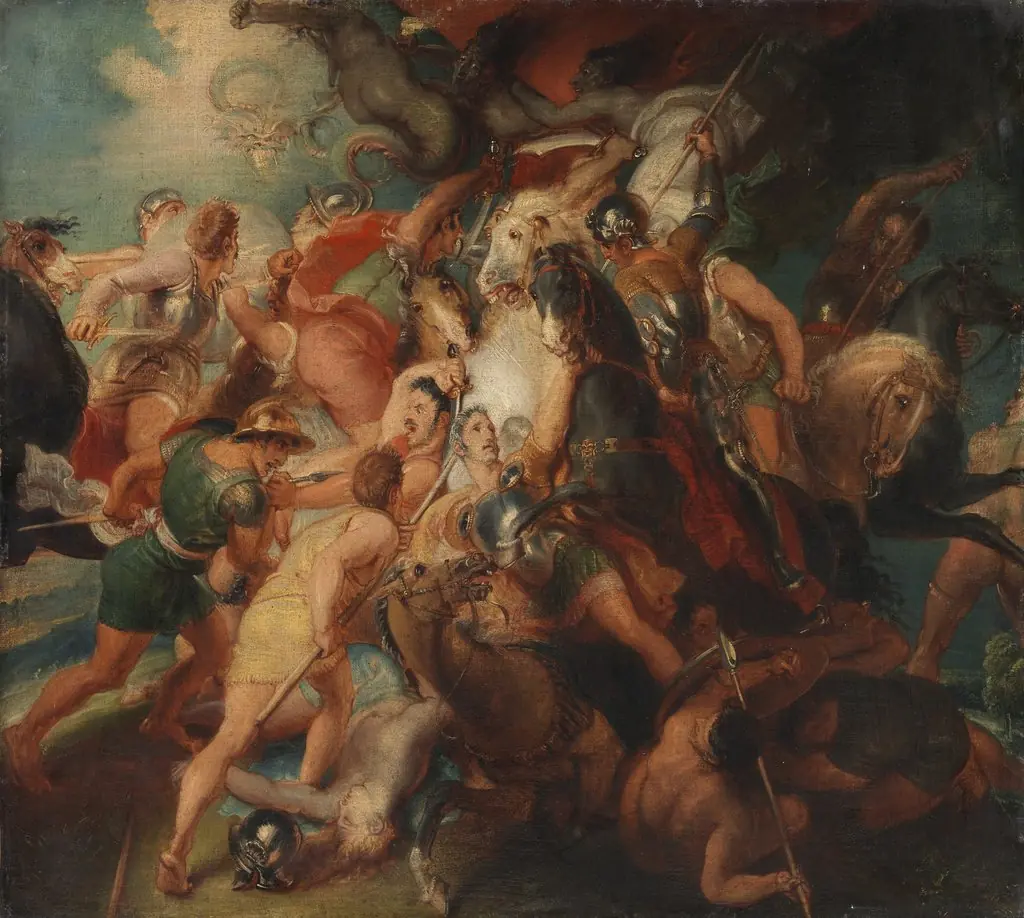 The Horrors of War, Sketch for Burghley House Mural
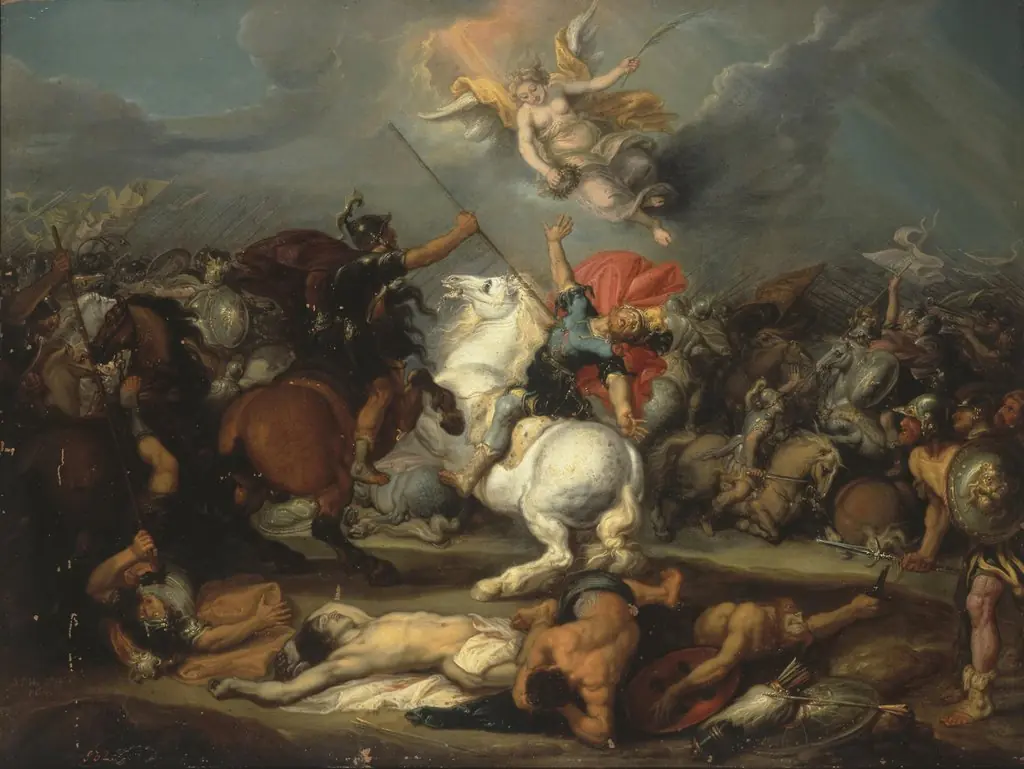 Death of Decius Mus
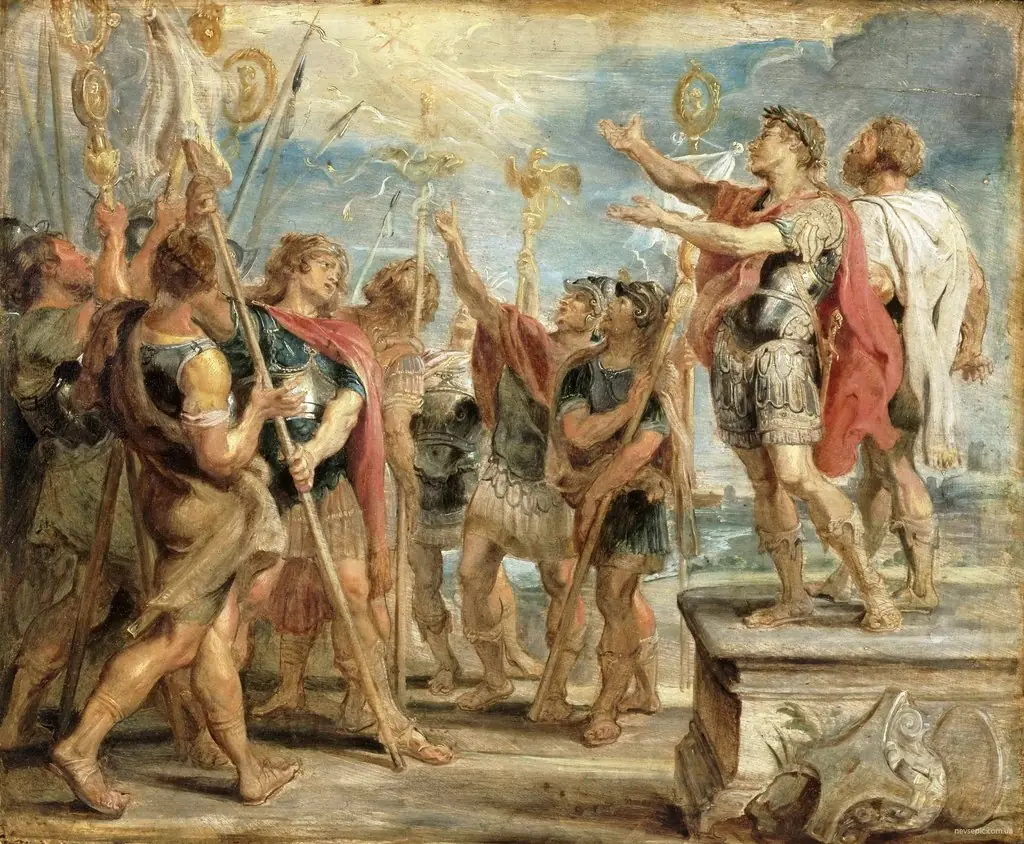 The Emblem of Christ Appearing to Constantine
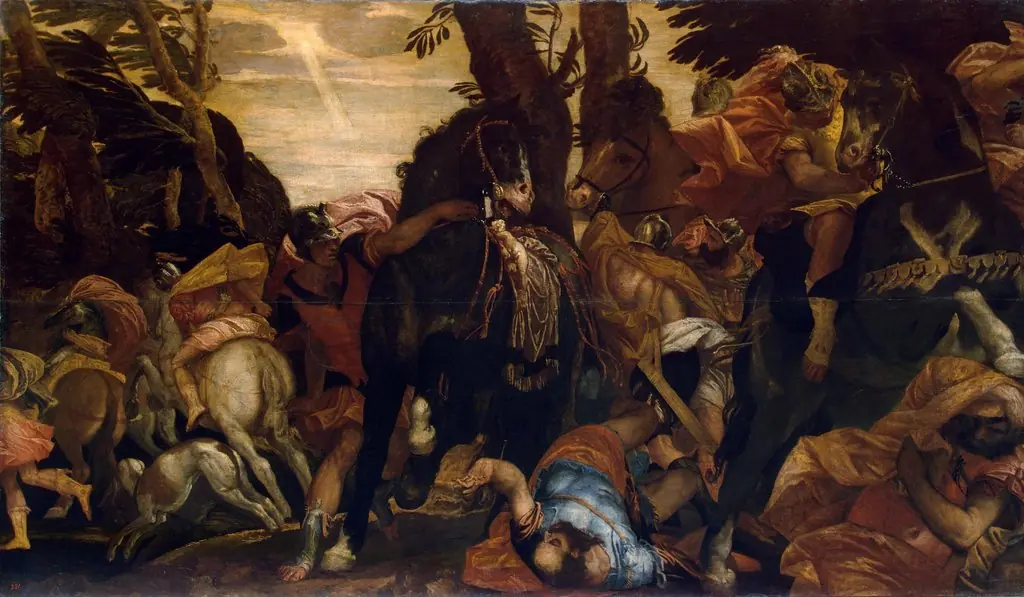 Conversion of Saul
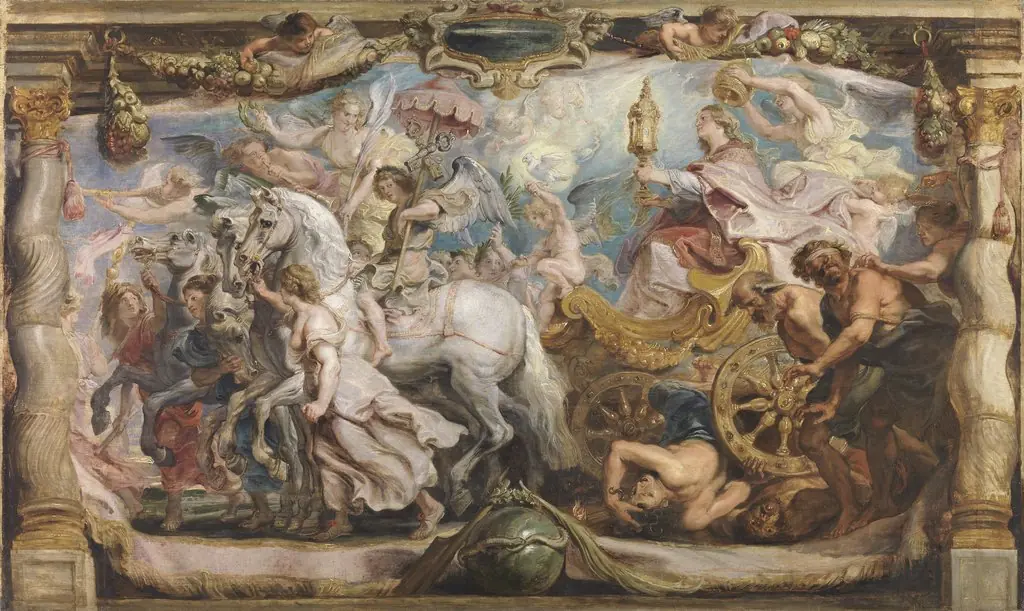 The Triumph of the Church
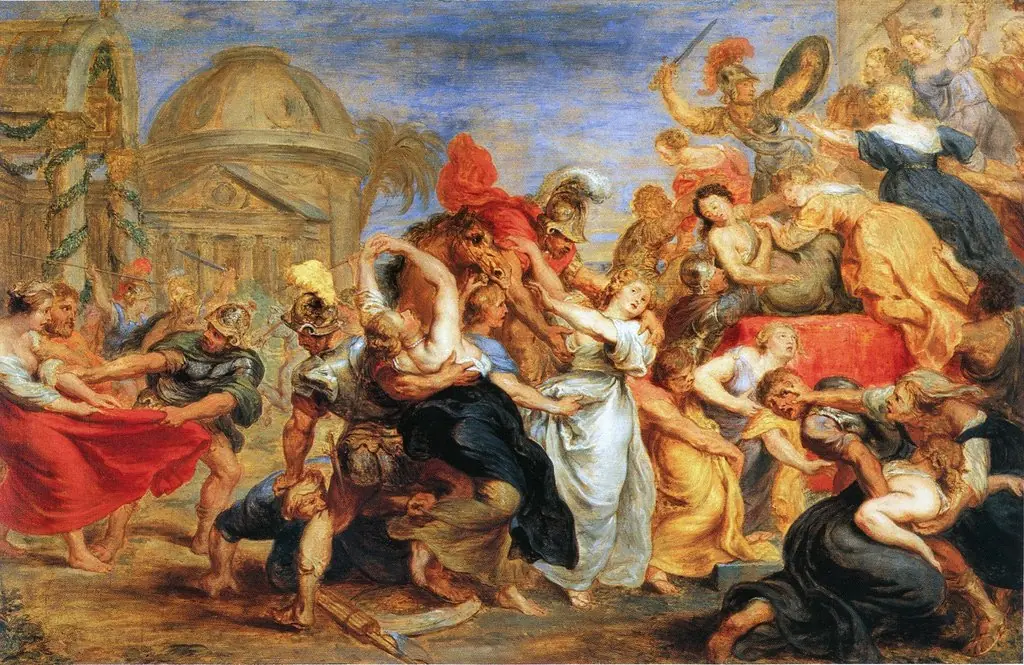 Rape of the Sabines
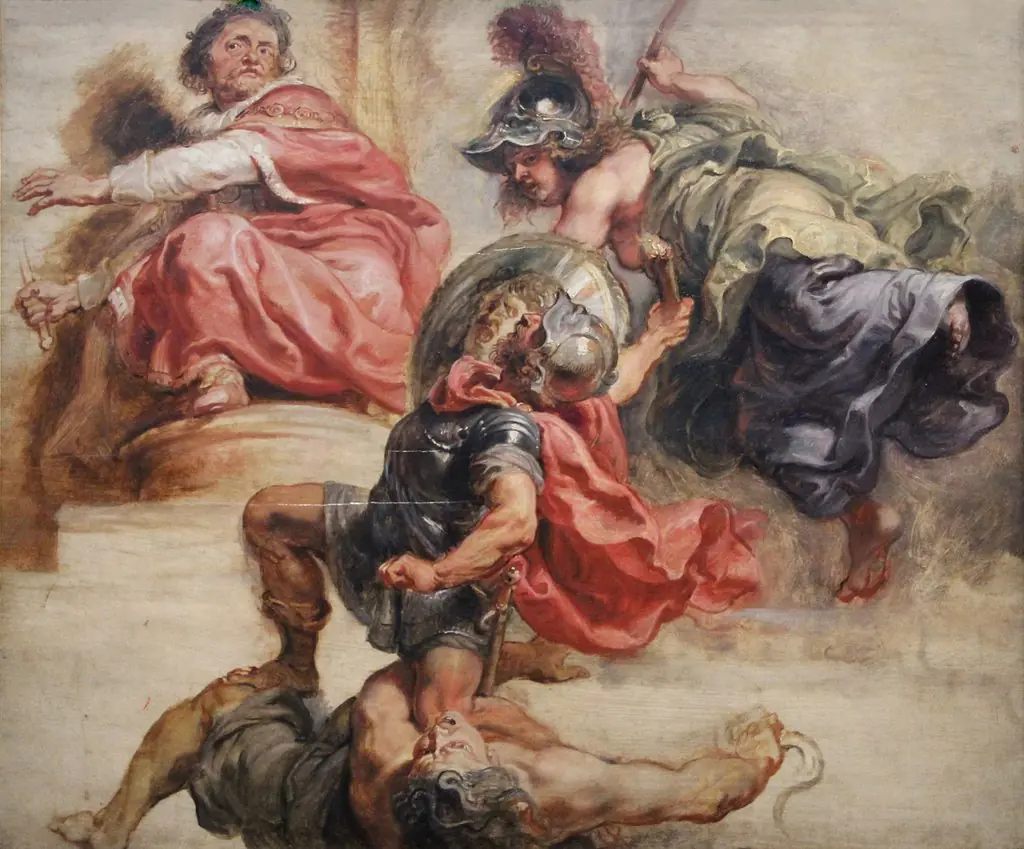 Wisdom triumphant over war and discord under the government of James I of England
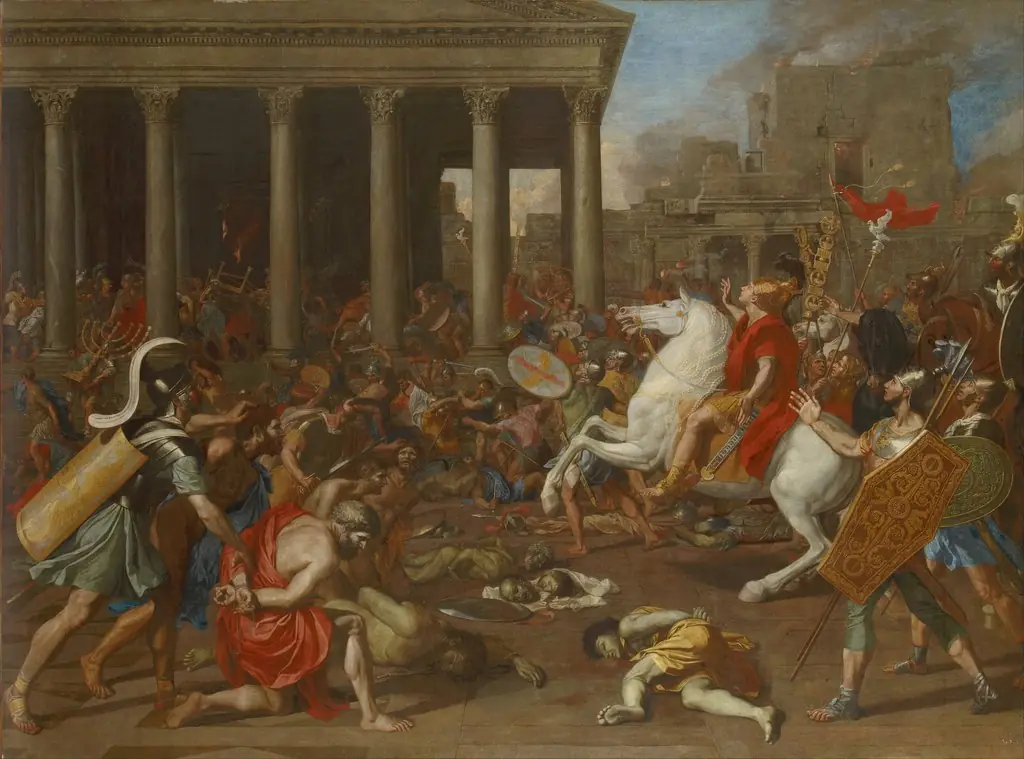 The Conquest of Jerusalem by Emperor Titus
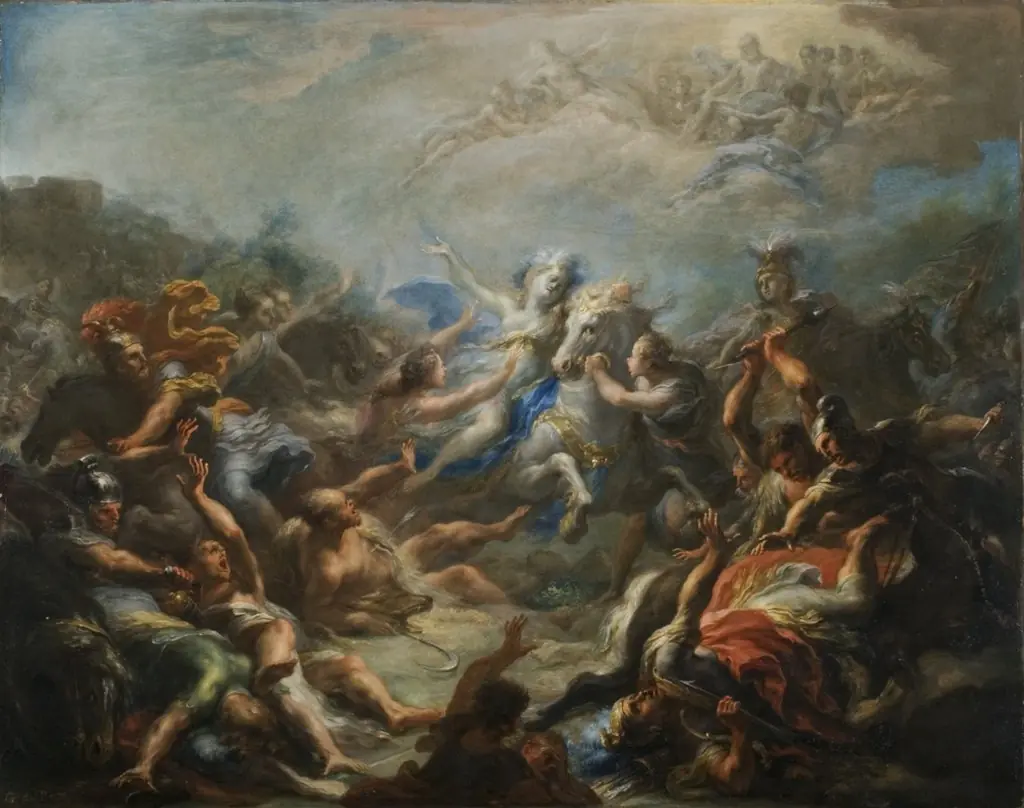 Camillia at War from Virgil's Aeneid
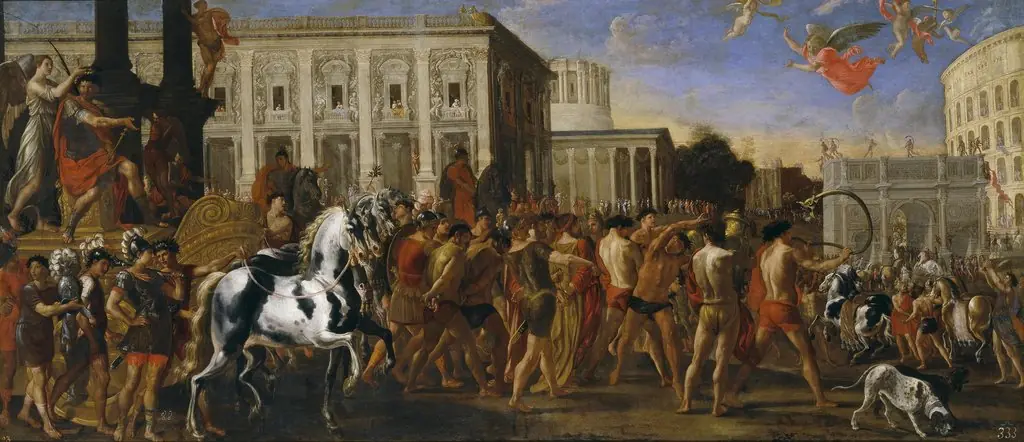 Triumphal Entry of Constantine in Rome