Artwork
Erzherzogin Katharina Renea (1576-1595) im Alter von einem Jahr in einem Kindersessel sitzend mit einer Puppe
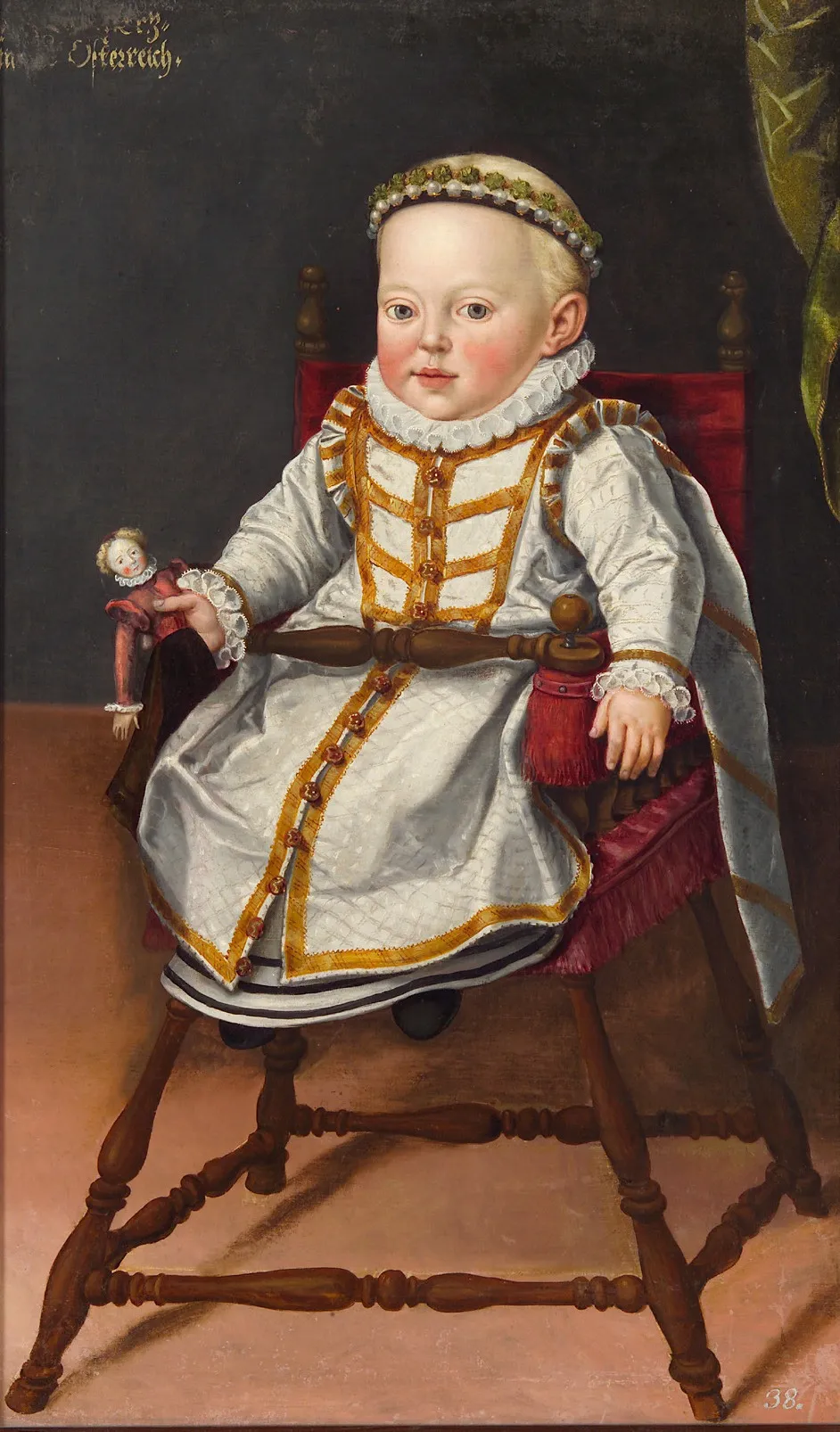
Erzherzogin Katharina Renea (1576-1595) im Alter von einem Jahr in einem Kindersessel sitzend mit einer Puppe is an oil painting by the Flemish Baroque painting artist Cornelis Vermeyen. It dates from 1589 and is held in the collection of the Kunsthistorisches Museum.
About this work
Overview
Painted in 1589 by Cornelis Vermeyen, this oil portrait captures Katharina Renata, Archduchess of Austria, at the age of one. The work is part of the Kunsthistorisches Museum’s collection in Vienna. Rendered with careful attention to detail, the painting serves as a formal record of a Habsburg heir during a period when dynastic continuity was visually emphasized through portraiture.
Subject & Meaning
The infant Katharina Renata, dressed in elaborate white and gold attire and crowned, is shown seated in a child’s chair, cradling a doll. The doll may symbolize future maternal roles or the innocence of youth, while the crown and rich fabrics assert her noble status. The dark background, with a faint red drape, focuses attention on her figure, reinforcing her position within the imperial lineage.
Technique & Style
Vermeyen employs fine brushwork to render the textures of lace, silk, and metal thread in the child’s garments. The palette is restrained, with gold highlights against pale tones and a deep, neutral backdrop. The composition is frontal and static, typical of court portraiture of the late 16th century, prioritizing symbolic presence over naturalistic movement or expression.
History & Provenance
Commissioned during Katharina Renata’s infancy, the portrait likely served as a dynastic document for the Habsburg court. It remained within imperial collections and was later transferred to the Kunsthistorisches Museum upon its founding in the late 19th century. Its continuous provenance reflects its value as a record of Habsburg lineage rather than as an independent artistic statement.
Context
In late 16th-century Europe, portraits of young nobility were common tools of political messaging. Children, especially heirs, were depicted with regalia to signal legitimacy and continuity. Vermeyen, a Flemish painter active in the Habsburg court, adapted Northern Renaissance techniques to serve the visual needs of an imperial family navigating religious and territorial pressures.
Legacy
The portrait remains a rare example of infant portraiture from the Habsburg court, offering insight into how childhood was represented in aristocratic circles. While not widely exhibited, it contributes to scholarly understanding of how early modern dynasties used visual culture to reinforce identity and succession, particularly in the absence of surviving childhood records.
Artist & collection

 Erzherzog Johann Karl (1605-1619) im Alter von etwa drei Jahren
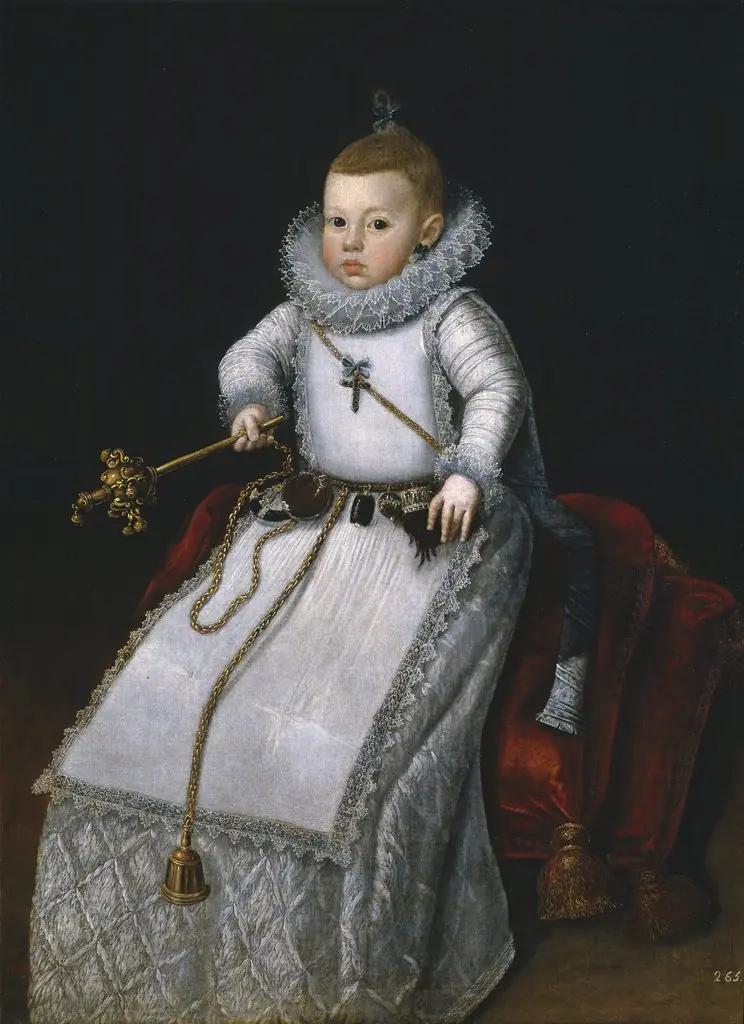 Infanta Margarita Francisca, Daughter of Philip III
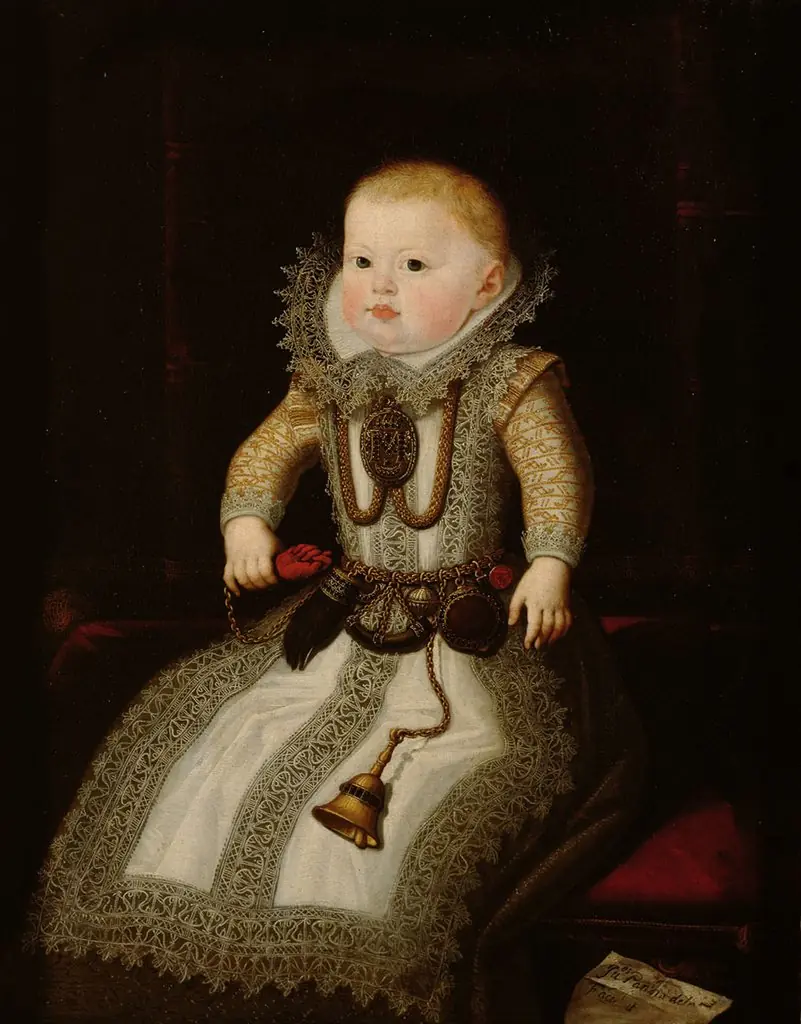 Infantin Maria Anna (1606-1646), Kaiserin, im Alter von 4 bis 5 Monaten, Bildnis in ganzer Figur
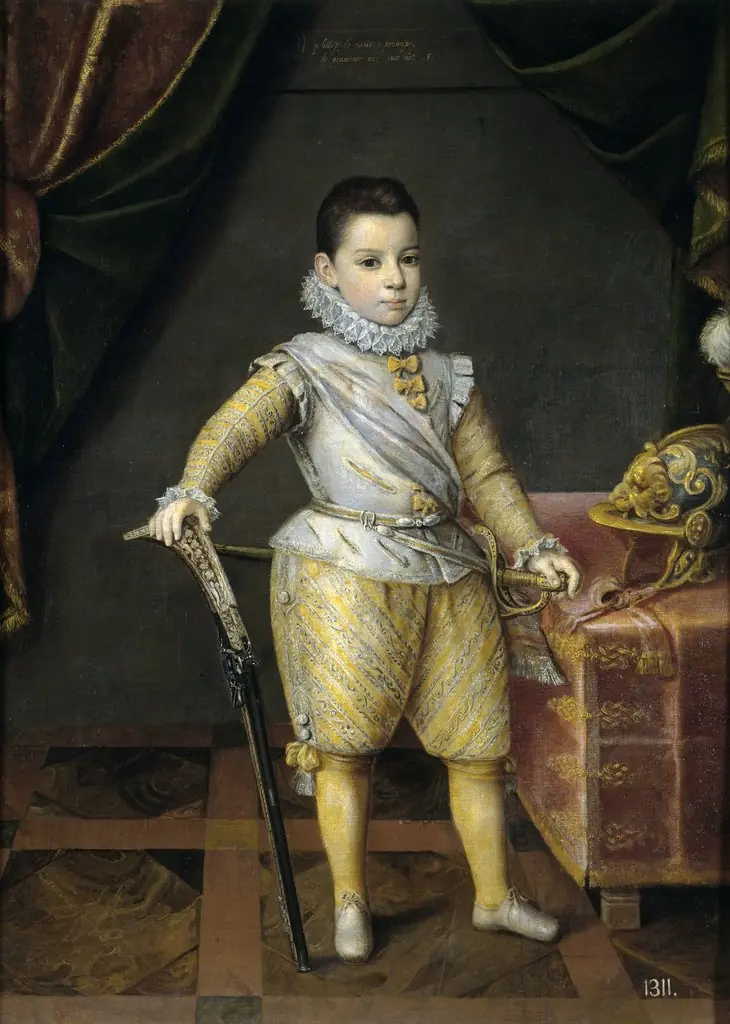 Portrait of Philip Emmanuel of Savoy (1586-1605), age five
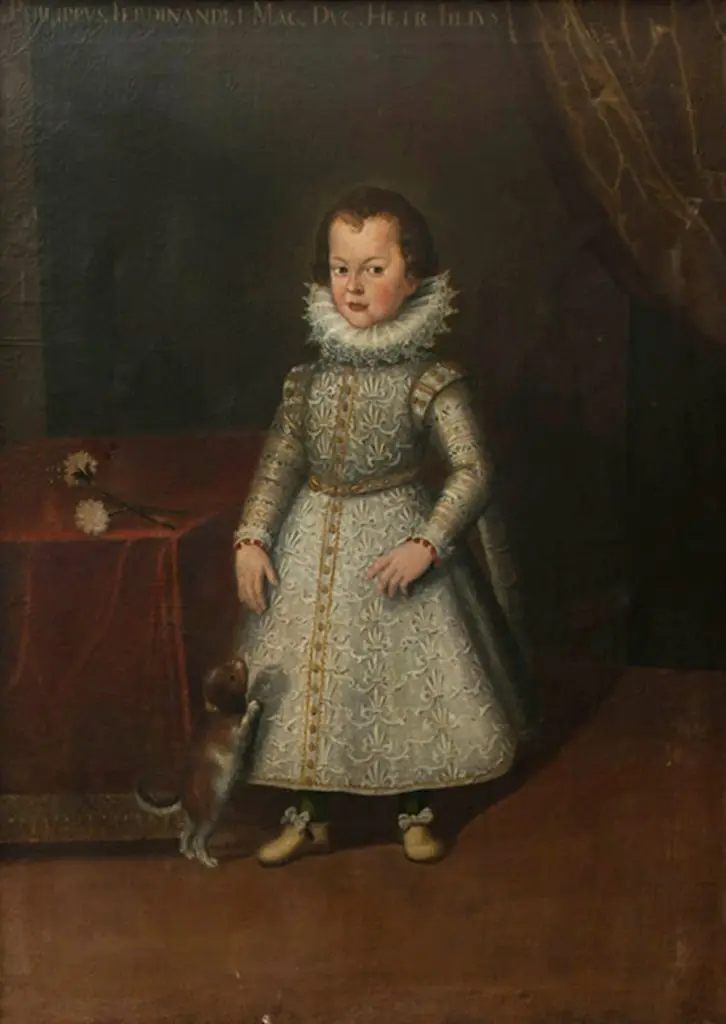 Kinderbildnis des Philipp, Sohn des Großherzogs Ferdinand I. von Toskana
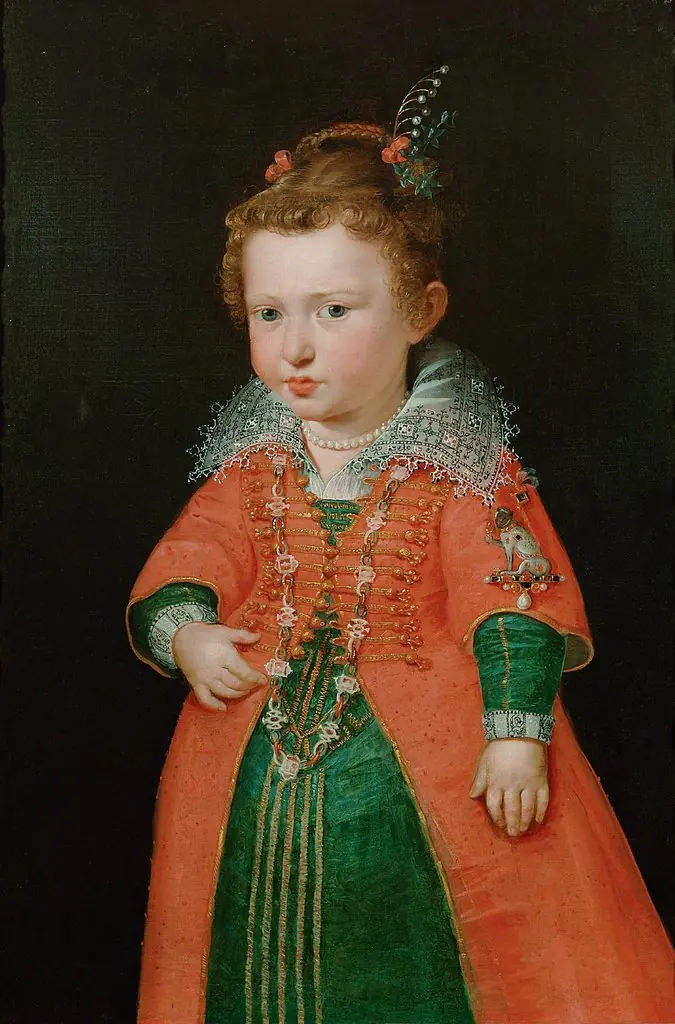 Eleonora Gonzaga (1598-1655), Empress, at the age of two, knee-length portrait
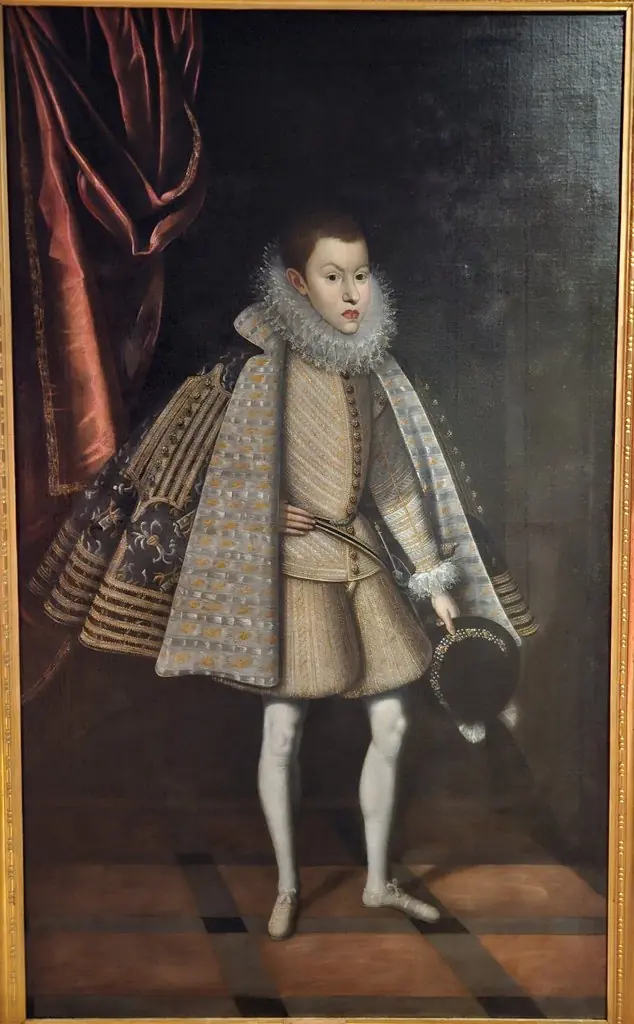 Retrato do Infante Carlos de Áustria
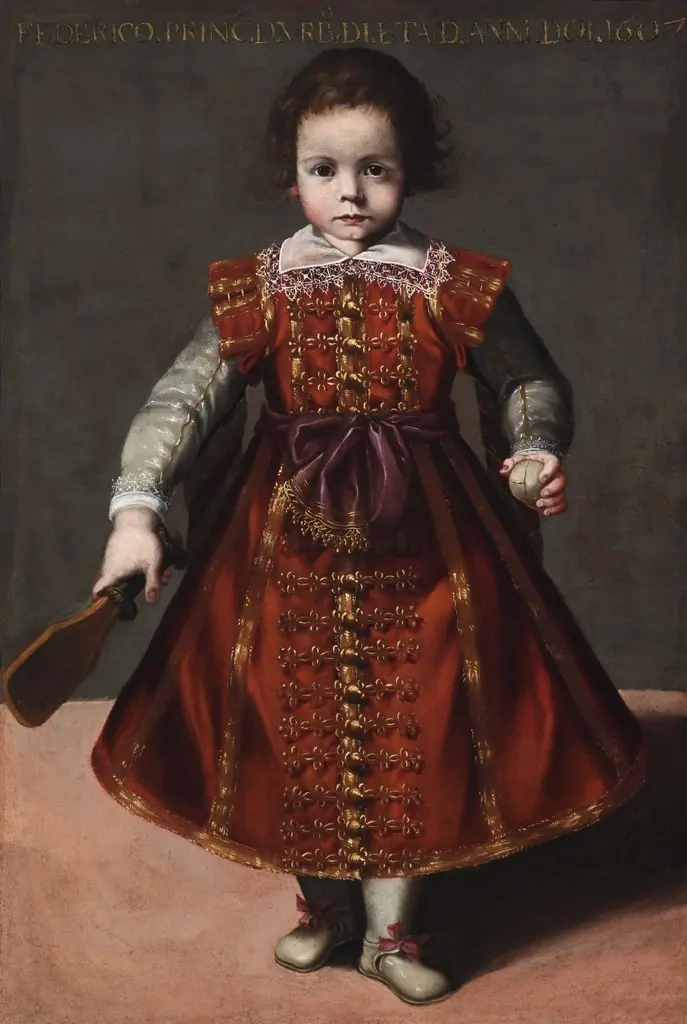 Federico, Prince of Urbino, at the Age of Two Years