Artwork
Kinderbildnis des Philipp, Sohn des Großherzogs Ferdinand I. von Toskana
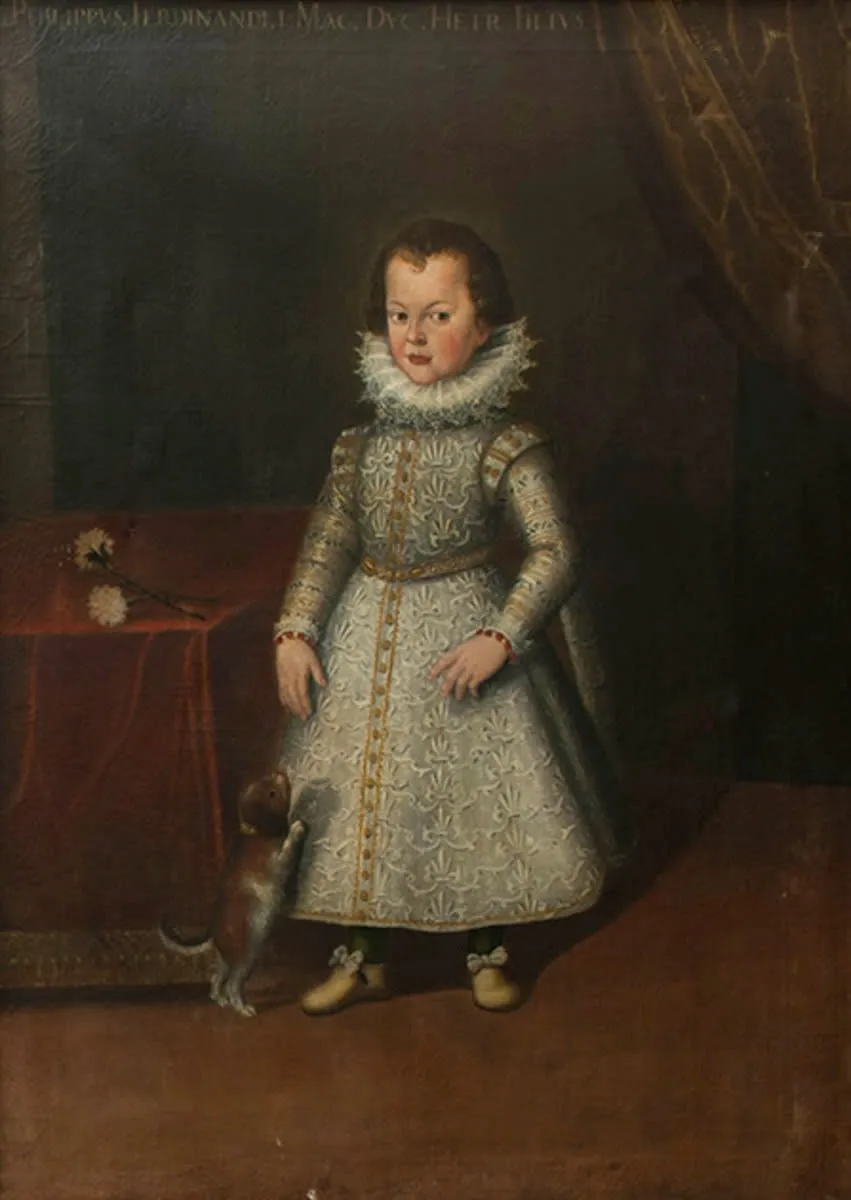
Kinderbildnis des Philipp, Sohn des Großherzogs Ferdinand I. von Toskana is an unspecified painting by the Early Baroque Italian artist Unknown. It dates from 1601 and is held in the collection of the Bavarian State Painting Collections. This portrait depicts Philipp, the young son of Grand Duke Ferdinand I of Tuscany, standing alone in a modest interior.
About this work
Overview
The setting is restrained—a dark wall and a wooden table with a single flower—drawing focus to the boy’s refined garments and composed demeanor.
This portrait depicts Philipp, the young son of Grand Duke Ferdinand I of Tuscany, standing alone in a modest interior. Dressed in elaborate silver and gold attire adorned with lace and fine embroidery, he holds a small dog on a leash. The setting is restrained—a dark wall and a wooden table with a single flower—drawing focus to the boy’s refined garments and composed demeanor. The lighting suggests careful attention to volume and depth.
Subject & Meaning
Philipp, a child of the Medici line, is presented not as a playful infant but as a miniature nobleman. His formal dress and the presence of the well-groomed dog signal status and control, common motifs in dynastic portraiture. The flower on the table may allude to transience or familial continuity, while the dog, a symbol of loyalty, reinforces ideals of guardianship and lineage. His stillness conveys the expectation of composure from young heirs.
Technique & Style
The painter employs chiaroscuro to model the boy’s voluminous sleeves and textured fabric, enhancing the three-dimensionality of his attire. Subtle gradations of light define the lace at his collar and the sheen of metallic thread, while the background remains muted to isolate the figure. The dog’s fur is rendered with quiet precision, mirroring the boy’s calm posture. Brushwork is controlled, avoiding theatricality in favor of dignified realism.
History & Provenance
Commissioned during the late 16th century, the portrait likely originated in the Tuscan court as part of a series documenting the Medici heirs. It remained within the family’s collection until the 19th century, when it entered a public museum. Documentation from the Medici archives confirms Philipp’s identity and the painting’s date, though the artist’s hand remains unattributed with certainty.
Context
In late Renaissance Italy, portraits of noble children served political purposes: they affirmed dynastic continuity and projected stability. Unlike earlier depictions of children as miniature adults, this work balances formality with a hint of youth, reflecting evolving attitudes toward childhood among European elites. The restrained setting contrasts with the opulence of dress, emphasizing inherited status over personal expression.
Legacy
The portrait contributes to a broader tradition of Habsburg and Medici family imagery, where children were depicted as symbols of future rule. Its quiet intensity influenced later court portraiture in Central Europe, particularly in its use of subdued interiors and symbolic objects. Though not widely exhibited, it remains a key example of how aristocratic identity was cultivated through visual culture in early modern Italy.
Artist & collection

 Domestic Scene
 Giacomo and Cardinal Marco, investing Andrea, Abbot of San Zeno, with his Benefice
 The Nymph of Fontainebleau
 Portrait of a Woman
 Madonna and Child with Saints in the Enclosed Garden
 Venus and Minerva
 Family Group of Four on Sofa
 Wall painting from Room H of the Villa of P. Fannius Synistor at Boscoreale
 Fetița cu pisica
 Retrato do Infante Carlos de Áustria
 Erzherzog Johann Karl (1605-1619) im Alter von etwa drei Jahren
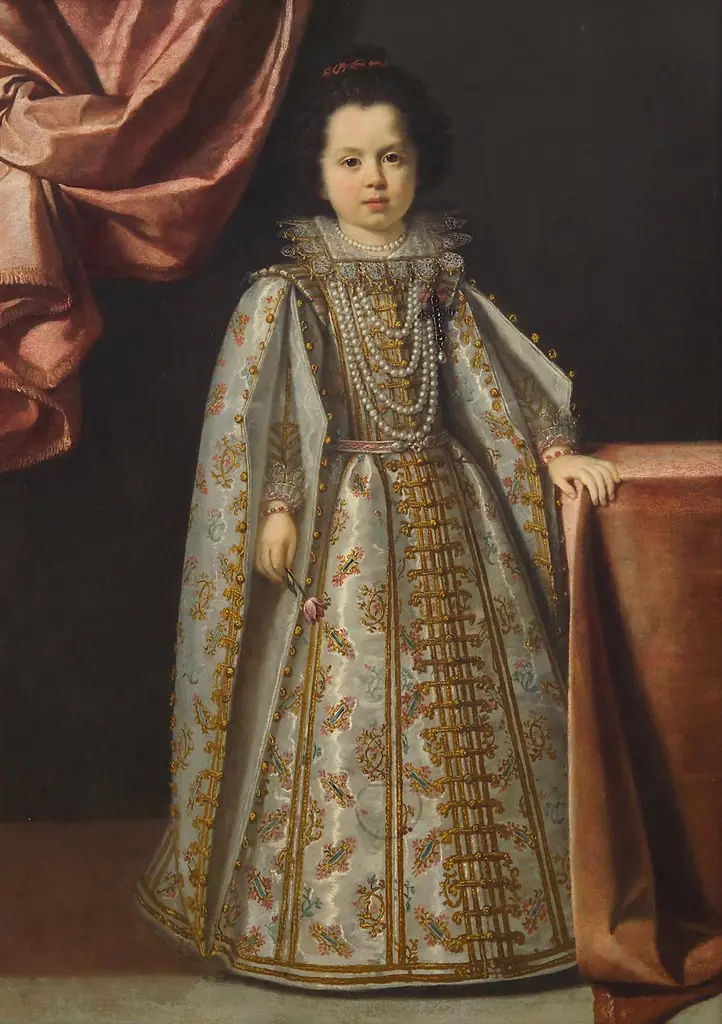 Portrait of Vittoria della Rovere (1622-1694) aged 4 or 5
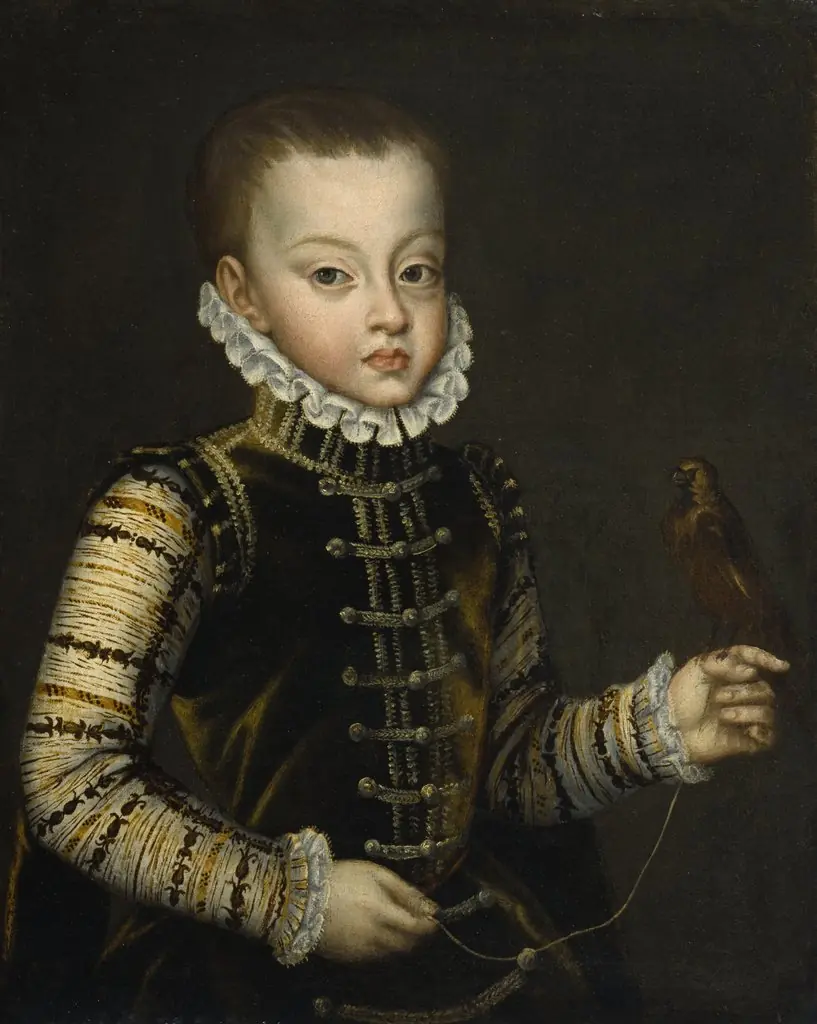 Portrait of Infante Ferdinand of Spain
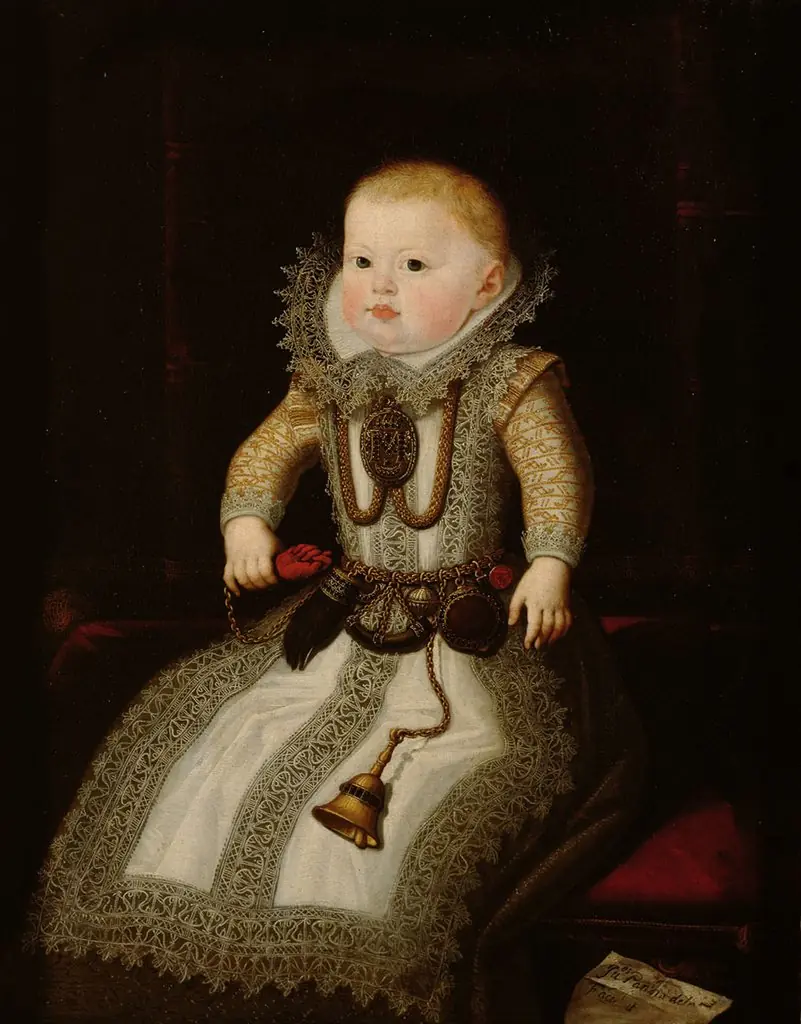 Infantin Maria Anna (1606-1646), Kaiserin, im Alter von 4 bis 5 Monaten, Bildnis in ganzer Figur
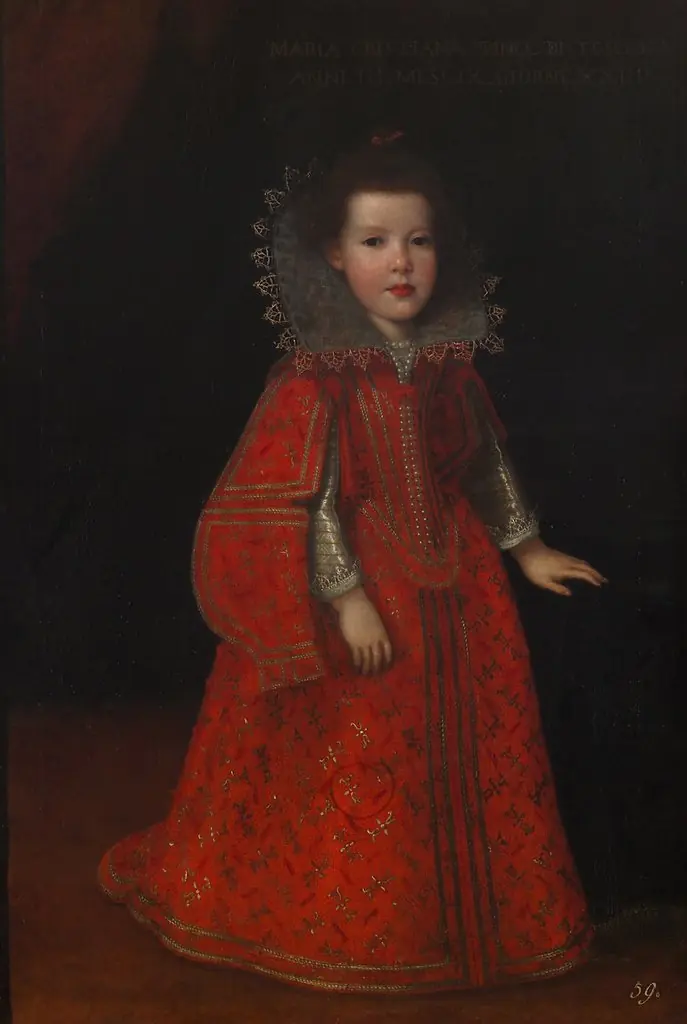 Maria Cristina de' Medici (1609-1632) im Alter von drei Jahren
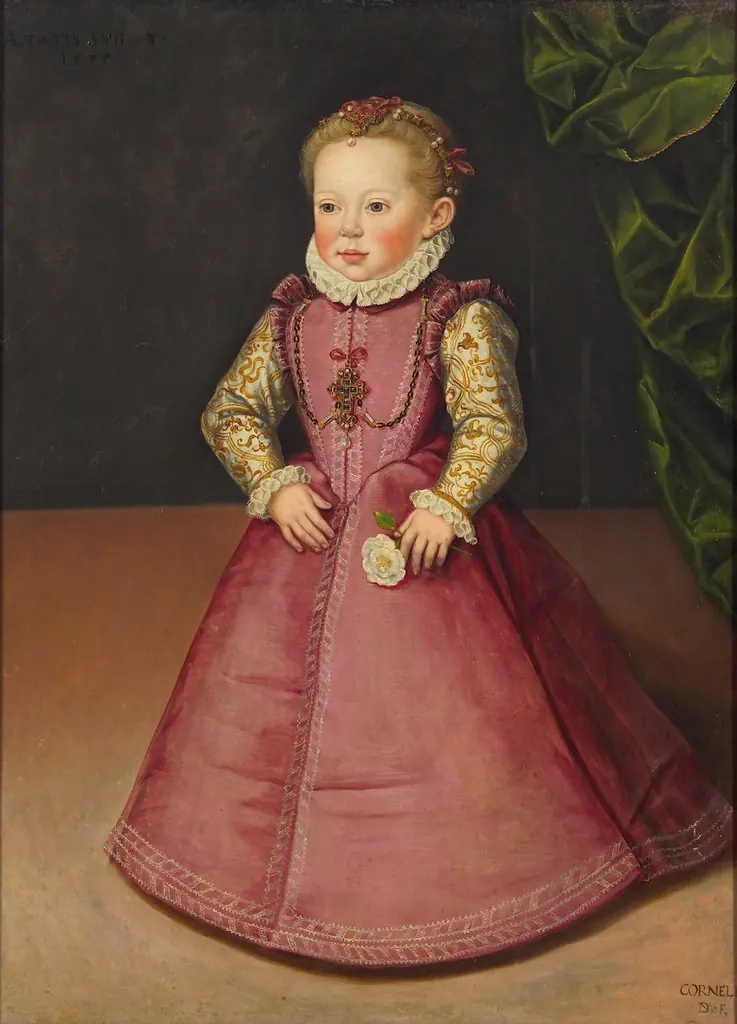 Erzherzogin Maria Christierna (1574-1621) im Alter von drei Jahren, in ganzer Figur
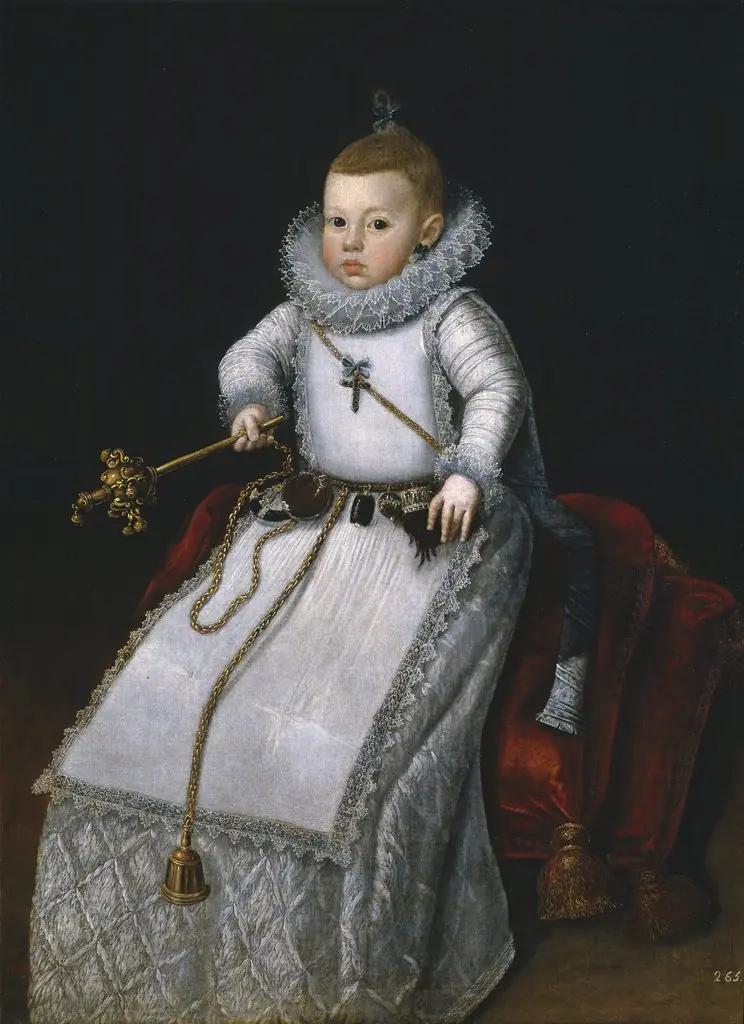 Infanta Margarita Francisca, Daughter of Philip III
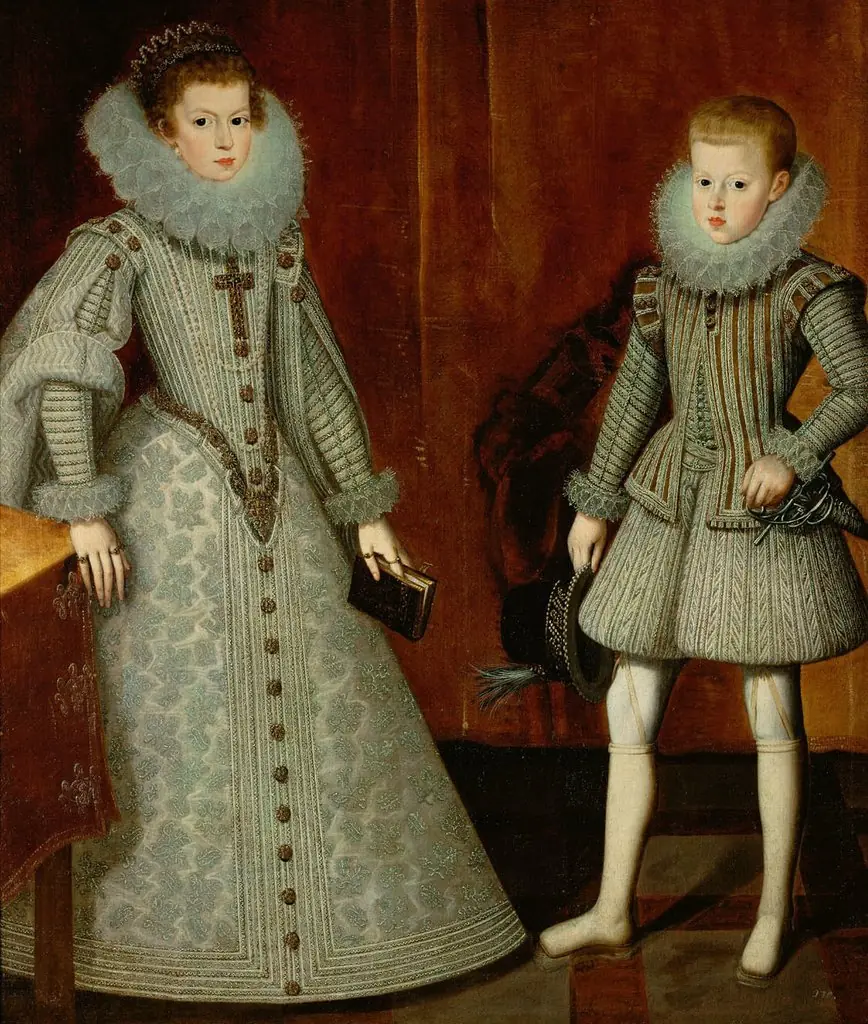 König Philipp IV. von Spanien (1605-1665) mit seiner Schwester, der Infantin Anna (1601-1666), Bildnis in ganzer Figur
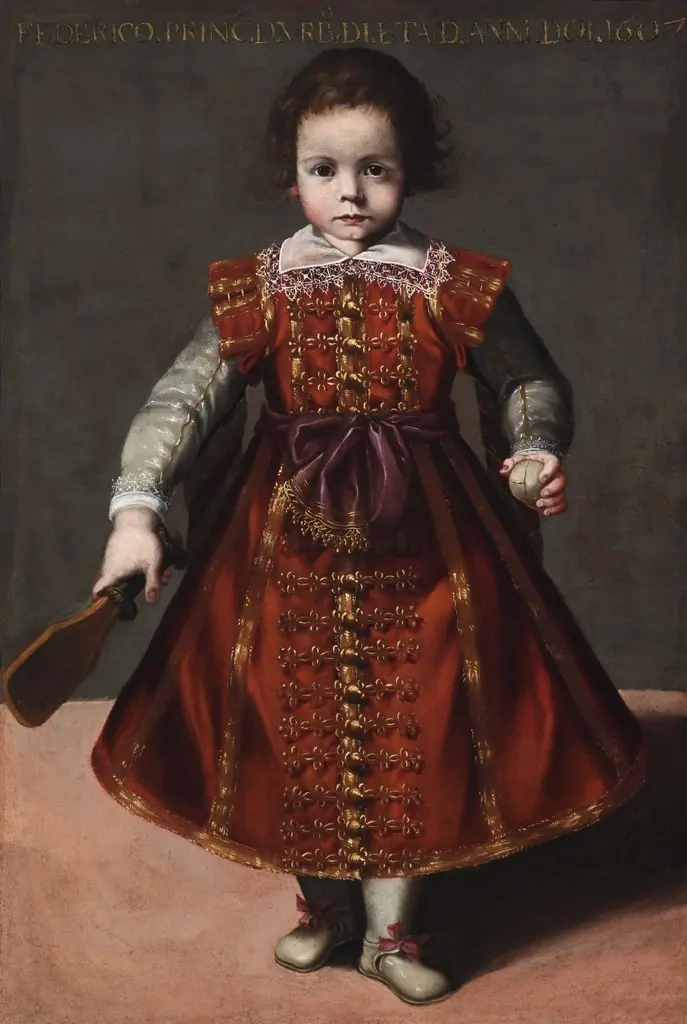 Federico, Prince of Urbino, at the Age of Two Years
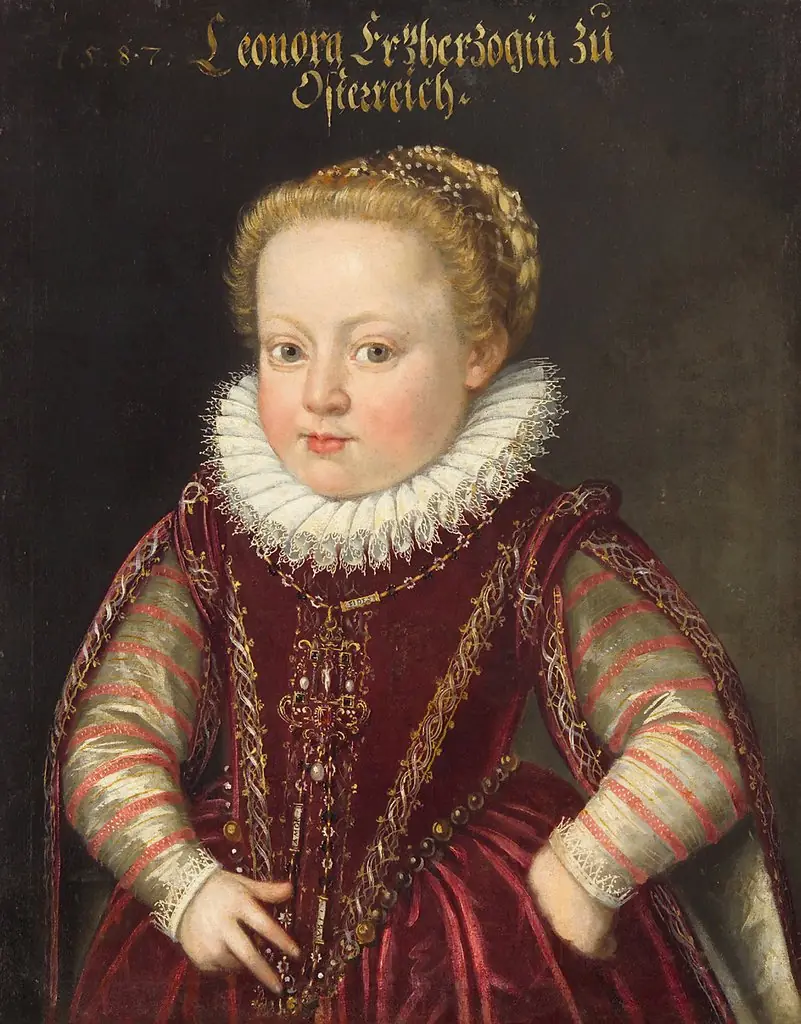 Erzherzogin Eleonore (1582-1620) im Alter von 5 Jahren, Halbfigur