Artwork
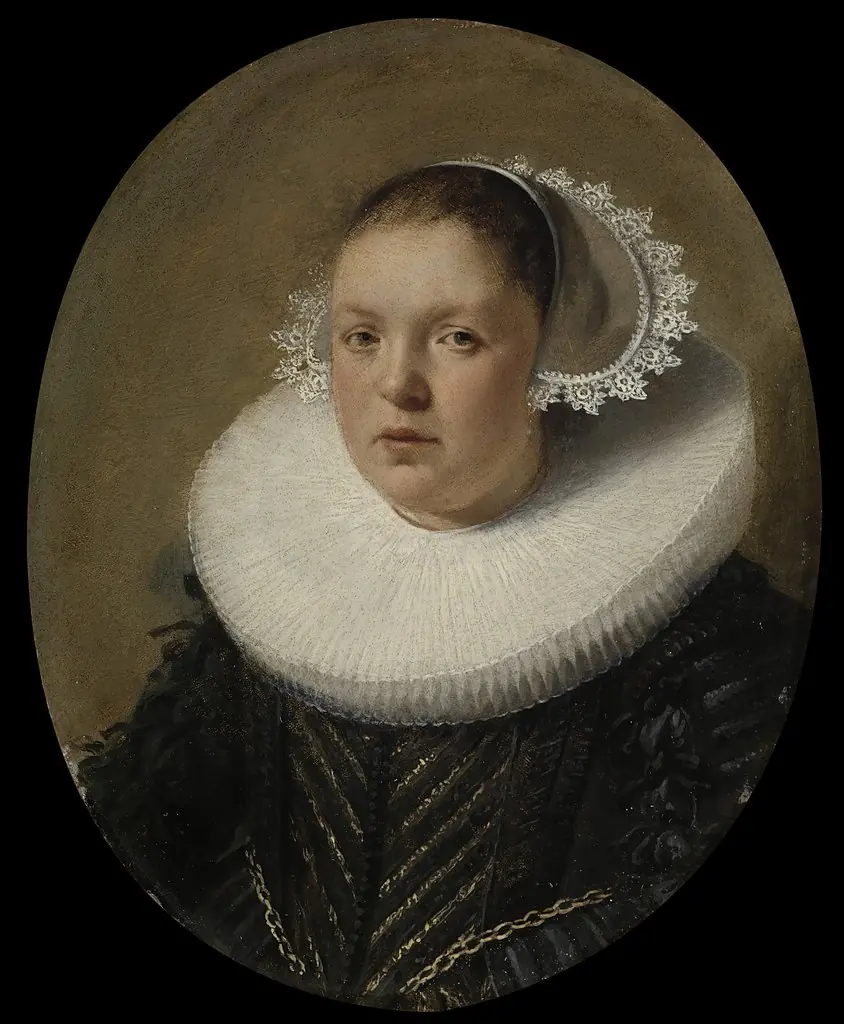
Portrait of Susanna van Collen
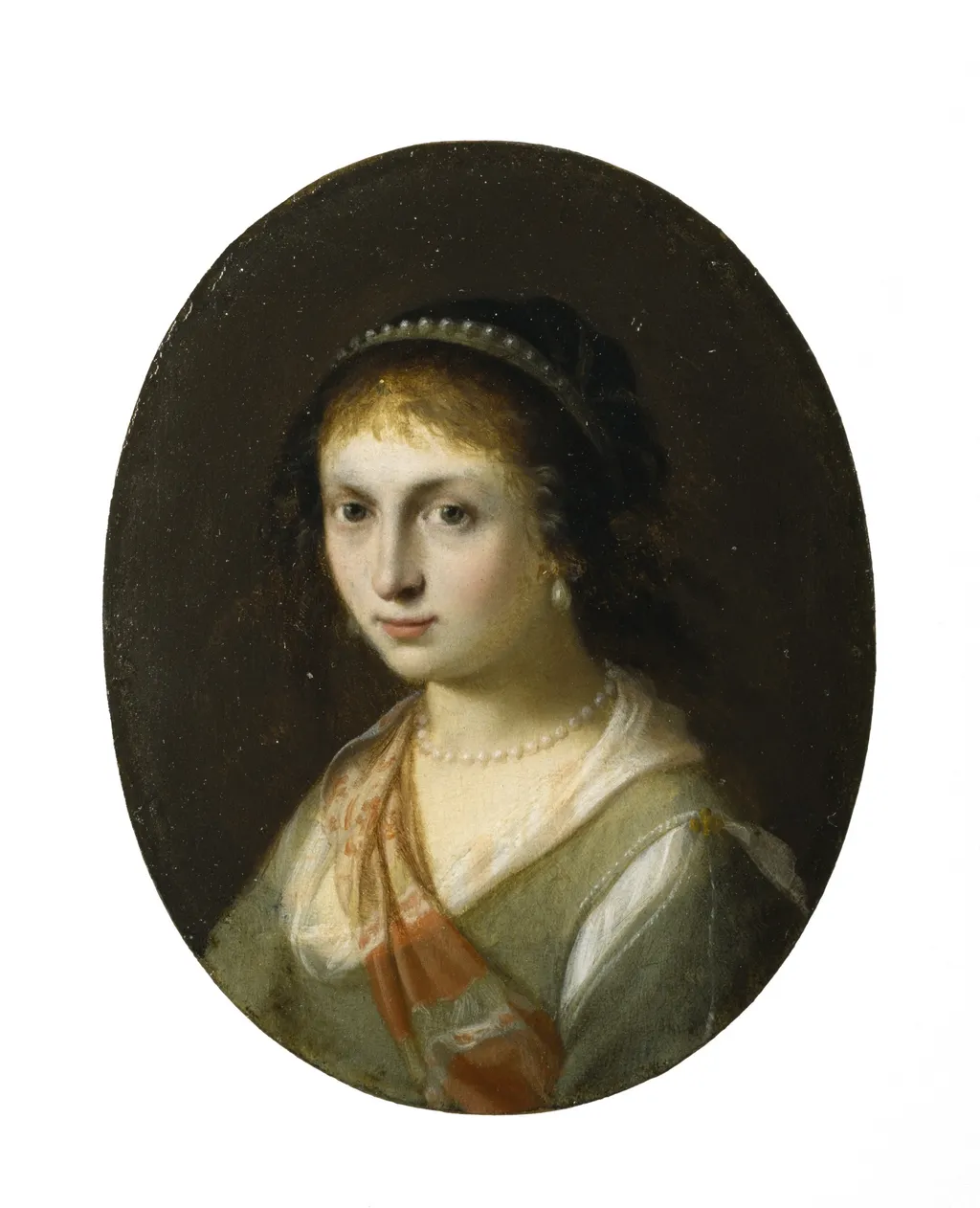
Portrait of Susanna van Collen is an oil painting by the Dutch Golden Age artist Cornelius van Poelenburgh. It dates from 1626 and is held in the collection of the Walters Art Museum.
About this work
Overview
Though primarily known for Italianate landscapes, van Poelenburgh turned to portraiture during his time in the Dutch Golden Age.
Painted in 1626 on copper, this portrait by Cornelius van Poelenburgh captures Susanna van Collen in a small, intimate format. Though primarily known for Italianate landscapes, van Poelenburgh turned to portraiture during his time in the Dutch Golden Age. The work is now part of the Walters Art Museum’s collection, reflecting the period’s interest in refined, personal imagery executed on durable, luminous supports.
Subject & Meaning
Susanna van Collen is depicted with quiet composure, her gaze meeting the viewer directly. Her attire—a white dress accented by a red sash and a pearl necklace—suggests modest affluence, typical of middle- or upper-class women of the era. The neutral expression and restrained setting convey dignity rather than theatricality, aligning with contemporary ideals of private virtue and personal refinement.
Technique & Style
Van Poelenburgh employed copper as a support to achieve fine detail and a luminous surface. He used chiaroscuro to model the figure with subtle gradations of light and shadow, enhancing the three-dimensionality of her form. The dark, unmodeled background isolates the subject, focusing attention on her face and attire. The technique echoes the tonal precision seen in contemporaneous Dutch portraiture.
History & Provenance
The painting was completed in 1626, during van Poelenburgh’s active years in Rome, though it reflects Dutch artistic sensibilities. Its early provenance is undocumented, but it entered the Walters Art Museum’s collection in the 20th century. The work’s survival on copper, a less common support for portraiture, suggests it was commissioned by someone with access to specialized materials and skilled artisans.
Context
In early 17th-century Holland, portraiture flourished as a marker of individual identity and social standing. While van Poelenburgh was trained in landscape, his portrait reflects broader trends: the preference for intimate scale, psychological restraint, and technical precision. The use of chiaroscuro, though associated with Rembrandt, was a shared tool among Northern European painters seeking depth without overt drama.
Legacy
This portrait stands as a rare example of van Poelenburgh’s work outside his landscape oeuvre. It illustrates the fluidity of artistic practice during the Dutch Golden Age, where painters often crossed genres. While not widely reproduced, it remains a quiet testament to the era’s nuanced approach to representing private life through controlled light and restrained elegance.
Artist & collection
Artist
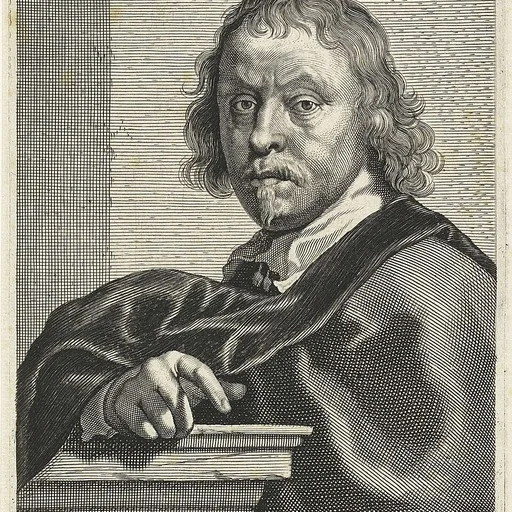
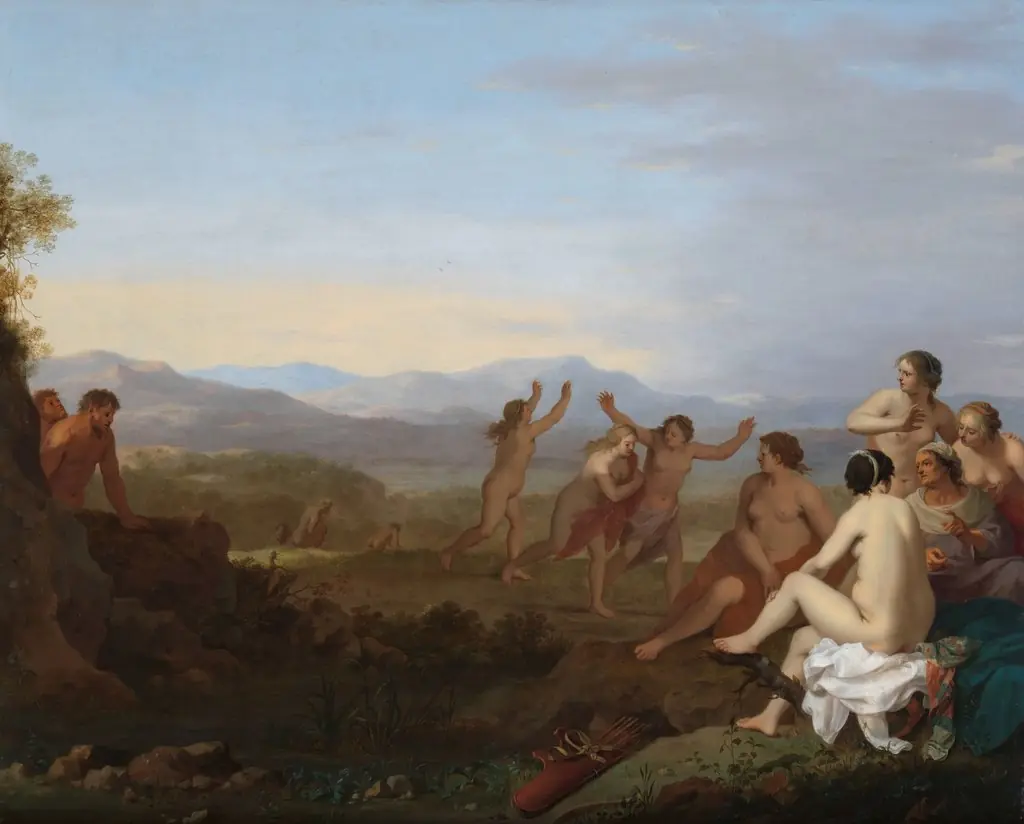
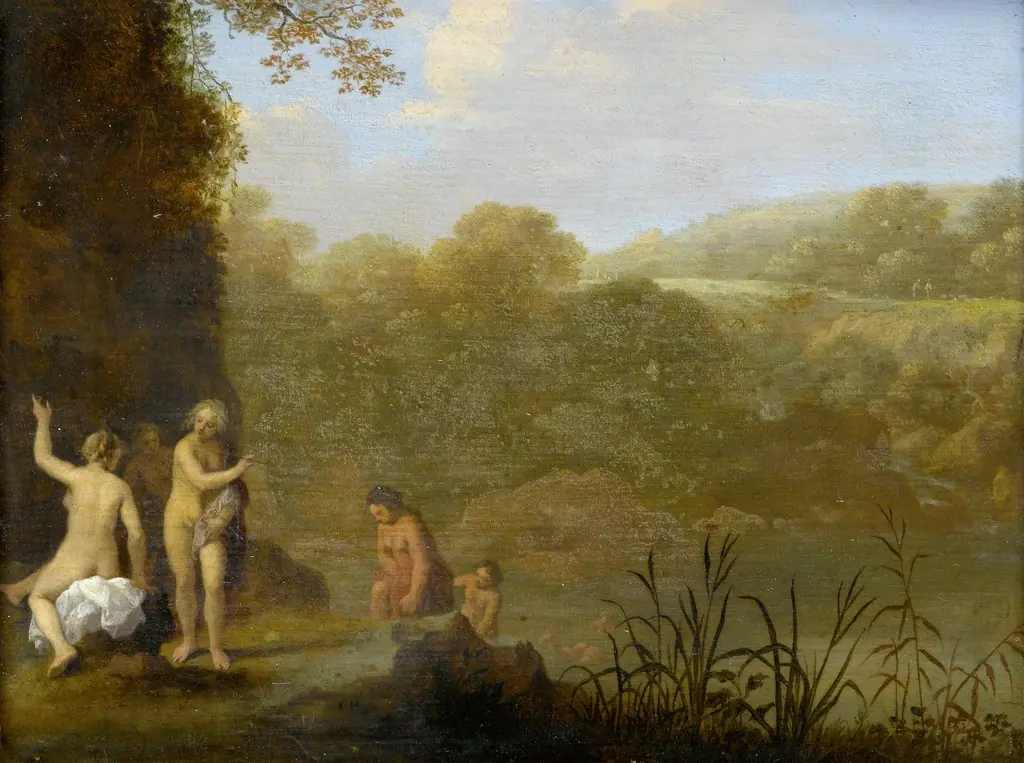
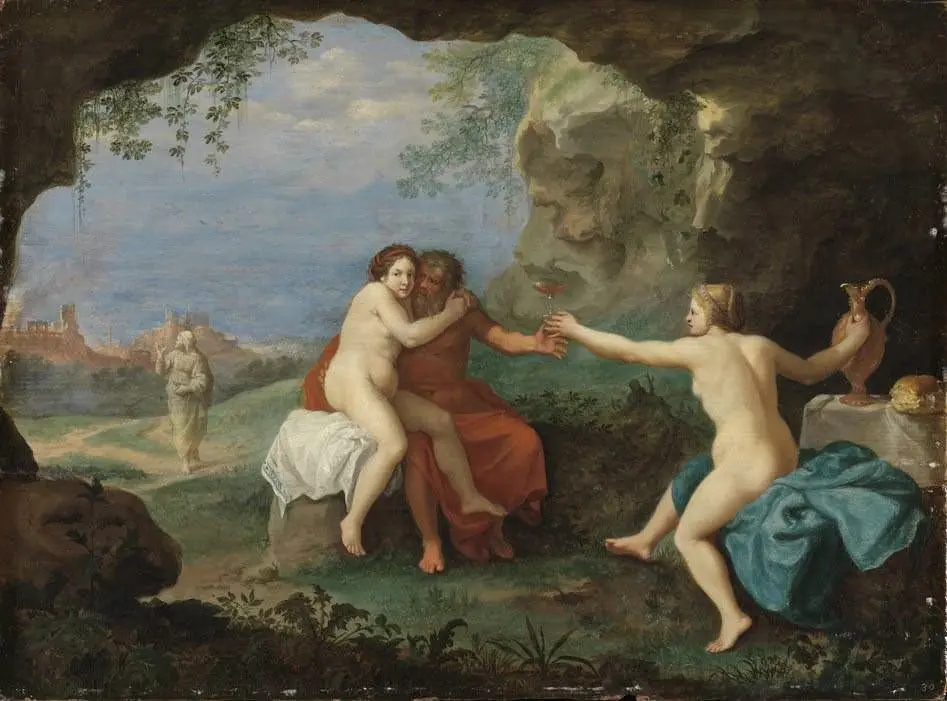
Cornelis van Poelenburgh or Cornelis van Poelenburch (1594 – 12 August 1667), was a Dutch landscape painter and draughtsman.



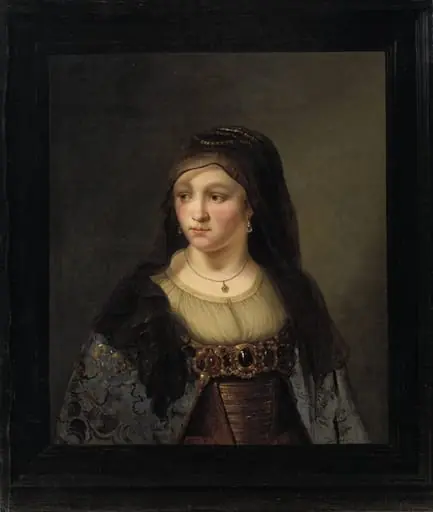 Portrait of a Lady in a Veil
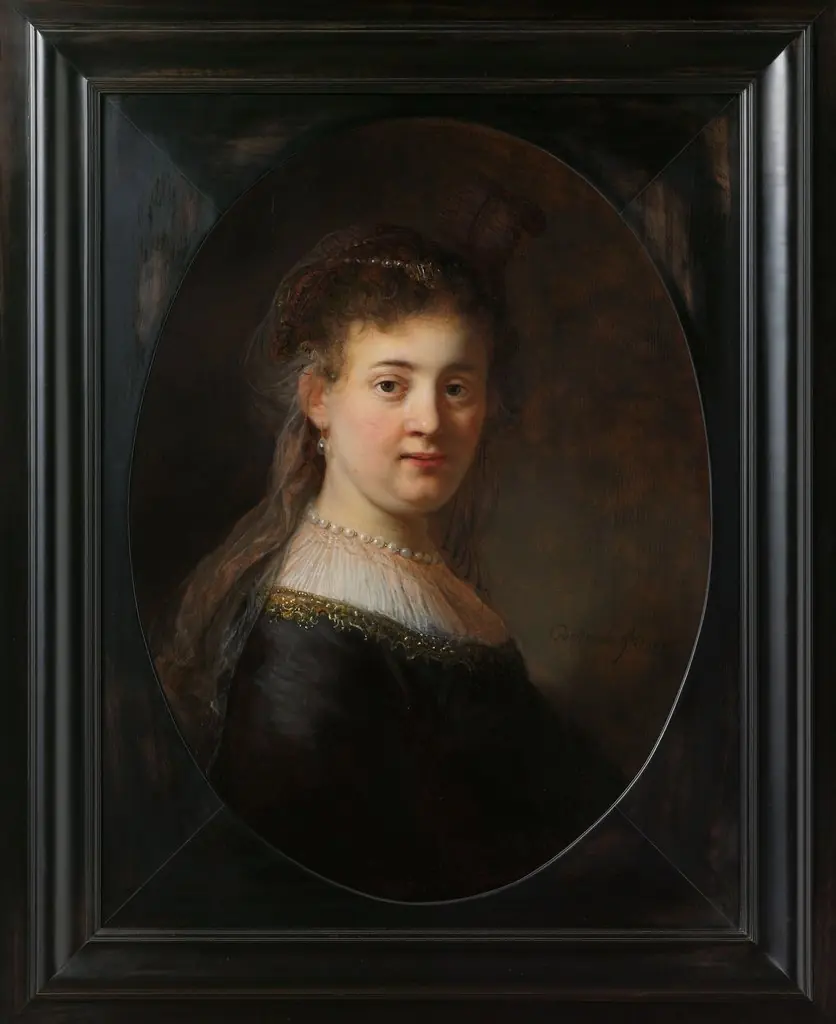 Young Woman in Fantasy Costume
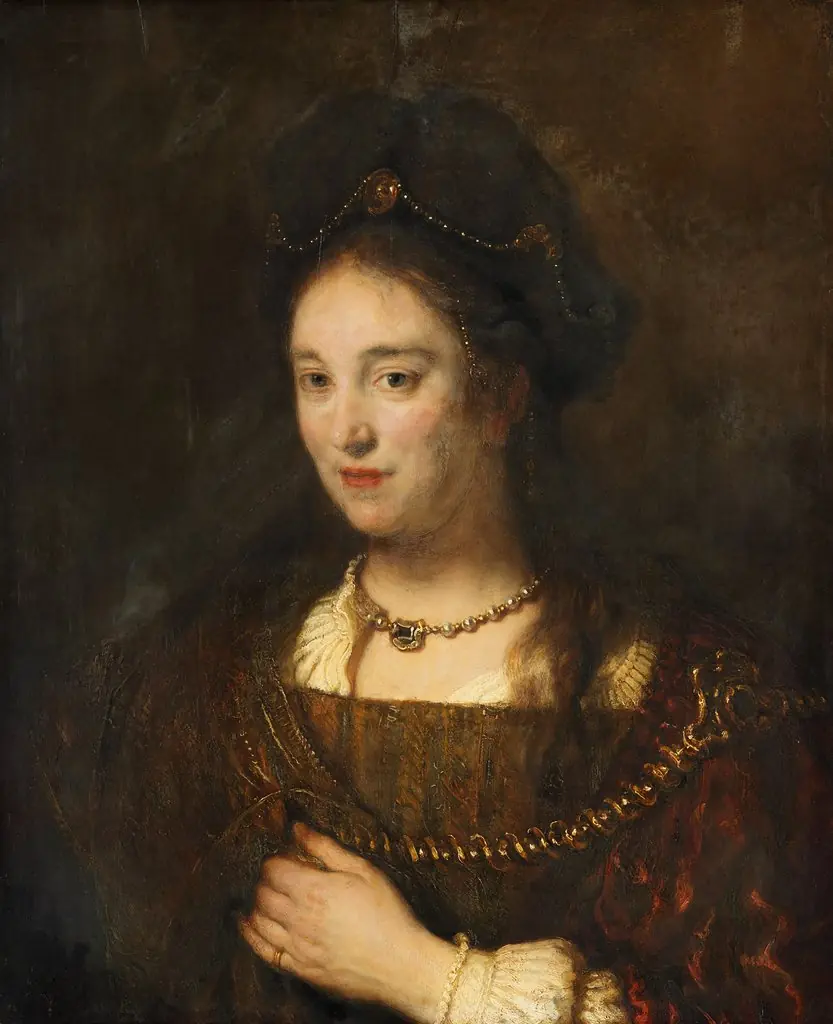 Half-figure of a woman with a beret
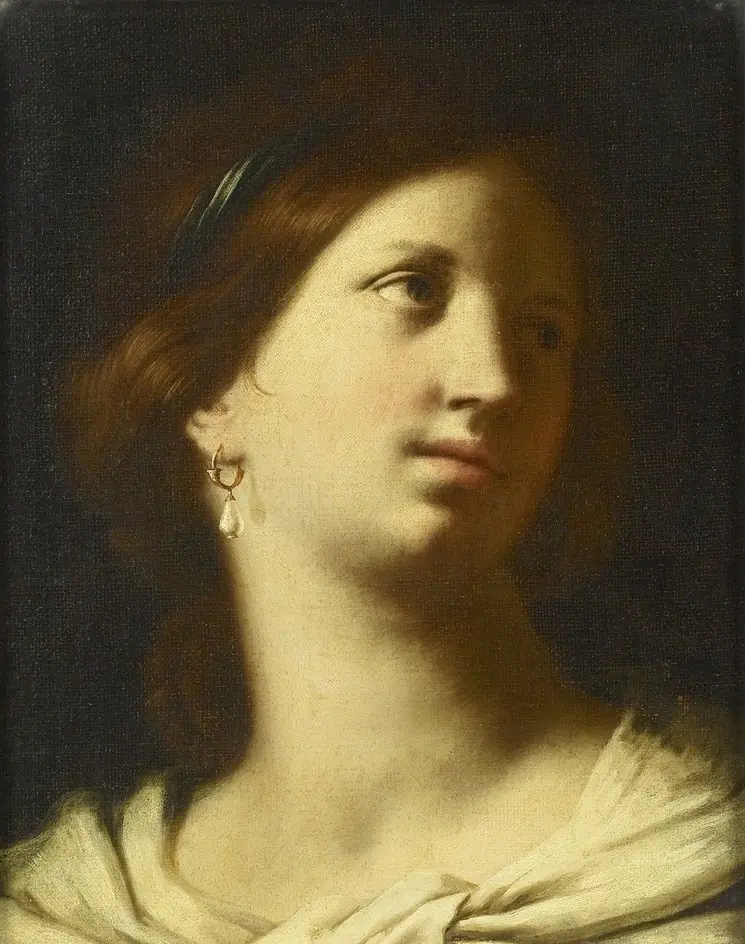 The Head of St Catherine
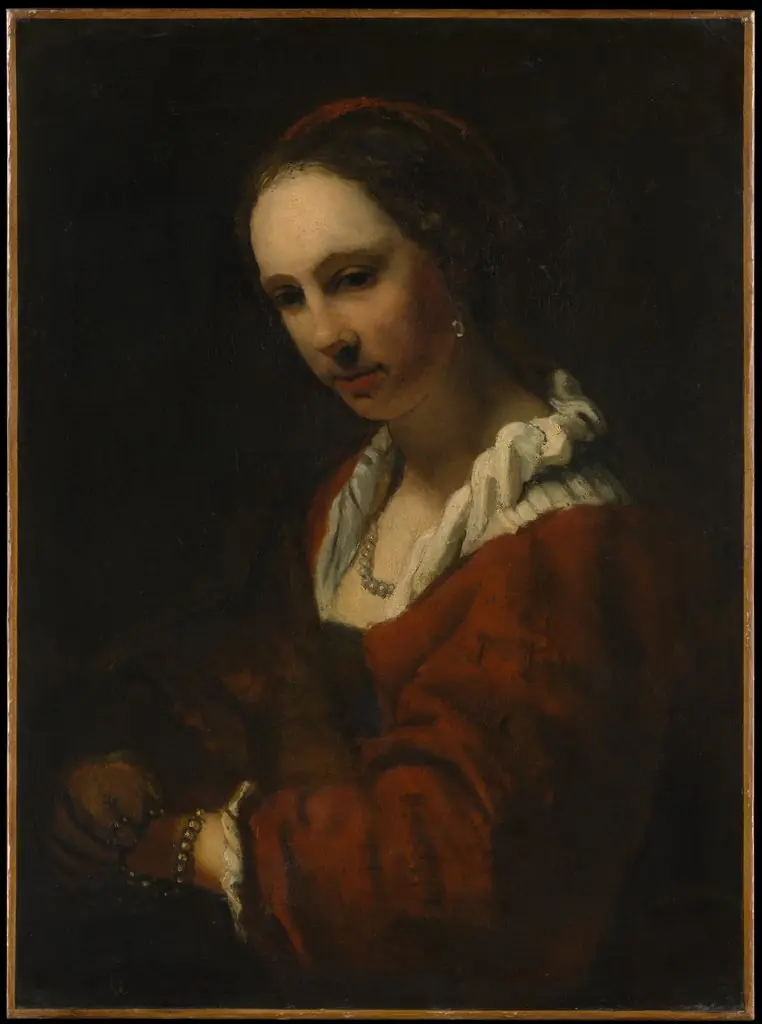 Young Woman with a Pearl Necklace
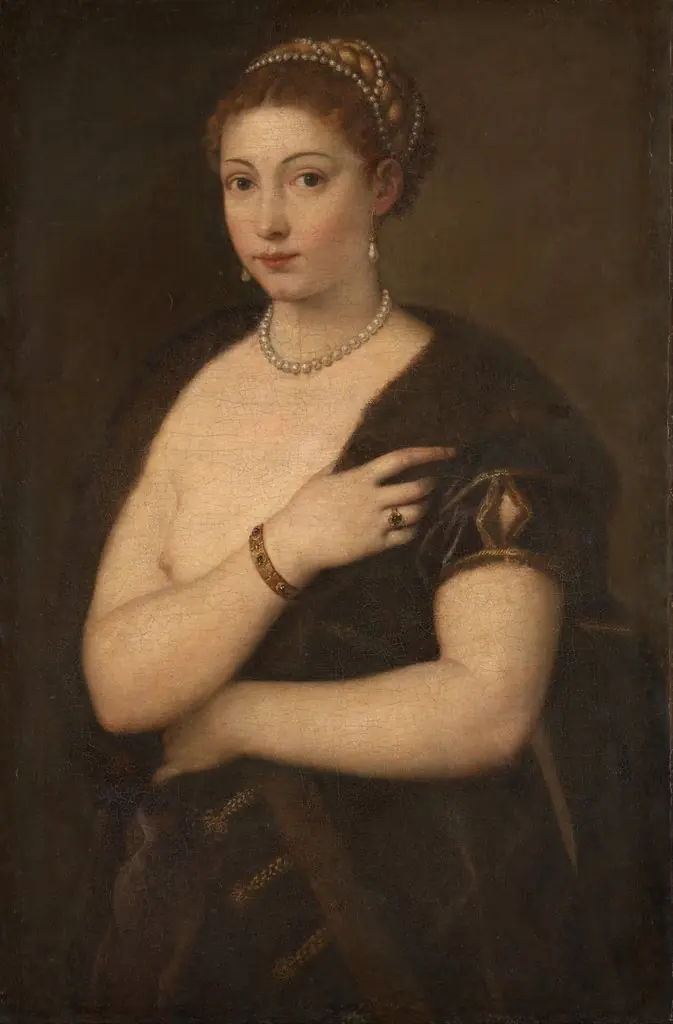 Girl in a Fur
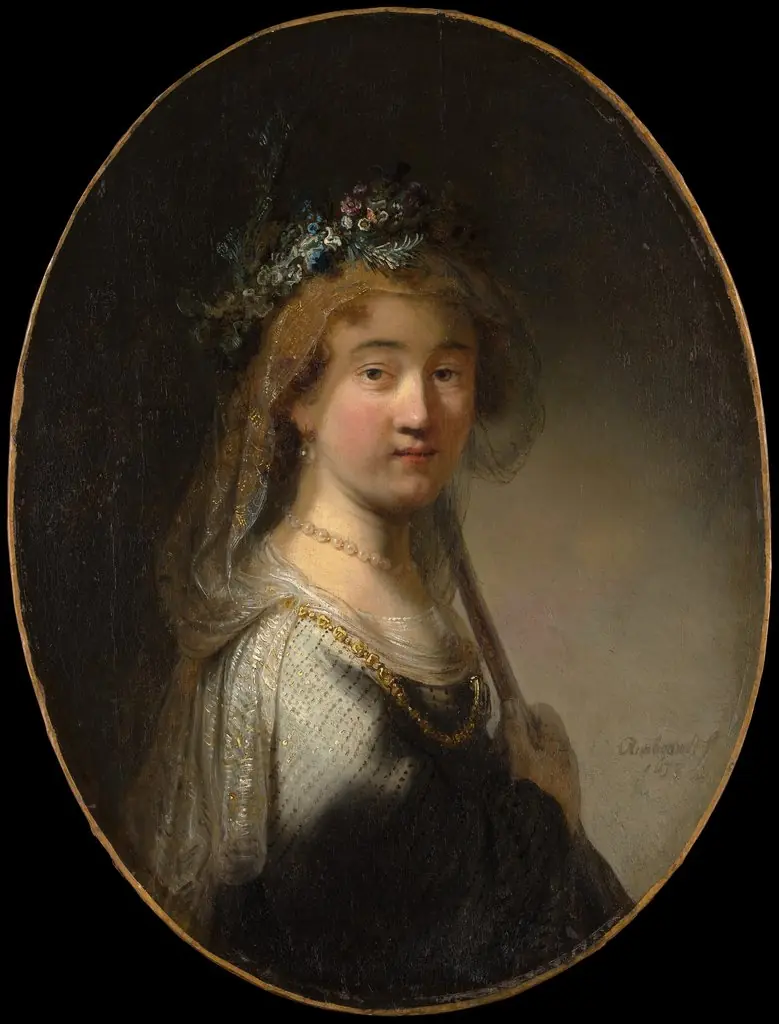 A Young Woman as a Shepherdess ("Saskia as Flora")
 Head of a Woman
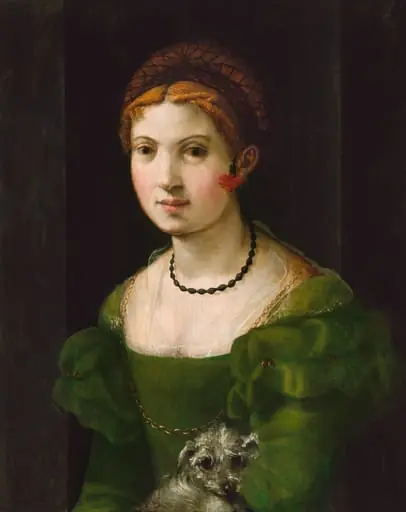 Portrait of a Young Woman
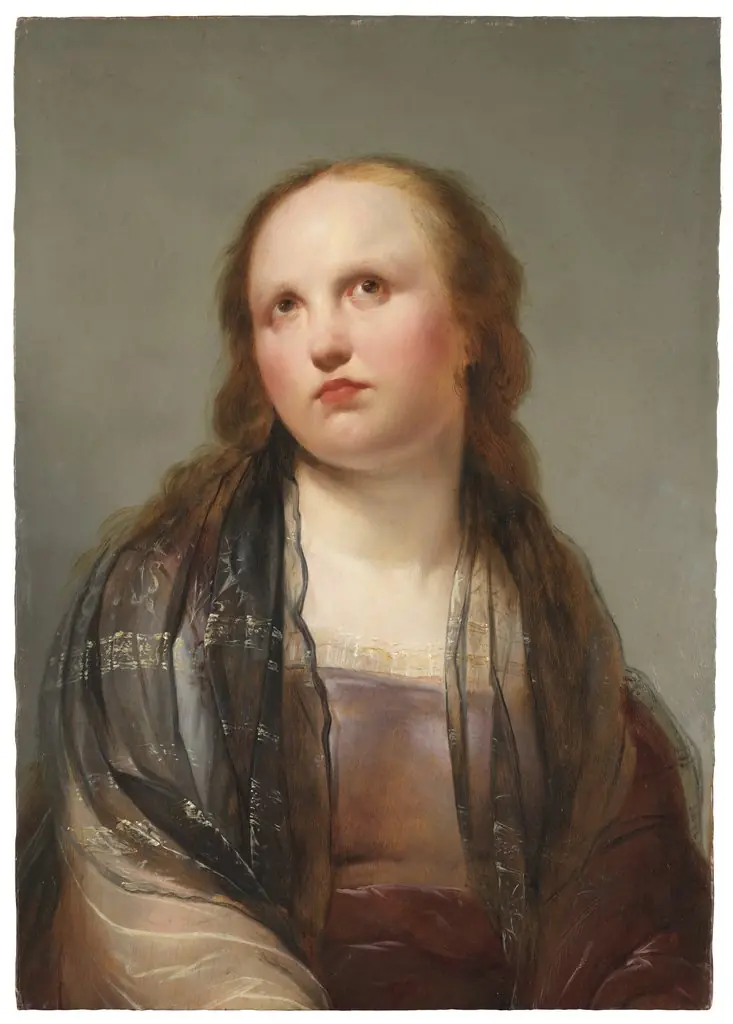 Porträtt av en ung kvinna
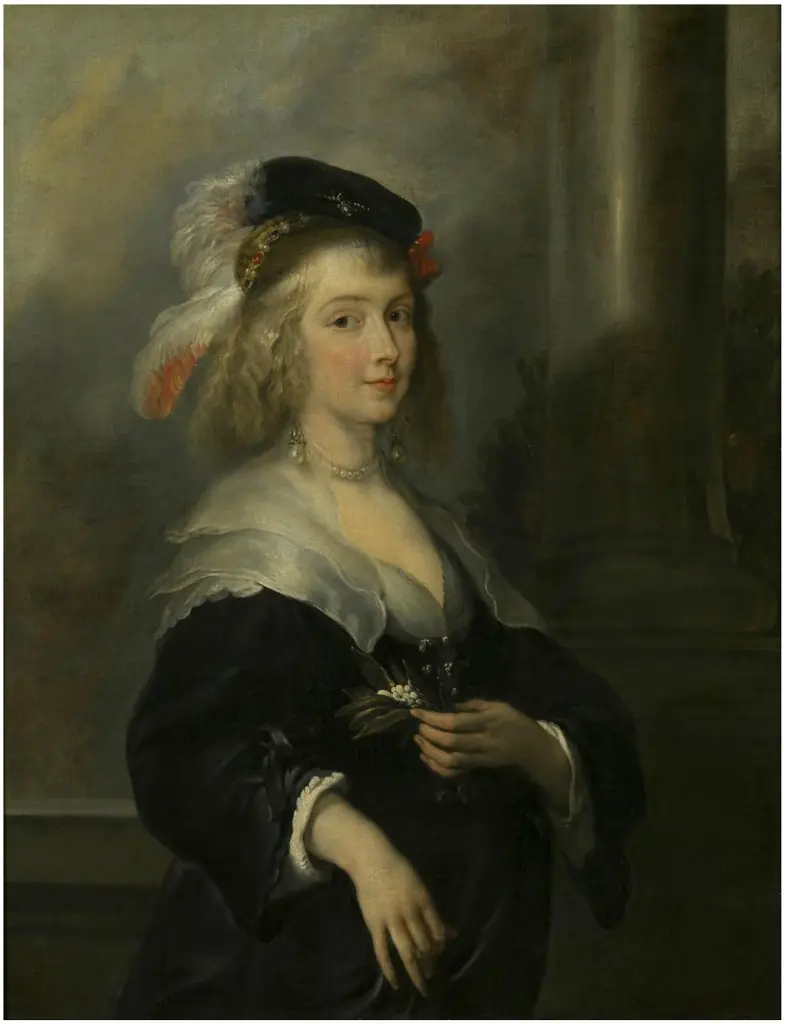 Helena Fourment
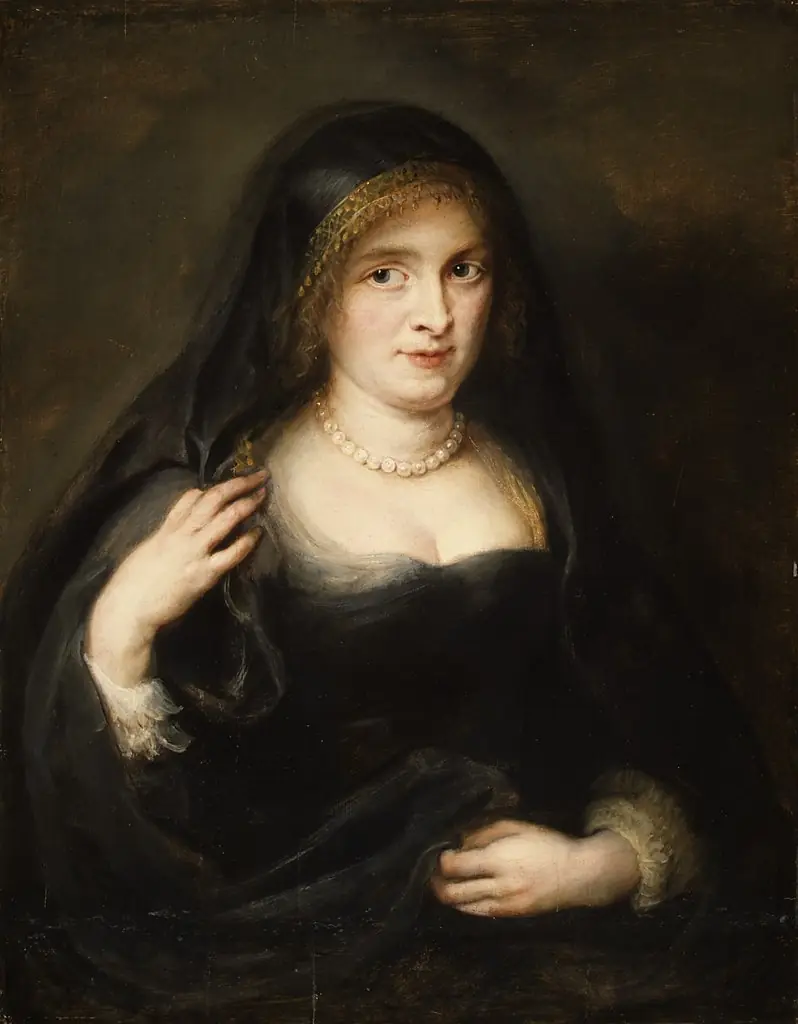 Portrait of a Woman, Probably Susanna Lunden