Artwork
James Duff of Corsindae (1678 - 1762)
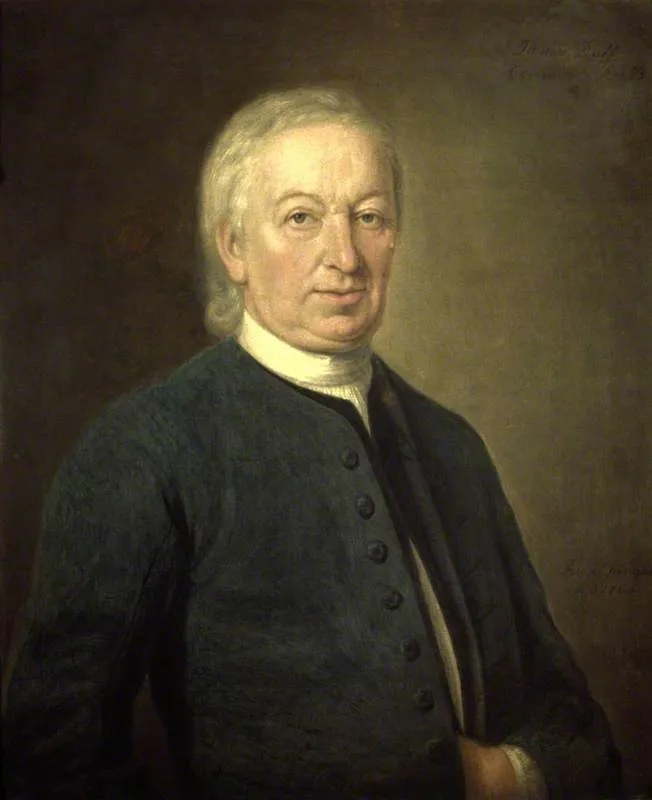
James Duff of Corsindae (1678 - 1762) is an oil painting by the Rococo painting artist Cosmo Alexander. It dates from 1760 and is held in the collection of the National Galleries Scotland.
About this work
The painting is a fine example of a portrait from the 18th century, and it would be interesting to explore more works by Cosmo Alexander.
The painting depicts a man with white hair, dressed in a dark jacket with buttons down the front, a white shirt, and a black vest. He is shown from the waist up, facing forward with his head turned slightly to the right. The background of the painting is a muted brown color.
The man's attire and hairstyle suggest that the painting was created in the 18th century. The artist's use of chiaroscuro, a technique that uses strong contrasts between light and dark to create a sense of volume and depth, adds depth and dimension to the portrait.
The painting is a fine example of a portrait from the 18th century, and it would be interesting to explore more works by Cosmo Alexander.
Overview
Painted in 1760 by Cosmo Alexander, this oil portrait captures James Duff of Corsindae, a Scottish landowner born in 1678. The work is part of the Scottish National Gallery’s collection and reflects the conventions of mid-18th-century portraiture. Duff is depicted in formal attire, rendered with careful attention to texture and posture, suggesting his social standing without overt symbolism.
Subject & Meaning
James Duff, aged approximately 82 at the time of painting, is portrayed with quiet dignity. His white hair and composed expression convey age and experience, while his clothing—dark jacket, white shirt, and black vest—signals his status as a member of the landed gentry. The direct gaze and slight turn of the head suggest a restrained presence, typical of portraits meant to affirm identity rather than dramatize character.
Technique & Style
Alexander employs chiaroscuro to model the sitter’s form, using subtle gradations of light and shadow to define the contours of the face and torso. The muted brown background isolates the figure, focusing attention on his attire and expression. Brushwork is precise but not overly refined, balancing realism with the restrained elegance characteristic of Scottish portraiture of the period.
History & Provenance
The painting entered the Scottish National Gallery’s collection in the 19th century, though its earlier ownership history is not fully documented. It likely remained in the Duff family until its acquisition by the gallery. No significant alterations or restorations are recorded, preserving its original surface and tonal harmony.
Context
Created during the height of the Scottish Enlightenment, the portrait reflects a cultural moment where personal identity and social rank were visually codified. Alexander, a Scottish artist trained in Italy, brought continental techniques to domestic portraiture. This work aligns with contemporaneous efforts to portray Scottish elites with gravitas, distinct from the flamboyance of English aristocratic portraits.
Legacy
Though not widely reproduced, the portrait stands as a representative example of Alexander’s mature style and the quiet realism favored in provincial Scottish portraiture. It contributes to the understanding of how regional artists interpreted identity and status in the 18th century, offering insight into the visual culture of Scotland’s landed class beyond the major urban centers.
Artist & collection

Artist
Cosmo Alexander was a Scottish portrait painter. A supporter of James Edward Stuart's claim to the English and Scottish thrones, Alexander spent much of his life overseas following the defeat of the Jacobite cause in 1746.

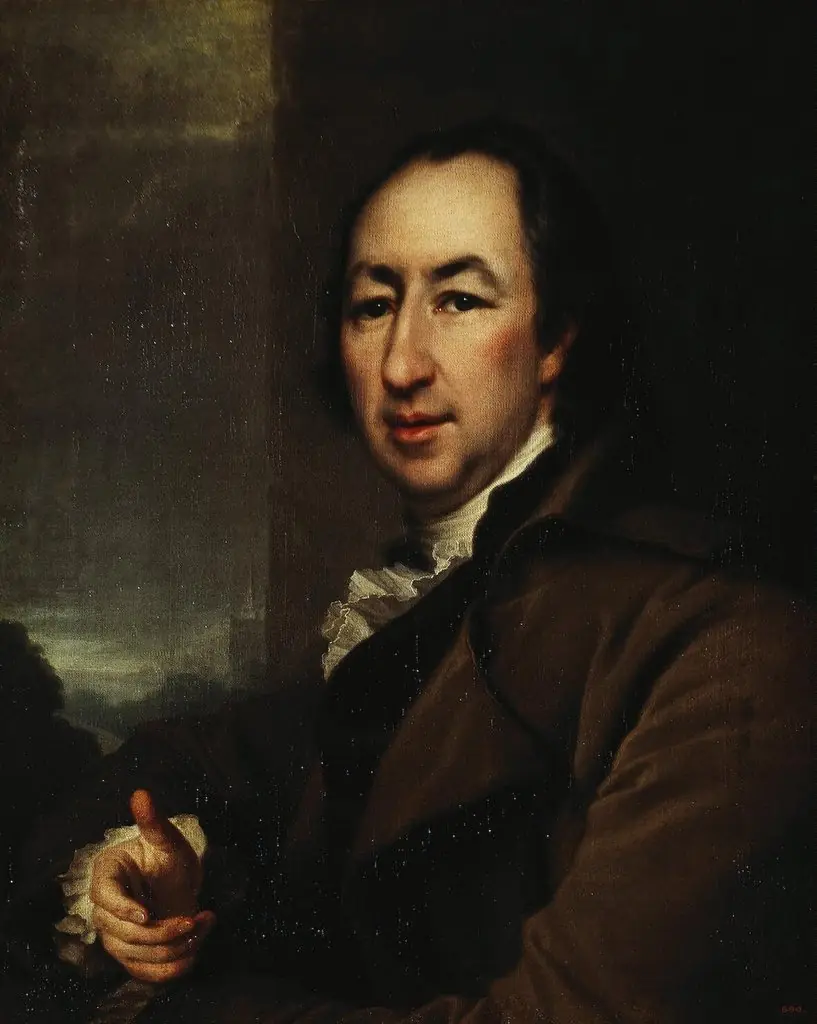 Portrait of Nikolai Novicov
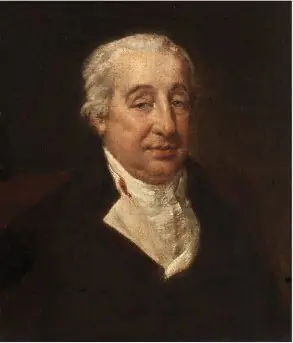 Portrait of the Rt Hon. David La Touche of Marlay (1729-1817)
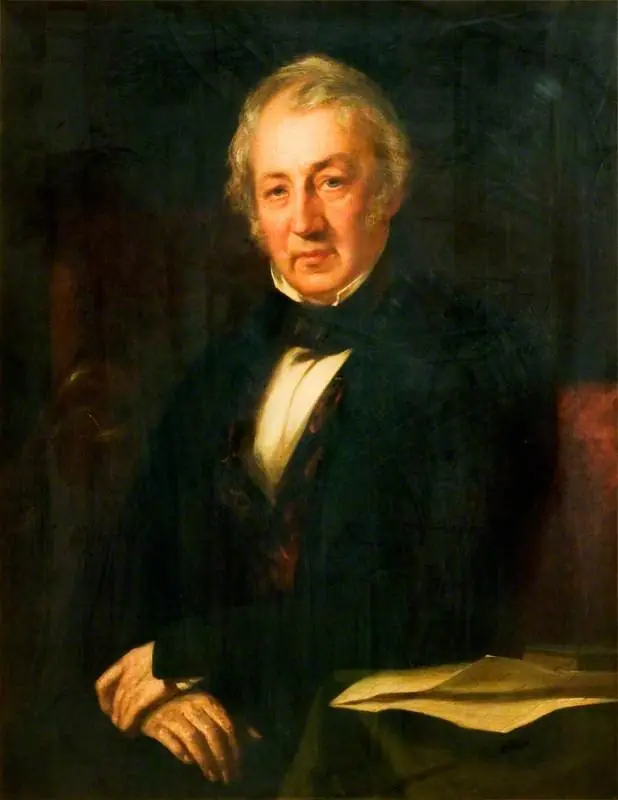 Andrew Ure (1778–1857), MD, FRS
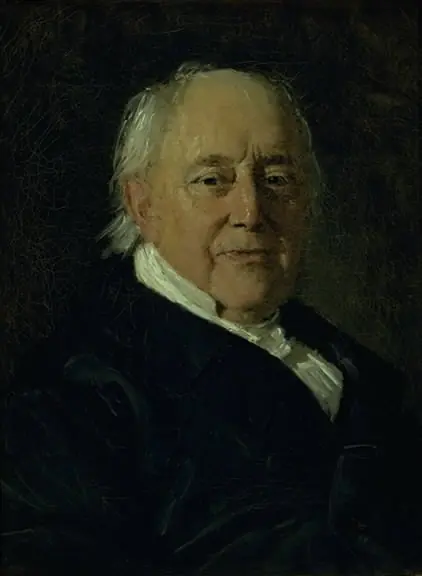 Professor of Divinity Andreas Christian Krog
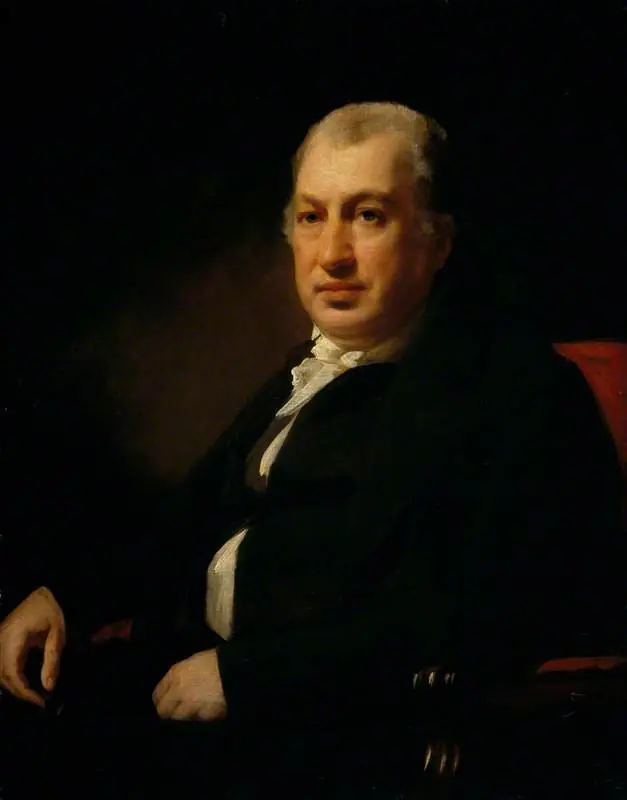 George Kinnear (1751 - 1823)
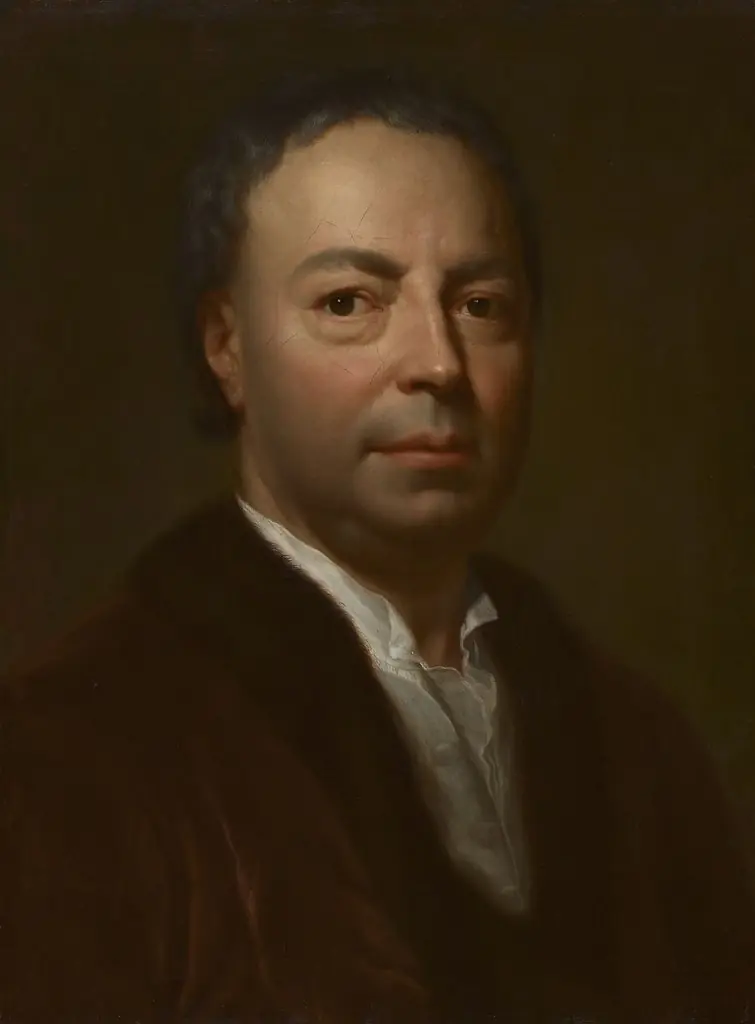 Portrait of the Artist's Father, Ismael Mengs
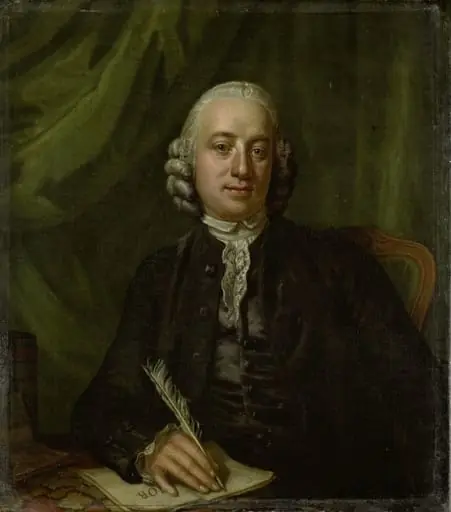 Untitled
 Portrait of Richard Lovell Edgeworth (1744-1817)
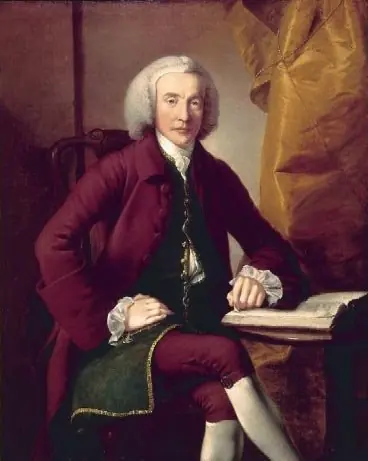 Thomas Borrow (1709–1786)
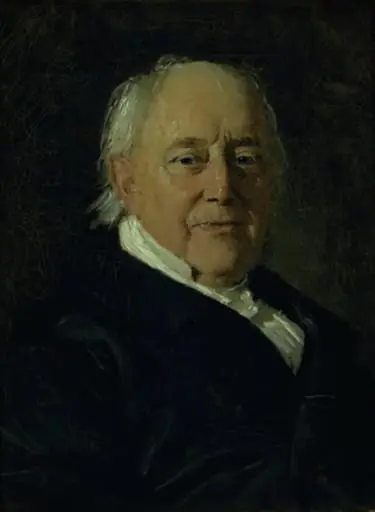 Professor of Divinity Andreas Christian Krog
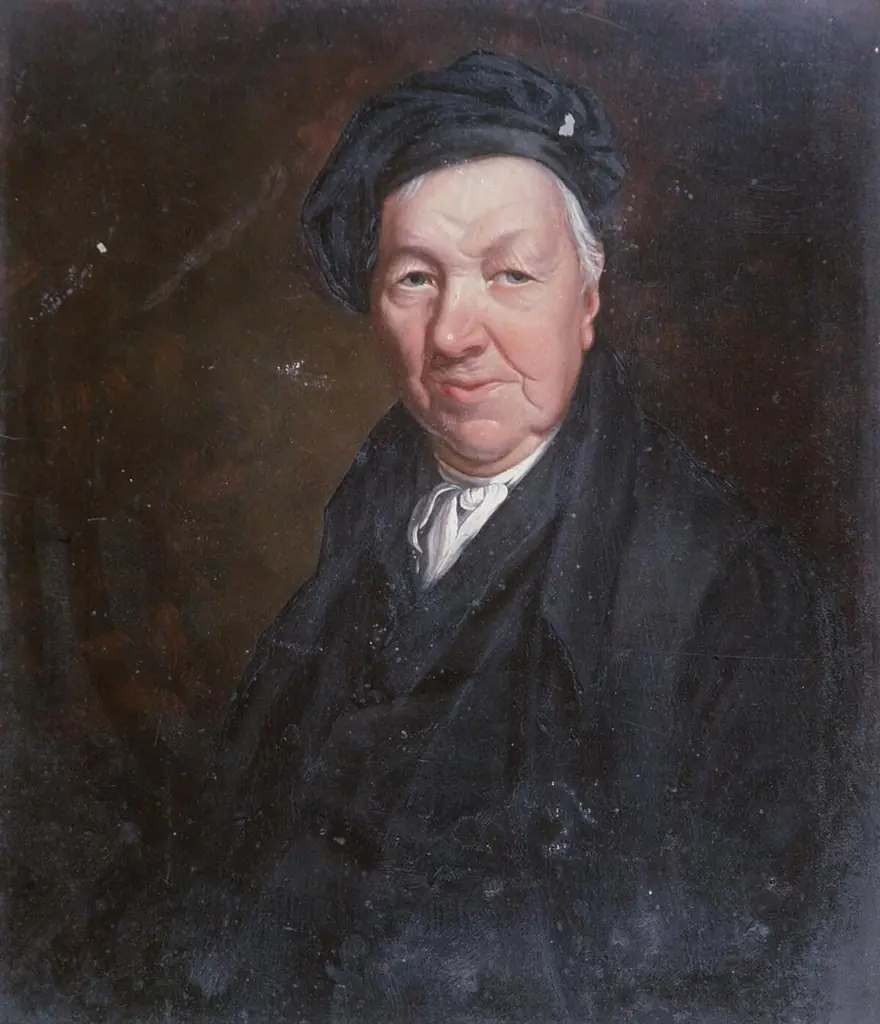 Revd. William Morris