Artwork
Print Collection
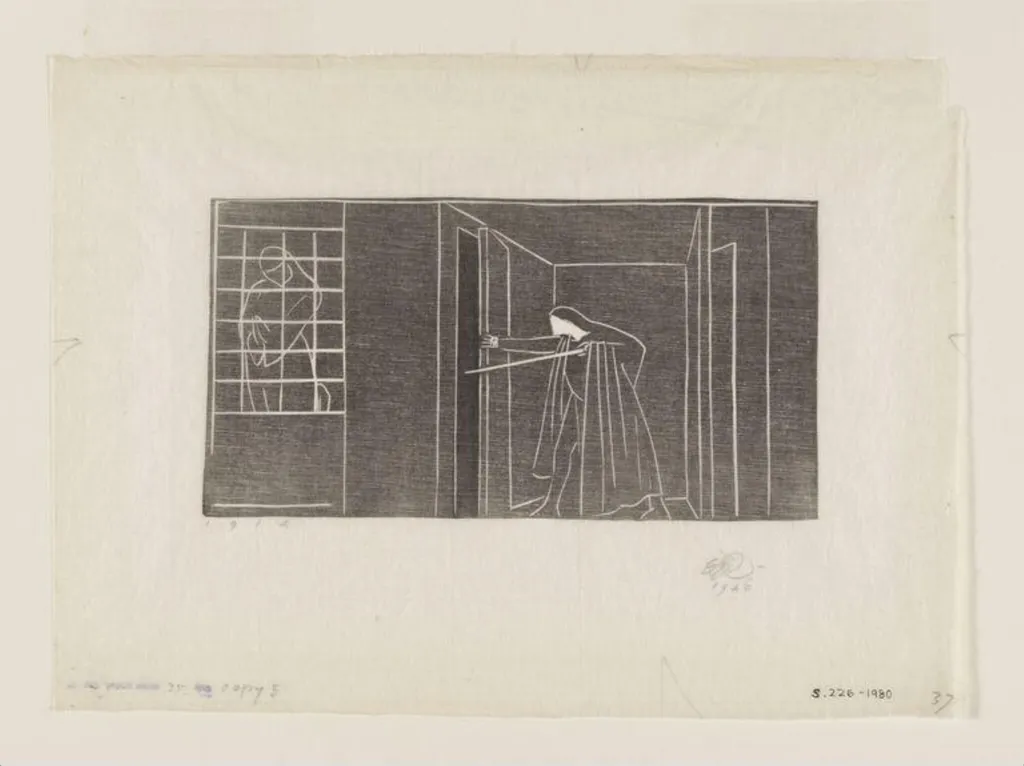
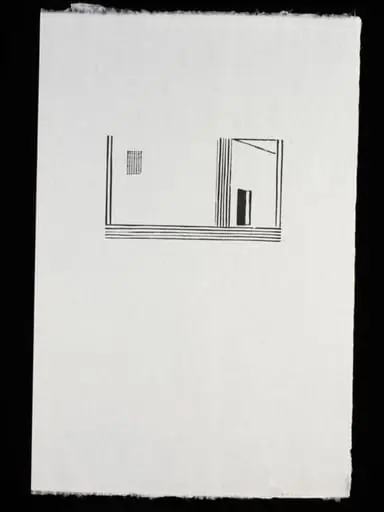
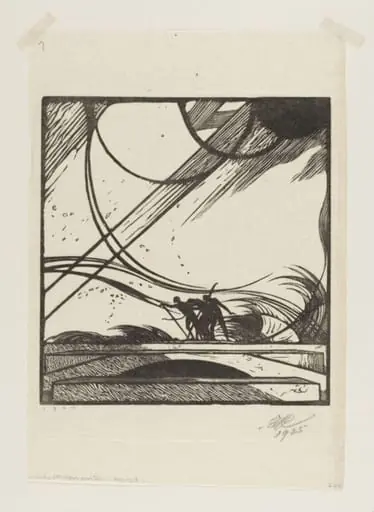
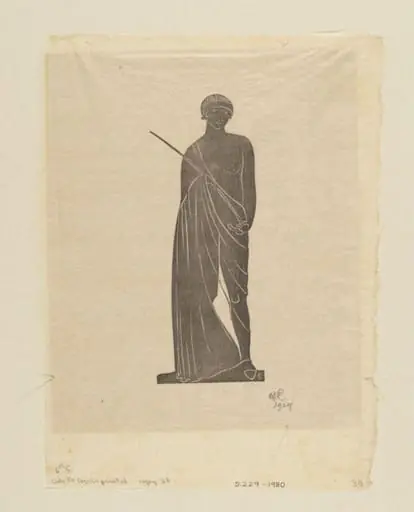
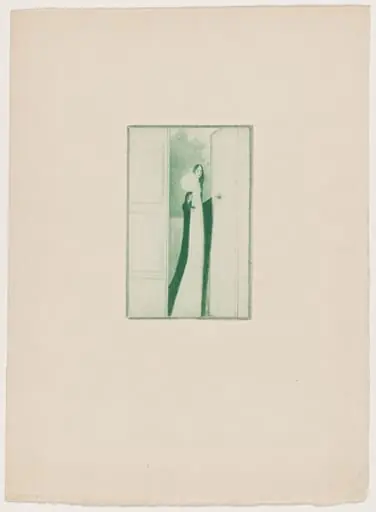
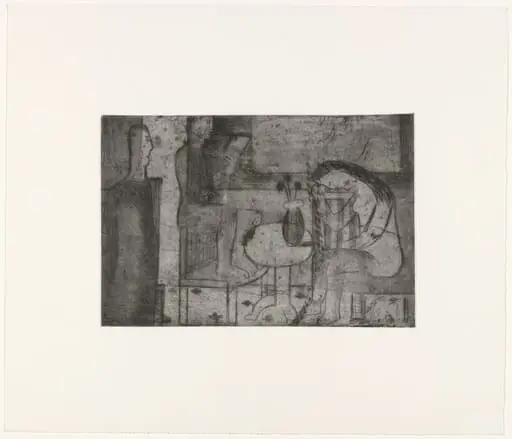
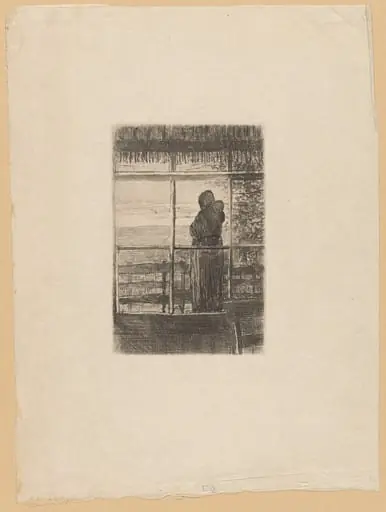
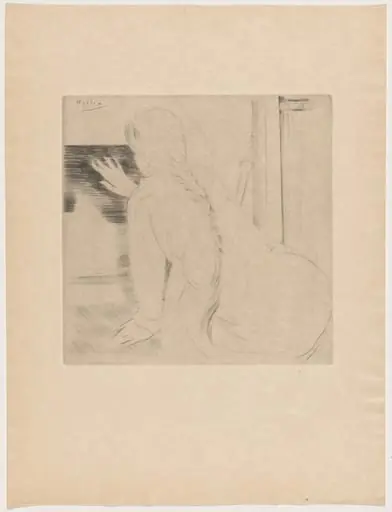
Print Collection is a print by Edward Gordon Craig. It dates from 1927 and is held in the collection of the Victoria and Albert Museum.
About this work
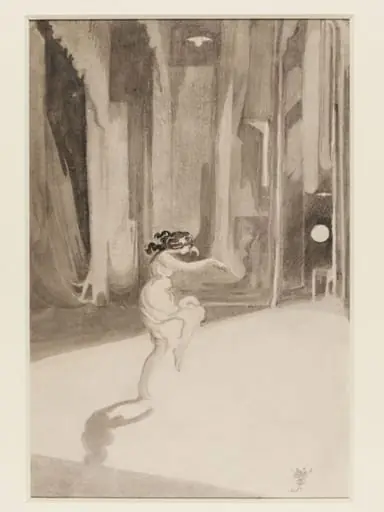
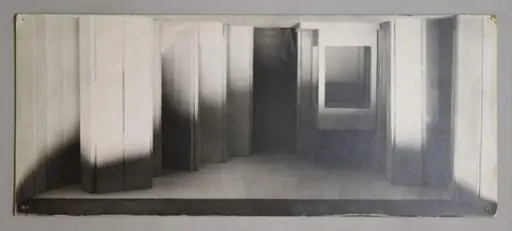
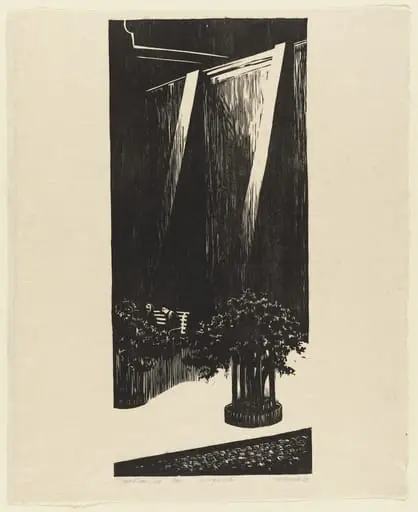
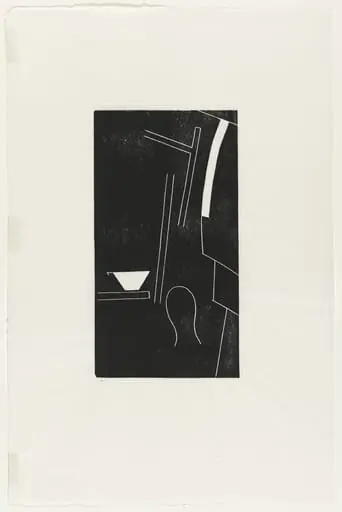
This print shows a quiet room, maybe from a play. Edward Gordon Craig made it in 1927 for a German arts press edition of Hamlet.
Craig started as an actor but switched to wood engravings. He loved the “white line” method, where the cut lines stay blank while ink fills the rest.
Look up Craig’s Hamlet prints at the Victoria and Albert Museum.
Overview
By 1899, he had produced nearly 200 woodcuts, pioneering the 'white line' technique, in which uninked recessed lines form the image against a dark field.
Edward Gordon Craig, originally trained as an actor, transitioned from the stage to printmaking in the 1890s after encountering wood engraving through artists James Pryde and William Nicholson. By 1899, he had produced nearly 200 woodcuts, pioneering the 'white line' technique, in which uninked recessed lines form the image against a dark field. This print, created in 1927, was part of a series developed over seventeen years for a German edition of Hamlet, reflecting his enduring engagement with Shakespearean drama through visual form.
Subject & Meaning
The print depicts a sparse, atmospheric interior, likely evoking a scene from Hamlet’s court. Without literal narrative detail, Craig uses tone and form to suggest psychological tension and isolation. The quiet room, rendered in stark contrasts, mirrors the play’s themes of uncertainty and inner turmoil. The absence of figures emphasizes mood over action, aligning with Craig’s broader theatrical philosophy that prioritized symbolic space over realism.
Technique & Style
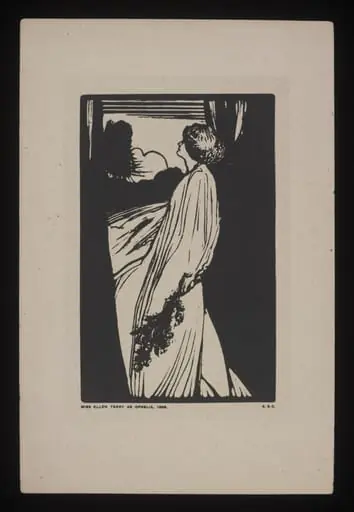
Craig employed the 'white line' wood engraving method, carving away the surface so that lines remain uninked, allowing the paper to form the image against a dense black background. This technique, rare in its precision, demanded exceptional control and resulted in high-contrast, linear compositions. His style is minimalist and rhythmic, favoring clean contours and tonal depth over texture or shading, reflecting his interest in abstraction and emotional resonance over naturalism.
History & Provenance
Created in 1927, this engraving was produced for the 1928 Cranach Press edition of Hamlet, published by Count Harry Kessler in Weimar. The edition featured Gerhart Hauptman’s German translation of Shakespeare’s second quarto, with typography by Edward Johnston. An English version followed in 1930. Craig’s illustrations were developed over nearly two decades, originating from his 1912 staging of Hamlet at the Moscow Art Theatre, though the production itself was never realized in full.
Context
Craig’s shift from acting to design coincided with broader early 20th-century rejections of theatrical realism. Influenced by Symbolism and emerging modernist aesthetics, he sought to replace detailed sets with abstract, light-driven environments. His prints functioned as both preparatory studies and independent works, embodying his belief that stage design should evoke inner states rather than replicate physical spaces. The Cranach Press edition placed his visual language within a broader European avant-garde publishing movement.
Legacy
Though Craig’s theatrical projects often remained unrealized, his printed work endured as a significant contribution to modern graphic art. His white line engravings influenced later illustrators and designers interested in abstraction and economy of form. The Hamlet series, preserved in institutions like the Victoria and Albert Museum, remains a key reference for understanding the intersection of printmaking and modernist stage theory in early 20th-century Europe.
Artist & collection

Artist
Edward Henry Gordon Craig, was an English modernist theatre practitioner; Part of the Terry family and son of the actress Ellen Terry, he worked as an actor in his youth before becoming a director and scenic designer,…