Artwork
Constanța Demetriade în Doamna Clara din „Vlaicu Vodă” de Alexandru Davila
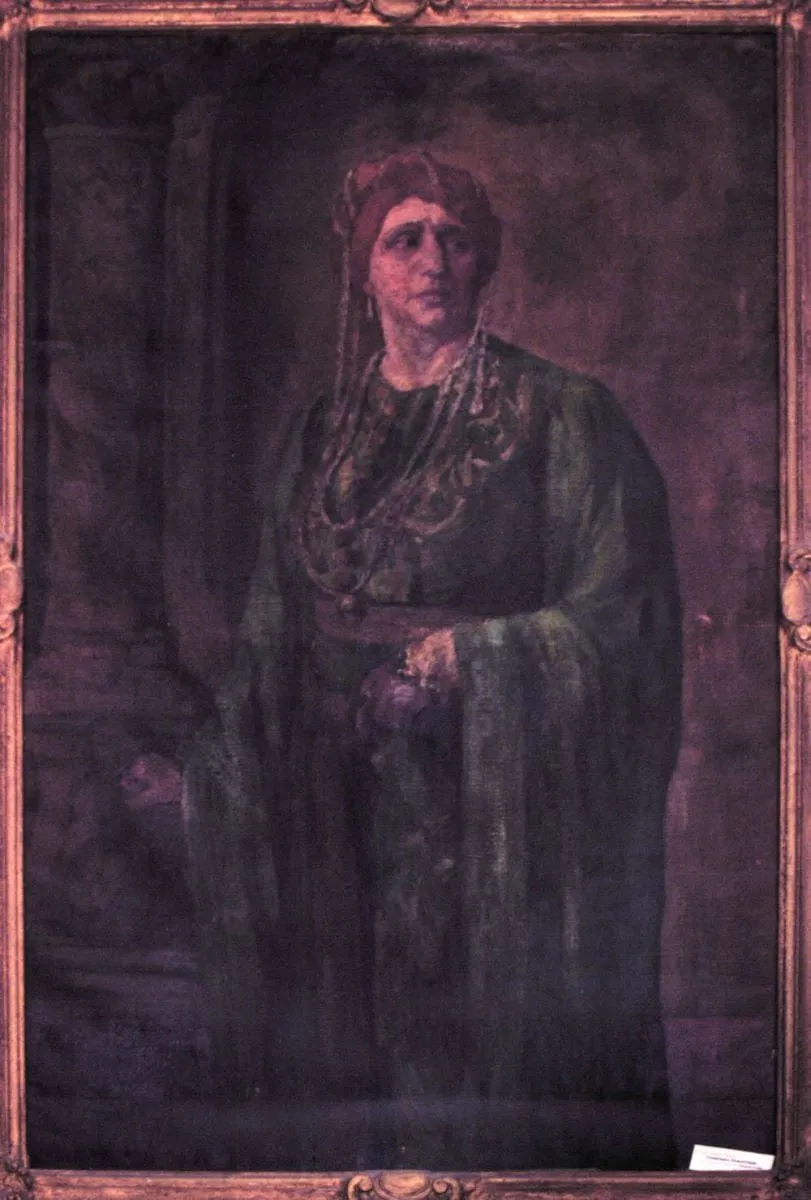
Constanța Demetriade în Doamna Clara din „Vlaicu Vodă” de Alexandru Davila is an unspecified painting by the Realist artist Cecilia Cuțescu-Storck. It dates from 1929 and is held in the collection of the "I.L. Caragiale" National Theater - Museum of the National Theater Bucharest.
About this work
Overview
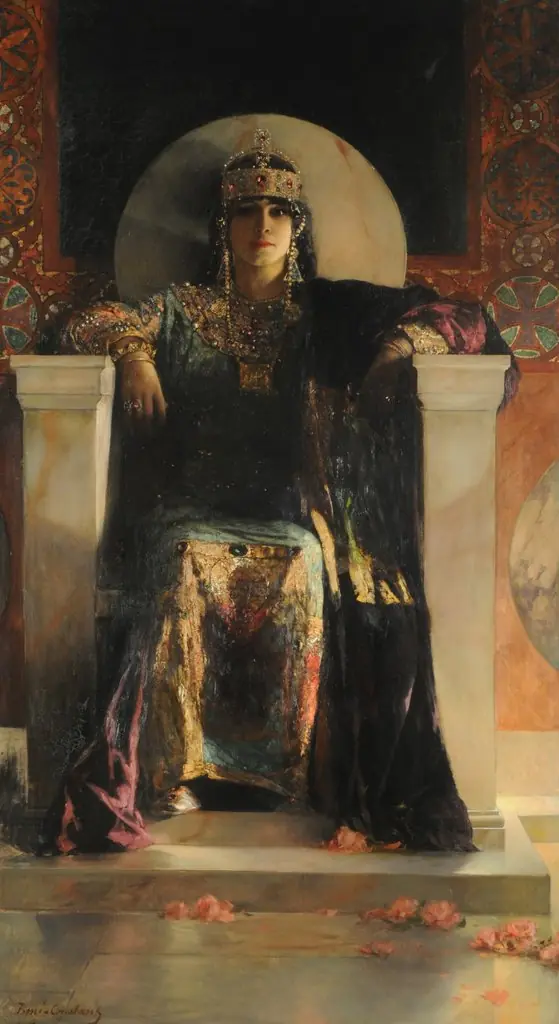
Painted around 1929 by Cecilia Cuțescu-Storck, this portrait depicts Constanța Demetriade in the role of Doamna Clara from Alexandru Davila’s play 'Vlaicu Vodă.
Painted around 1929 by Cecilia Cuțescu-Storck, this portrait depicts Constanța Demetriade in the role of Doamna Clara from Alexandru Davila’s play 'Vlaicu Vodă.' The work is part of the collection at the Museum of Ethnography. It captures a moment of quiet intensity, focusing on the actress’s presence rather than a narrative scene. The composition is intimate, with minimal background detail drawing attention to the figure.
Subject & Meaning
The subject is Constanța Demetriade, a noted Romanian actress, portrayed in character as Doamna Clara, a noblewoman from Davila’s historical drama. The painting does not illustrate a specific scene but evokes the dignity and gravity associated with the role. Her poised stance and the object held in her hands suggest contemplation or ritual, reinforcing the character’s aristocratic bearing and emotional depth.
Technique & Style
Cuțescu-Storck employs loose, expressive brushwork that lends a tactile, almost unfinished quality to the surface. The dark background enhances the figure’s presence through contrast, while the green of the dress and the purple tones of the shawl create subtle chromatic tension. Light falls unevenly, emphasizing texture in fabric and hair without idealizing form. The handling reflects early 20th-century tendencies toward emotional realism over academic precision.
History & Provenance
The painting was created during a period when Cuțescu-Storck frequently portrayed cultural figures from Romania’s theatrical and literary circles. It entered the Museum of Ethnography’s collection in the mid-20th century, likely through donation or institutional acquisition. Its preservation reflects an interest in documenting the intersection of performance and visual art in interwar Romanian culture.
Context
In the 1920s and 1930s, Romanian artists increasingly turned to theater as a source of national identity. Portraits of actors in character were not mere likenesses but cultural statements. Cuțescu-Storck’s depiction aligns with this trend, honoring Demetriade’s contribution to Romanian drama while situating her within a broader movement to elevate indigenous artistic expression.
Legacy
The portrait remains a significant record of a prominent actress and the artistic engagement with theater during Romania’s interwar years. It illustrates how visual artists contributed to the cultural memory of performance, preserving the physicality and presence of figures who shaped national stages. Its placement in an ethnographic museum underscores its role as a document of social and artistic life.
Artist & collection

Artist
Cecilia Cuțescu-Storck was a Romanian painter with a strong influence on cultural life in the interwar period.
Museum
"I.L. Caragiale" National Theater - Museum of the National Theater Bucharest
Continue through works from the same source collection.
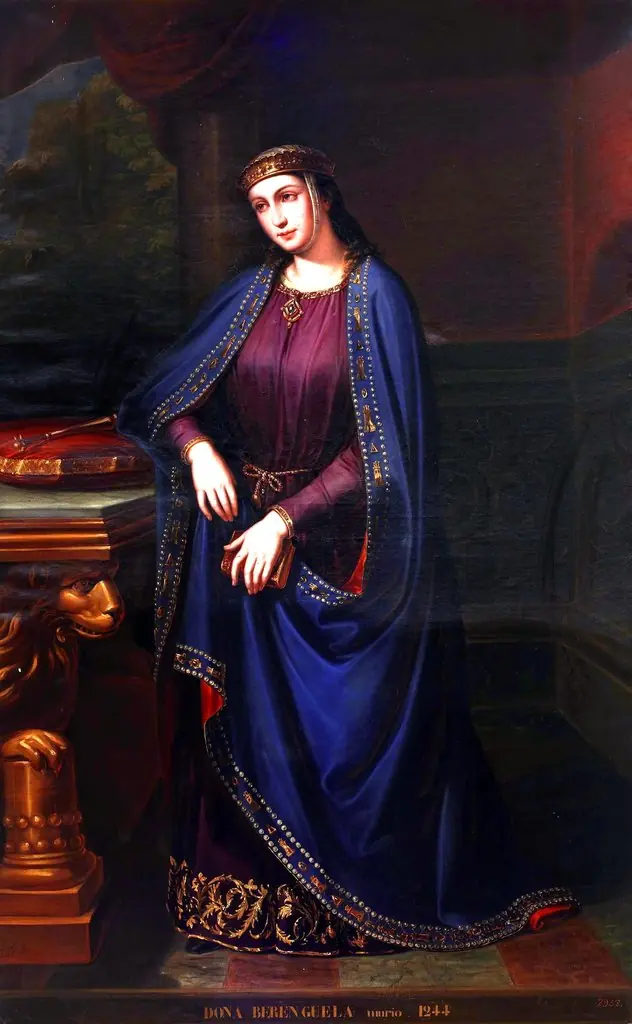 Berenguela reina de León y Castilla
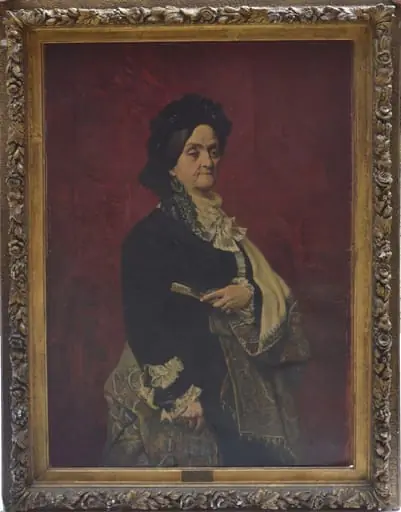 Portret (de) femeie
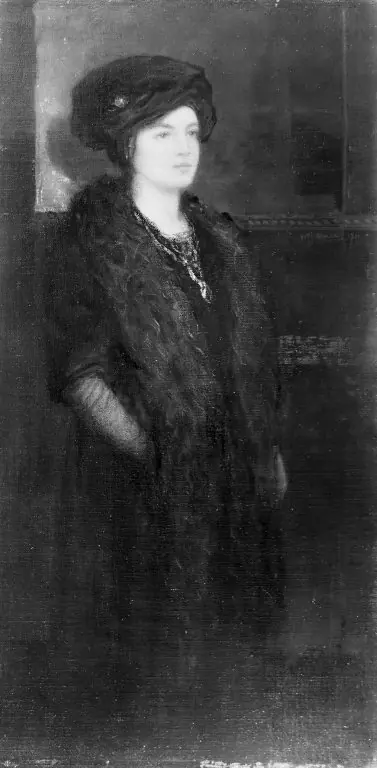 Portrait of a Woman in Black
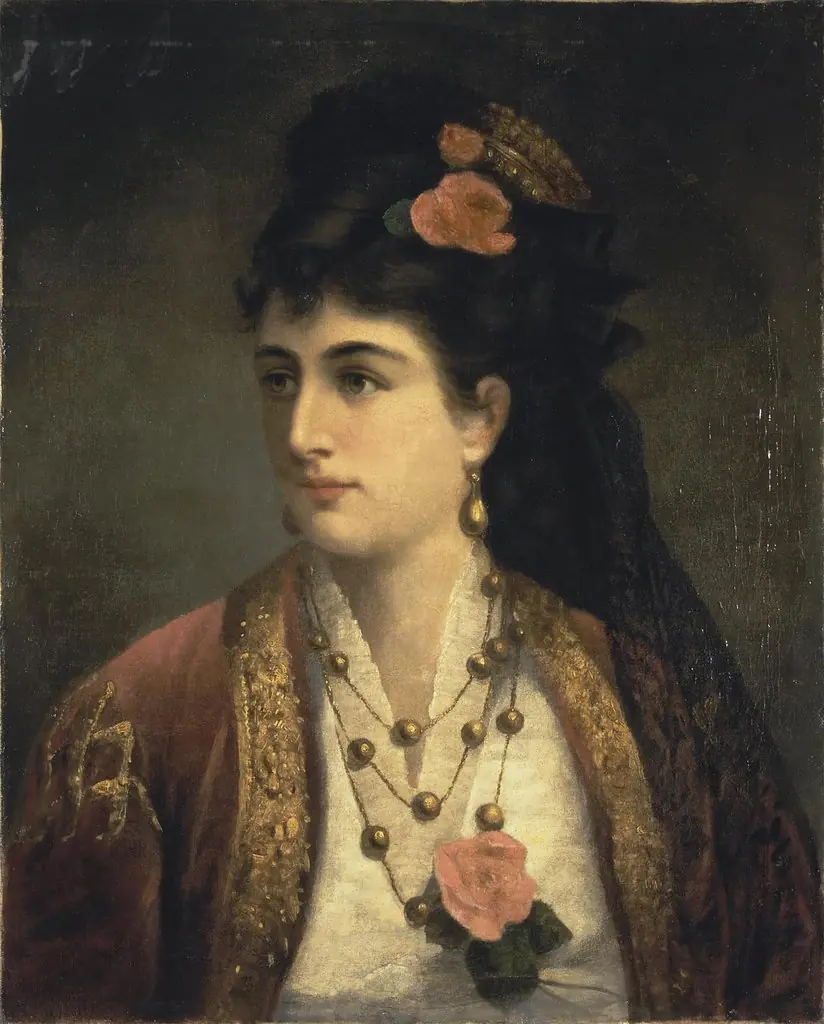 Portrait of Natalia Obrenovich, Queen of Serbia
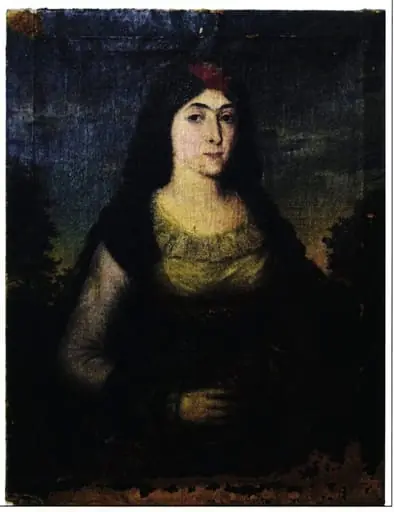 Maria Cantacuzino
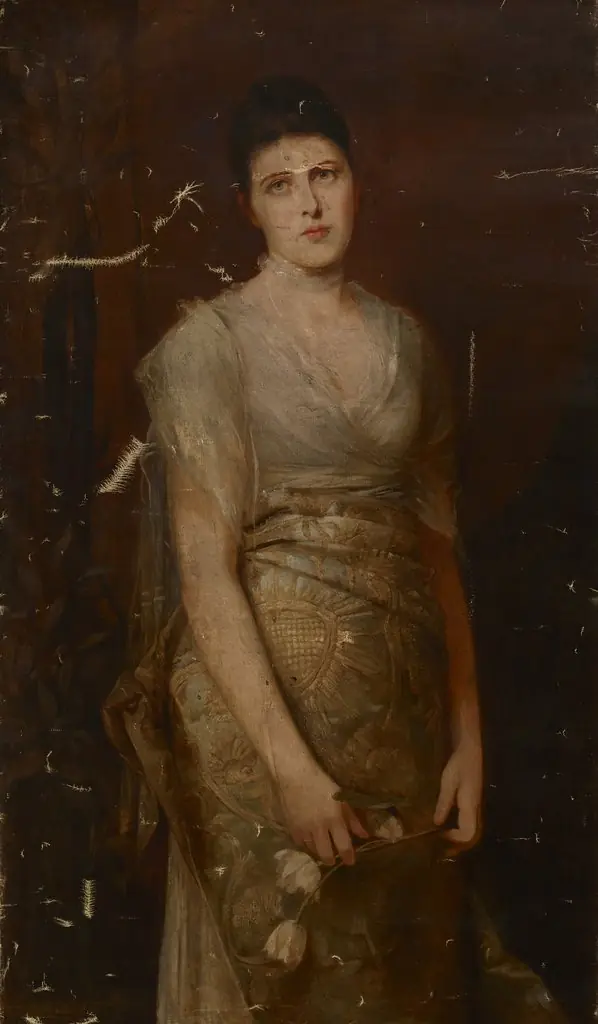 Portrait of Alicja Worms
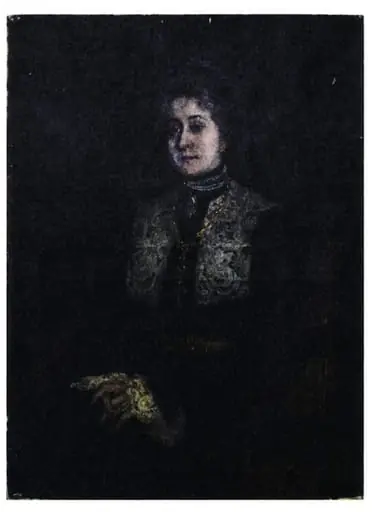 Portret de femeie
 Walter Johnstone Douglas as Eocaidh in 'The Immortal Hour'
 Портрет М.А. Венециановой в русском наряде
 Sigerico
 H Beard Print Collection
 Empress Theodora