Artwork
Christ before Pilate
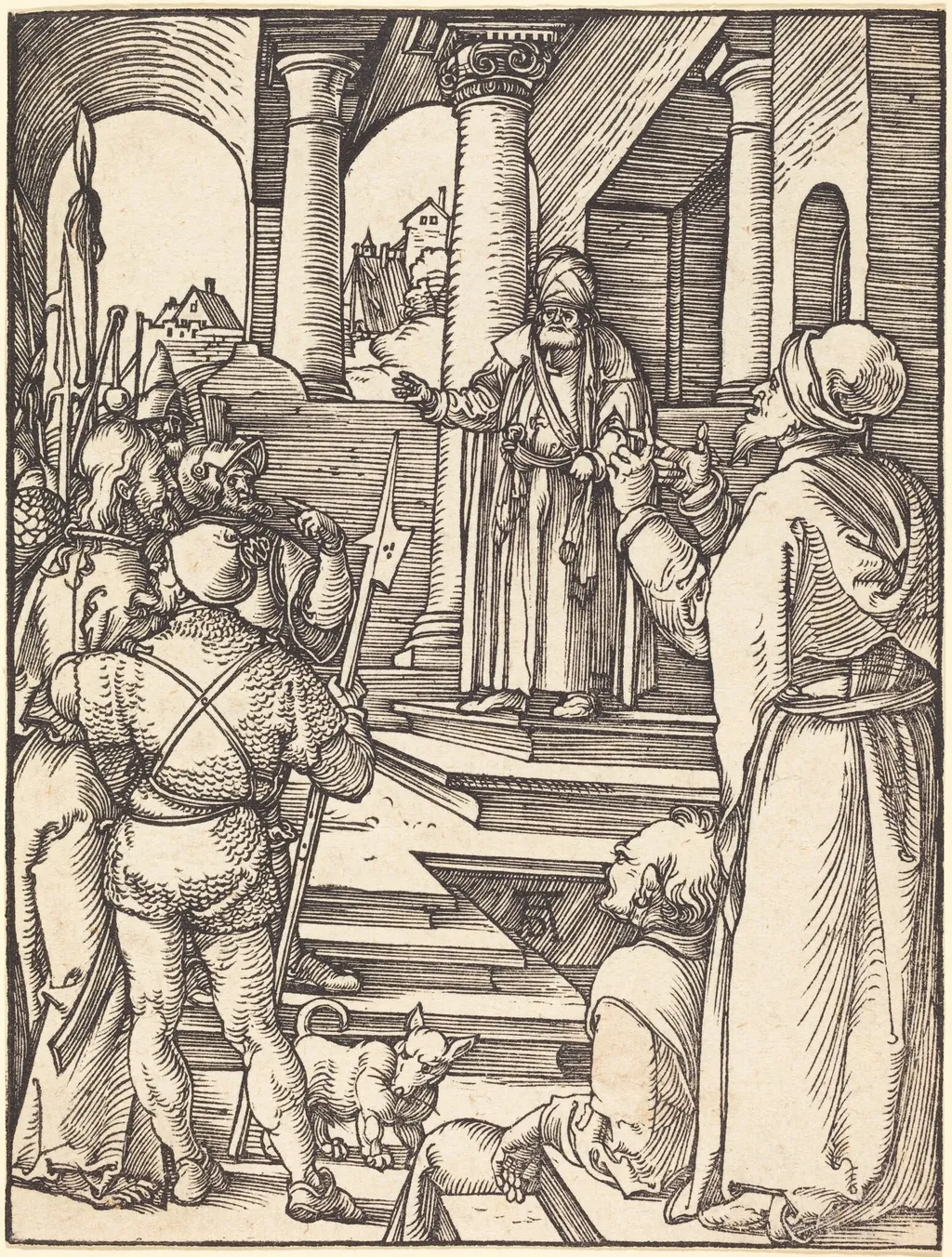
Christ before Pilate is an ink print by the Northern Renaissance artist Albrecht Dürer. It dates from 1510 and is held in the collection of the British Museum.
About this work
Thin lines pack the scene: Pilate sits center, Jesus stands calm, soldiers crowd in.
Albrecht Dürer carved Christ before Pilate in 1510 using woodcuts.
Thin lines pack the scene: Pilate sits center, Jesus stands calm, soldiers crowd in.
Dürer carved light and dark to show who matters.
Dürer made over 350 prints like this, spreading stories fast.
His skill with line makes every robe fold and face speak.
The woodcut lets many people own this image.
Look next at Dürer’s woodcut technique.
Overview
Created around 1510, this woodcut by Albrecht Dürer presents a biblical episode in which Jesus Christ stands before the Roman governor Pontius Pilate. Executed on laid paper, the print belongs to Dürer’s extensive series of religious images that were widely circulated in early sixteenth‑century Europe.
Subject & Meaning
The composition centers on Pilate seated at a modest table while Christ, depicted with a composed demeanor, faces him. Soldiers flank the scene, emphasizing the tension between authority and innocence. The work reflects the theological focus on Christ’s trial and the moral questions surrounding judgment and mercy.
Technique & Style
Dürer employs fine, intersecting lines to model forms, creating a subtle chiaroscuro that distinguishes the principal figures from the surrounding crowd. The delicate incisions in the woodblock render the folds of garments and the expressions of faces, demonstrating the artist’s mastery of line to convey depth and narrative within the constraints of the medium.
History & Provenance
Part of Dürer’s prolific print output—over three hundred fifty works—this piece was produced for the burgeoning market of affordable devotional images. Printed on laid paper, it could be distributed to a broad audience, allowing households beyond the elite to possess a visual representation of the Passion narrative.
Legacy
The print exemplifies how Dürer’s innovations in woodcut technique helped standardize the visual language of the Reformation era. Its widespread replication contributed to the diffusion of biblical scenes, influencing subsequent generations of printmakers and reinforcing the role of print as a vehicle for religious instruction.
Artist & collection
Artist
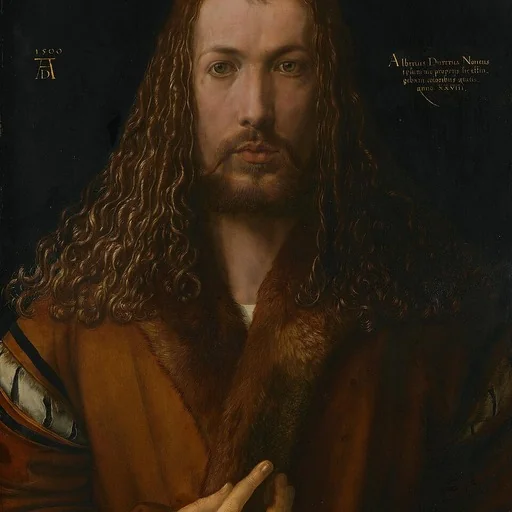
Albrecht Dürer spent his life in Nuremberg, a busy German city where artists traded prints like currency.

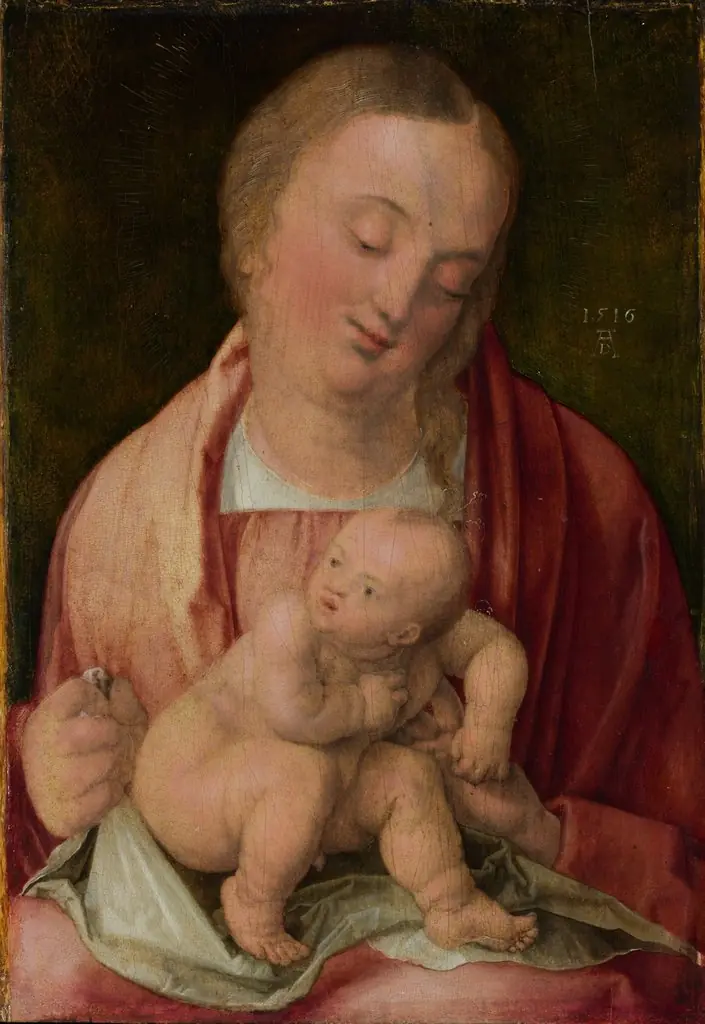
![Madonna and Child [obverse], by Albrecht Dürer](https://artifactworldgallery.com/img/albrecht-durer--madonna-and-child-obverse--d7b8ebf05d22ebe5-w320.webp)
![Lot and His Daughters [reverse], by Albrecht Dürer](https://artifactworldgallery.com/img/albrecht-durer--lot-and-his-daughters-reverse--b4ebf9b282faa17a-w320.webp)