Artwork
Saint Odilia
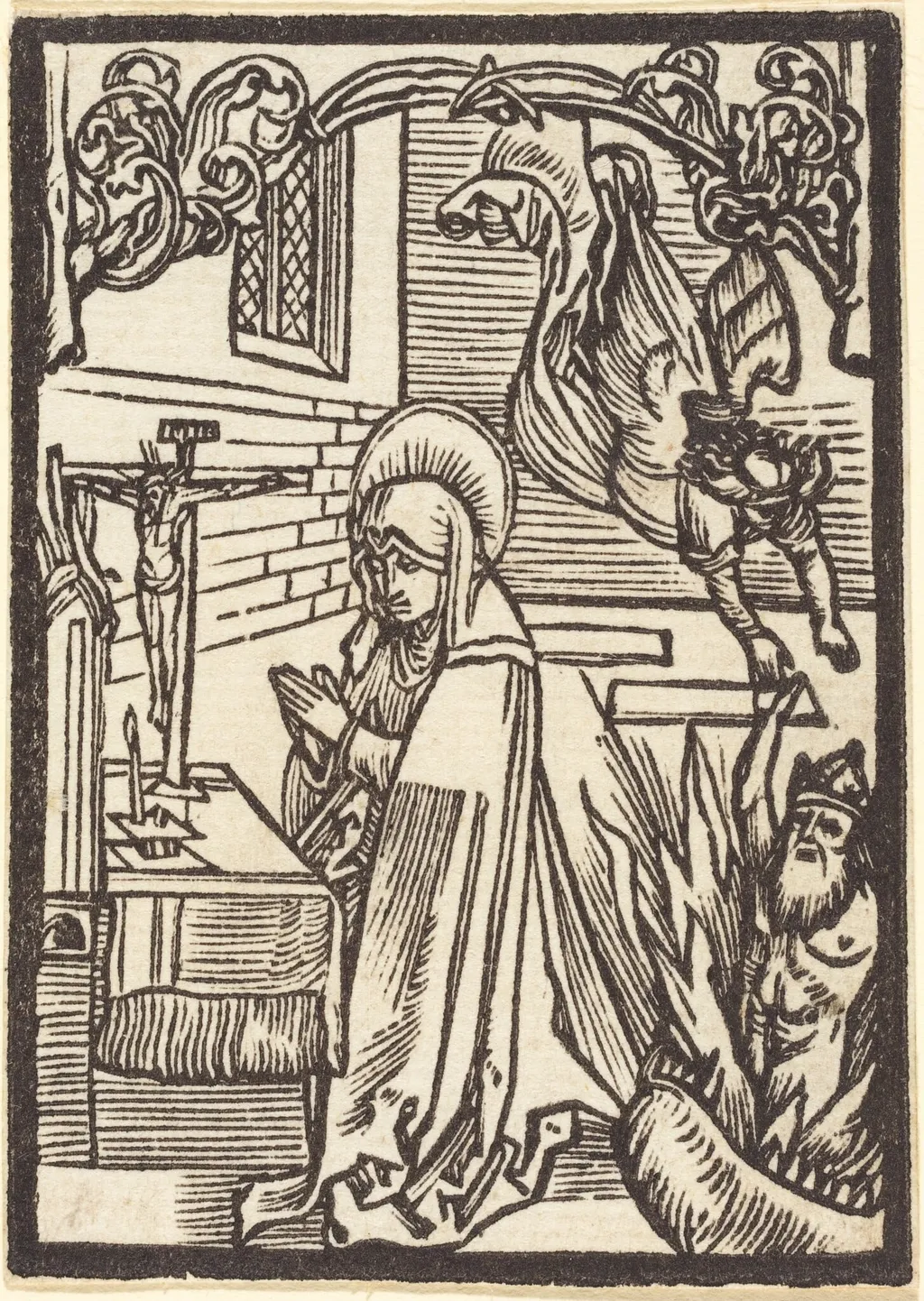
Saint Odilia is an ink print by the Northern Renaissance artist Albrecht Dürer. It dates from 1500 and is held in the collection of the National Gallery of Art.
About this work
Overview
The composition centers entirely on the saint, with no background distractions, emphasizing her spiritual presence through restrained detail and balanced form.
Created around 1500, this woodcut by Albrecht Dürer portrays Saint Odilia, a patron saint of the visually impaired. As a print made from carved woodblocks, it reflects the precision and clarity characteristic of early Northern Renaissance printmaking. The composition centers entirely on the saint, with no background distractions, emphasizing her spiritual presence through restrained detail and balanced form.
Subject & Meaning
Saint Odilia, traditionally venerated in the Rhineland, is depicted with a serene expression and folded hands, conveying quiet devotion. Her gentle demeanor aligns with her role as protector of the blind, suggesting compassion and inner light. The absence of elaborate iconography directs focus to her humanity, reinforcing the devotional purpose of the image for private contemplation.
Technique & Style
Dürer employed fine, controlled lines typical of his woodcut technique, carving intricate details into the woodblock to render folds of fabric, facial features, and hair with remarkable delicacy. The contrast between black ink and white paper enhances the clarity of form. His approach merges Northern attention to texture with a classical sense of harmony, elevating the print beyond mere illustration.
History & Provenance
The woodcut was produced during Dürer’s early career, a period when he was refining his printmaking skills and gaining international recognition. It likely circulated among religious communities and collectors in southern Germany and beyond. Surviving impressions are held in major museum collections, indicating its early and sustained appreciation as a work of devotional art.
Context
In the early 16th century, woodcuts served as accessible religious images for both clergy and laypeople. Dürer’s prints contributed to a growing market for devotional art that combined spiritual authority with artistic innovation. This image reflects the period’s emphasis on personal piety and the rising status of the artist as a thoughtful interpreter of sacred subjects.
Legacy
This woodcut exemplifies Dürer’s role in transforming printmaking into a respected artistic medium. Its quiet dignity and technical refinement influenced later generations of printmakers and reinforced the potential of woodcuts to convey spiritual depth. Though modest in scale, it remains a significant example of how religious imagery could be rendered with both precision and emotional resonance.
Artist & collection
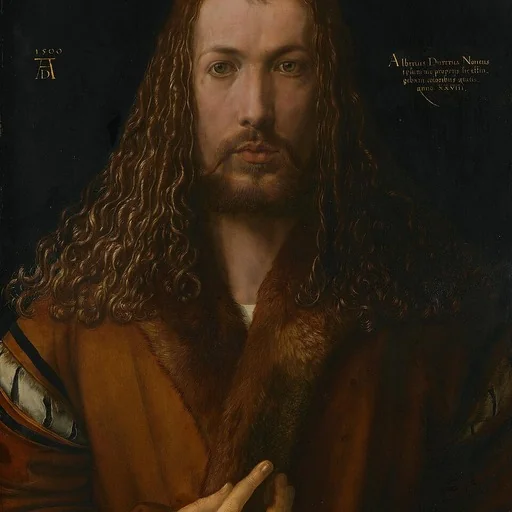
Artist
Albrecht Dürer spent his life in Nuremberg, a busy German city where artists traded prints like currency.

![Madonna and Child [obverse], by Albrecht Dürer](https://artifactworldgallery.com/img/albrecht-durer--madonna-and-child-obverse--d7b8ebf05d22ebe5-w320.webp)
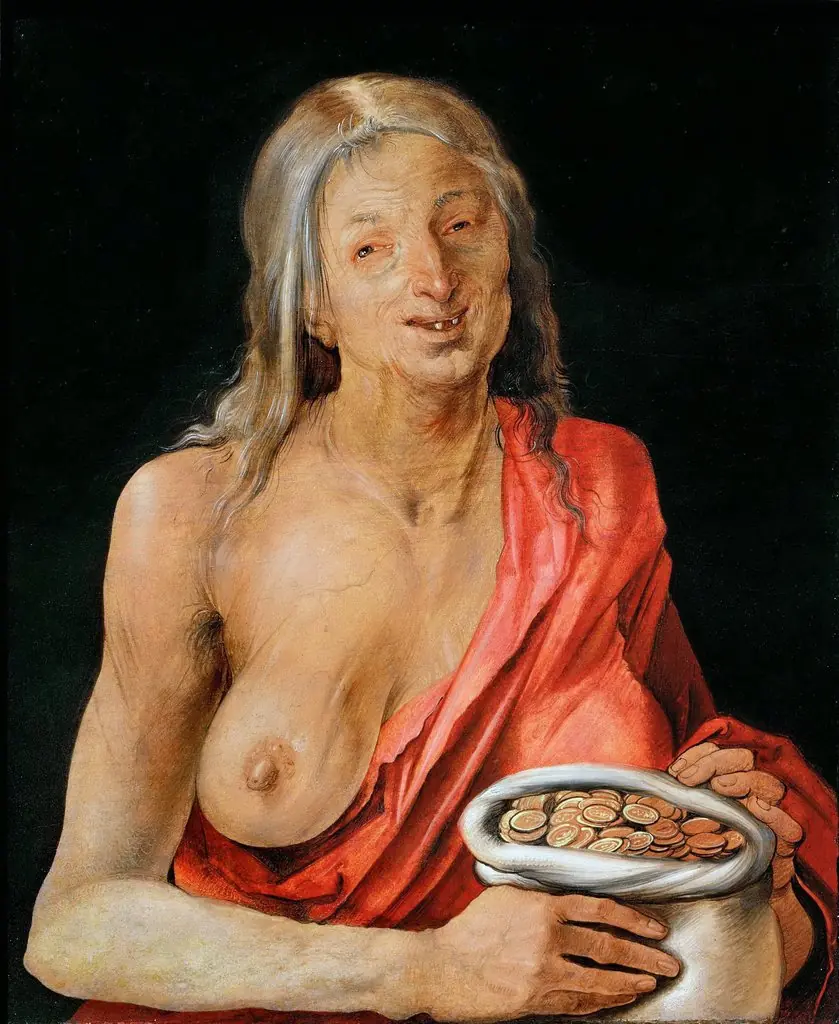
![Lot and His Daughters [reverse], by Albrecht Dürer](https://artifactworldgallery.com/img/albrecht-durer--lot-and-his-daughters-reverse--b4ebf9b282faa17a-w320.webp)
![The Last Judgment [right], by Master of St. Erasmus](https://artifactworldgallery.com/img/master-of-st-erasmus--the-last-judgment-right--dcbf9c950423ddb7-w320.webp)
![Saint Agnes [verso], by German 15th Century](https://artifactworldgallery.com/img/german-15th-century--saint-agnes-verso--eb41977e5e7551cd-w320.webp)