Artwork
The School Teacher
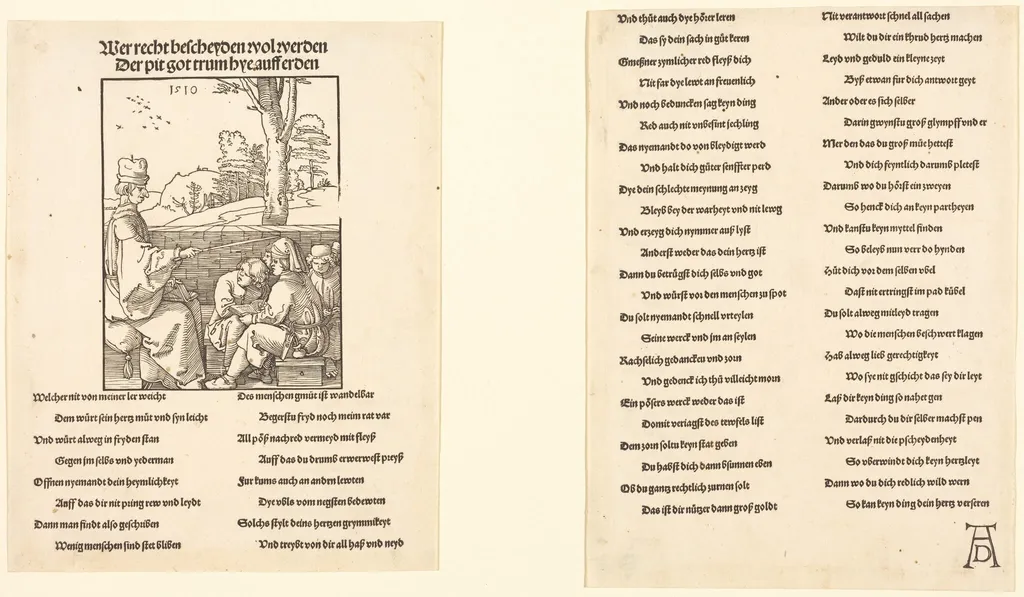
The School Teacher is an ink print by the Northern Renaissance artist Albrecht Dürer. It dates from 1510 and is held in the collection of the National Gallery of Art.
About this work
Overview
Created in 1510, The School Teacher is a woodcut by Albrecht Dürer, part of his series exploring everyday life in early 16th-century Europe.
Created in 1510, The School Teacher is a woodcut by Albrecht Dürer, part of his series exploring everyday life in early 16th-century Europe. As a print, it was produced by carving an image into a wooden block, inked, and pressed onto paper. This work stands as a rare visual record of educational settings during the Northern Renaissance, capturing a moment of pedagogical authority with quiet precision.
Subject & Meaning
The image portrays a single schoolmaster standing rigidly behind a desk, his face set in a serious, unsmiling expression. His posture and gaze suggest discipline and control, reflecting contemporary ideals of pedagogy that emphasized order and moral instruction. The absence of students implies a focus on the teacher’s role as an enforcer of learning, rather than a facilitator of interaction.
Technique & Style
Dürer employed the woodcut technique with fine, controlled lines to render texture and form. The teacher’s clothing, the desk, and the architectural details are defined by sharp, rhythmic incisions typical of his mature style. The contrast between dark ink and white paper enhances the sculptural quality of the figure, demonstrating Dürer’s mastery in translating detail into monochrome relief.
History & Provenance
The print was made during Dürer’s time in Nuremberg, when he was actively producing woodcuts for both religious and secular subjects. It was likely distributed as a standalone image or within a collection of genre scenes. Early copies survive in major European collections, including the British Museum and the Albertina, attesting to its circulation among educated audiences of the period.
Context
In early 16th-century Germany, formal schooling was expanding, often tied to church or civic institutions. Teachers held respected but austere positions, expected to instill literacy and moral conduct. Dürer’s image aligns with broader humanist interests in documenting daily life, offering a secular counterpoint to his more famous religious works.
Legacy
The School Teacher remains a significant example of Renaissance printmaking’s capacity to document social roles with nuance. It influenced later artists interested in genre scenes and educational reform imagery. While not widely exhibited today, it continues to be referenced in studies of early modern pedagogy and the evolution of the teacher’s public image.
Artist & collection
Artist
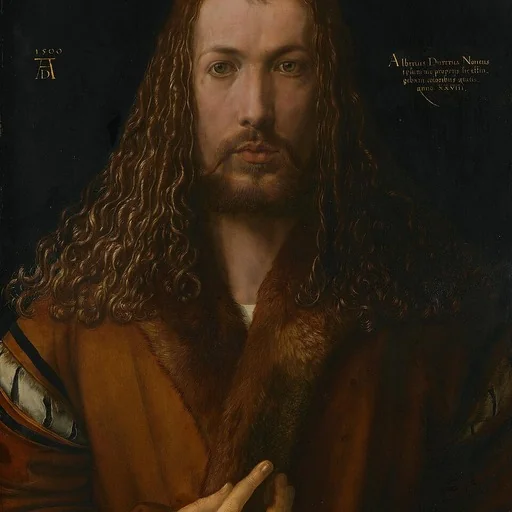
Albrecht Dürer spent his life in Nuremberg, a busy German city where artists traded prints like currency.

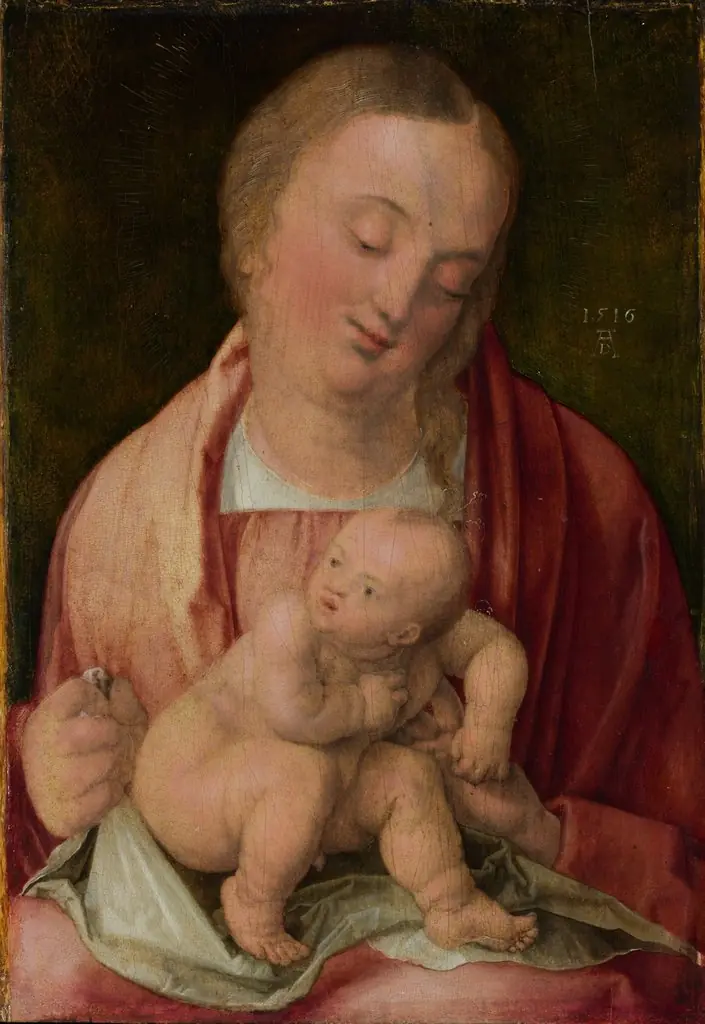
![Madonna and Child [obverse], by Albrecht Dürer](https://artifactworldgallery.com/img/albrecht-durer--madonna-and-child-obverse--d7b8ebf05d22ebe5-w320.webp)
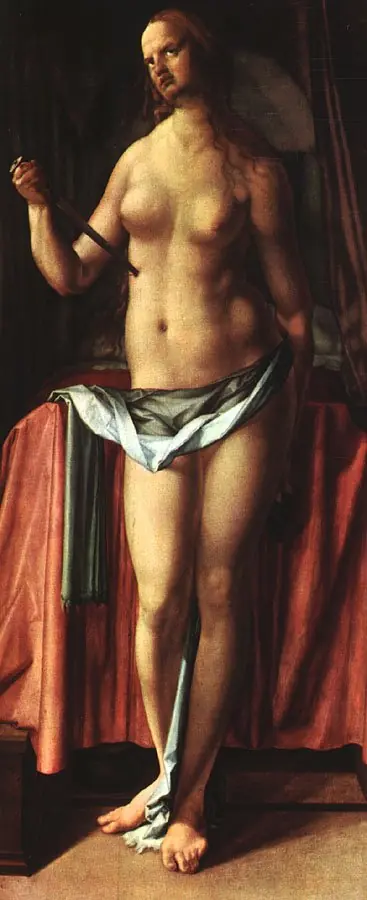
![Lot and His Daughters [reverse], by Albrecht Dürer](https://artifactworldgallery.com/img/albrecht-durer--lot-and-his-daughters-reverse--b4ebf9b282faa17a-w320.webp)
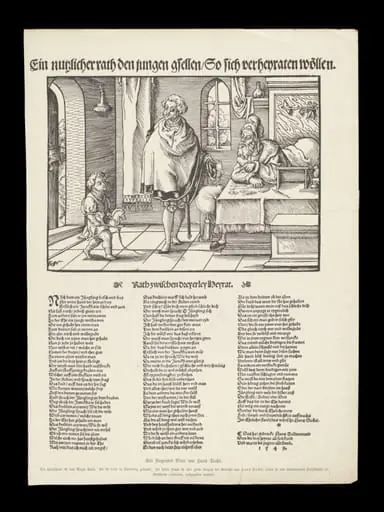 H Beard Print Collection
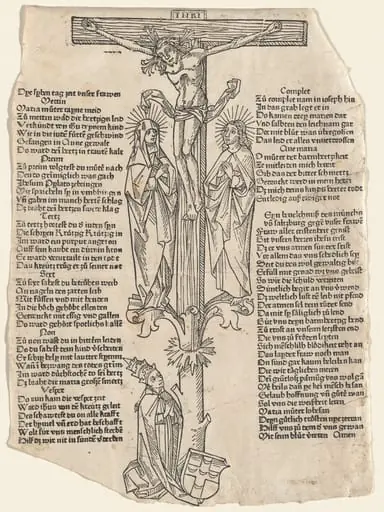 Christ on the Cross with Pope Pius II
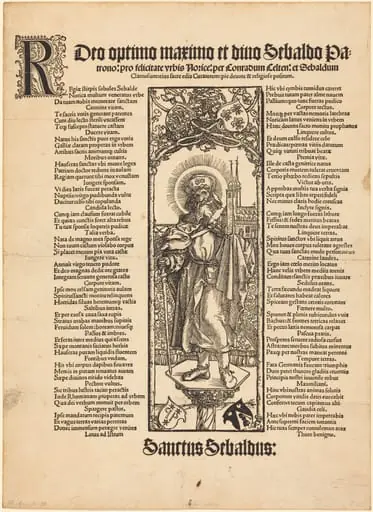 Saint Sebaldus Standing on a Column
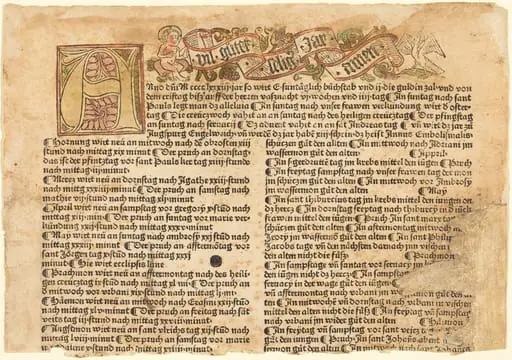 Initial A and a New Year's Wish
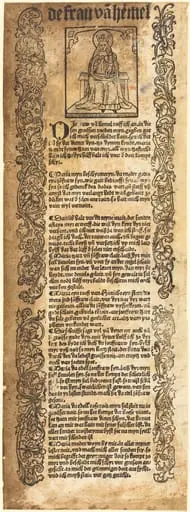 Song to the Madonna
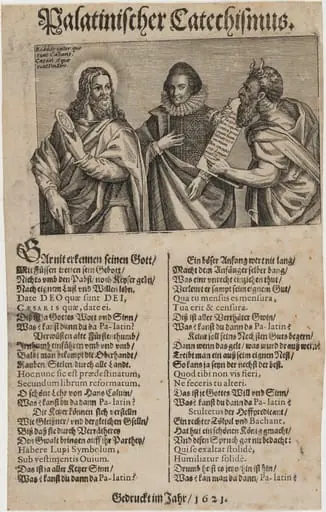 Frederick V, King of Bohemia Between Christ and Moses From the Palatine Catechism
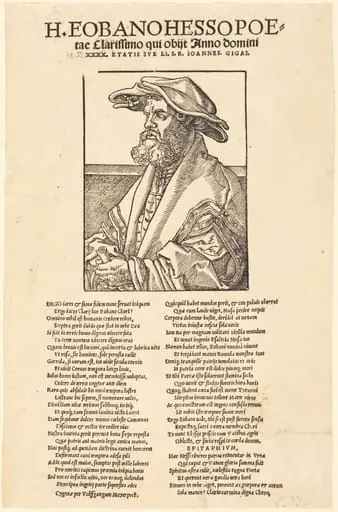 Eobanus Hess
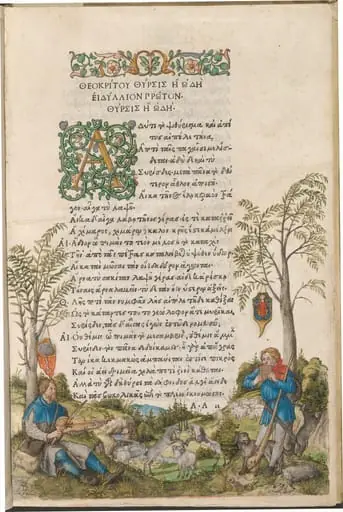 A Pastoral Landscape with Shepherds Playing a Viola and Panpipes
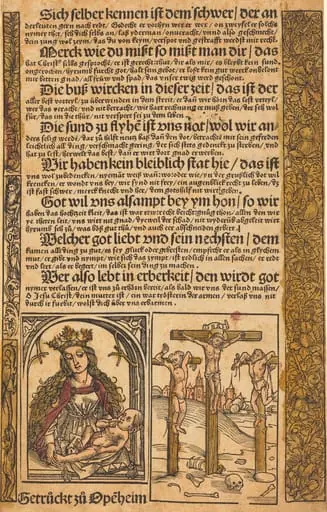 Broadside with Two Scenes from the Life of Christ, and Grotesque Borders
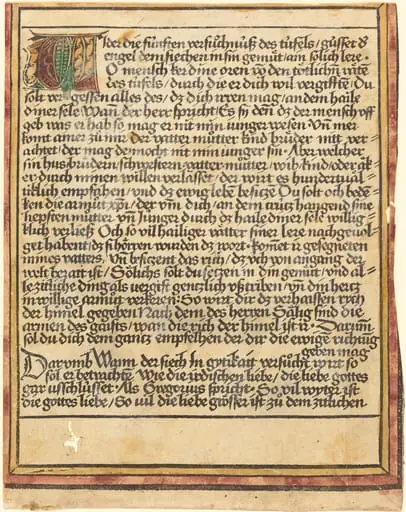 Exhortation Against Avarice
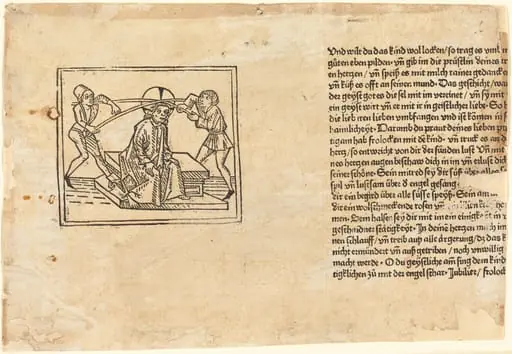 Christ Crowned with Thorns
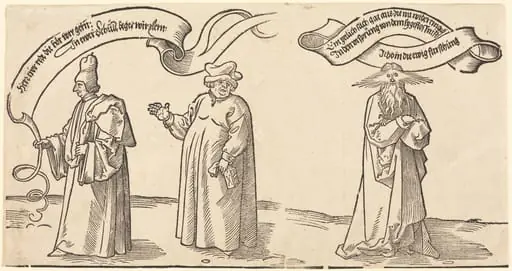 The Teacher, the Clergyman, and Providence