Artwork
Christ Crowned with Thorns
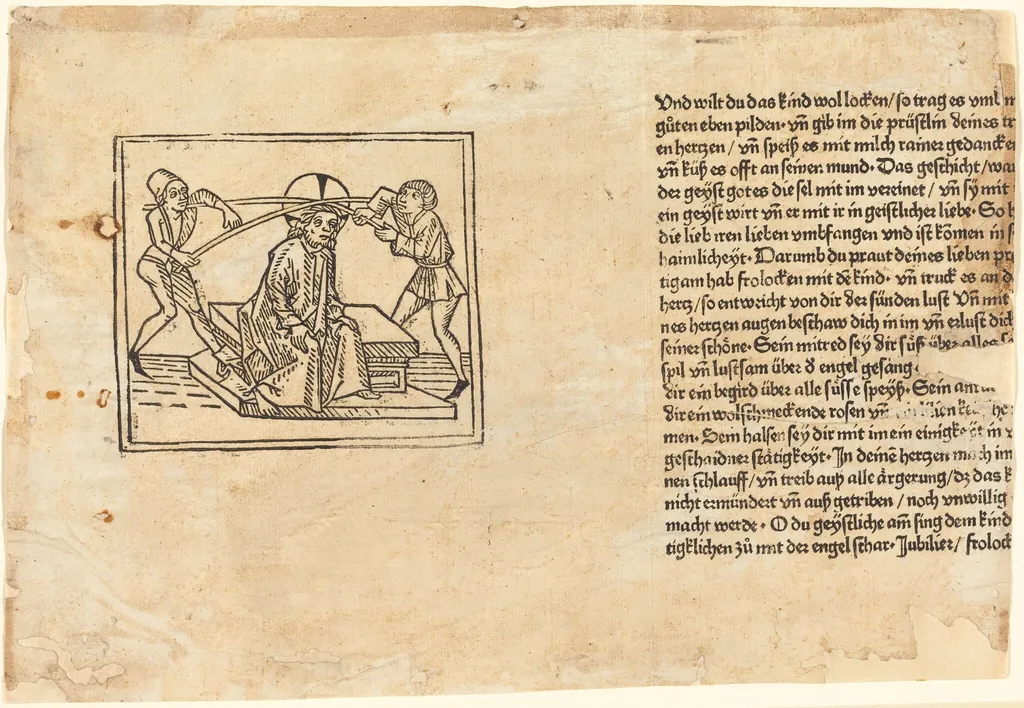
Christ Crowned with Thorns is an ink print by the Renaissance artist German 15th Century. It dates from 1477 and is held in the collection of the National Gallery of Art. This woodcut print depicts a scene from the Passion of Christ, rendered in the distinctive linear style of Renaissance printmaking.
About this work
Overview
This woodcut print depicts a scene from the Passion of Christ, rendered in the distinctive linear style of Renaissance printmaking.
This woodcut print depicts a scene from the Passion of Christ, rendered in the distinctive linear style of Renaissance printmaking. The composition centers on a seated figure crowned with thorns, flanked by two attendants—one holding a staff, the other the crown. The image relies on bold, incised lines and contrasting tones to suggest volume and spatial depth, characteristic of hand-carved woodblock techniques common in early 16th-century Northern Europe.
Subject & Meaning
The scene illustrates the moment Christ is mocked by Roman soldiers, who place a crown of thorns upon his head as a cruel parody of kingship. The central figure’s passive posture and the figures’ focused gestures convey both suffering and humiliation. The simplicity of the setting directs attention to the emotional weight of the act, aligning with devotional imagery intended to evoke empathy and contemplation among viewers.
Technique & Style
Executed as a woodcut, the image uses carved lines and areas of negative space to create texture and contrast. The artist employed dense hatching and rhythmic strokes to model forms and suggest fabric folds, while leaving backgrounds uncluttered to emphasize the figures. The medium’s inherent starkness enhances the solemnity of the subject, reflecting the efficiency and accessibility of printmaking for religious dissemination.
History & Provenance
Though the specific artist remains unidentified, the style and subject align with Northern European printmakers active in the early 1500s, possibly in the Rhineland or Netherlands. Such woodcuts were often produced in series for private devotion or as instructional aids in religious communities. Their small scale and reproducibility allowed wide circulation beyond elite patrons, reaching broader audiences across Europe.
Context
During the Renaissance, religious imagery in print form became increasingly common as literacy and demand for personal piety grew. Woodcuts like this one served as visual meditations, reinforcing biblical narratives for lay audiences. They coexisted with painted altarpieces but offered a more portable, affordable alternative, contributing to the spread of devotional practices in the decades before the Reformation.
Legacy
This print exemplifies how Renaissance printmakers translated complex theological themes into accessible visual language. Its influence can be traced in later devotional prints and illustrated Bibles, where clarity and emotional resonance remained priorities. Though unsigned, such works collectively shaped public religious experience and laid groundwork for the mass distribution of imagery in early modern Europe.
Artist & collection

Artist
This 15th-century German artist carved vivid religious scenes into metal and wood, then hand-painted them in bright, symbolic colors.

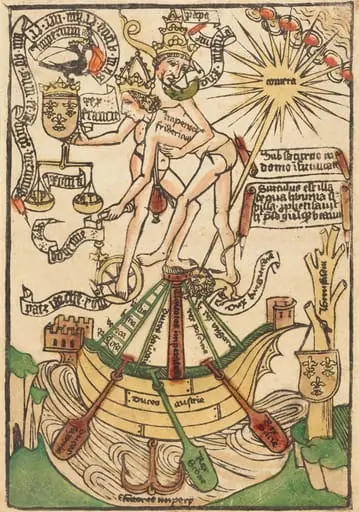 Allegory of the Meeting of Pope Paul II and Emperor Frederick III
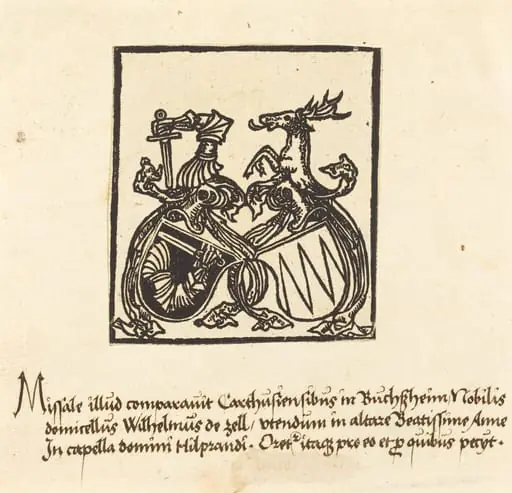 Bookplate of Wilhelm von Zell
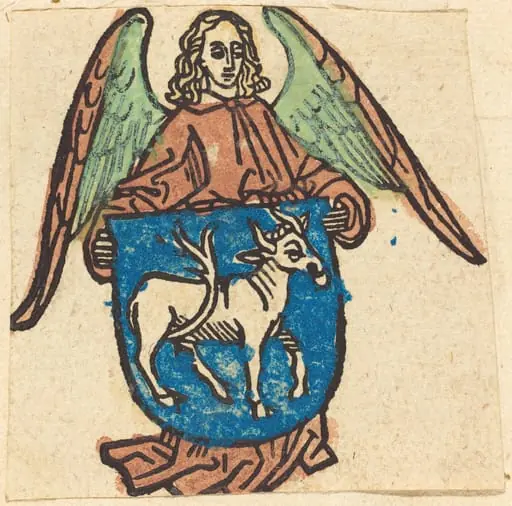 Bookplate of Hilprand Brandenburg of Bibrach
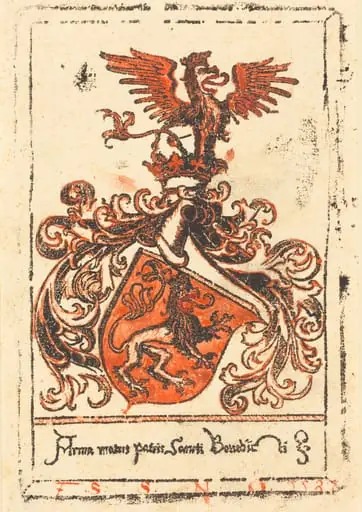 Bookplate of the Abbey of Ottobeuren
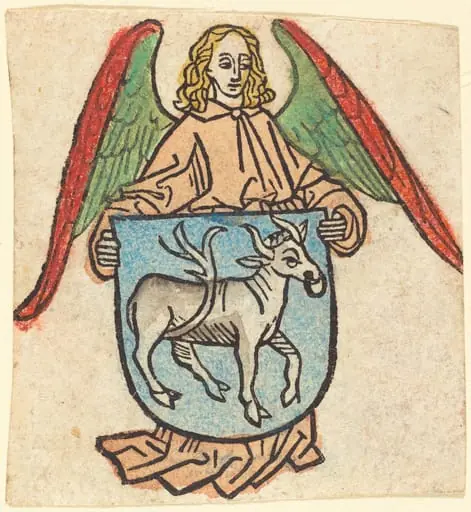 Bookplate of Hilprand Brandenburg of Bibrach
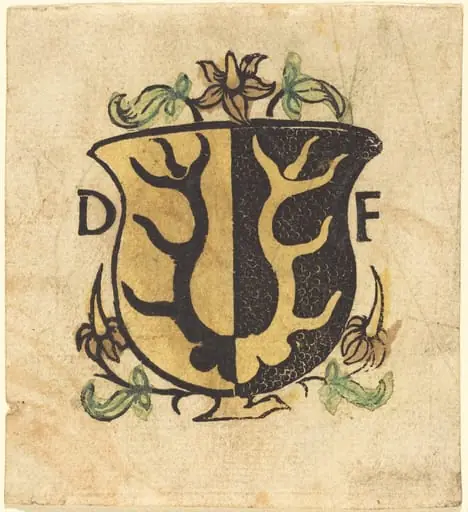 Bookplate of Dominicus Frauenfelder
![Studies for Six Figures (sheet from a model book) [recto], by German 15th Century](https://artifactworldgallery.com/img/german-15th-century--studies-for-six-figures-sheet-from-a-model-book-recto--4837429e0755bc3f-w320.webp) Studies for Six Figures (sheet from a model book) [recto]
Studies for Six Figures (sheet from a model book) [recto]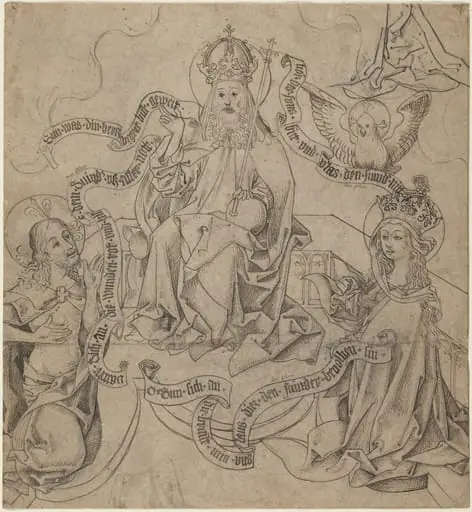 Christ and Mary Interceding with God the Father
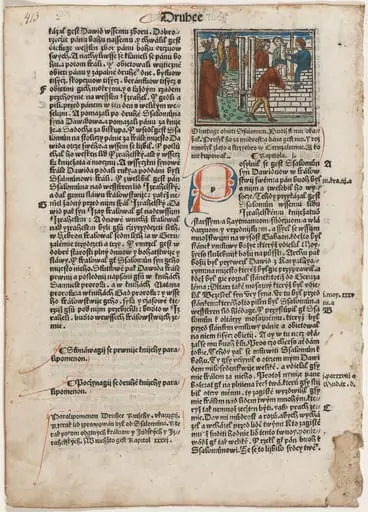 page from the Holy Bible in Bohemian
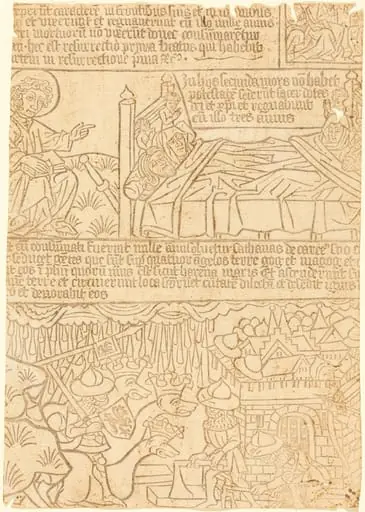 Apocalypse of John, Leaf 42
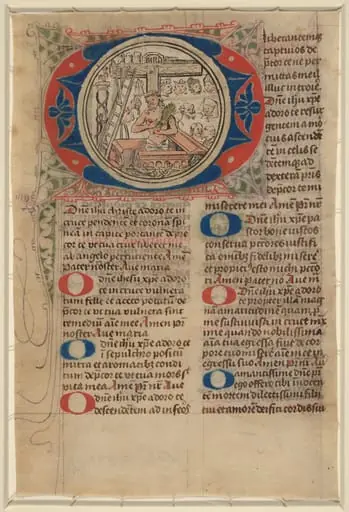 Christ as the Man of Sorrows
![The Flight into Egypt [recto], by Italian 15th Century](https://artifactworldgallery.com/img/italian-15th-century--the-flight-into-egypt-recto--8f4d5275d7f90f98-w320.webp) The Flight into Egypt [recto]
The Flight into Egypt [recto]![The Destruction of the Egyptian Idols [verso], by Italian 15th Century](https://artifactworldgallery.com/img/italian-15th-century--the-destruction-of-the-egyptian-idols-verso--646d3c2b8098cfee-w320.webp) The Destruction of the Egyptian Idols [verso]
The Destruction of the Egyptian Idols [verso]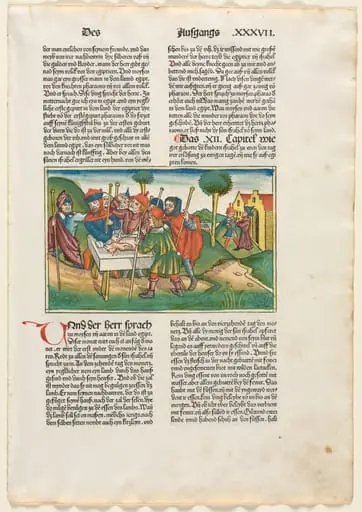 Offering of the Paschal Lamb from the German Bible published by Anton Koberger, Nürnberg
 Purgatory
 Apocalypse of John, Leaf 10
 The Virgin Appearing to a Dying Priest