Artwork
天下名山圖(亨) 冊 晉戴逵蕺山仙館圖
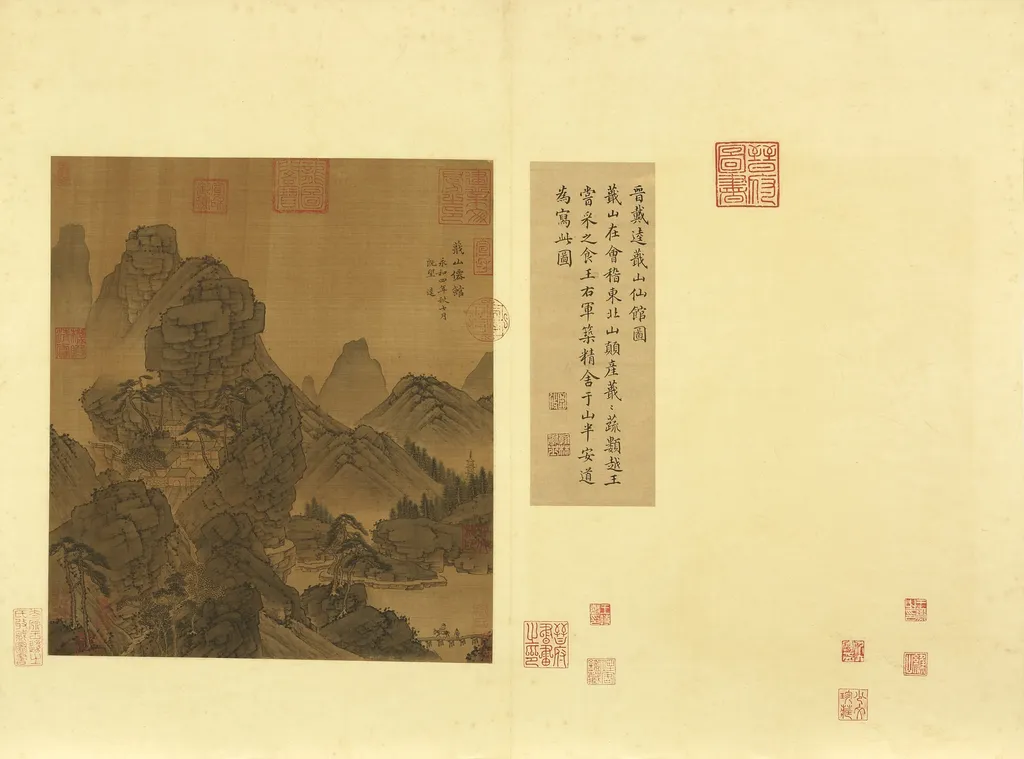
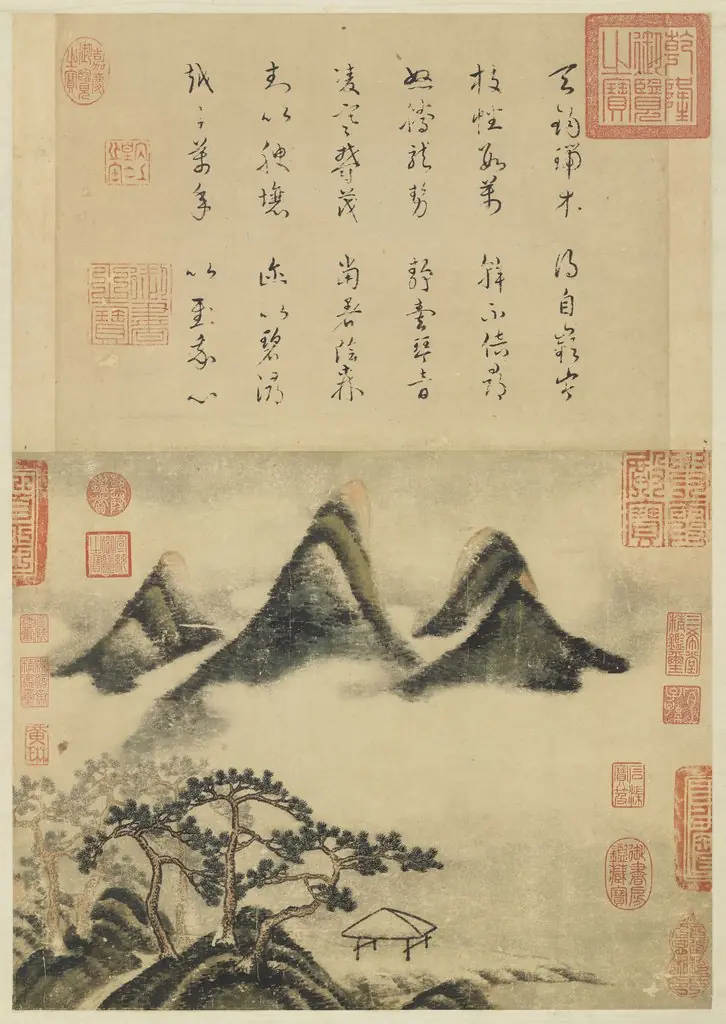
天下名山圖(亨) 冊 晉戴逵蕺山仙館圖 is an unspecified painting by Dai Kui. It dates from 371 and is held in the collection of the National Palace Museum.
About this work
Overview
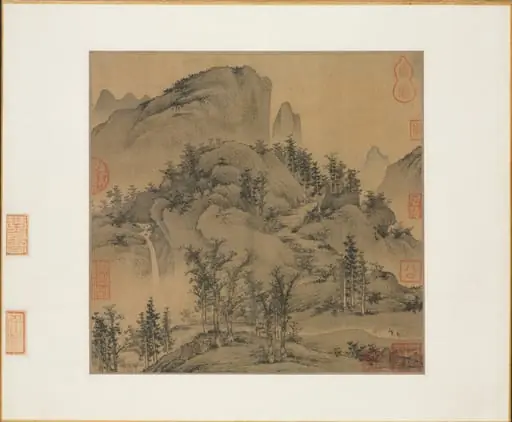
Created around 371 CE, the album leaf titled *Tianxia Mingshan Tu (Heng) Ce* presents a tranquil mountainous scene rendered in layered brown tones. The composition balances a foreground of rugged peaks with a softly graded sky, giving the work a sense of atmospheric depth characteristic of early Chinese landscape painting.
Subject & Meaning
The image centers on a range of mountains that dominate the lower register, suggesting an idealized vision of nature rather than a specific topography. A diminutive, indistinct figure appears in the lower right corner, hinting at human presence within the vast landscape, a motif that underscores the philosophical notion of humanity’s modest place amid the natural world.
Technique & Style
Executed in the dry‑lacquer method, the painting achieves its tonal variation through successive applications of pigment and lacquer, allowing for subtle transitions between light and shadow. The use of brown hues and the restrained brushwork reflect the aesthetic preferences of the Eastern Jin period, emphasizing simplicity and atmospheric suggestion over detailed representation.
History & Provenance
The work is attributed to Dai Kui, a multi‑talented writer, painter, and sculptor active in the Eastern Jin court. Although most of his original pieces were lost following later anti‑Buddhist measures, this album leaf survives as a rare example of his landscape practice, preserved within a later collection of painted albums.
Context
During the fourth century, Chinese artists began to integrate Buddhist visual elements into traditional motifs, a synthesis Dai Kui helped advance. While the painting itself does not display overt Buddhist iconography, its contemplative atmosphere aligns with the meditative qualities associated with early Buddhist-inspired art.
Artist & collection
Artist
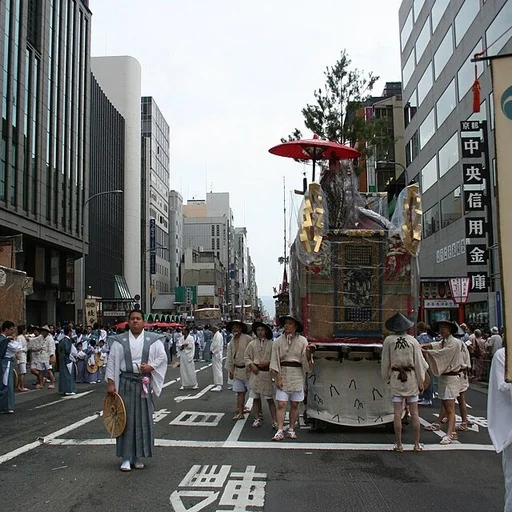
Dai Kui (Chinese: 戴逵) (ca. 331–396), courtesy name Andao (案道) was a writer, painter, and sculptor who lived during the Eastern Jin dynasty in China. Dai Kui was born in Zhi, modern day Su county in Anhui province. He…

 Untitled
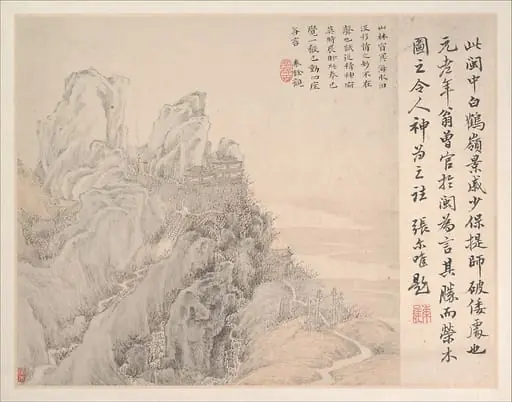 清 葉欣 白鶴嶺圖 冊頁|White Crane Mountain, leaf from Album for Zhou Lianggong
 Landscapes in Various Styles after Old Masters
 Landscape
 Travelers in Autumn Mountains
 Streams and Mountains
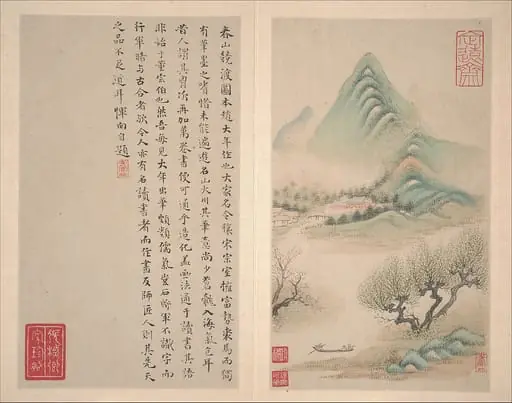 明/清 惲向 仿古山水圖 冊 紙本|Landscapes after old masters
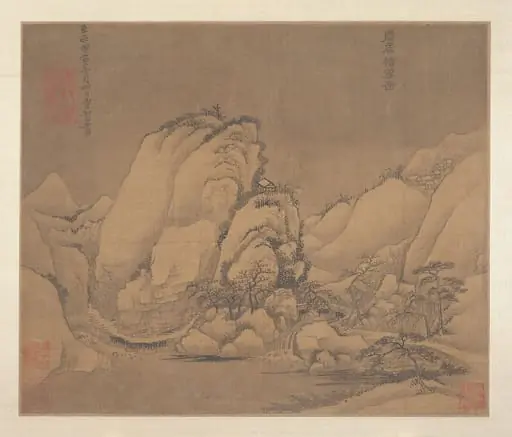 清 佚名 舊傳曹知白 岩居積雪圖 冊頁|Landscape
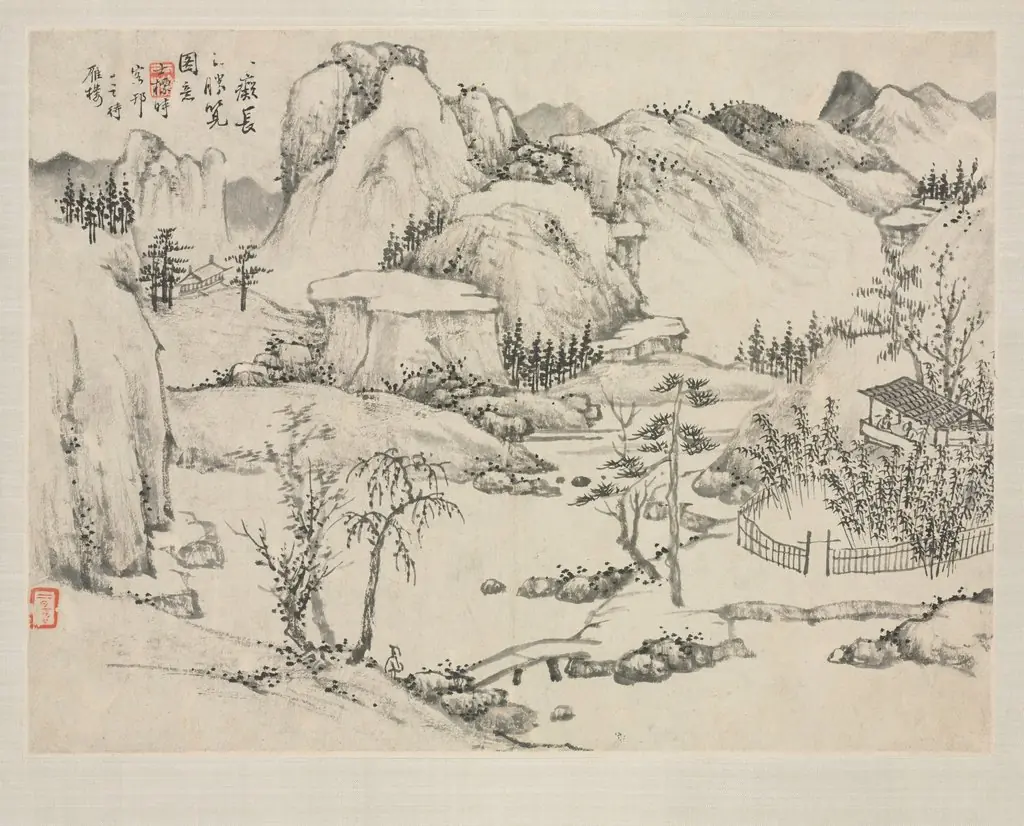 Landscape Album in Various Styles: Scenery of Mt. Changbai after Huang Gongwang
 Landscape Album in Various Styles: Scenery of Mt. Changbai after Huang Gongwang
 Spring Mountains and Auspicious Pines
 元 王蒙 丹崖翠壑圖 軸|Red Cliffs and Green Valleys