National Museum
National Palace Museum

Image: Wikimedia Commons.
National Palace Museum is a national museum in Shilin District, Taiwan.
About National Palace Museum
Overview & Identity
The National Palace Museum is a major art museum located in Taipei, Taiwan, dedicated to preserving and exhibiting the art holdings of the Chinese imperial collection. It houses a permanent collection of nearly 700,000 artifacts and artworks, spanning over 8,000 years of Chinese history from the Shang dynasty through the Qing dynasty. The museum is recognized as one of the finest repositories of Chinese art in the world, featuring masterpieces in painting, calligraphy, bronzes, ceramics, jades, and historical documents. Its status as the legal custodian of the collection is a subject of ongoing political and legal discourse, with the museum asserting its role as the primary guardian of these cultural treasures.
History & Founding
The museum's origins trace back to the Palace Museum in the Forbidden City, Beijing, established in 1925. In the 1930s, due to the Japanese invasion of North China, the Chinese government relocated a significant portion of the imperial collection to Nanjing, Shanghai, and other locations for safekeeping. After World War II, the dispersed collections were reassembled in Nanjing. In 1948–49, as the Nationalist armies retreated to Taiwan, they transported the core of the collection to the island, where it was stored in Taichung. The National Palace Museum in its current form was officially established in 1965 when the collections of the Taiwan-based institutions were consolidated into a new museum building in Taipei.
Building & Architecture
The main building of the National Palace Museum in Taipei was designed with a classical Chinese architectural style, reflecting the traditional aesthetics of the imperial palaces. The structure is situated within a compound that also houses the residence of the Chinese painter Chang Dai-chien. The museum's design aims to harmonize with the surrounding landscape and cultural context. In addition to the main building in Taipei, the museum operates a Southern Branch located in Chiayi County, expanding its reach and exhibition capabilities. The architectural integrity and preservation of the building have been subjects of public interest and scrutiny.
Collection Highlights & Notable Holdings
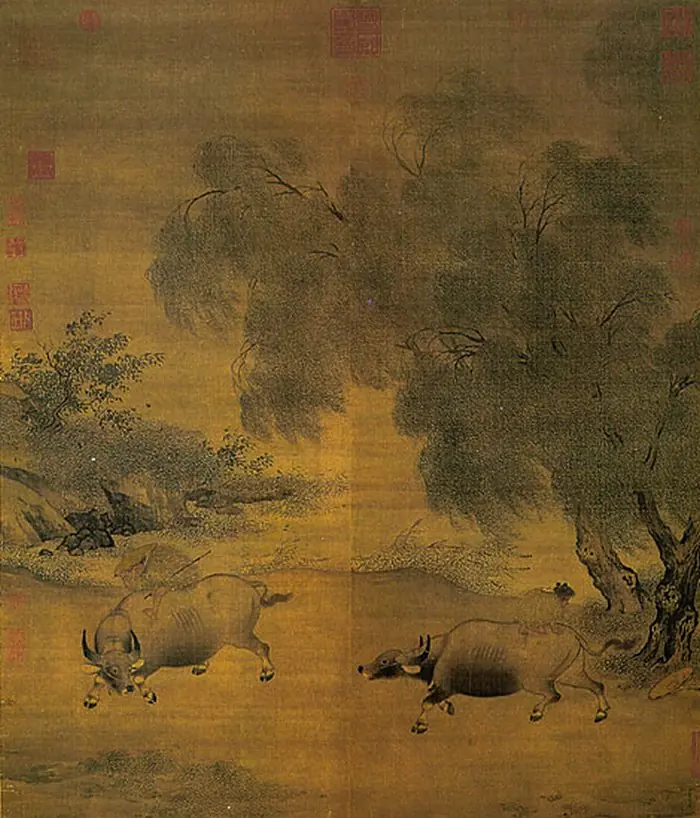
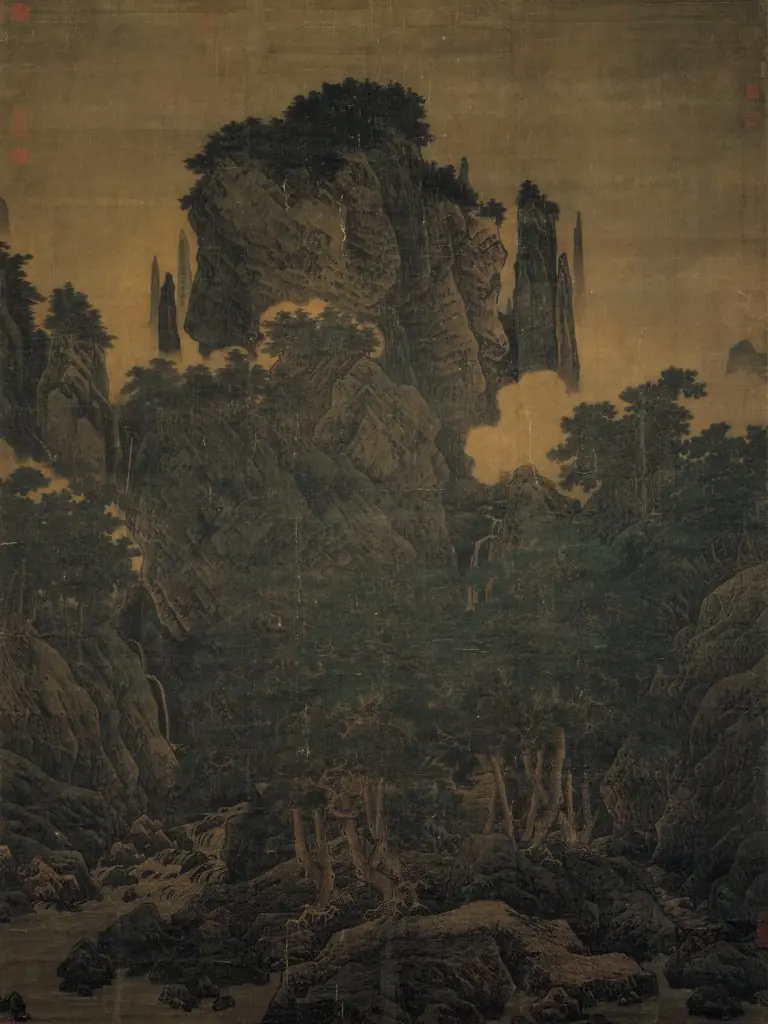
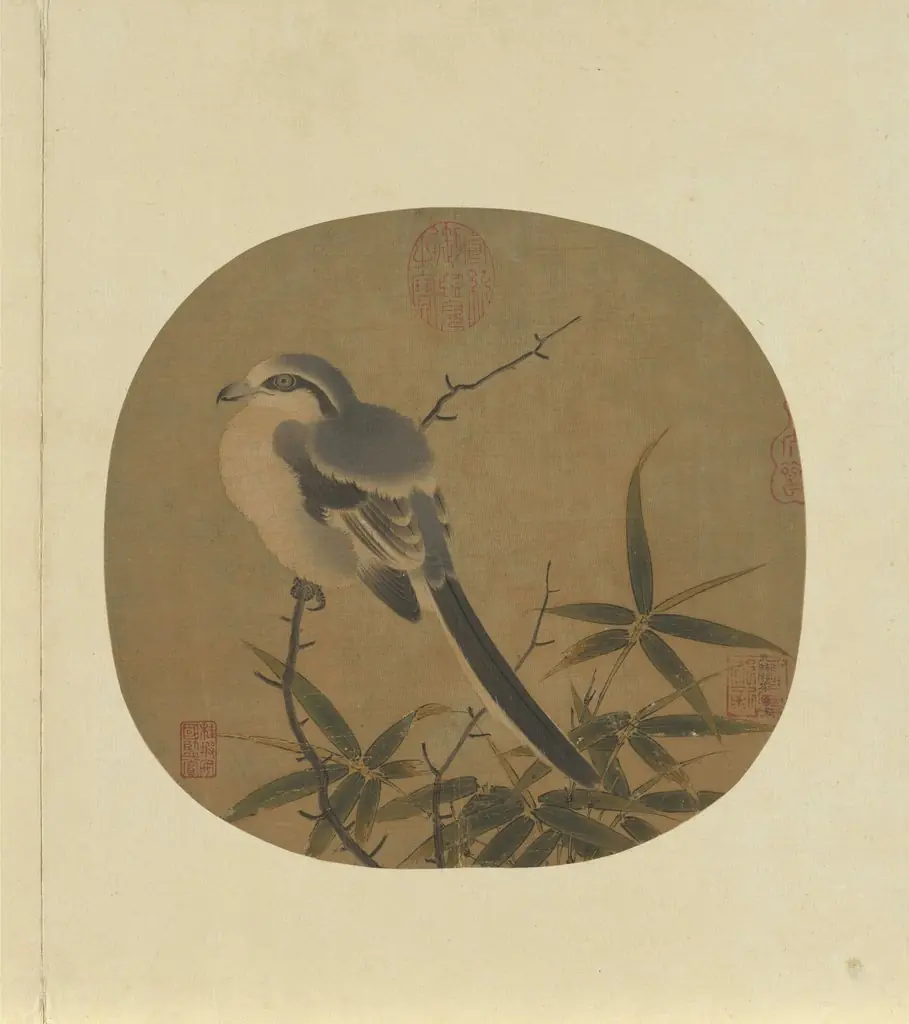
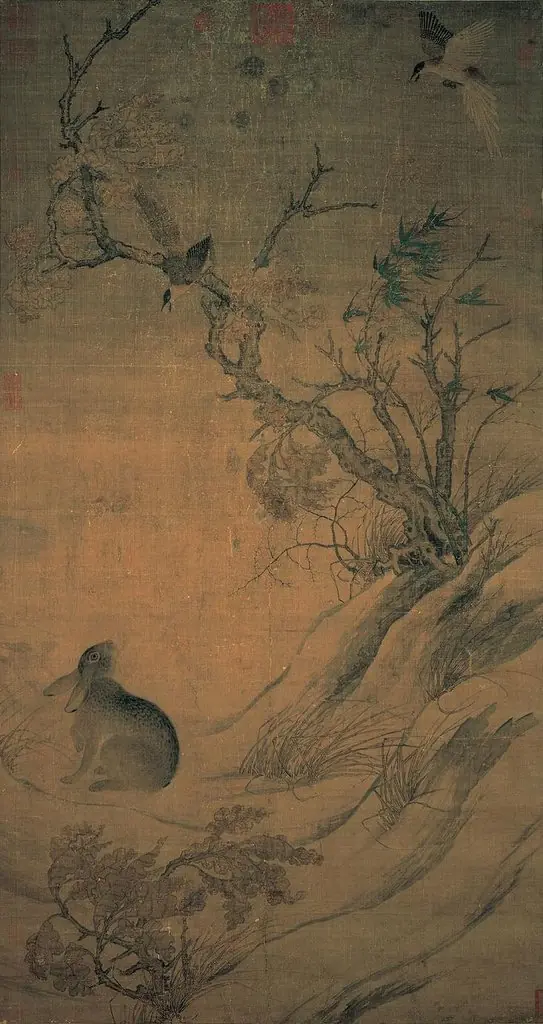
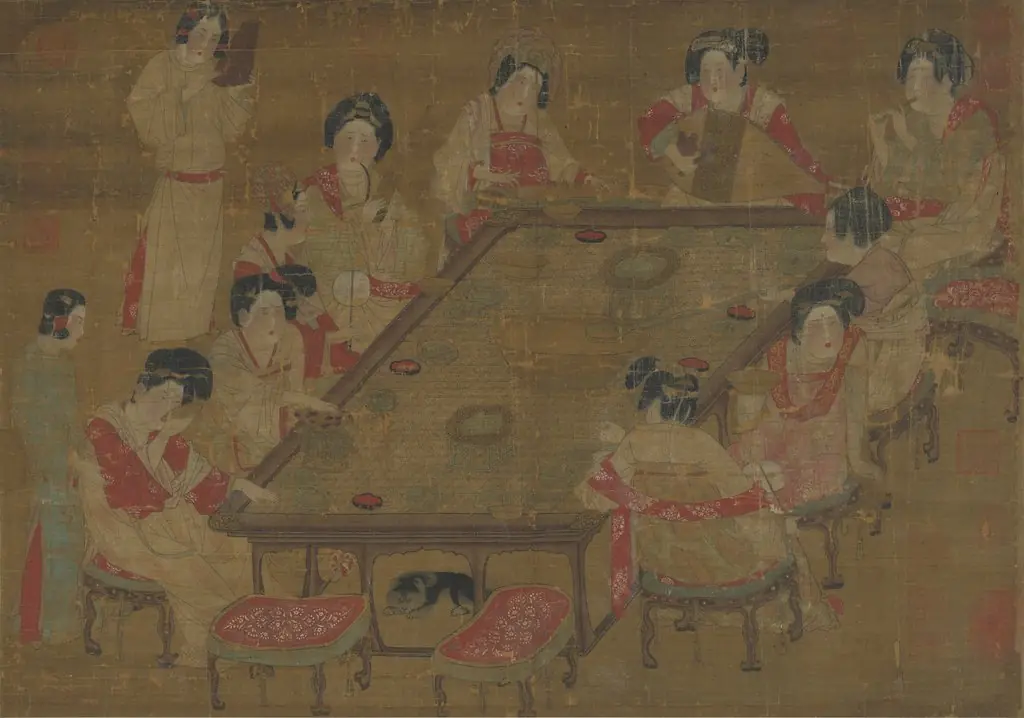
The museum's collection includes some of the most famous artifacts in Chinese art history. Notable items include the 'Ta Yü' painting on silk and 'Whispering Pines in the Mountains' by Li Tang. The museum holds the world's largest collection of jade artifacts, with over 21 pieces out of fewer than a hundred surviving examples of specific types. Other significant holdings include ritual bronzes, porcelain, lacquerware, enamelware, and rare books ranging from ancient manuscripts to imperial archives. The museum also maintains a rotating exhibition of paintings and calligraphy, changing every three months to protect these delicate works from light damage.
Significance & Legacy
The National Palace Museum is of immense cultural significance as it preserves a vast portion of the Chinese imperial art collection, offering a unique window into over four millennia of Chinese artistic and cultural development. Its collection illustrates the evolution of Chinese art from the Shang dynasty to the Qing dynasty, making it an invaluable resource for scholars and the public alike. The museum has faced challenges, including incidents of artifact damage and controversies over digital image security, which have sparked debates on institutional management and transparency. Despite these challenges, it remains a premier destination for the study and appreciation of Chinese art and history.
What to see at National Palace Museum
Start with One Hundred Horses by Giuseppe Castiglione.

Plan your visit
National Palace Museum
- Website
- www.npm.gov.tw
What's on
- Sacrifice and Warfare: Guide to Ancient Weapons1 Dec 2023 – 9 Aug 2026
- The Splendor of Dream of the Red Chamber17 May 2024 – 15 Aug 2027
- The Return of Mythical Creatures in Artifacts (I) (II)20 Mar 2026 – 30 Aug 2026
- Solitary Elegy / Splendor: Cultural Imagery of the Chuci and the Dragon Boat14 Apr 2026 – 21 Jun 2026
- Spotlight on National Treasures 2026-II14 Apr 2026 – 21 Jun 2026
- Qianlong and His Impostors: Authentic and Ghostwritten Works of Emperor Qianlong's Calligraphy21 Apr 2026 – 5 Jul 2026
- #Antiquities Tibetan Dragon Canon: A Symphony of Imperial Power, Belief, and Art in a Golden Age (I) (II)9 May 2026 – 8 Nov 2026