Artwork
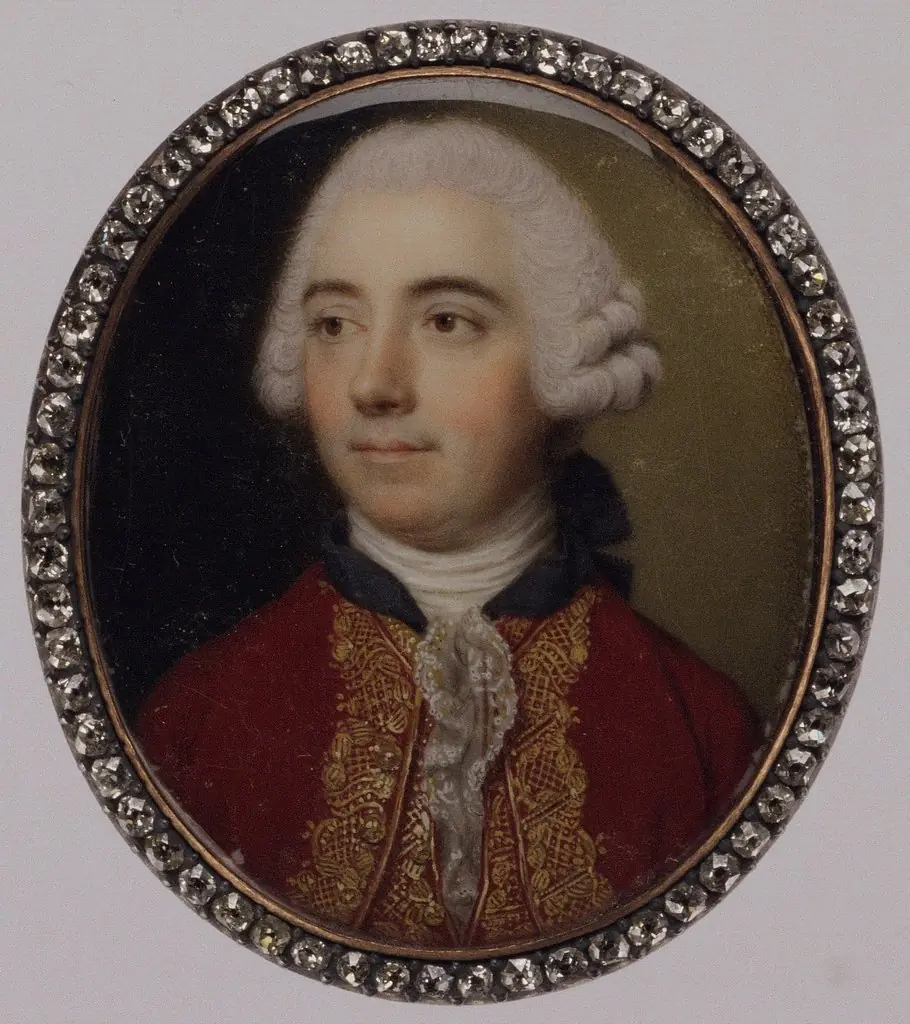
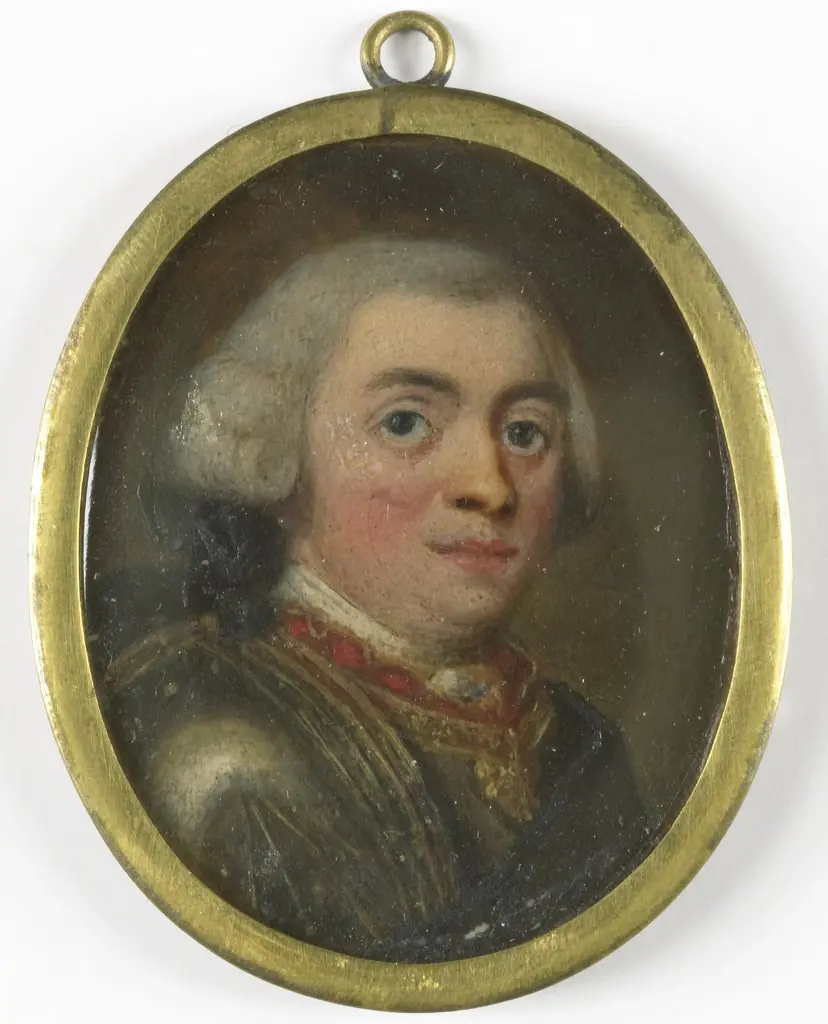
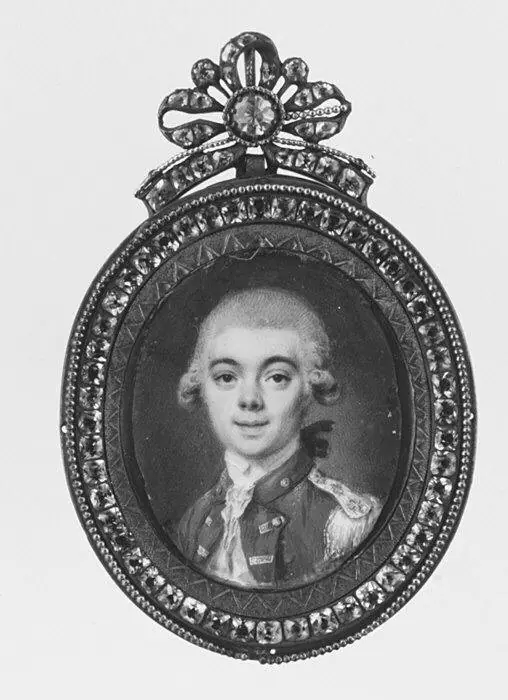
Portrait of a man
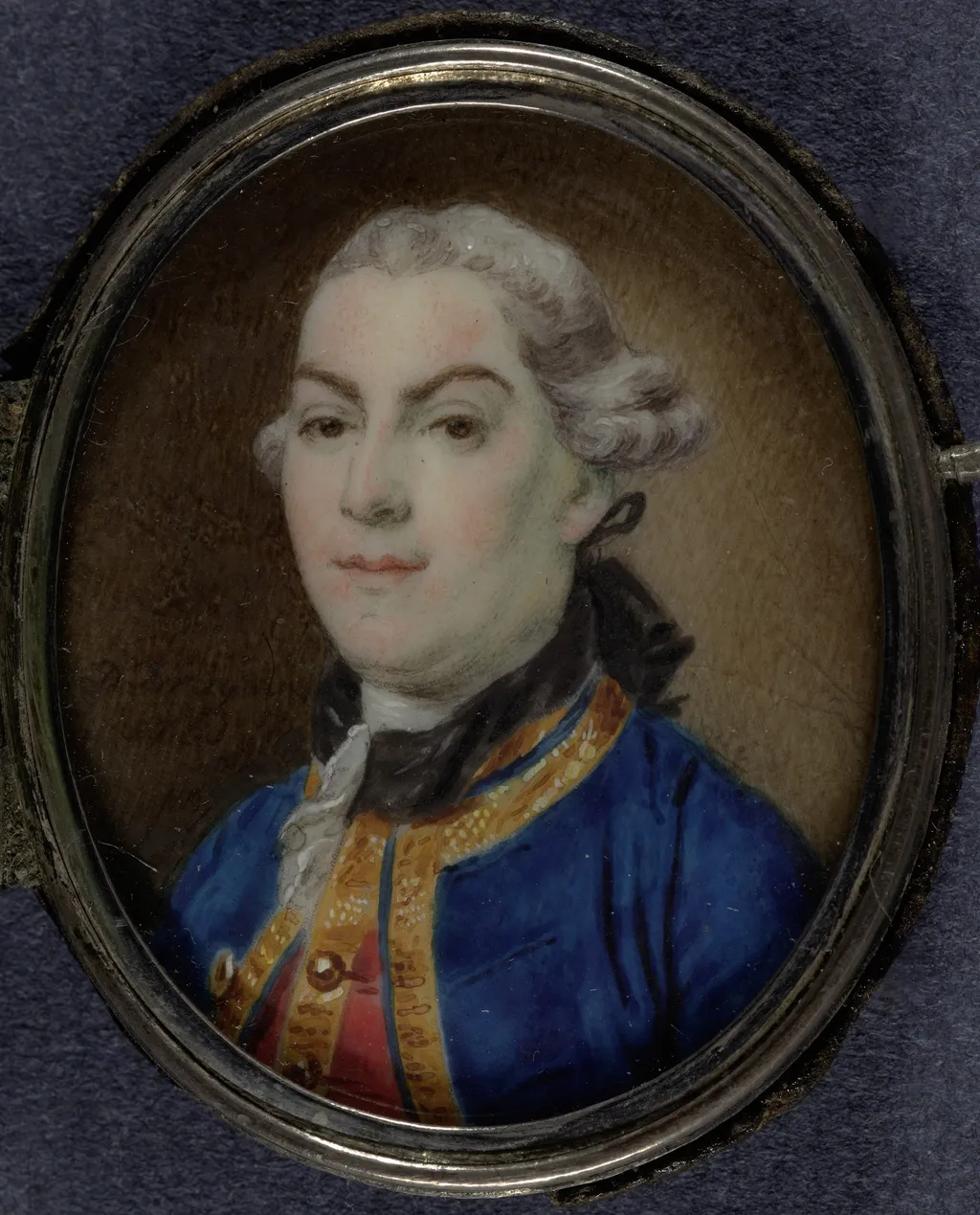
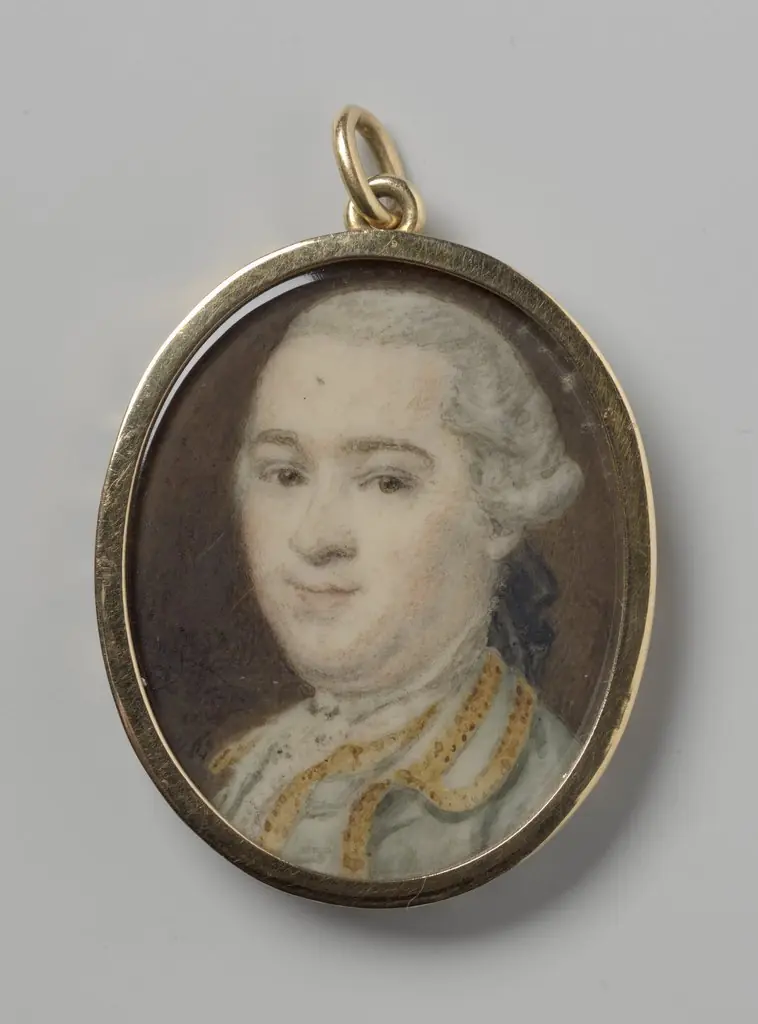
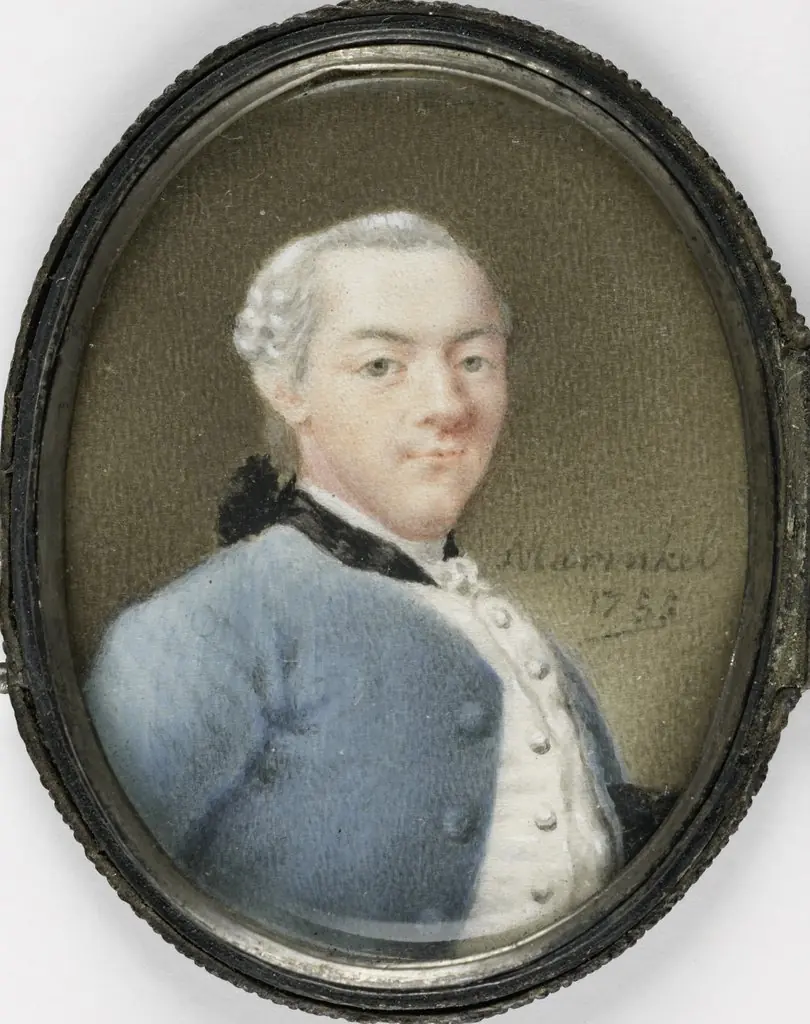
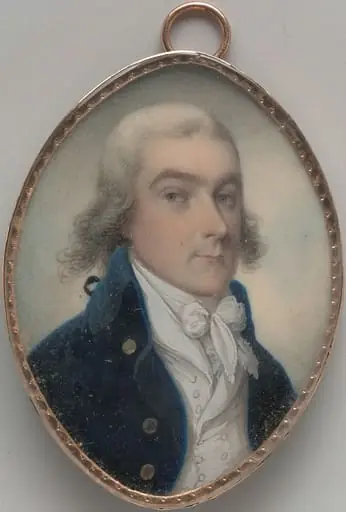
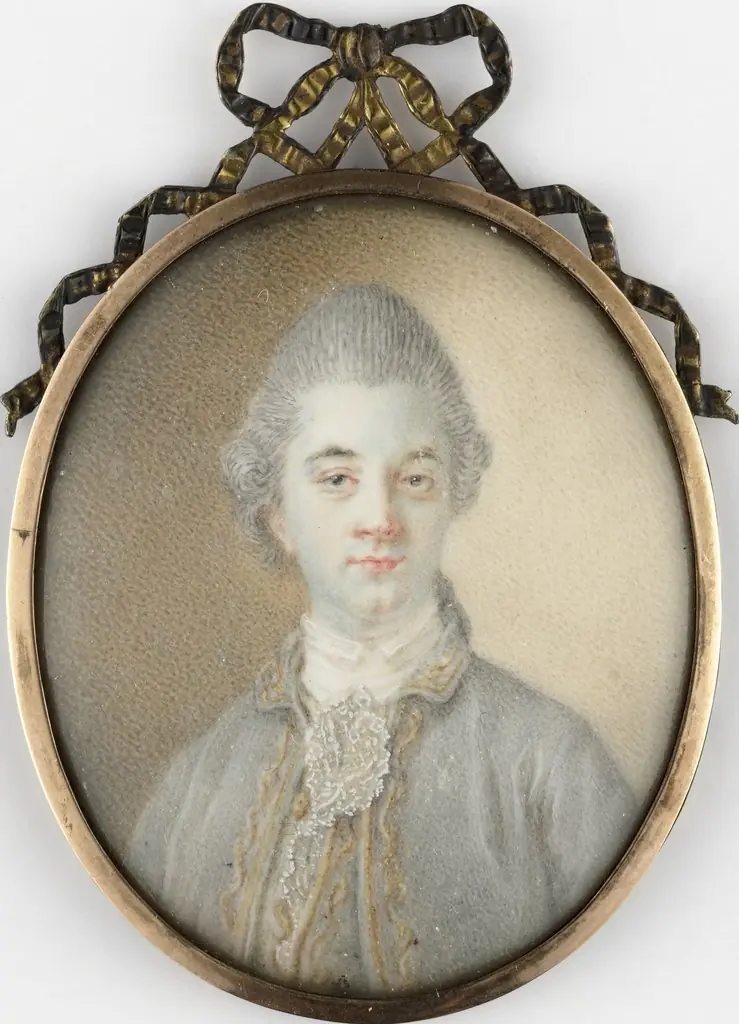
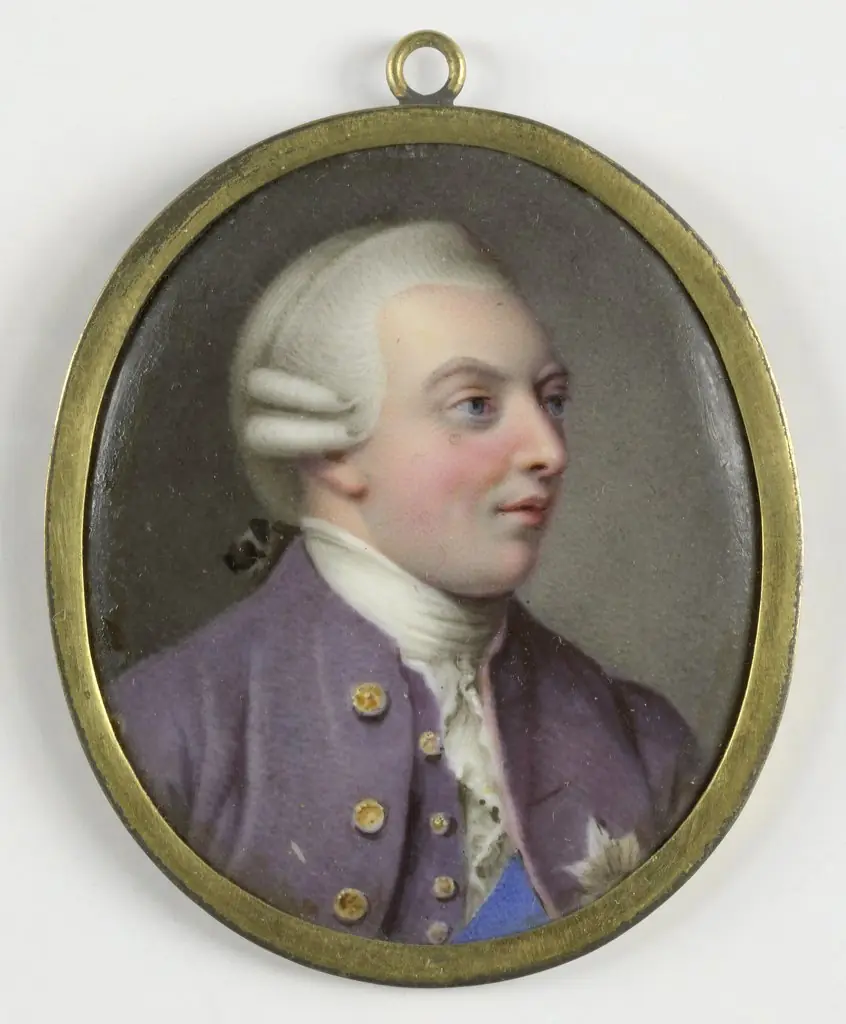
Portrait of a man is an ivory painting by the Rococo painting artist Daniël Bruyninx. It dates from 1761 and is held in the collection of the Rijksmuseum.
About this work
Overview
Created in 1761 by Dutch artist Daniël Bruyninx, this oval portrait presents a solitary male sitter. The work is executed on ivory, a material seldom employed for portraiture, and is part of the Rijksmuseum’s collection. Its compact format and restrained composition focus attention on the figure’s attire and expression.
Subject & Meaning
The sitter is shown with light hair gathered at the back, a pale complexion, and direct, steady eyes. He wears a dark coat over a blue vest, accented by a vivid yellow‑orange sash and a white cravat. The plain background isolates the figure, suggesting an emphasis on personal identity rather than narrative context.
Technique & Style
Bruyninx employed a carving technique that treats the ivory surface much like a painted canvas, allowing subtle gradations of tone. The relief work yields soft edges, while the limited palette—dark coat, blue vest, bright sash—creates visual contrast. Areas of color appear slightly faded, a characteristic effect of ivory’s translucency over time.
History & Provenance
Since its completion in the mid‑18th century, the portrait has remained in the Netherlands, eventually entering the Rijksmuseum’s holdings. The museum’s acquisition records indicate it was part of a broader collection of ivory works, reflecting historical interest in the medium’s rarity and decorative appeal.
Context
Portraits on ivory were uncommon in the Dutch Enlightenment period, where oil on canvas dominated. Bruyninx’s choice of material aligns with a niche tradition of miniature and luxury objects, often commissioned by affluent patrons seeking a portable, refined likeness. The work thus illustrates a convergence of artistic skill and material opulence.
Artist & collection