Artwork
Garland of Flowers with Madonna and Child
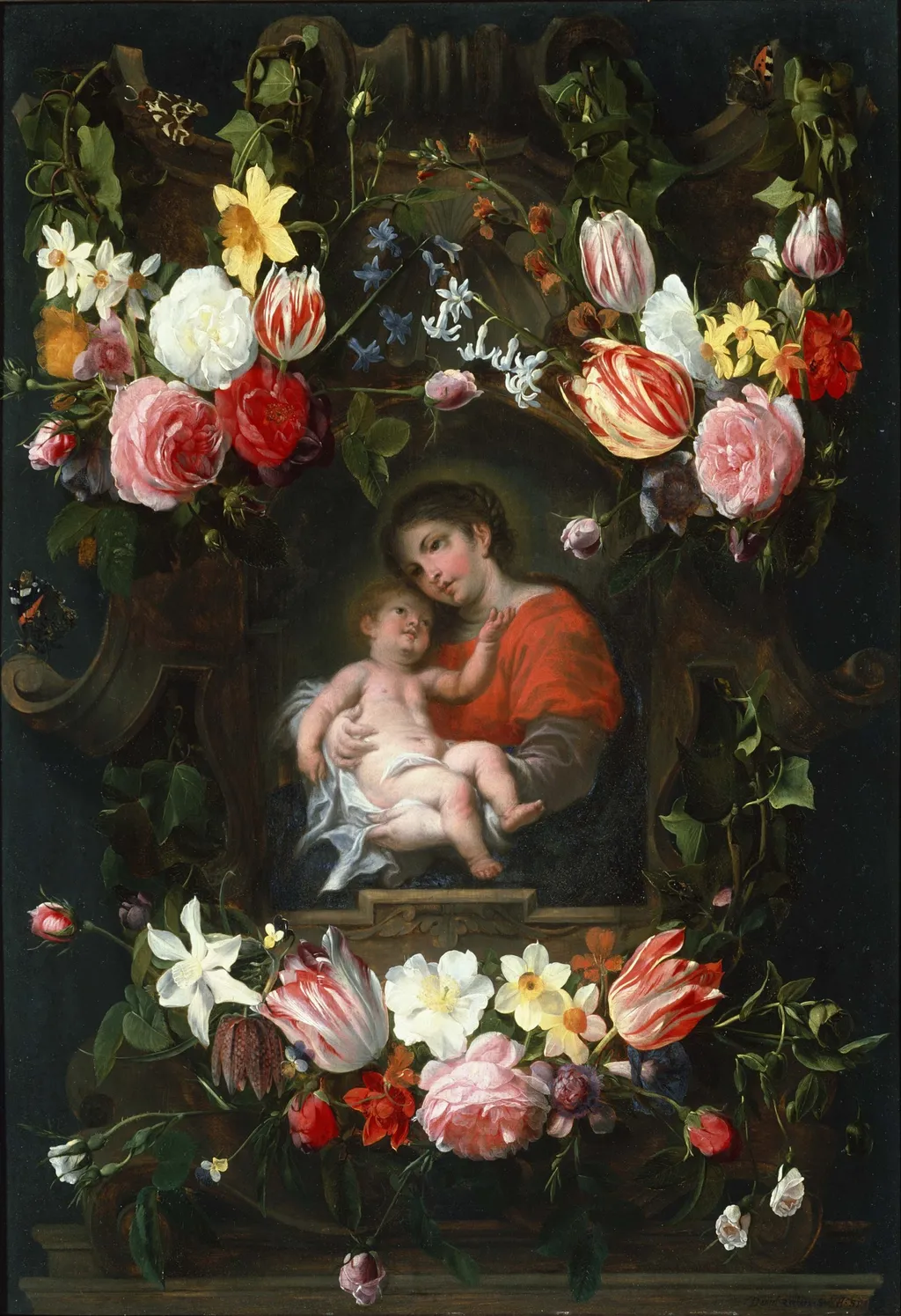
Garland of Flowers with Madonna and Child is an oil painting by the Flemish Baroque painting artist Daniel Seghers. It dates from 1624 and is held in the collection of the National Museum of Western Art.
About this work
Overview
Seghers combined devotional imagery with intricate botanical detail, creating compositions where sacred figures are encircled by meticulously rendered blooms.
Painted in 1624 by Daniel Seghers, a Flemish Jesuit brother, this oil on panel work belongs to the flower garland tradition that emerged in early 17th-century Antwerp. Seghers combined devotional imagery with intricate botanical detail, creating compositions where sacred figures are encircled by meticulously rendered blooms. The painting reflects the fusion of religious devotion and naturalistic observation characteristic of Flemish Baroque art.
Subject & Meaning
The Virgin Mary, dressed in red, holds the Christ Child, who is swaddled in white linen. They are framed by a dense, circular arrangement of flowers, symbolizing both earthly beauty and divine grace. The garland acts as a visual altar, elevating the sacred figures through nature’s abundance. This iconography aligns with Counter-Reformation ideals, using sensory richness to inspire contemplation and reverence.
Technique & Style
Seghers employed fine brushwork to render individual petals, leaves, and textures with scientific precision. Layers of glaze create luminous depth, while subtle shading gives volume to both flora and figures. The composition is structured with symmetry, drawing the eye inward toward the central figures. Bright, saturated hues enhance the vibrancy of the blooms without overwhelming the devotional focus.
History & Provenance
Created during Seghers’s time in the Jesuit order, the painting was likely commissioned by a Catholic patron seeking devotional art with aristocratic appeal. Its detailed execution and symbolic content made it desirable among European collectors. The work remained within private collections, reflecting its status as a refined object of both spiritual and aesthetic value in the 17th century.
Context
Flower garland paintings flourished in Antwerp as part of a broader trend linking naturalism with religious expression. Seghers collaborated with figure painters who rendered the central sacred forms, while he focused on the floral surrounds. This division of labor was common in Flemish workshops and responded to elite tastes for luxurious, symbolic still-life devotions during the Counter-Reformation.
Legacy
Seghers’s approach influenced a generation of Northern European painters who adopted the garland format. His works were copied and adapted across regions, establishing a visual language that blended horticultural accuracy with spiritual symbolism. Though the genre declined after the 17th century, his technique remained a reference point for later still-life artists interested in botanical realism.
Own this work as a print
Artist & collection
Artist
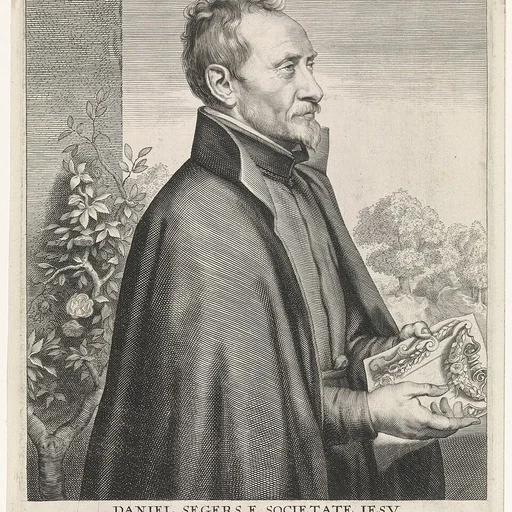
Daniel Seghers (3 December 1590 – 2 November 1661) was a Flemish Jesuit brother and painter who specialized in flower still lifes.

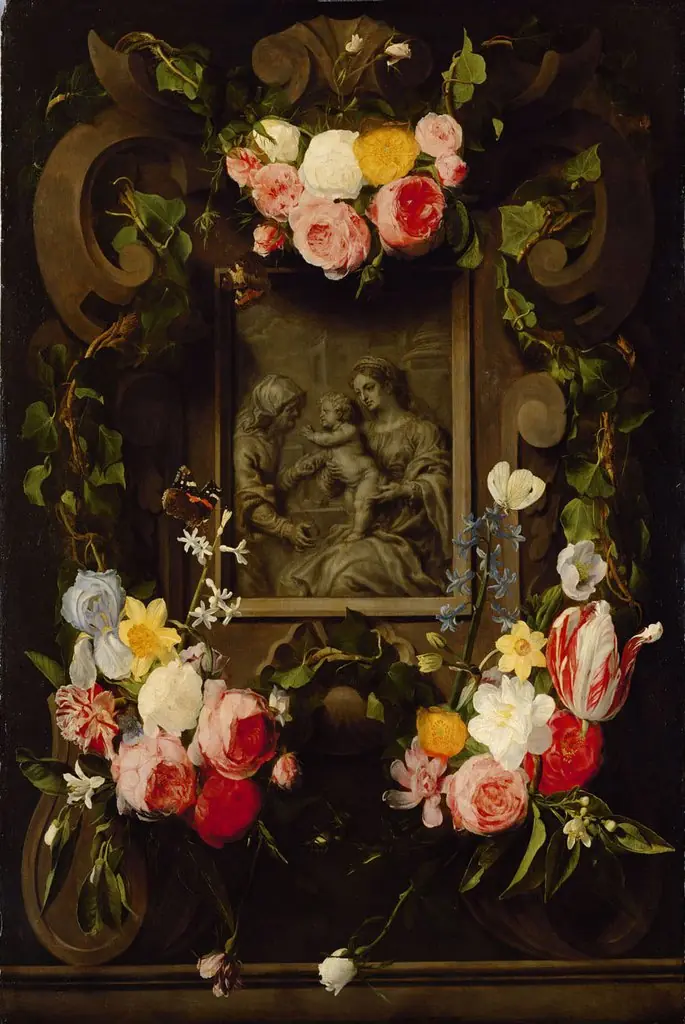 Madonna and Child with St Anna in a Flower Garland
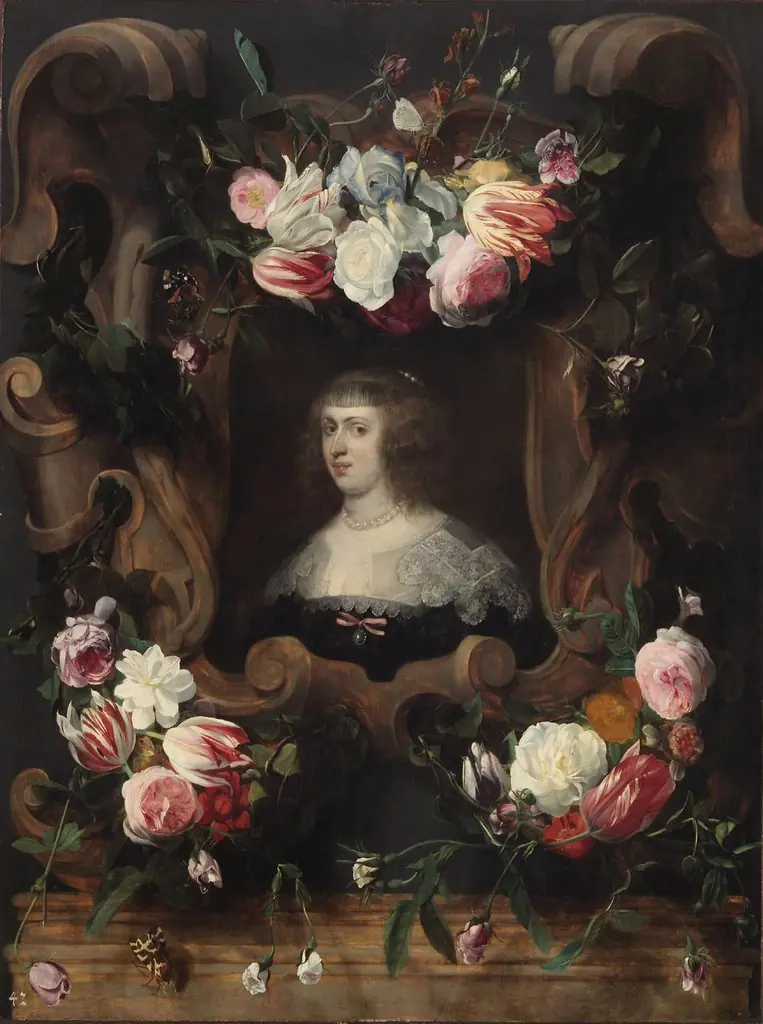 Cartouche decorated with flowergarlands surrounding a portrait of archduchess Maria Anna of Austria (1610-1665)
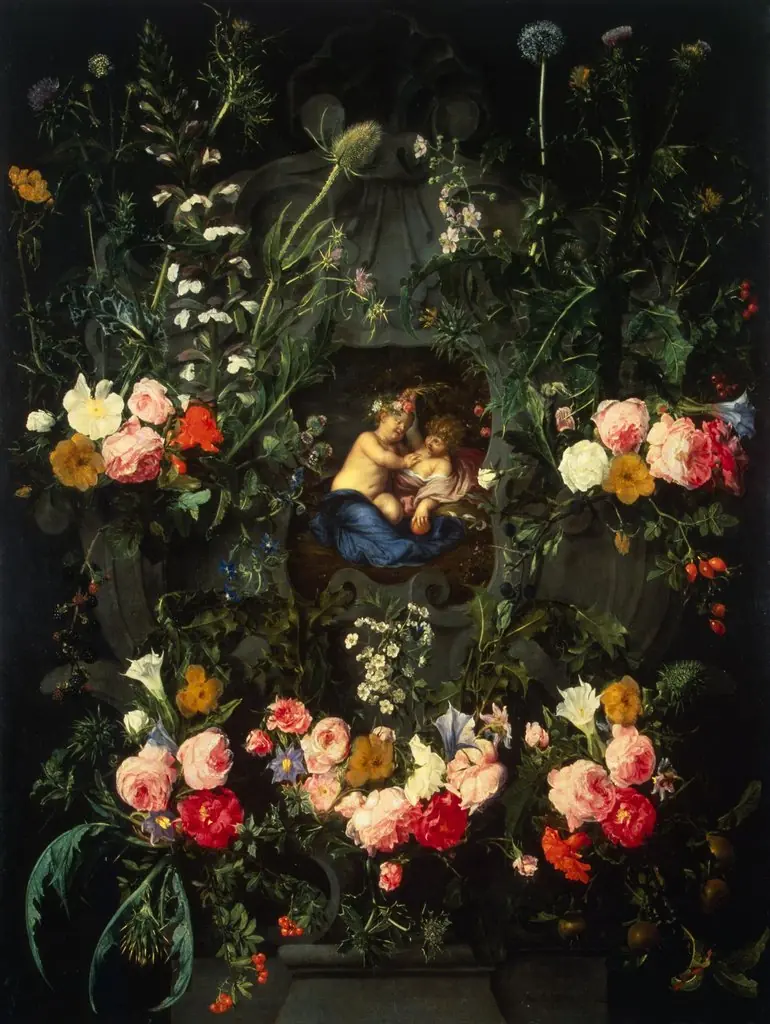 Garland of Flowers Around a Cartouche with Jesus and St John the Baptist as Children
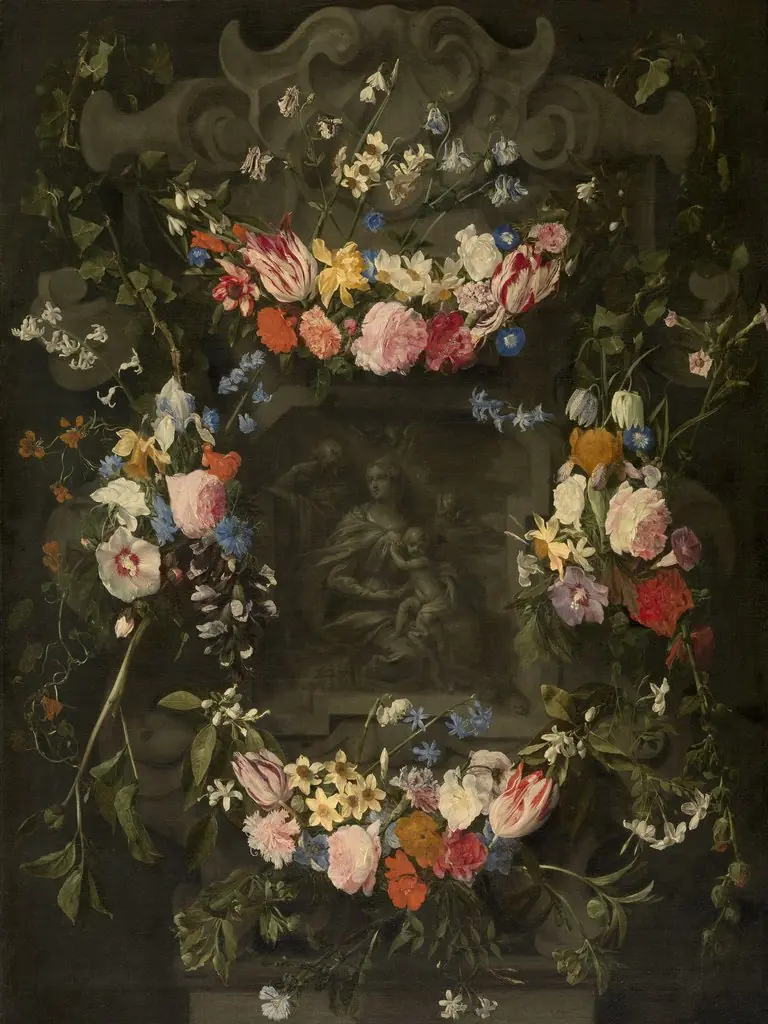 Holy Family in a Flower Garland
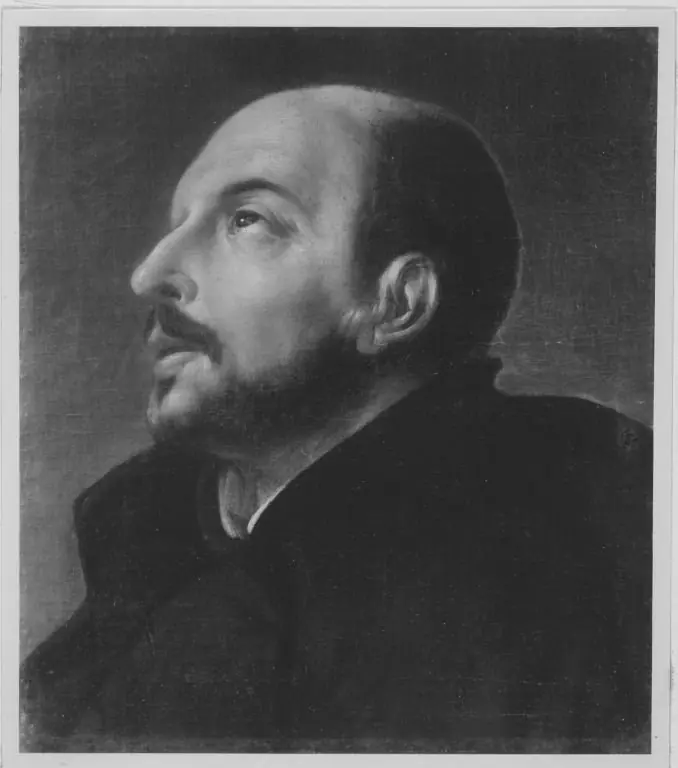 Bust portrait of Ignatius of Loyola
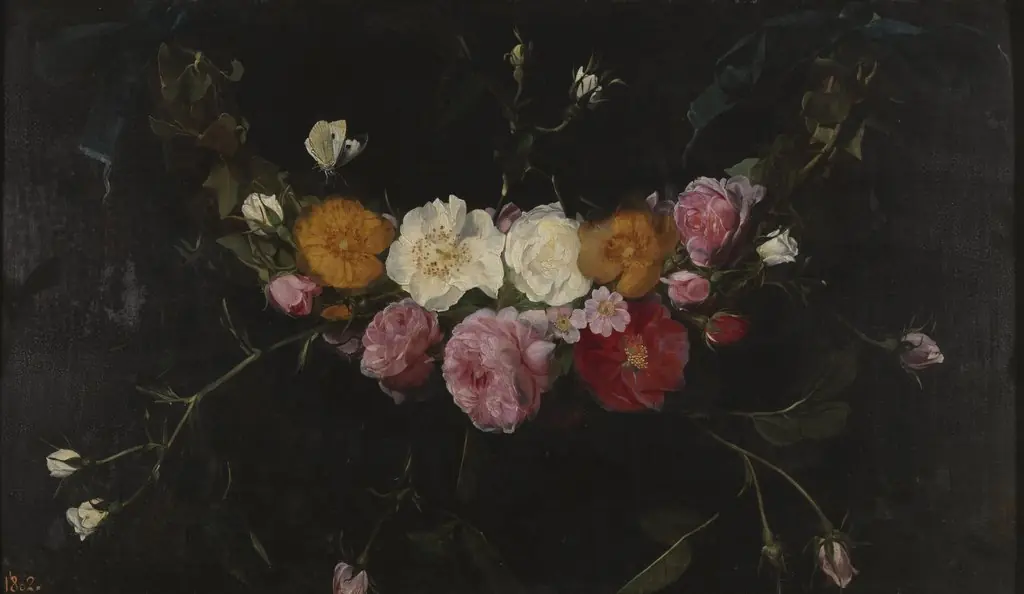 Garland of Roses
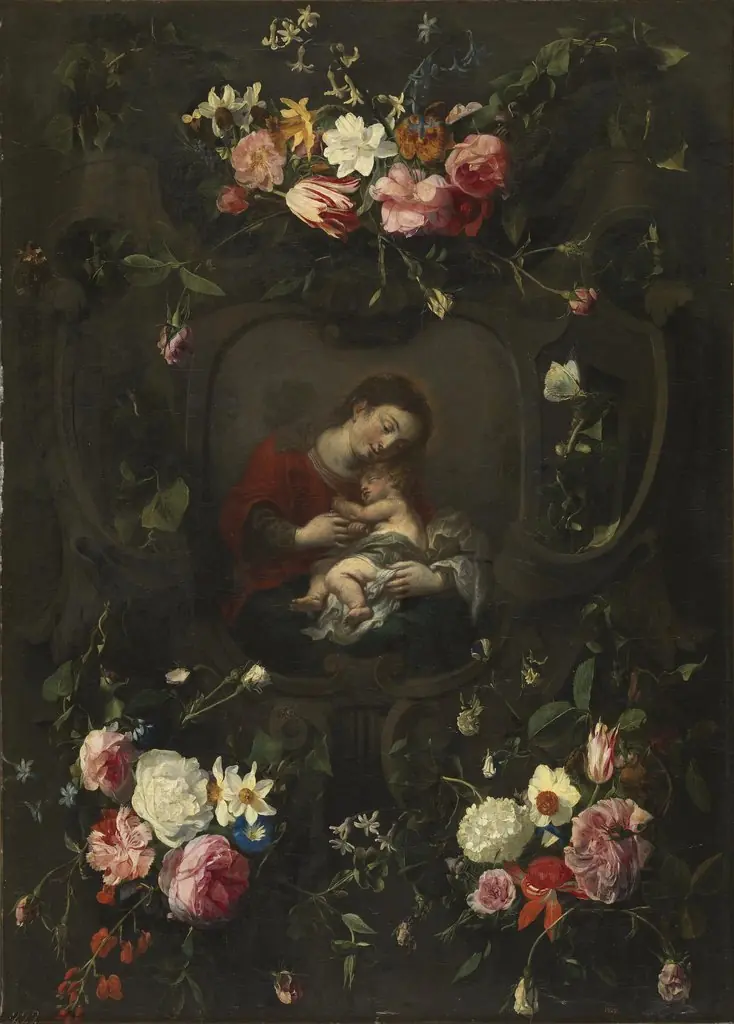 Flower garland around a Madonna and Child
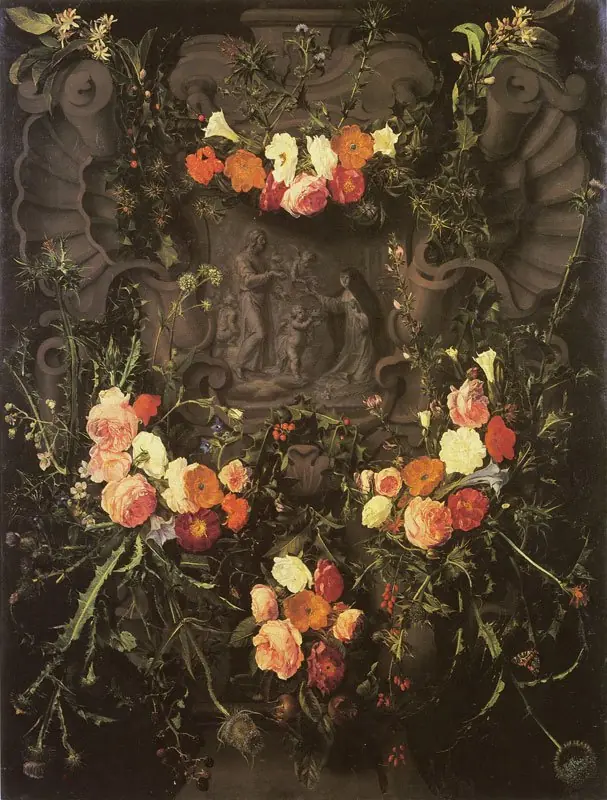 Saint Catherine of Siena Surrounded by a Garland of Flowers
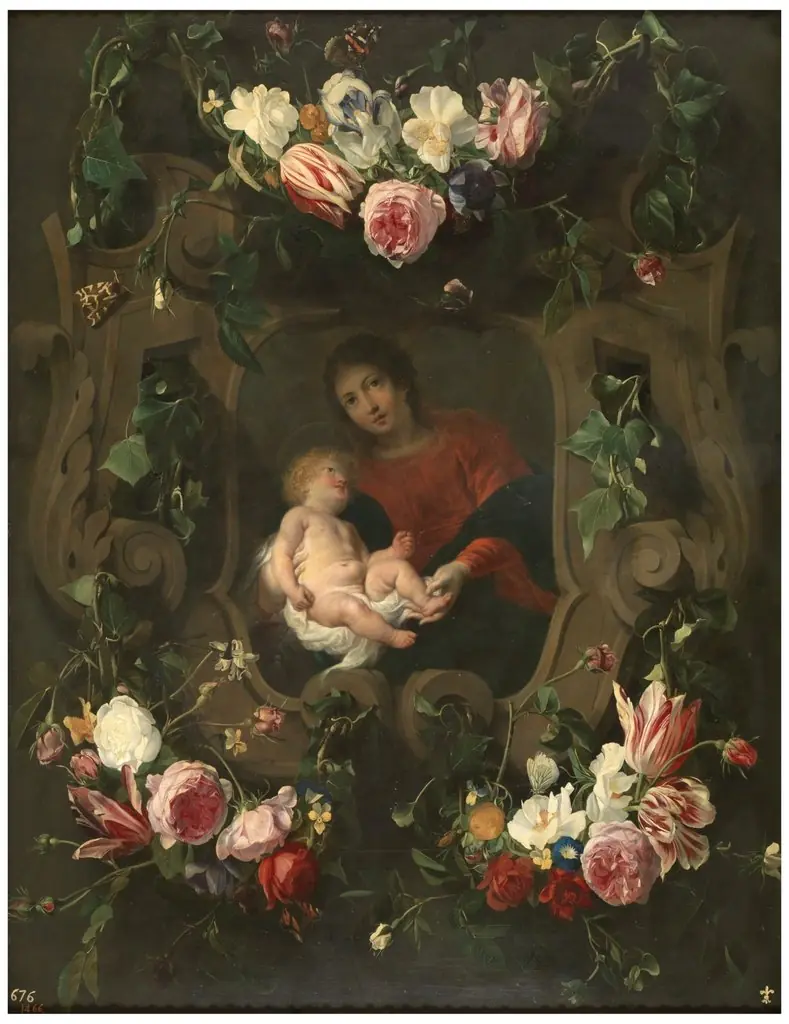 Flower garland around the Virgin and Child
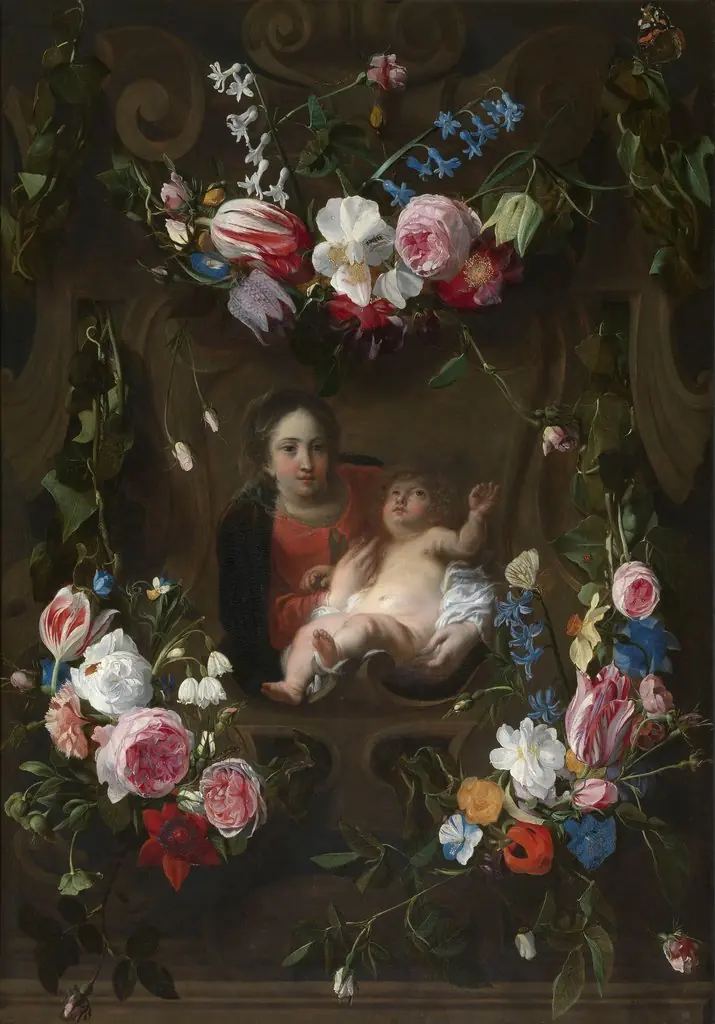 Madonna Surrounded by a Garland of Flowers
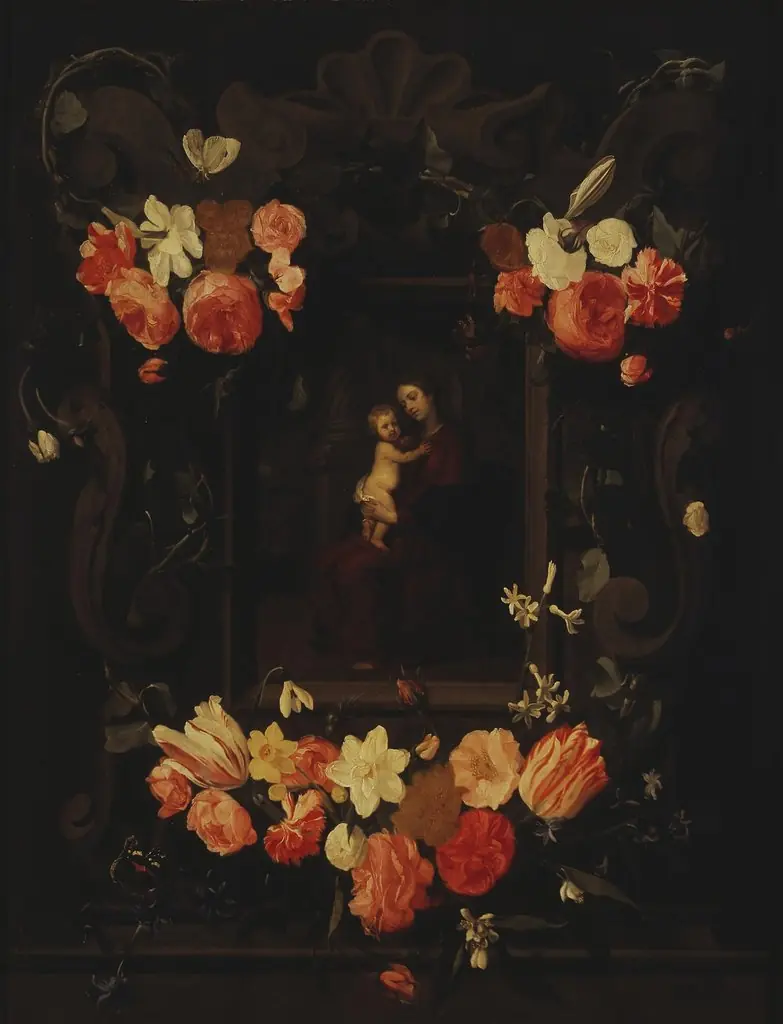 Madonna and Child Framed a Garland of Flowers
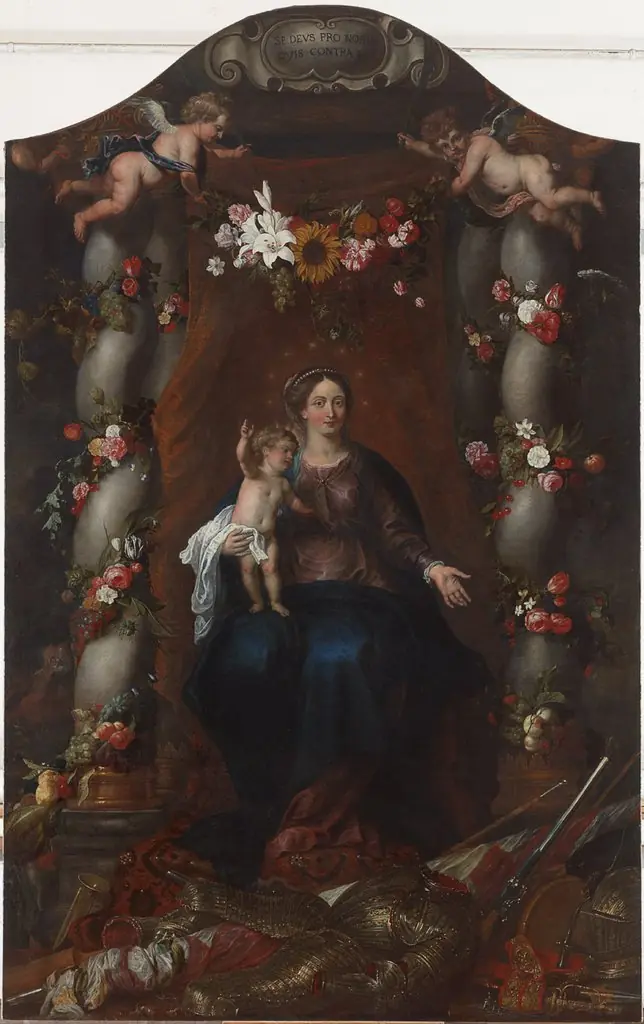 Madonna and Child Enthroned in a Fruit & Flower Garland
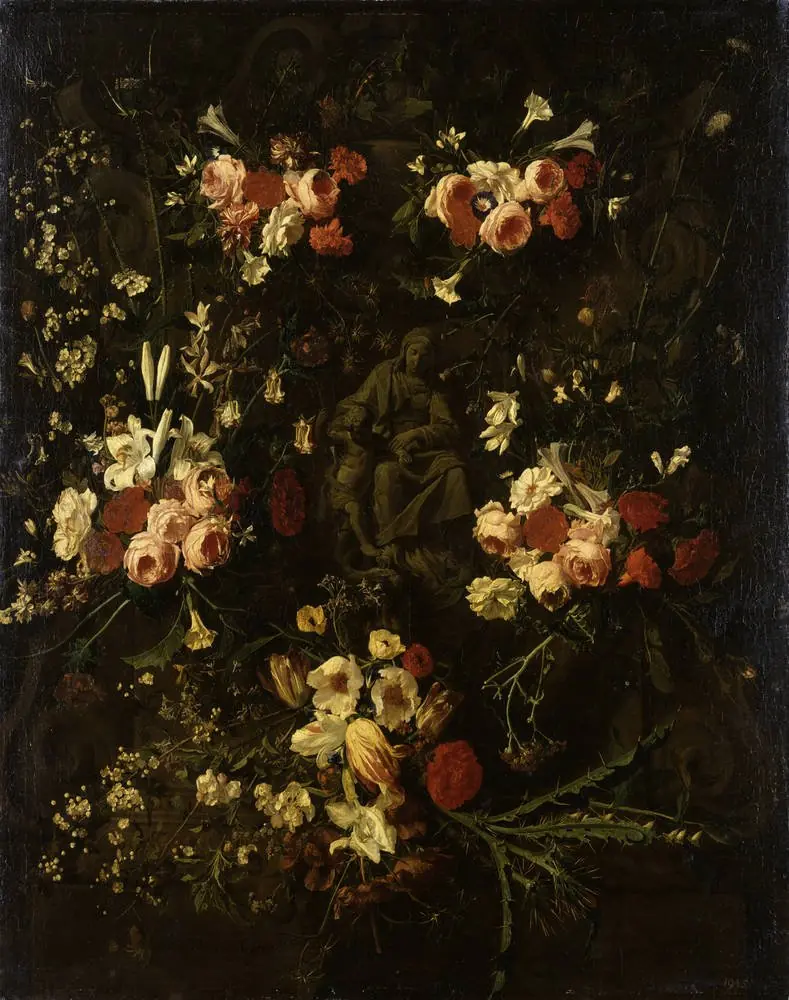 Flower garland cartouche around the Madonna and Child
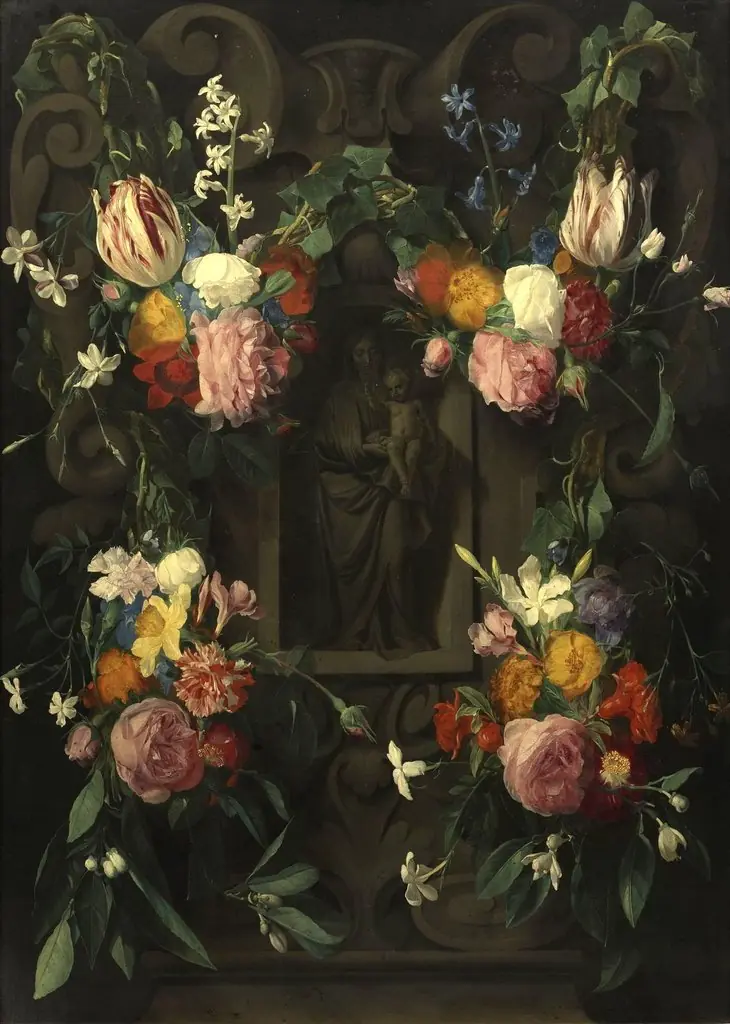 Flower Garland with the Virgin and Child
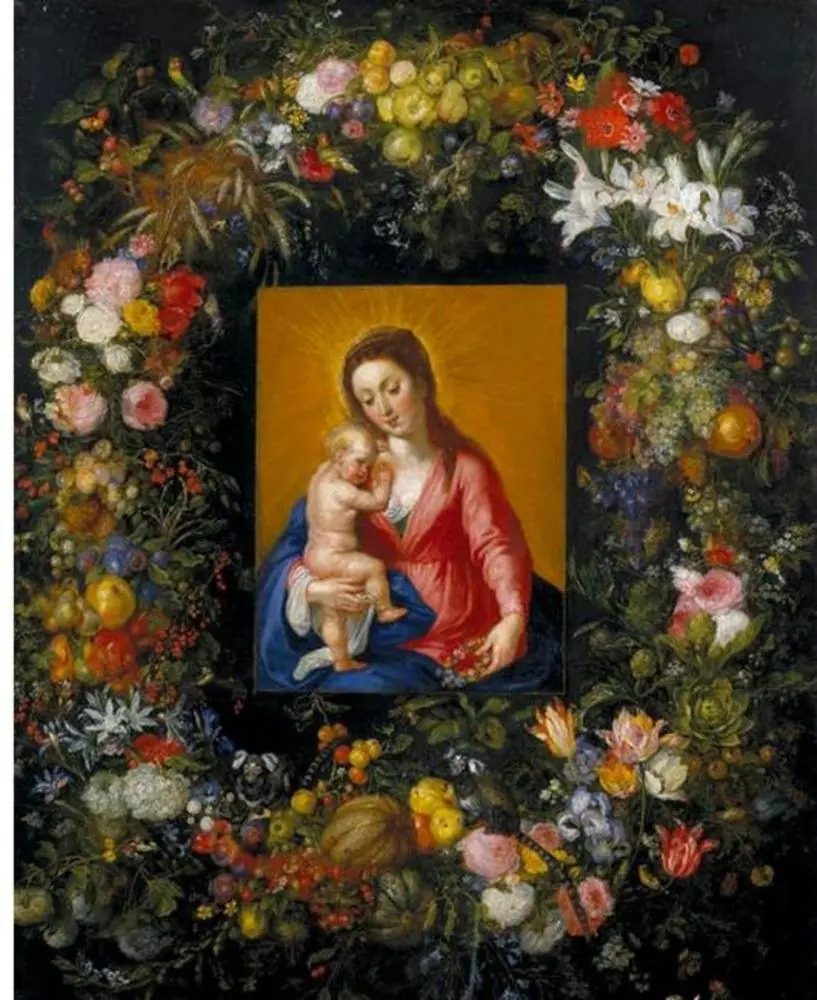 Garland with the Virgin and Child
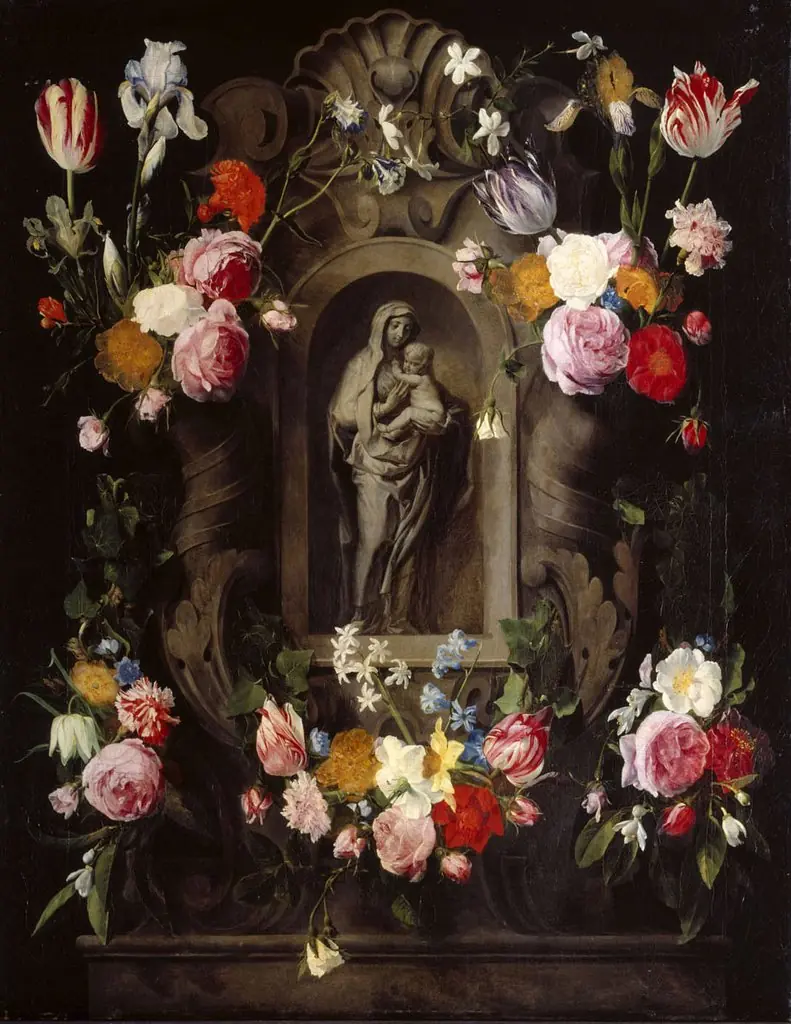 Madonna & Child Statuette in a Niche surrounded by a Garland of Flowers
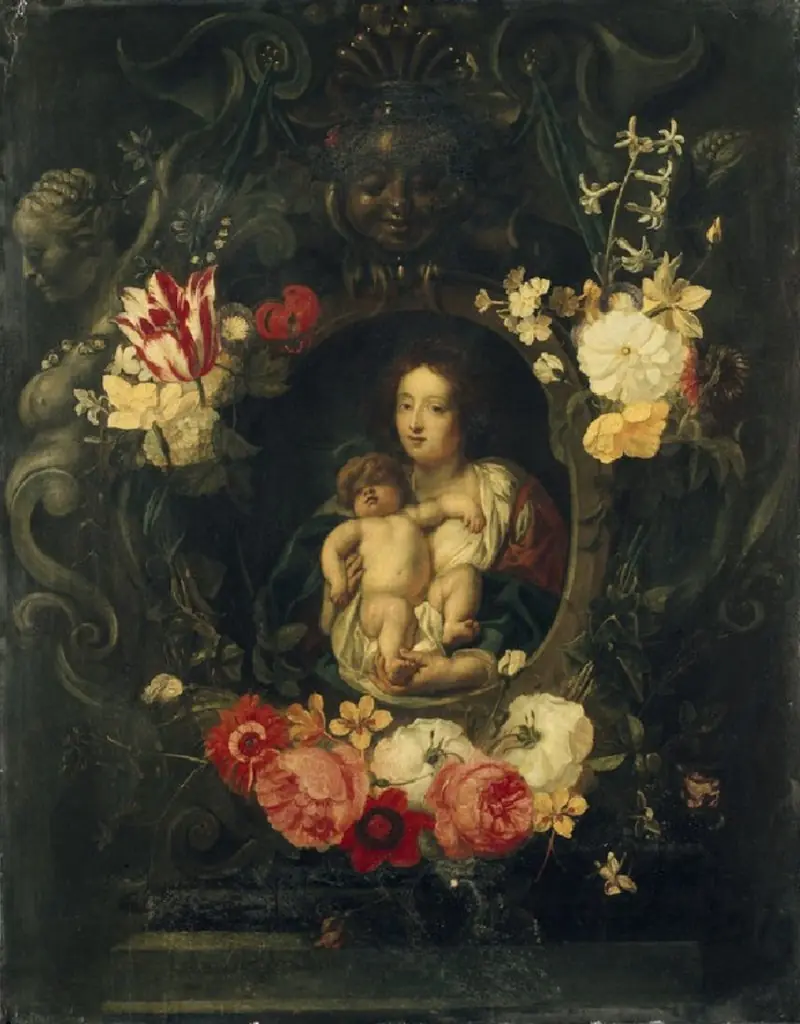 A Garland of Flowers surrounding a Medallion of the Virgin and Child
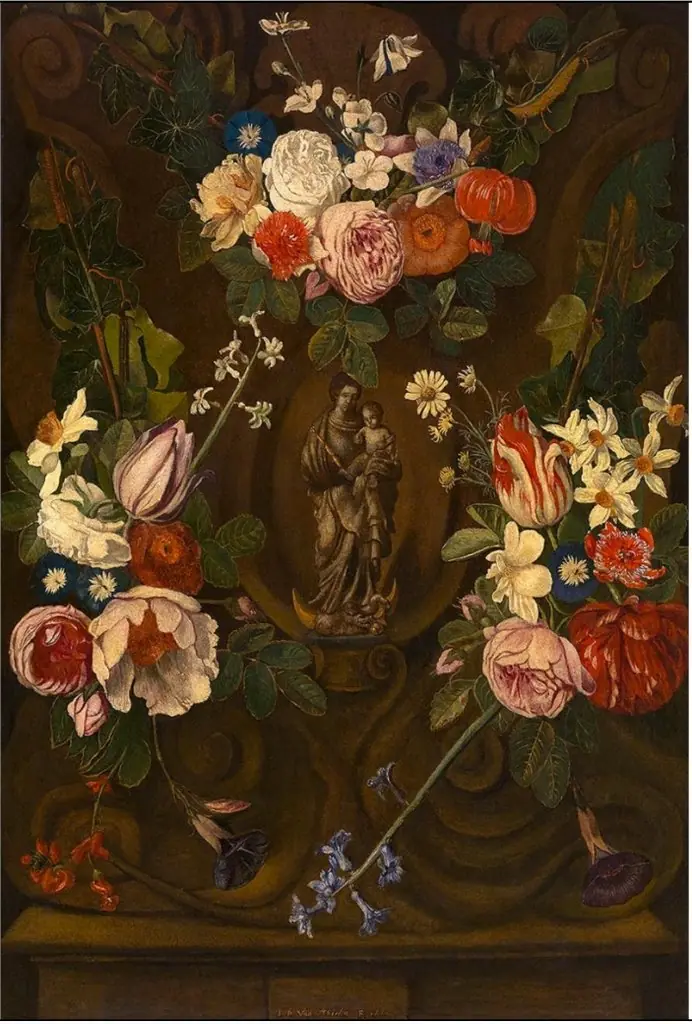 Madonna in a flower garland