Artwork
A Landscape, Tørring, Jutland
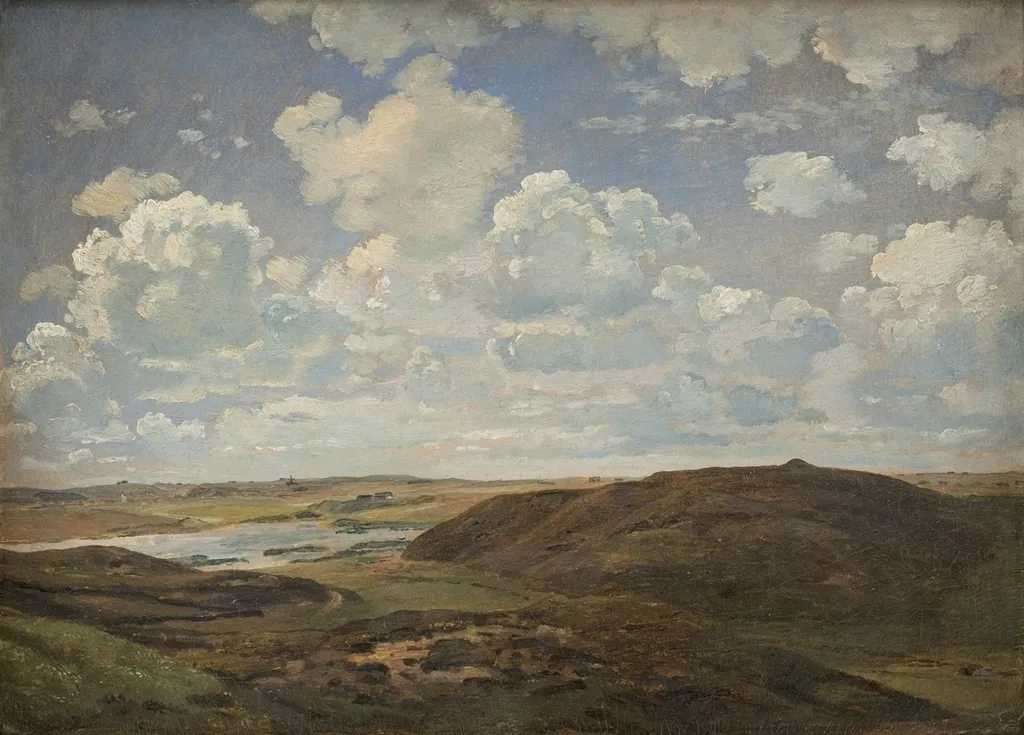
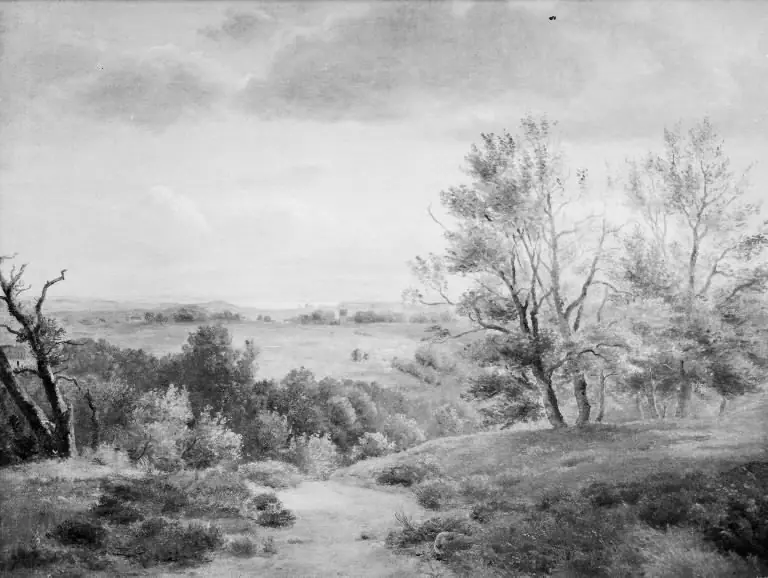
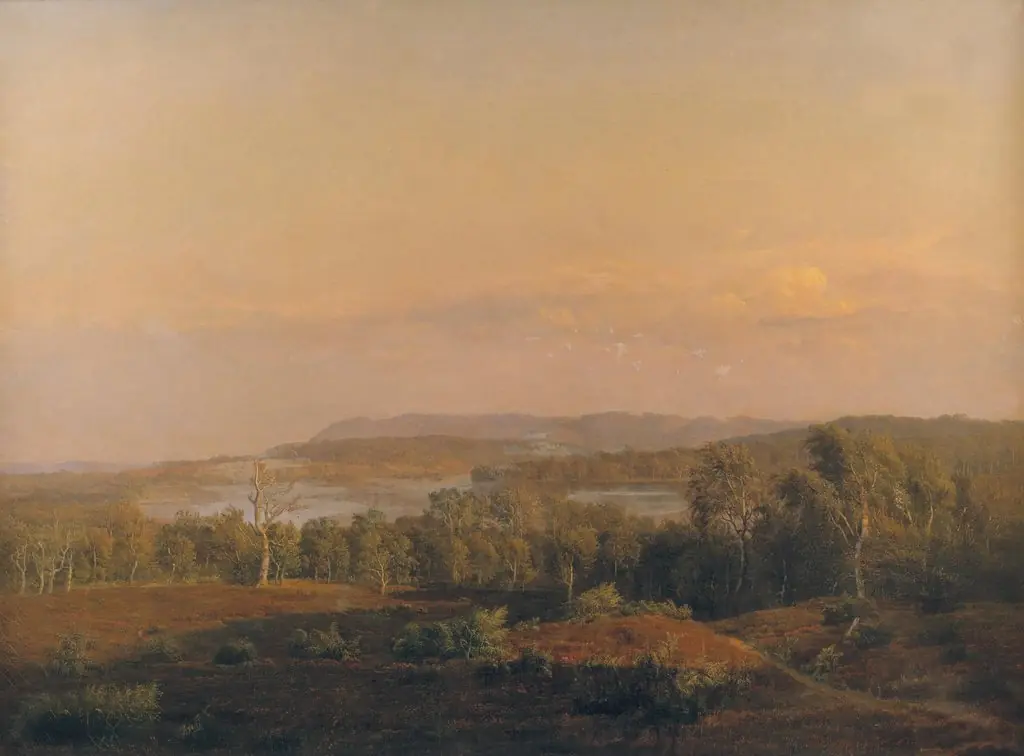
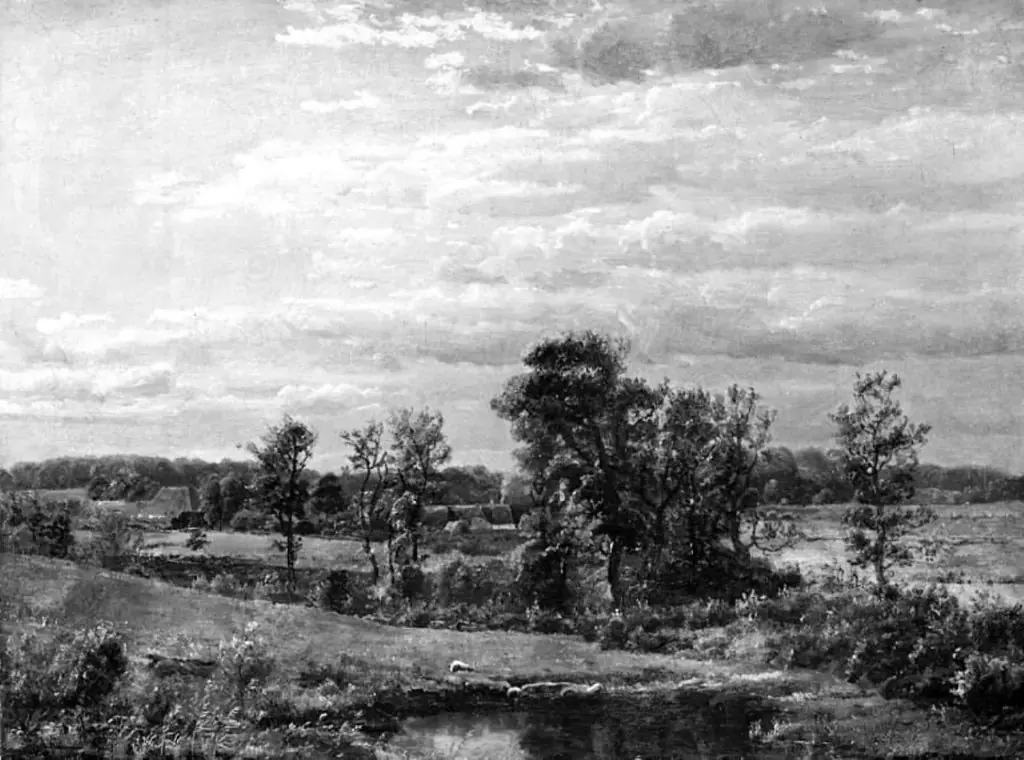
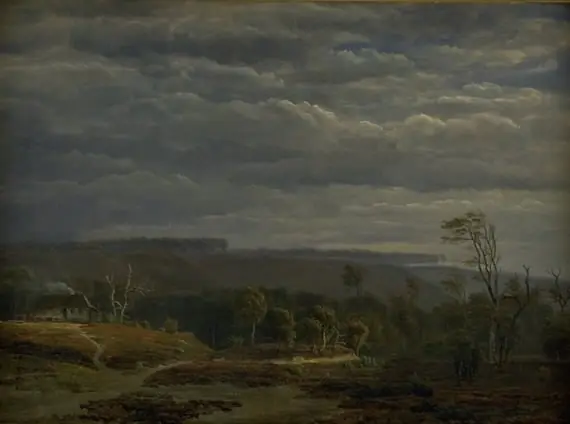
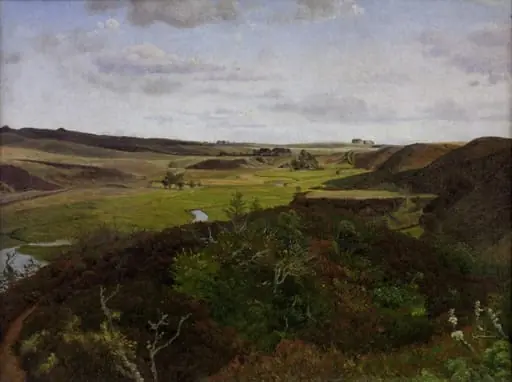
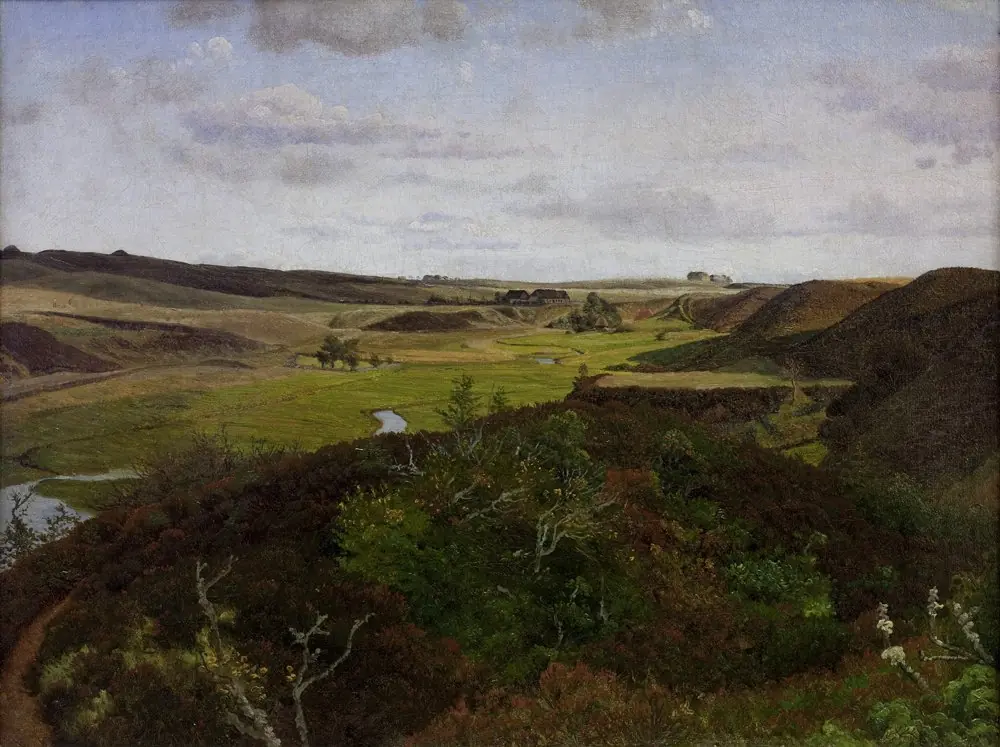
A Landscape, Tørring, Jutland is an unspecified painting by Dankvart Dreyer. It dates from 1843 and is held in the collection of the Statens Museum for Kunst.
About this work
Overview
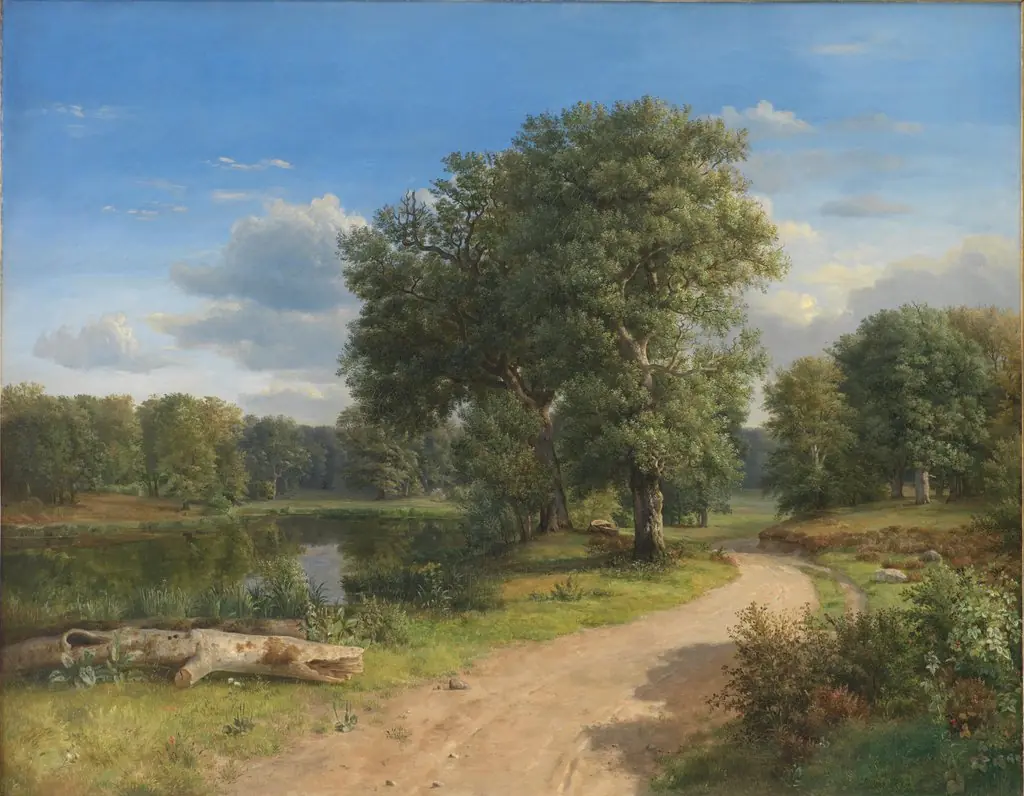
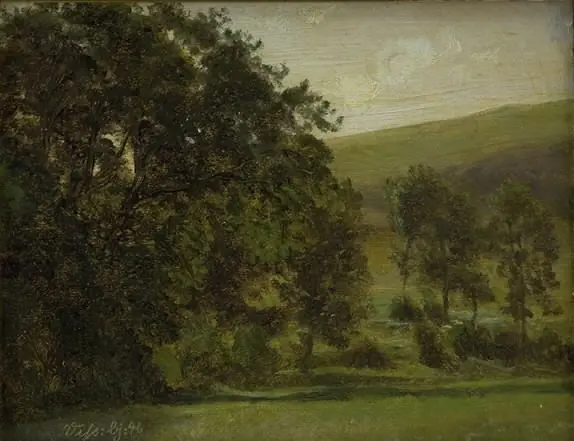
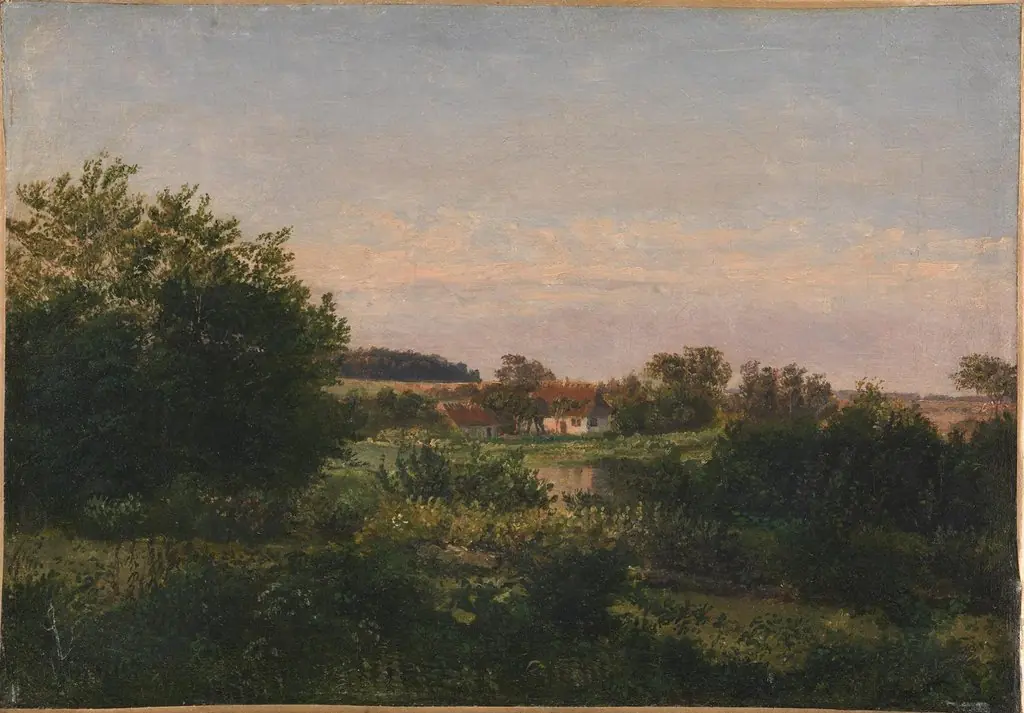
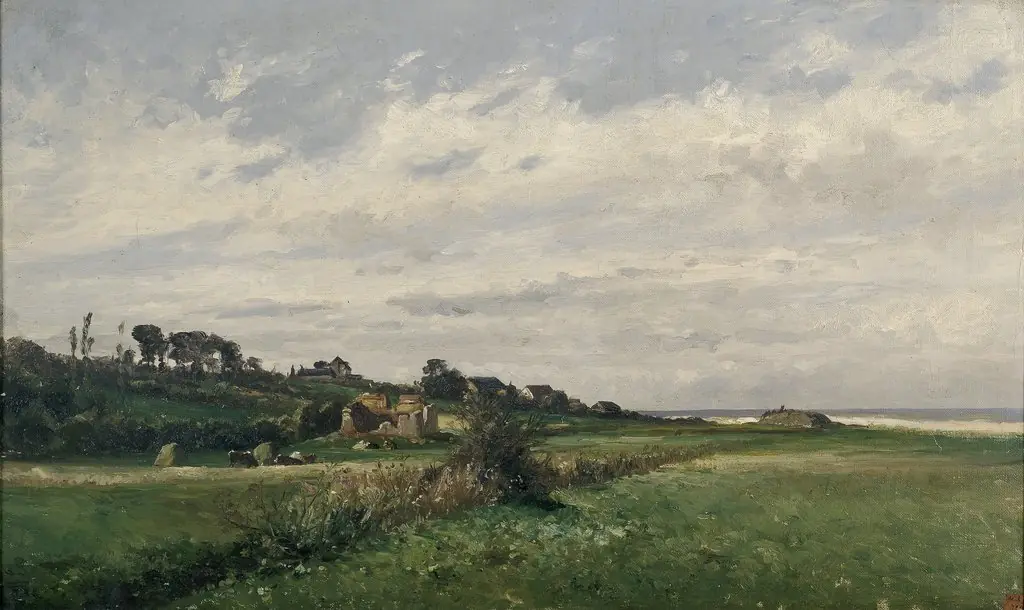
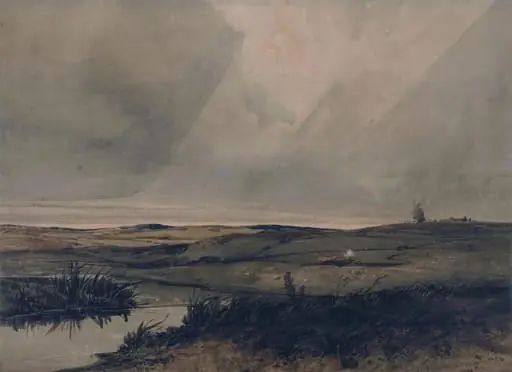
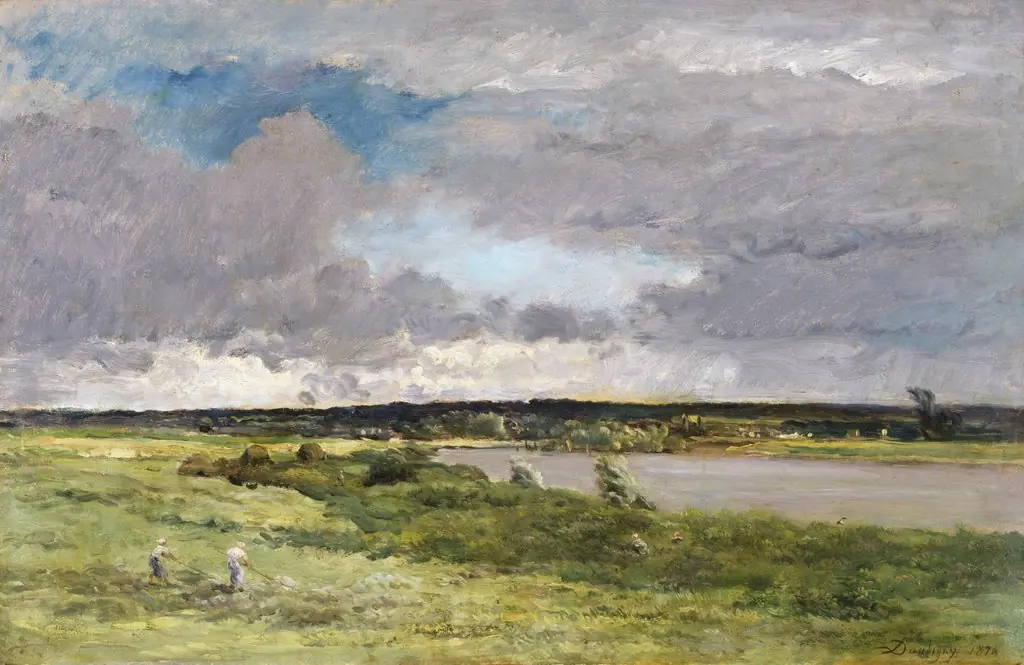
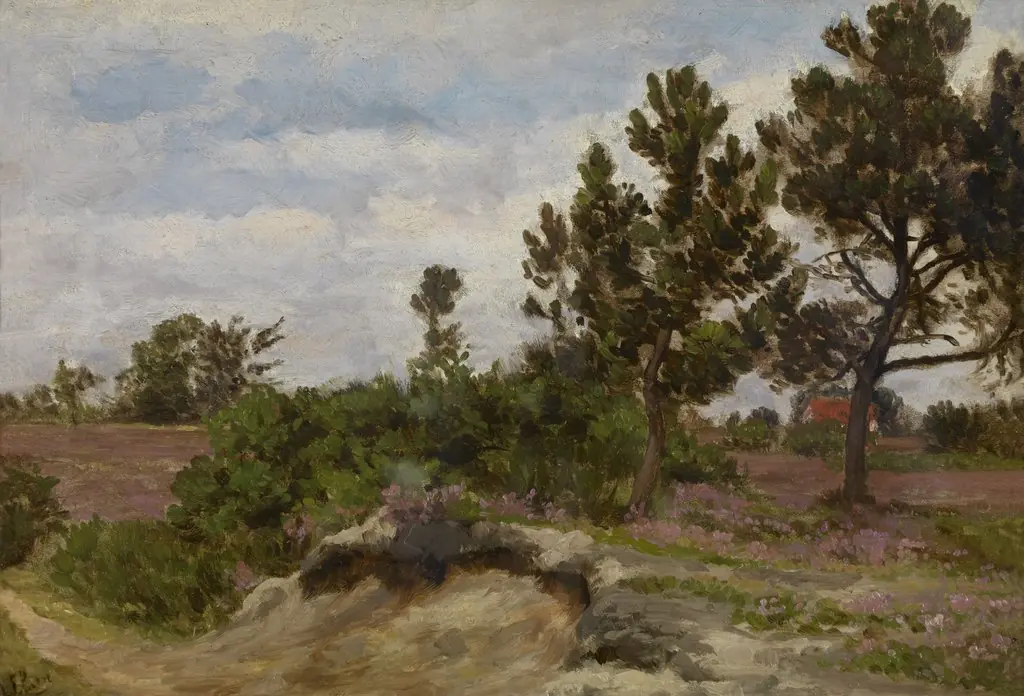
The composition opens onto gently rolling hills that descend toward a tranquil body of water, all under a clear blue sky dotted with soft white clouds.
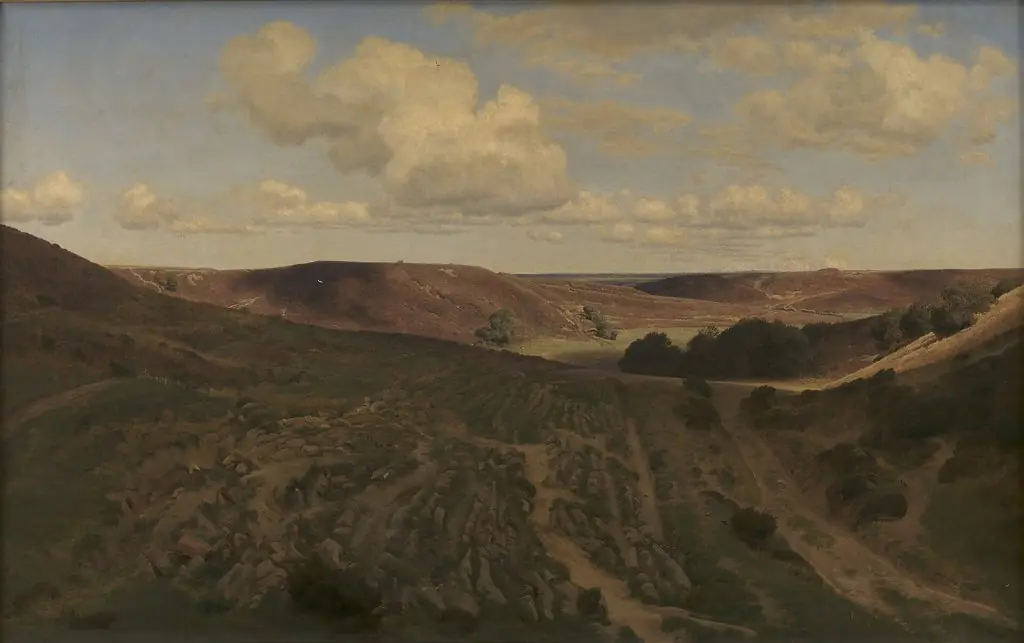
Dankvart Dreyer’s 1843 oil painting titled *A Landscape, Tørring, Jutland* presents a quiet countryside scene in the Danish region of Jutland. The composition opens onto gently rolling hills that descend toward a tranquil body of water, all under a clear blue sky dotted with soft white clouds. The work exemplifies the artist’s early commitment to depicting the Danish landscape with a naturalistic eye.
Subject & Meaning
The picture captures a moment of pastoral calm, emphasizing the harmonious relationship between land, water, and sky. The modest scale of the hills and the placid water surface suggest a timeless, unspoiled environment, inviting contemplation of nature’s steadiness. While no overt narrative is imposed, the serene setting reflects a broader 19th‑century interest in national scenery as a source of cultural identity.
Technique & Style
Dreyer employs a palette of earthy greens, browns, and muted blues, applying bold, expressive brushstrokes that convey texture in the grass and soil. The handling of light creates subtle contrasts, lending depth to the rolling terrain and a sense of atmospheric distance. Though rooted in naturalism, the painter’s vigorous application of paint hints at the emerging Romantic sensibility in Danish landscape art.
History & Provenance
Trained in the studio of Christoffer Wilhelm Eckersberg, Dreyer worked during a period when Danish art was turning toward National Romanticism. His approach, however, diverged from prevailing academic tastes, attracting criticism and contributing to his early obscurity. Dreyer died of typhus in 1852 at the age of thirty‑six; his oeuvre was largely overlooked until later reassessments recognized his contribution to Danish landscape painting.
Context
The painting emerged at a time when Denmark was seeking visual expressions of its national character, and landscape became a key vehicle for such sentiment. Dreyer’s work, with its dramatic yet naturalistic treatment, anticipated later developments in Danish art that embraced both realism and emotional resonance. Contemporary scholarship now regards the piece as an early, significant example of the shift toward a more personal, expressive landscape tradition.
Artist & collection
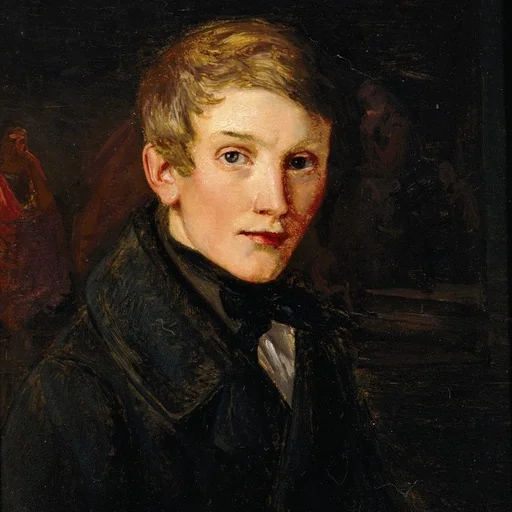
Artist
Dankvart Dreyer (13 June 1816 – 4 November 1852) was a Danish landscape painter of the Copenhagen School of painters who was educated under the guidance of Christoffer Wilhelm Eckersberg.