Artwork
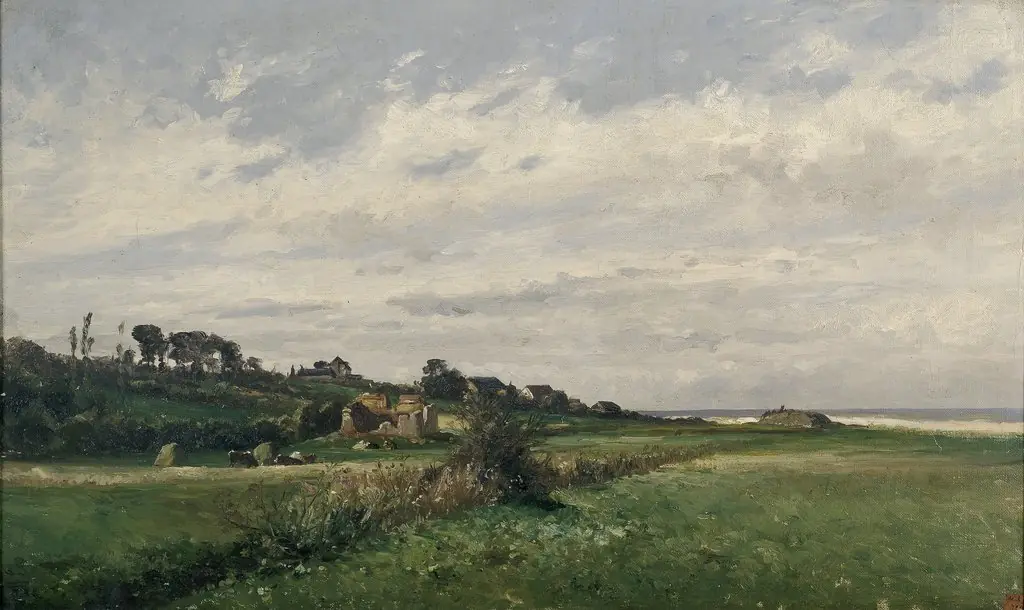
Landscape near Southwold
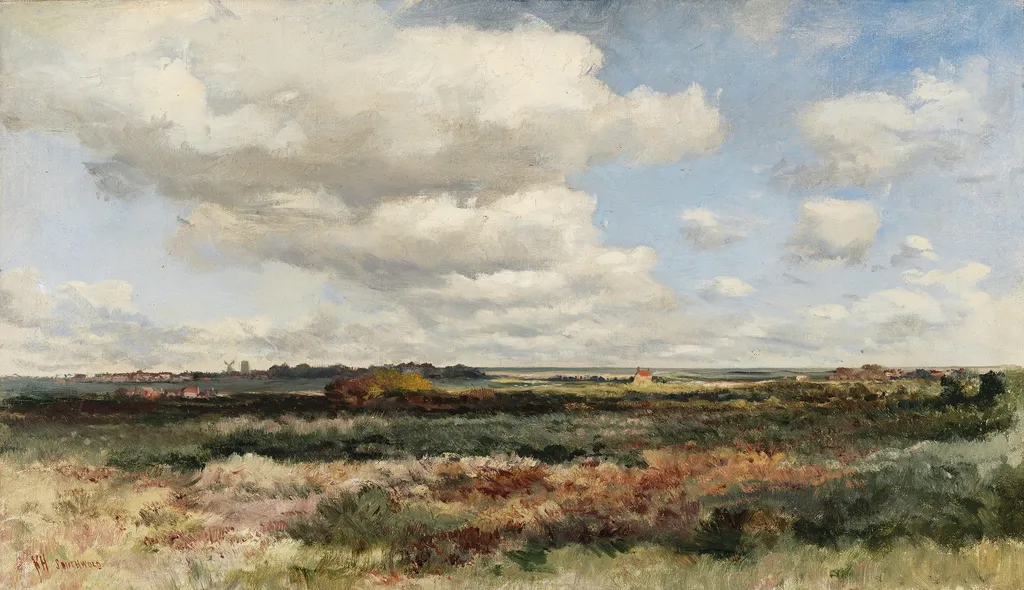
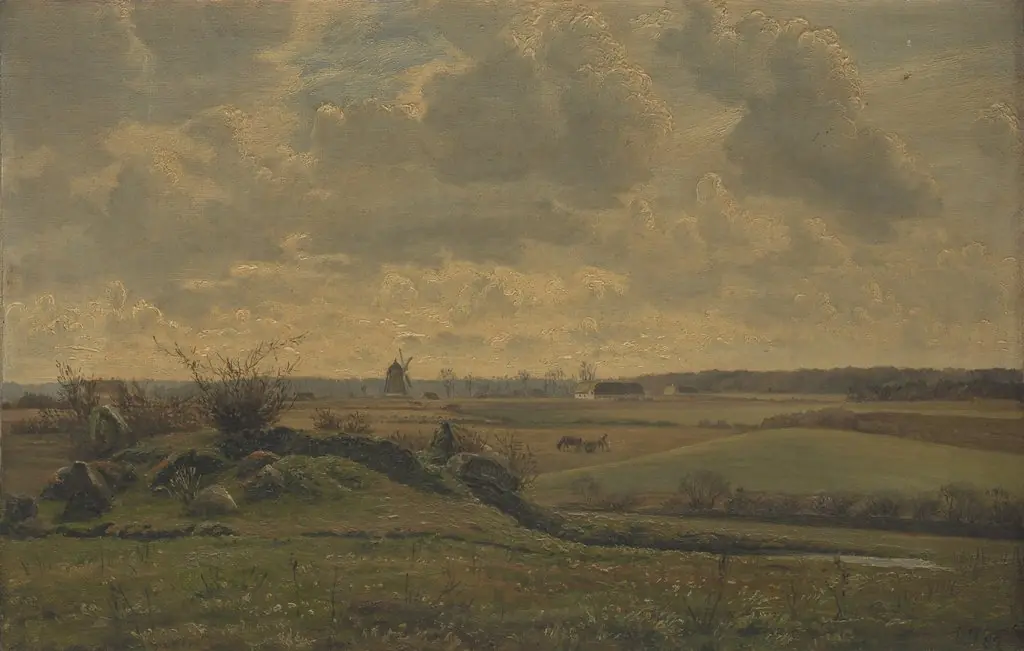
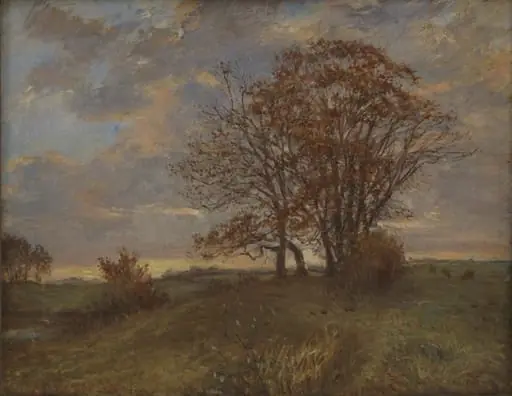
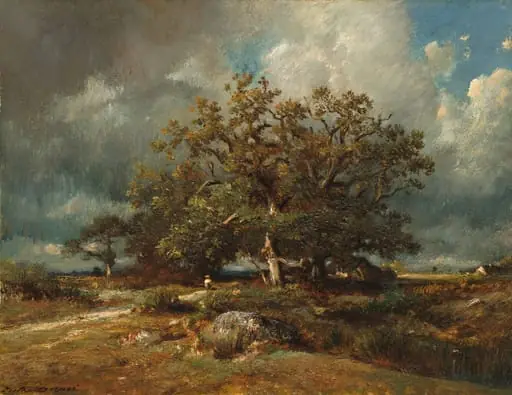
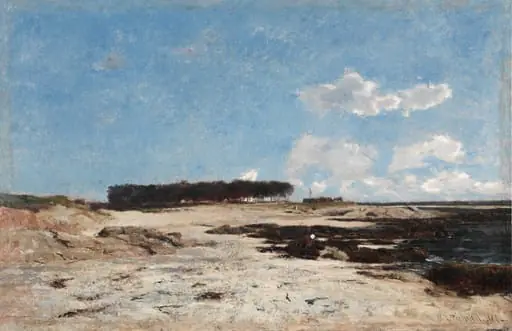
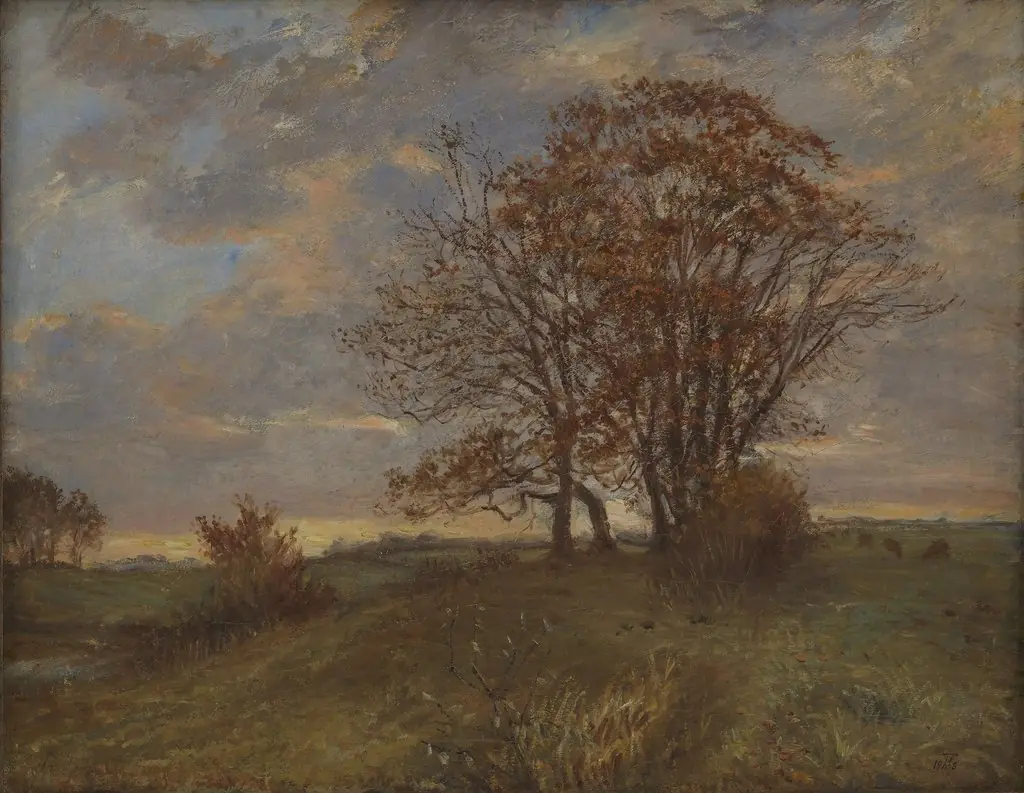
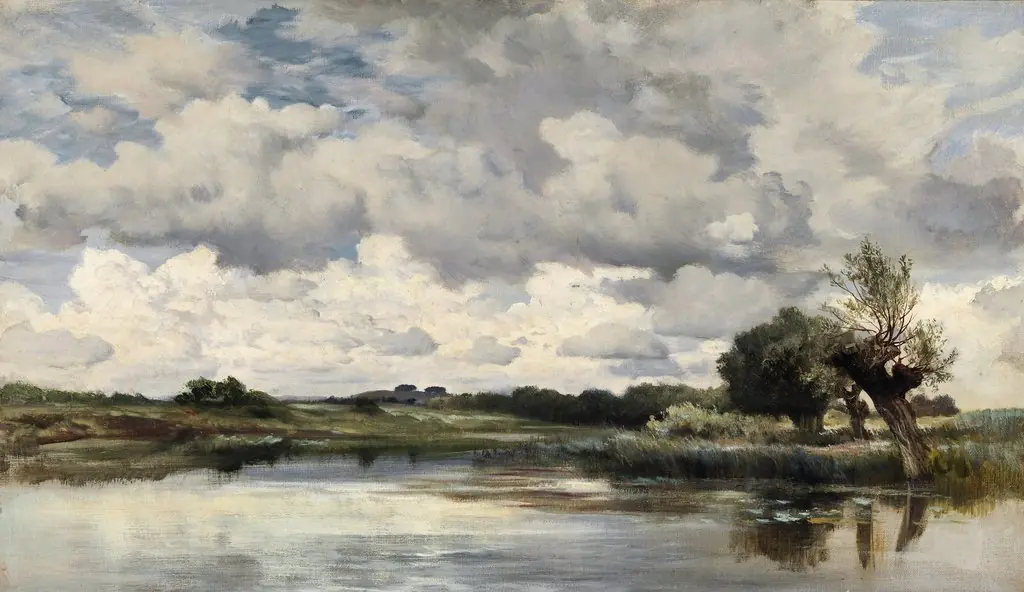
Landscape near Southwold is an oil painting by Keeley Halswelle. It dates from 1871 and is held in the collection of the National Gallery of Ireland.
About this work
Overview
Landscape near Southwold is an oil painting dated around 1871 by the British artist Keeley Halswelle. It portrays a quiet rural scene in Suffolk, England, and is part of the collection at the National Gallery of Ireland. The work reflects Halswelle’s interest in naturalistic landscapes, capturing a moment of stillness in the English countryside with attention to light and atmospheric detail.
Subject & Meaning
The painting presents a gentle expanse of farmland and rolling hills leading toward a soft, cloud-dappled sky. There are no human figures or built structures, emphasizing solitude and the quiet rhythm of nature. The composition invites contemplation, suggesting a reverence for the land’s unspoiled character rather than narrating a specific event or story.
Technique & Style
The handling of light and atmosphere aligns with late 19th-century British landscape traditions focused on observed reality.
Halswelle employs thick, deliberate brushwork in the foreground to suggest the texture of grass and earth, contrasting with smoother, blended strokes in the sky and distant hills. The palette is restrained, dominated by muted greens, blues, and ochres, enhancing the painting’s calm tone. The handling of light and atmosphere aligns with late 19th-century British landscape traditions focused on observed reality.
History & Provenance
The painting was likely created during Halswelle’s time in Suffolk, where he frequently sketched and painted. It entered the National Gallery of Ireland’s collection in the 20th century, though its earlier ownership history remains undocumented. Its presence in the gallery reflects institutional interest in lesser-known British landscape artists of the period.
Context
Created during a time when British artists increasingly turned to rural scenes as industrialization transformed the countryside, this work aligns with a broader movement valuing pastoral quietude. Halswelle’s approach, though not widely celebrated in his lifetime, shares affinities with contemporaries who sought to record the land with sincerity rather than idealization.
Legacy
Keeley Halswelle’s body of work remains relatively obscure, with few public records of exhibitions or critical reception during his lifetime. Landscape near Southwold endures as a quiet example of provincial British landscape painting, offering insight into the aesthetic priorities of artists who worked outside major urban centers in the late 1800s.
Artist & collection