Artwork
H Beard Print Collection
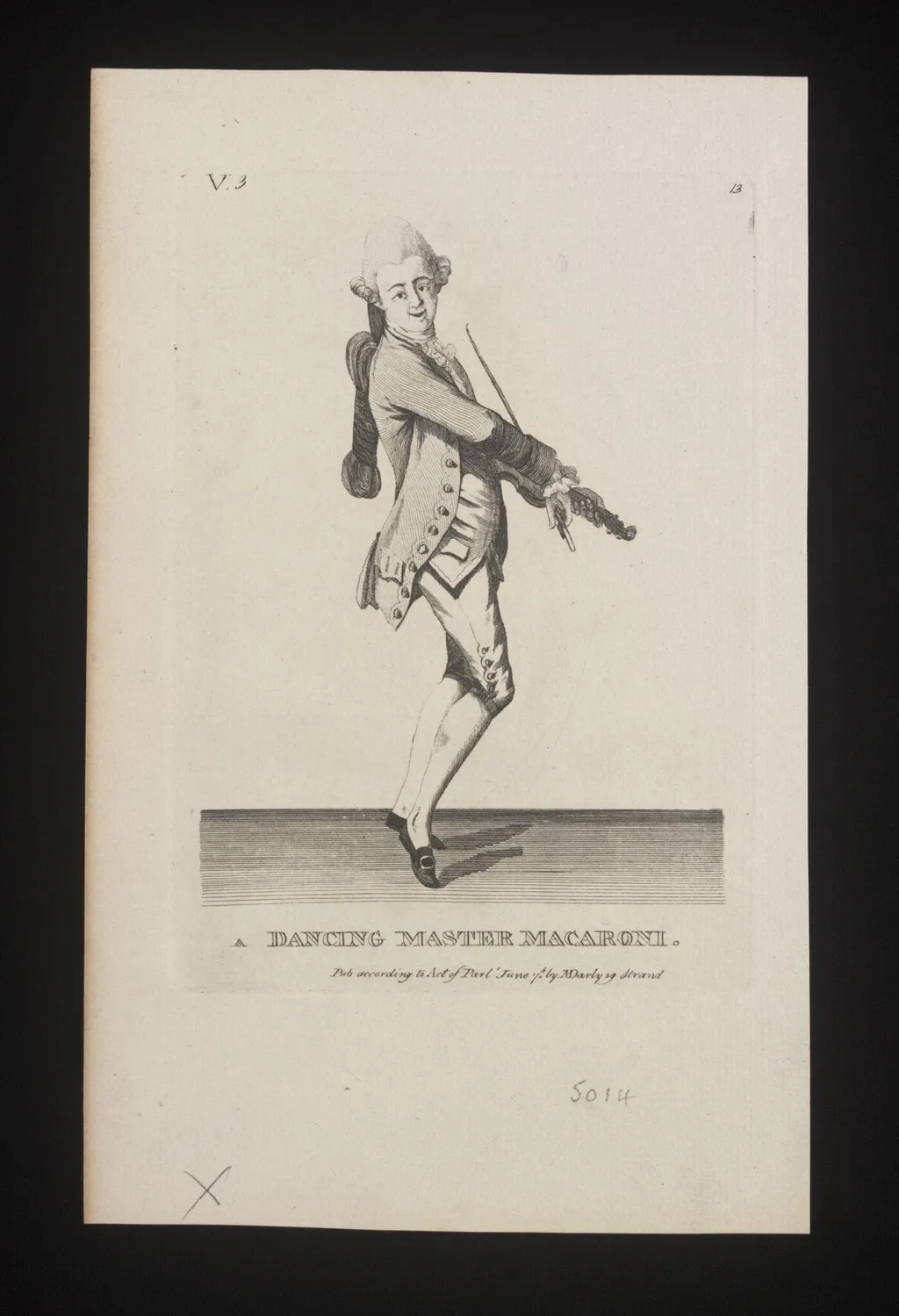
H Beard Print Collection is a print by Matthias Darly. It dates from 1750 and is held in the collection of the Victoria and Albert Museum.
About this work
Overview
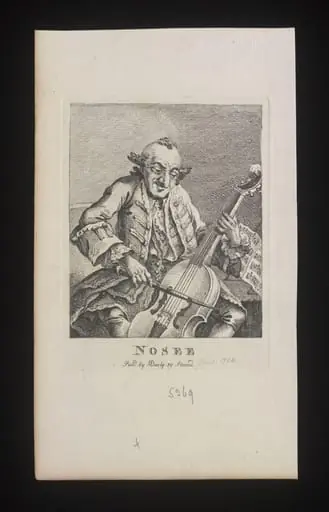
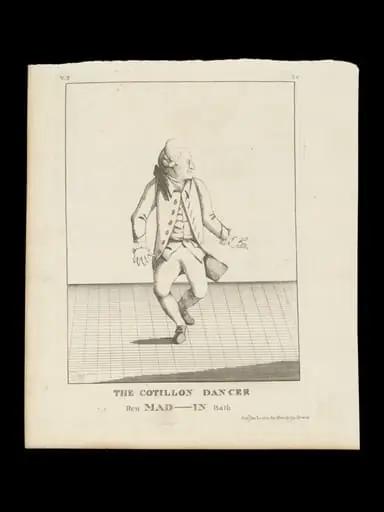
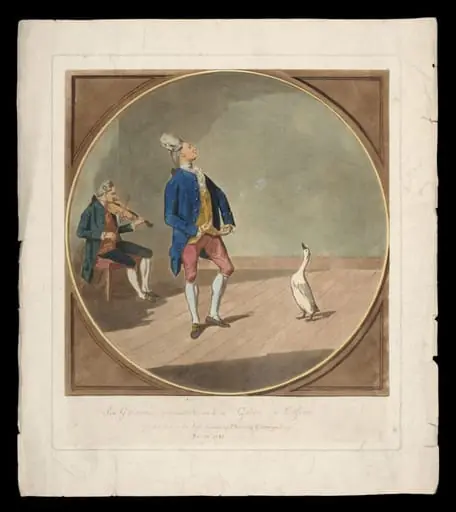
This late 18th-century print, produced in London by Matthias Darly, depicts a figure known as a 'Macaroni'—a fashionable man of the 1770s who embraced exaggerated European styles. The image belongs to the Harry Beard Print Collection and exemplifies the satirical print culture of the period, which mocked elite trends through caricature.
Subject & Meaning
The subject is a dancing master dressed in flamboyant attire, embodying the Macaroni aesthetic: oversized wigs, vivid fabrics, and ornate footwear.
The subject is a dancing master dressed in flamboyant attire, embodying the Macaroni aesthetic: oversized wigs, vivid fabrics, and ornate footwear. The title and imagery critique the perceived absurdity of British men who adopted continental fashions, suggesting vanity and social pretension. The figure’s pose and attire signal both artistry and ridicule, reflecting contemporary anxieties about identity and class.
Technique & Style
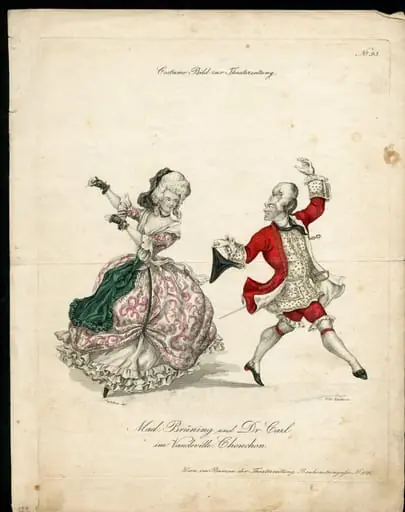
Executed as a hand-colored etching, the print uses fine linework and exaggerated proportions to heighten its satirical effect. Darly’s technique emphasizes texture in fabric and wig, while the bold outlines and bright washes draw attention to the figure’s theatricality. The composition is tightly framed, focusing attention on the subject’s posture and attire without background distraction.
History & Provenance
The print was published by Matthias Darly, a known engraver and dealer in caricatures during the 1770s. It entered the Harry Beard Collection, assembled in the 19th century by a London-based enthusiast of theatrical and fashion imagery. The collection later became part of a public archive, preserving examples of Georgian visual satire for scholarly study.
Context
The Macaroni phenomenon emerged as British aristocrats returned from the Grand Tour, adopting Italian and French fashions. Their conspicuous style provoked public commentary, leading to a surge in satirical prints. Darly’s work tapped into this cultural moment, offering visual commentary that resonated with urban audiences familiar with the fashions and their critics.
Legacy
Darly’s prints, including this one, remain key artifacts in understanding 18th-century British social satire. They document how visual media shaped public opinion on fashion, gender, and class. Today, such works inform studies of identity performance and the role of caricature in democratic discourse, offering insight into the era’s anxieties about modernity and self-presentation.
Artist & collection

Artist
Mary and Matthew Darly were English printsellers and caricaturists during the 1770s.

 H Beard Print Collection
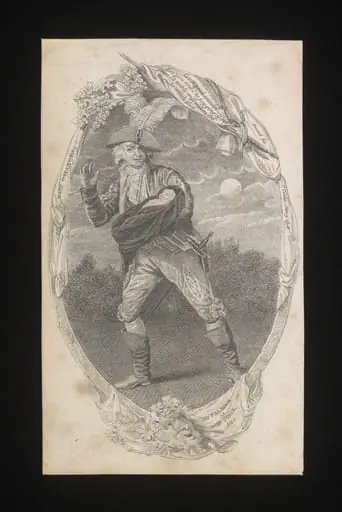 Mr Palmer as Don John
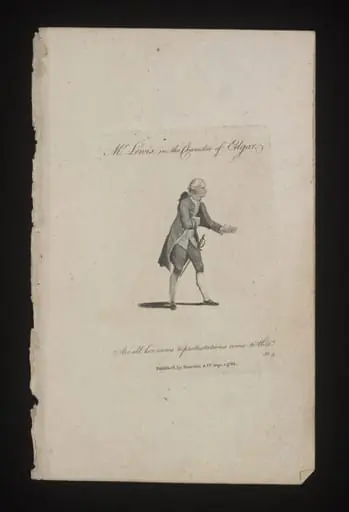 Mr Lewis in the character of Edgar
 H Beard Print Collection
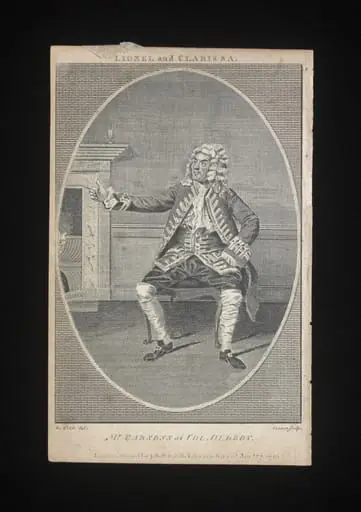 Mr Parsons as Col. Oldboy in Lionel and Clarissa
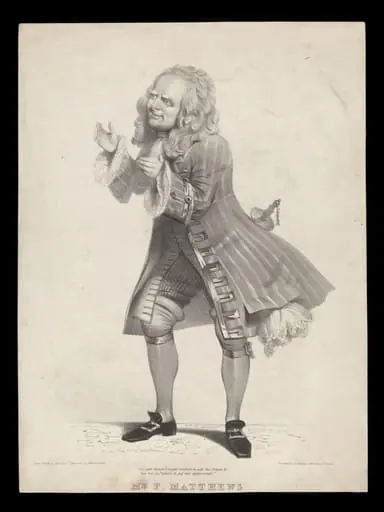 H Beard Print Collection
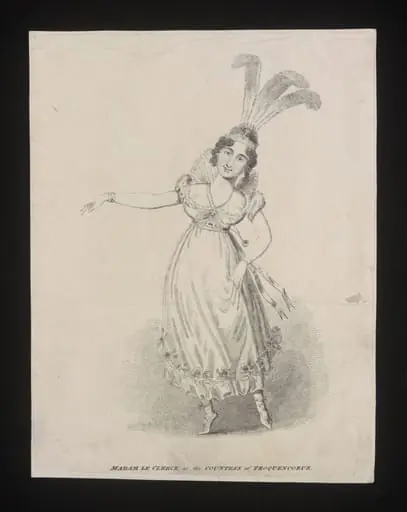 Madam Le Clerck as the Countess of Troquencoeur
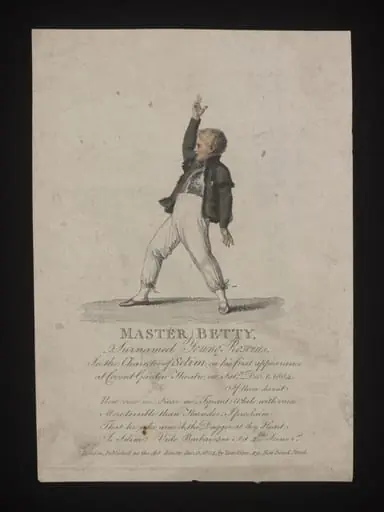 H Beard Print Collection
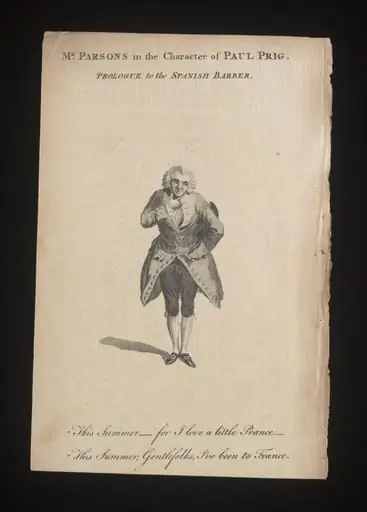 Mr Parsons in the character of Paul Prig
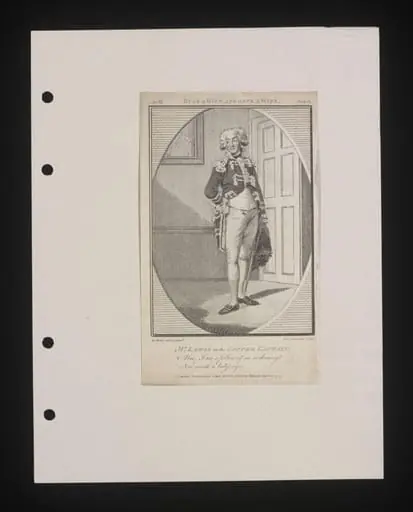 Mr. Lewis as the Copper Captain