Artwork
Eh bien Malin! comment le trouvez vous celui-la!
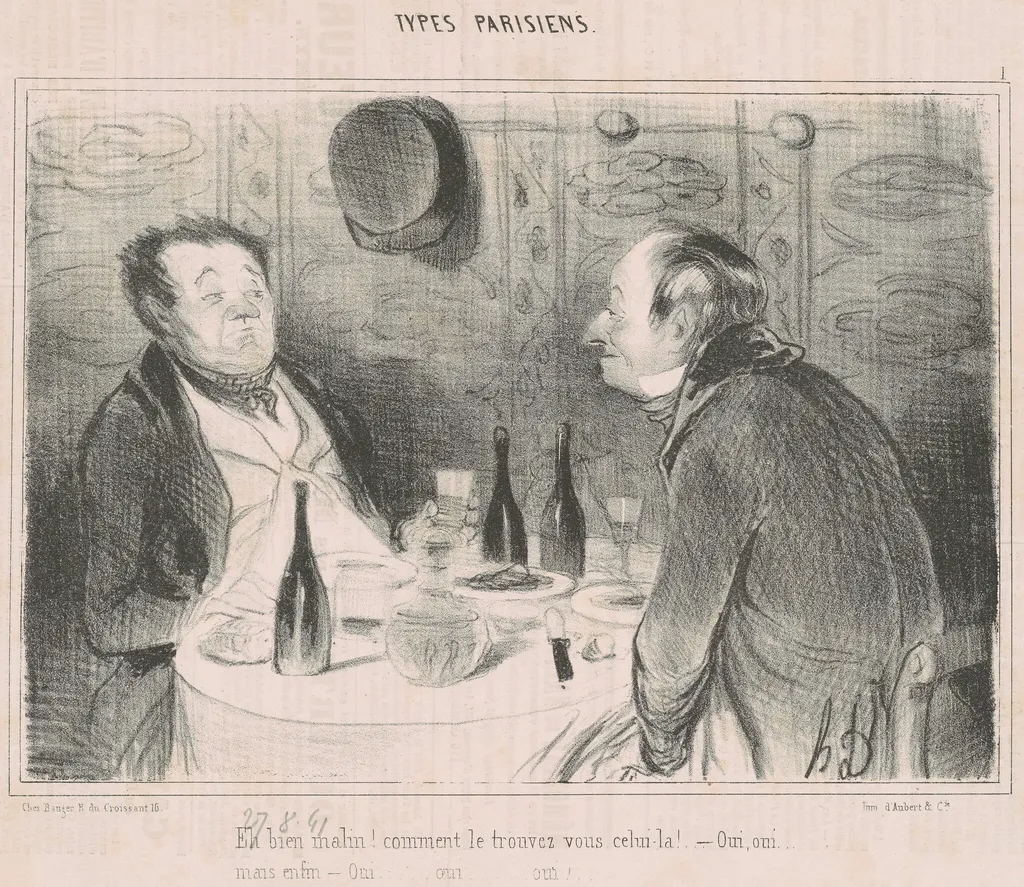
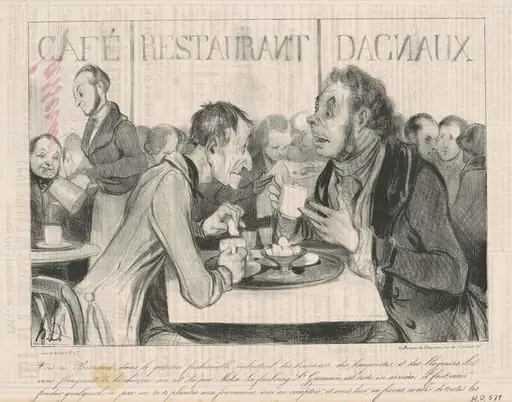
Eh bien Malin! comment le trouvez vous celui-la! is an ink print by the Romanticist artist Honoré Daumier. It dates from 1839 and is held in the collection of the National Gallery of Art.
About this work
Overview
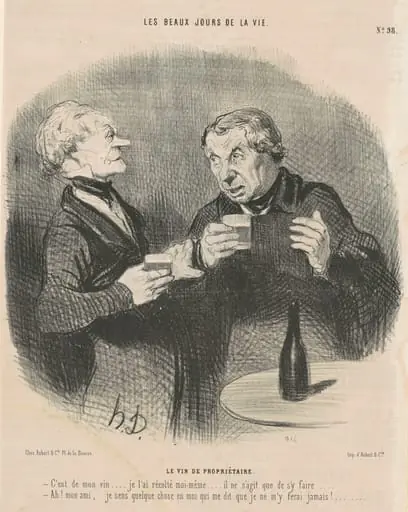
Honoré Daumier’s 1839 lithograph presents a quiet interior scene where two men share a close conversation at a modest table crowded with wine bottles and glasses. The composition draws the viewer into the moment, emphasizing the intimacy of the exchange and the everyday social setting that Daumier often explored.
Subject & Meaning
The work depicts one figure leaning forward to whisper while his companion, hand cupped to his ear, listens with an alert expression. The focus on subtle gestures and the absence of overt smiles suggest a private dialogue, inviting contemplation of personal confidences and the nuanced dynamics of male friendship in 19th‑century France.
Technique & Style
Created through lithography, Daumier drew directly onto a limestone slab, which was then treated and inked to produce multiple impressions. The print’s line work gathers around the faces, accentuating expression, while the loose handling of detail conveys a spontaneous, almost sketch‑like quality that heightens the sense of immediacy.
History & Provenance
First issued in 1839, the lithograph was part of Daumier’s prolific output of prints that documented contemporary life. It circulated among the artist’s network of collectors and publishers, contributing to his reputation as a keen observer of social interaction during the July Monarchy.
Context
Daumian prints of this period often addressed the everyday scenes of Parisian society, contrasting the grand historical painting tradition. By focusing on ordinary men in a tavern‑like setting, the work reflects the growing interest in realism and the representation of common people in French visual culture.
Own this work as a print
Artist & collection
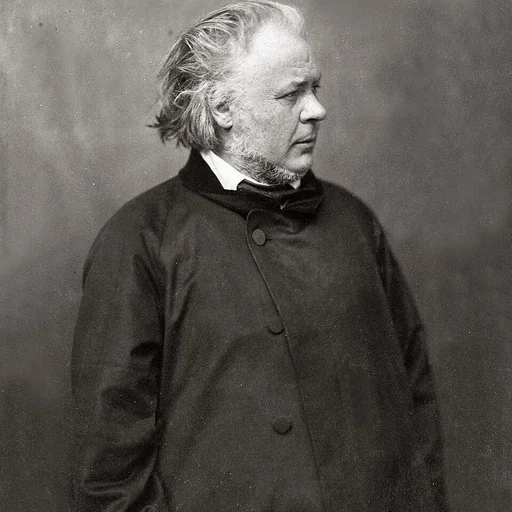
Artist
Honoré-Victorin Daumier was a French painter, sculptor, and printmaker, whose many works offer commentary on the social and political life in France, from the Revolution of 1830 to the fall of the Second French Empire in 1870.