Artwork
F.J. Ducoux
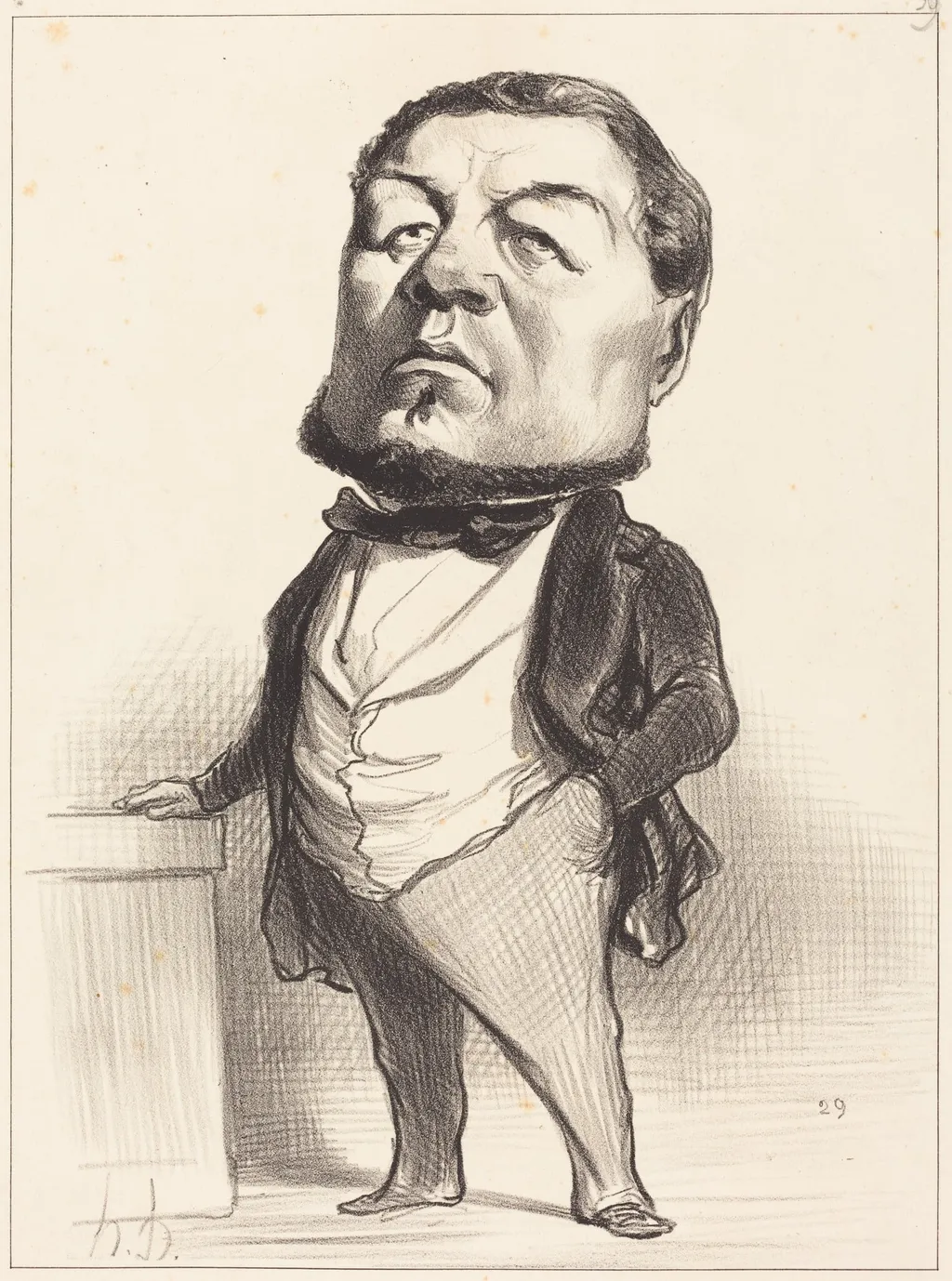
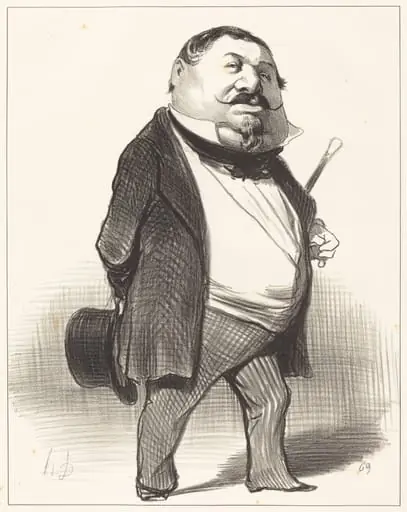
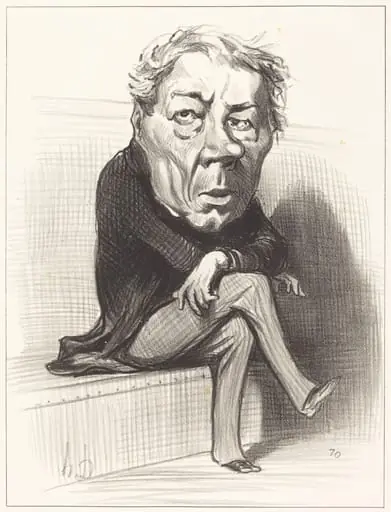
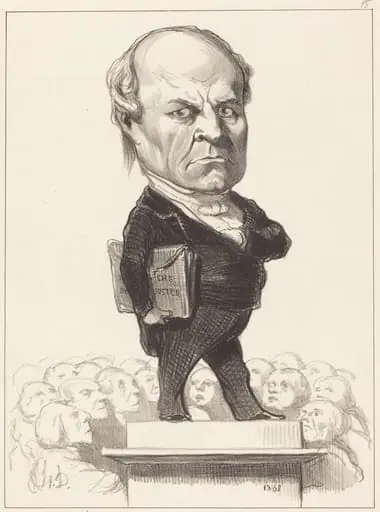
F.J. Ducoux is an ink print by the Romanticist artist Honoré Daumier. It dates from 1849 and is held in the collection of the National Gallery of Art. F.
About this work
Overview
F.J. Ducoux is a lithograph created by Honoré Daumier in 1849, characteristic of his satirical printmaking during the July Monarchy and Second Republic periods.
Subject & Meaning
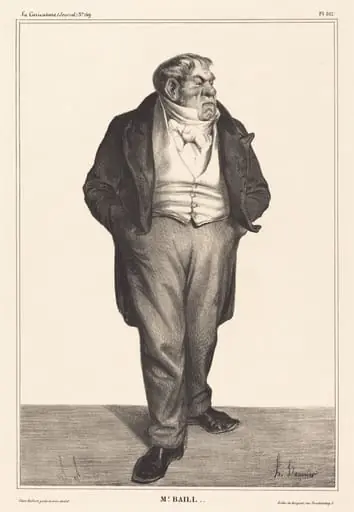
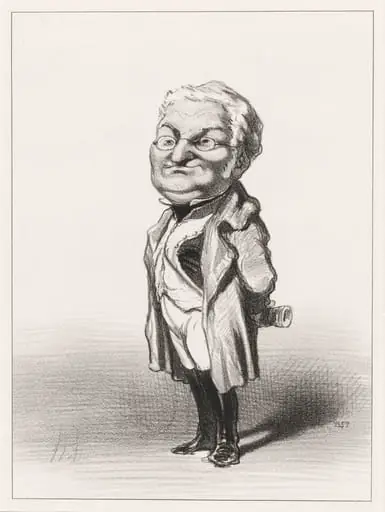
The lithograph depicts a serious, formally dressed man with a strong, contemplative presence. Through visual exaggeration, Daumier critiques the power structures of his time, reflecting his republican and democratic ideologies.
Technique & Style
Daumier employed quick, sketchy lines and sharp facial contours to imbue the portrait with a sense of liveliness. The monochrome lithographic technique adds to the overall stark, satirical effect.
History & Provenance
Originally published in satirical journals like *La Caricature* and *Le Charivari*, this work was part of Daumier's prolific output targeting the monarchy, aristocracy, and clergy.
Context
Created amidst the political turmoil of the July Monarchy and the rise of the Second Republic, *F.J. Ducoux* encapsulates Daumier's role as a vocal critic of contemporary social and political hierarchies.
Artist & collection

Artist
Honoré-Victorin Daumier was a French painter, sculptor, and printmaker, whose many works offer commentary on the social and political life in France, from the Revolution of 1830 to the fall of the Second French Empire in 1870.