Artwork
"-Ouriskoff!..trouvez-vous cela ressemblant?" from Actualities
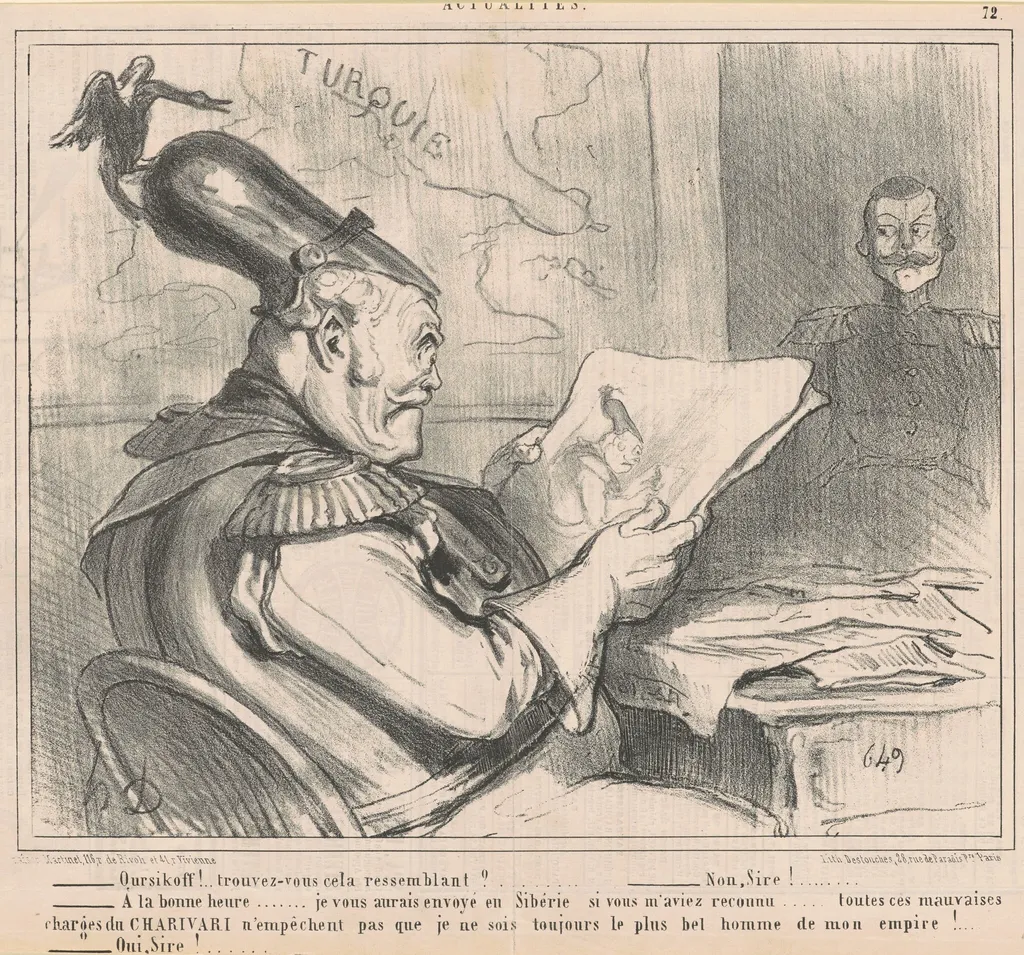
"-Ouriskoff!..trouvez-vous cela ressemblant?" from Actualities is an ink print by the Impressionist artist Honoré Daumier. It dates from 1854 and is held in the collection of the National Gallery of Art.
About this work
Overview
It depicts a single figure in profile, engaged in a quiet but absurd act of self-examination, surrounded by visual cues that undermine his authority.
This lithograph by Honoré Daumier is part of a series of satirical prints published in French periodicals during the mid-19th century. It depicts a single figure in profile, engaged in a quiet but absurd act of self-examination, surrounded by visual cues that undermine his authority. The work’s title, spoken in a mocking tone, invites the viewer to question the legitimacy of the image being scrutinized.
Subject & Meaning
The figure, dressed in ornate military regalia, holds a portrait as if verifying his own likeness, yet his exaggerated features—prominent nose, rigid posture—suggest a hollow performance of power. The map of Turkey behind him implies a distant, perhaps ill-fitting, imperial ambition. The scene mocks the disconnect between outward display and inner reality, critiquing how authority constructs identity through costume and ceremony.
Technique & Style
Daumier employed lithography to achieve sharp, expressive lines and tonal contrasts with minimal detail. The figure is rendered with caricatured precision—elongated limbs, inflated epaulettes—while the background remains sparse, drawing focus to the absurdity of the moment. The lack of shading in the map and the flatness of the portrait reinforce the artificiality of the scene, enhancing its satirical edge.
History & Provenance
Created around 1848, the print was published in the weekly journal L'Association Mensuelle, where Daumier regularly contributed political cartoons. It emerged during a period of upheaval in France, when public skepticism toward military and aristocratic elites was rising. The work was likely distributed widely among urban readers, functioning as both entertainment and social critique.
Context
Daumier’s prints responded to the political instability following the 1848 Revolution and the rise of Louis-Napoléon Bonaparte. Military figures were frequent targets, symbolizing repression and pretense. The inclusion of Turkey—a nation then undergoing reform and Western scrutiny—adds a layer of geopolitical irony, suggesting the futility of European powers projecting authority beyond their borders.
Legacy
This lithograph exemplifies Daumier’s enduring influence on political illustration. His use of visual exaggeration to expose institutional absurdity prefigured modern editorial cartooning. Though produced for ephemeral consumption, such works remain valuable for their unflinching commentary on the performative nature of power and the fragility of self-image in positions of authority.
Artist & collection
Artist
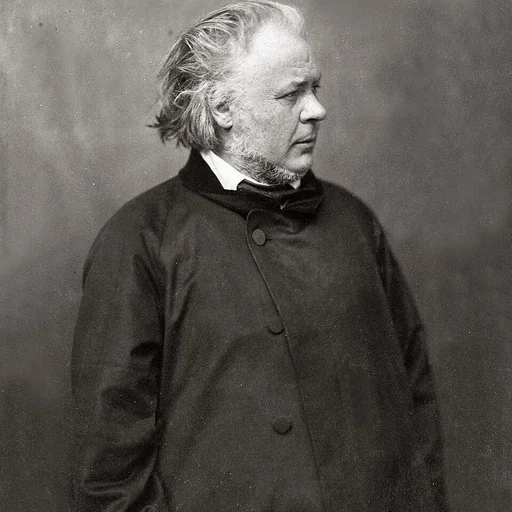
Honoré-Victorin Daumier was a French painter, sculptor, and printmaker, whose many works offer commentary on the social and political life in France, from the Revolution of 1830 to the fall of the Second French Empire in 1870.









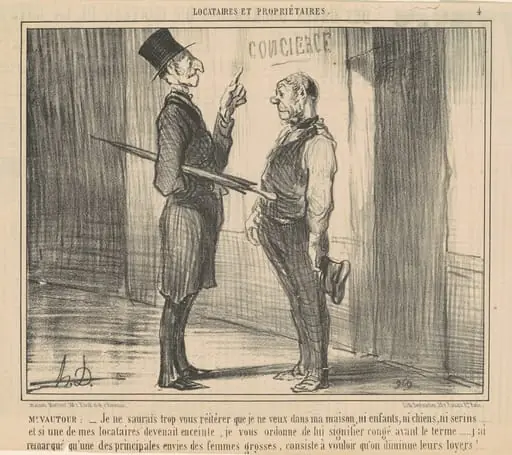 M. Vautour: Je ne saurais trop ...
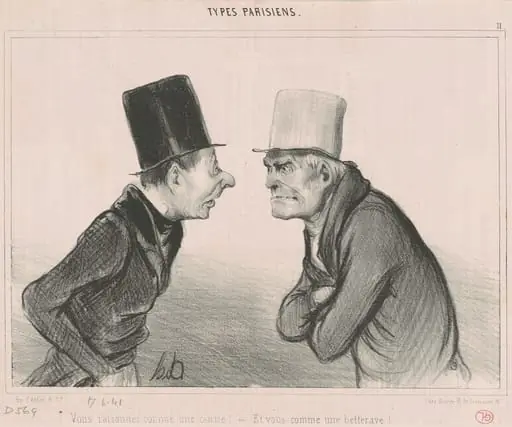 Vous raisonnez comme une canne!
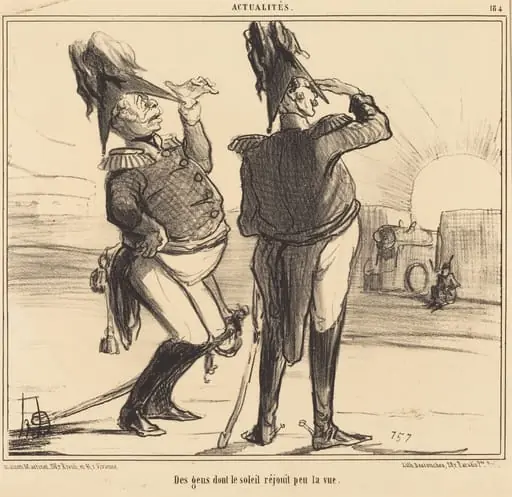 Des gens dont le soleil réjouit peu la vue
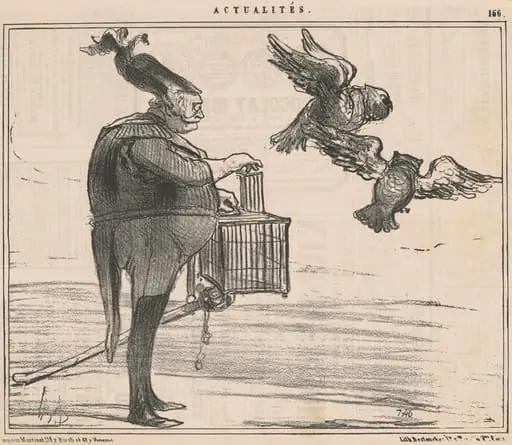 Deux Grands-Ducs Lachés ... sur Sébastopol
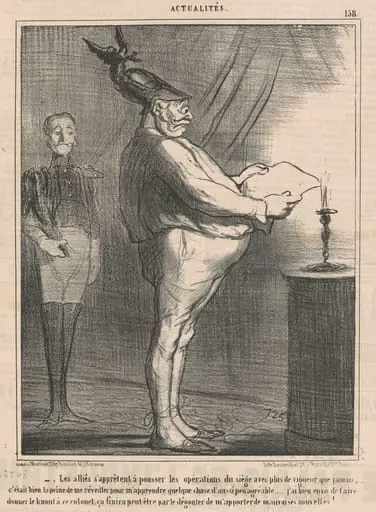 Les alliés s'appretent a pousser les opérations ...
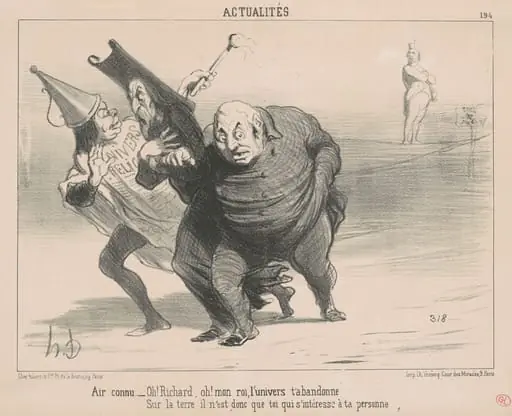 Air connu: Oh! Richard, Oh! Mon roi ...
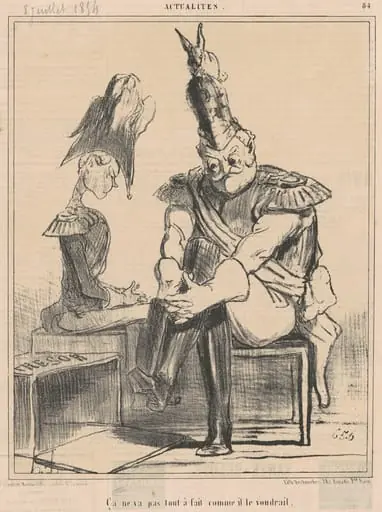 Ca ne va pas ... comme il le voudrait
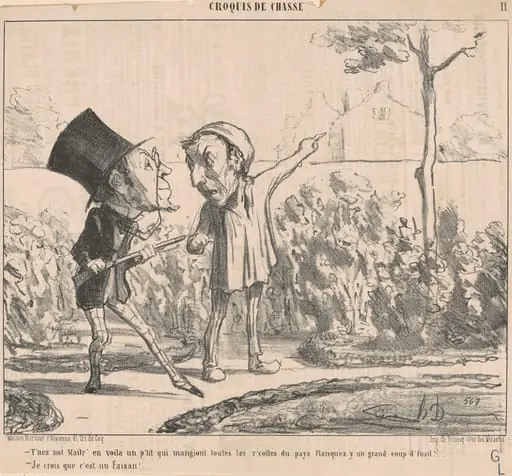 T'nez not' maitr' en voila un p'tit ...