Artwork
Lincoln Crushing the Dragon of Rebellion
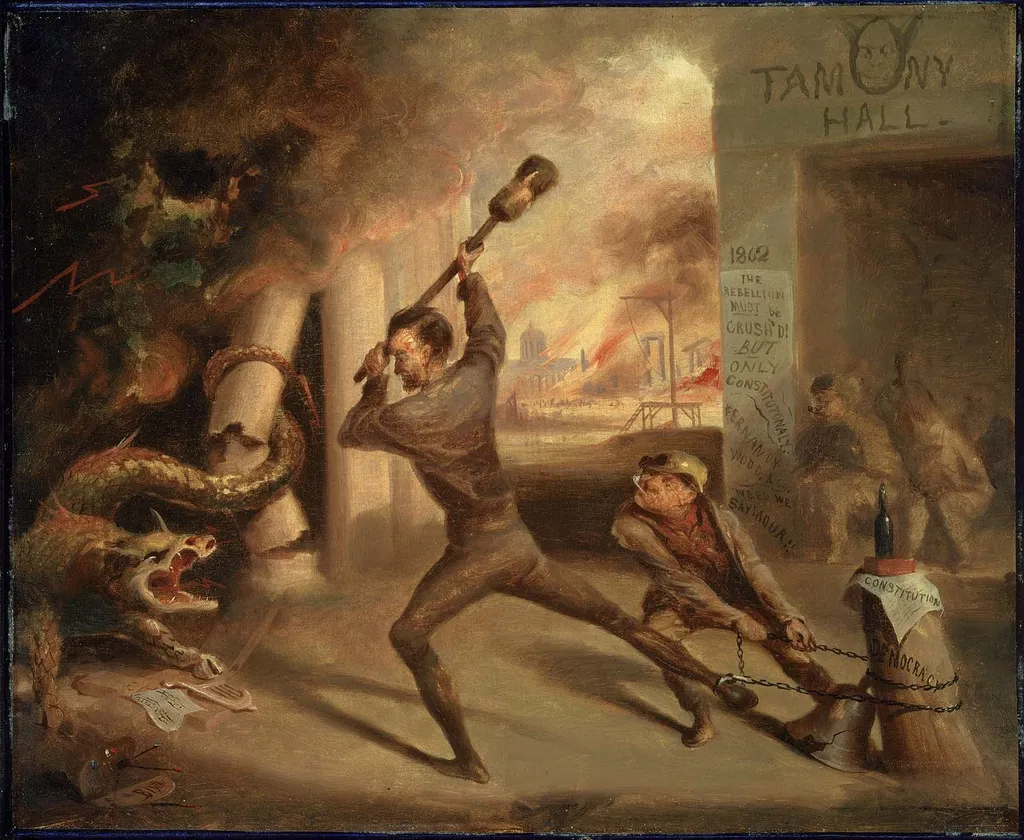
Lincoln Crushing the Dragon of Rebellion is an oil painting by the American Folk Art artist David Gilmour Blythe. It dates from 1862 and is held in the collection of the Museum of Fine Arts Boston. Created in 1862, this oil on canvas presents a dramatic allegory of the American Civil War.
About this work
Overview
Created in 1862, this oil on canvas presents a dramatic allegory of the American Civil War. A dark‑clad figure brandishes a mallet, poised to strike a composite dragon formed of a snake, fish and a fragment of inscrutable script. Behind them a muted cityscape with a streetlamp rises, while a chained individual clings to a bell bearing the words “Constitution” and “Democracy.”
Subject & Meaning
The central figure represents President Abraham Lincoln, depicted as a force confronting the chaotic rebellion symbolized by the hybrid dragon.
The central figure represents President Abraham Lincoln, depicted as a force confronting the chaotic rebellion symbolized by the hybrid dragon. The creature’s assemblage of disparate elements suggests the fragmented nature of the Confederacy’s opposition, while the chained figure and the bell evoke the threatened liberties of the Union, underscoring the painting’s political commentary on national unity.
Technique & Style
Executed in the folk‑art tradition, the work combines bold, simplified forms with a narrative clarity typical of self‑taught American painters of the period. Blythe’s brushwork emphasizes stark contrasts between the dark attire of the protagonist and the vivid, almost caricatured dragon, while the background cityscape is rendered with minimal detail, focusing attention on the allegorical action.
History & Provenance
The painting was produced by David Gilmour Blythe, a Pittsburgh‑based artist noted for his satirical treatment of contemporary events. After changing hands among private collectors, it entered the Museum of Fine Arts, Boston, where it remains part of the institution’s American folk‑art holdings.
Context
Emerging amid the turmoil of the Civil War, the piece reflects Blythe’s engagement with current affairs and his penchant for visual satire. By casting Lincoln as a heroic figure subduing a monstrous rebellion, the work aligns with a broader 19th‑century American tradition of using allegory to interpret and influence public perception of the conflict.
Artist & collection
Artist
David Gilmour Blythe (May 9, 1815 – May 15, 1865) was a self-taught American artist best known for paintings which satirically portrayed political and social situations.

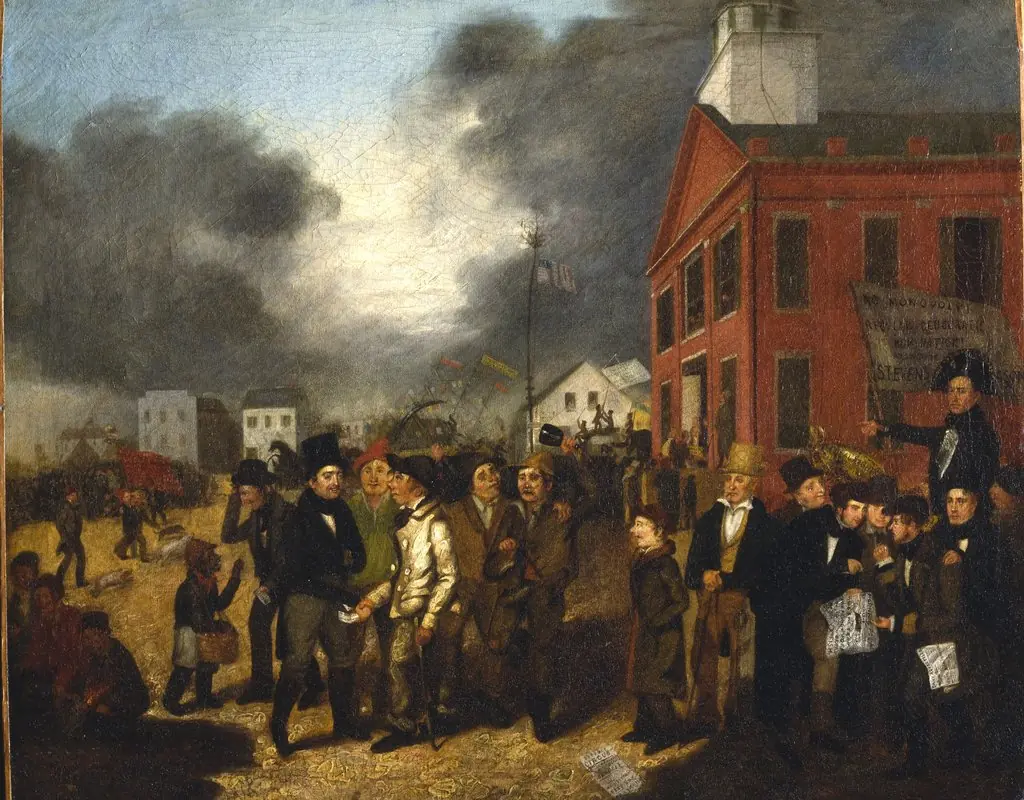 First State Election in Detroit, Michigan, 1837
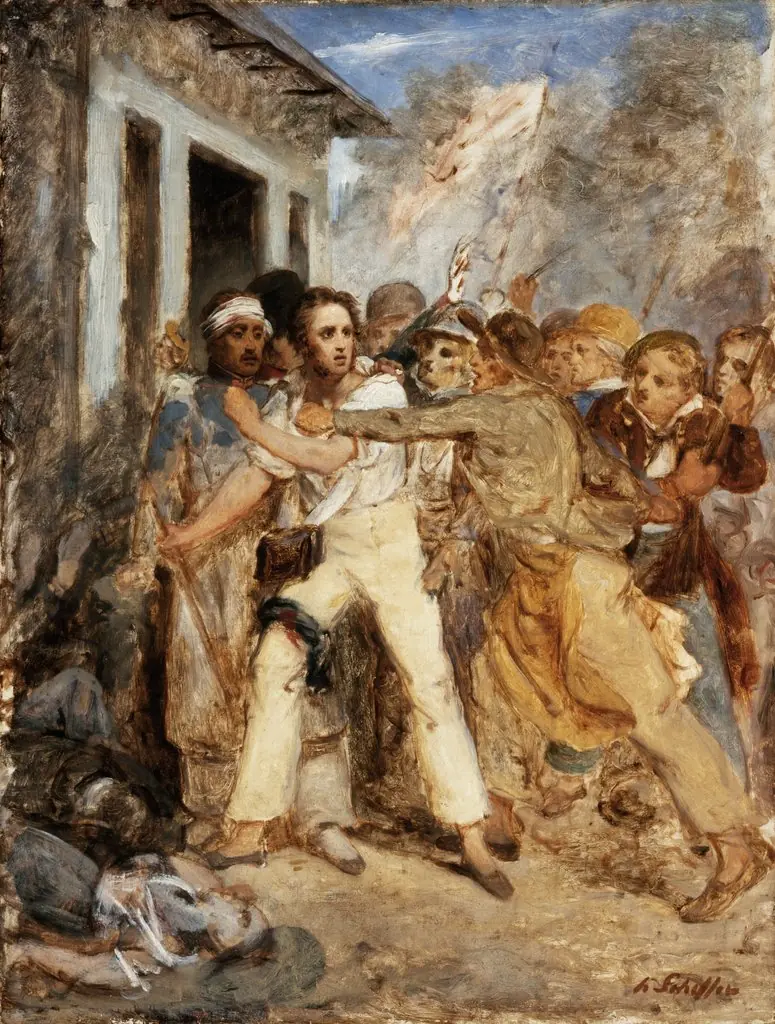 Study for a Battle Scene
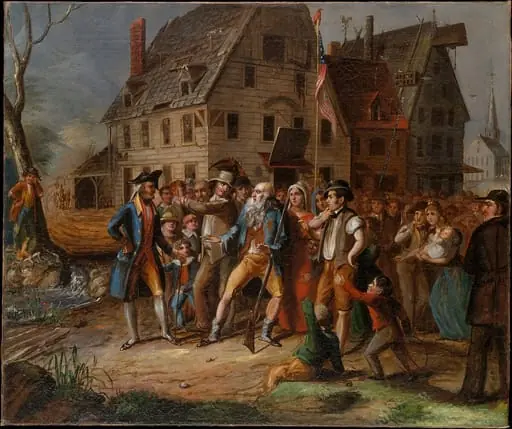 Rip Van Winkle
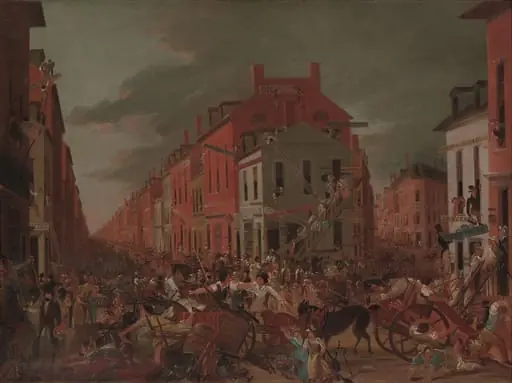 Moving Day (in Little Old New York)
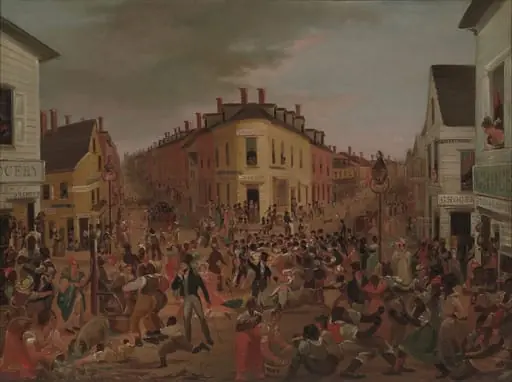 The Five Points
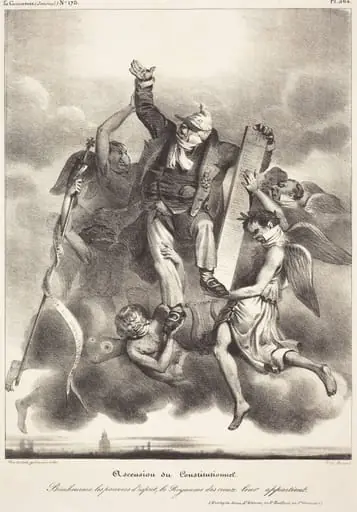 Ascension du Constitutionnel
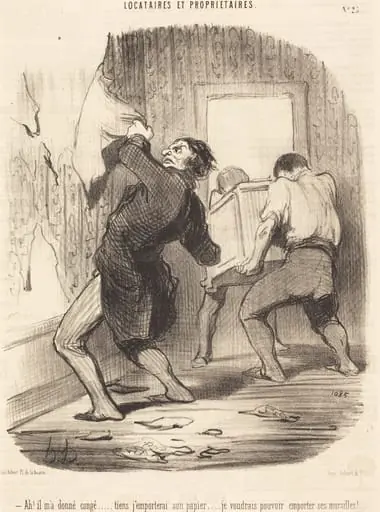 Ah! il m'a donné congé...
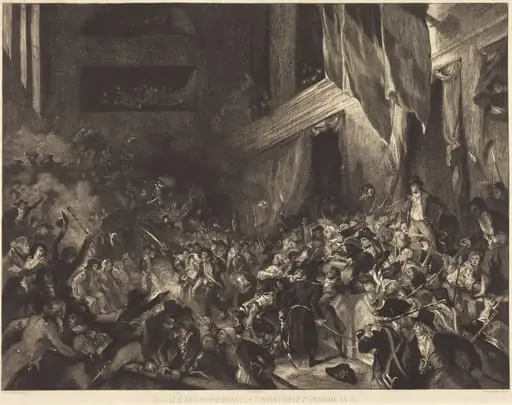 Boissy d'Anglas présidant la Convention le 1er Prairial An III
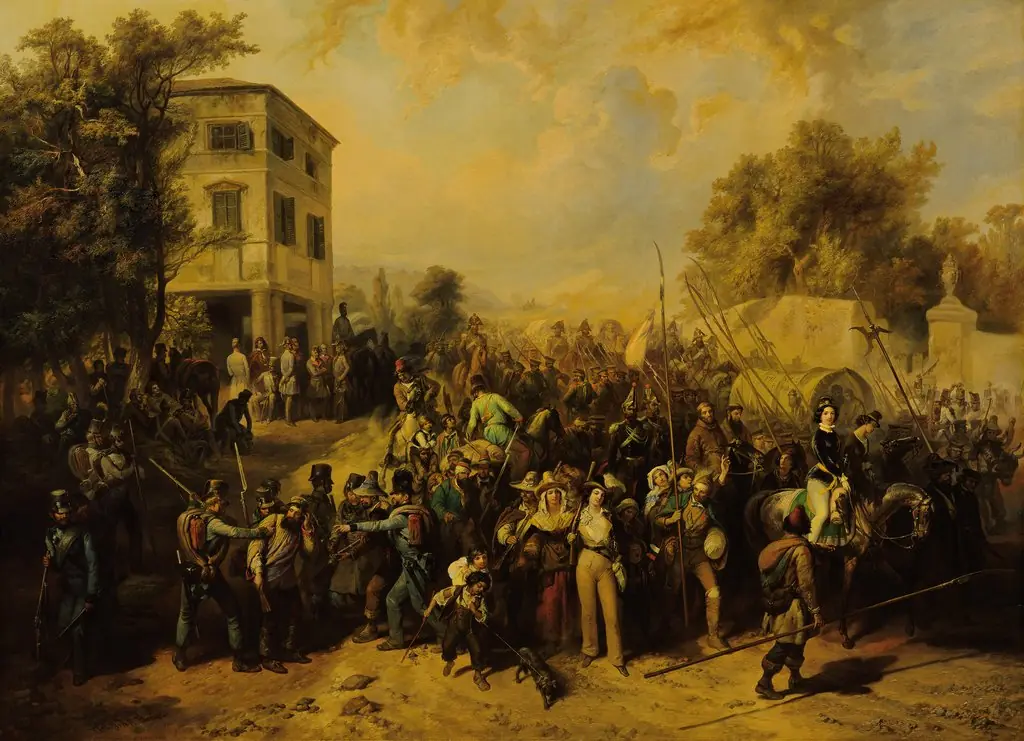 Der Auszug der Römer aus Vicenza
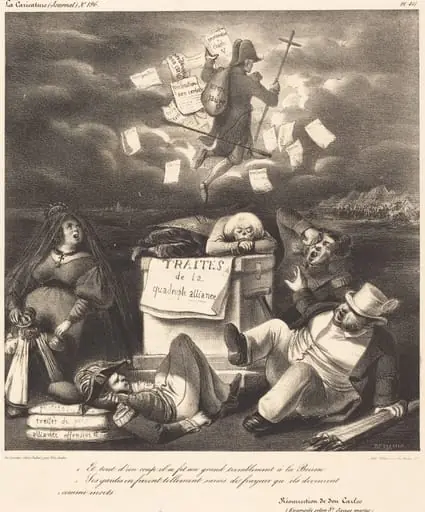 Résurrection de don Carlo...