Artwork
Classical Buildings above a Wall
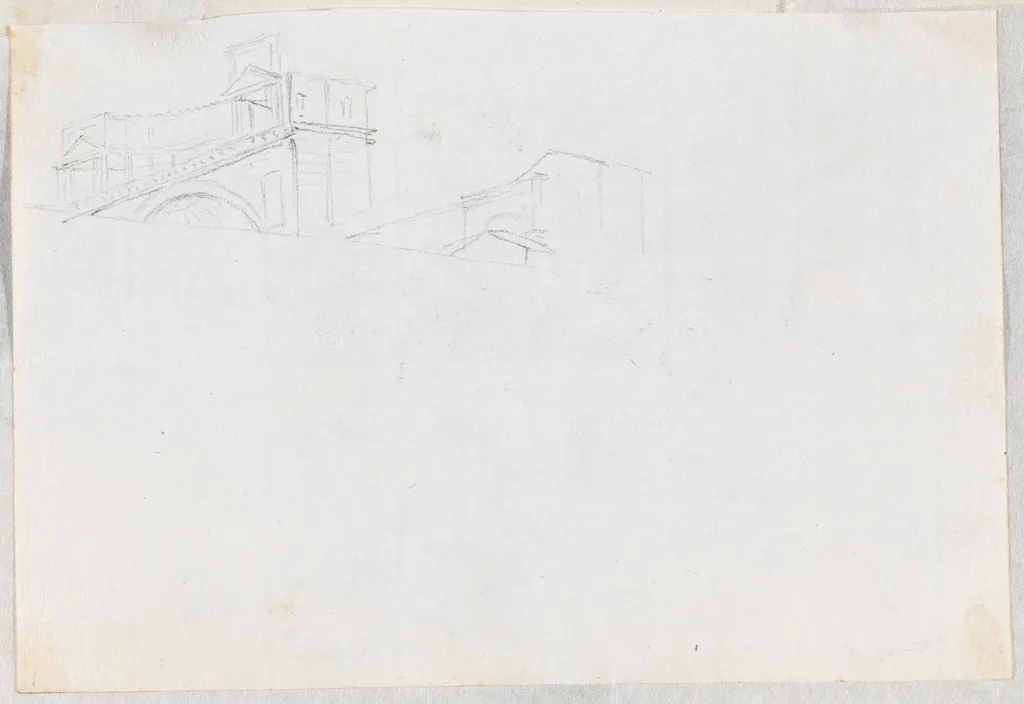
Classical Buildings above a Wall is a graphite drawing by the Neoclassicist artist Jacques-Louis David. It dates from 1778 and is held in the collection of the National Gallery of Art.
About this work
Overview
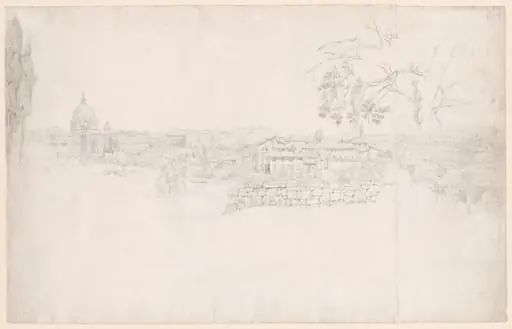
Classical Buildings above a Wall is a graphite drawing on laid paper, created by Jacques-Louis David in 1778. The work depicts a hilltop scene with two distinct structures separated from an empty lower space by a wall.
Subject & Meaning
The drawing features a temple-like structure with columns alongside a simpler, sloped-roof building, set atop a hill. The contrast between the classical temple and the humble house may suggest a thematic exploration of architectural and possibly social dichotomies.
Technique & Style
Executed with quick, light graphite lines, the sketch conveys a sense of rapid execution, potentially created en plein air. The textured, laid paper adds to the overall impression of spontaneity and sketchiness.
History & Provenance
Created in 1778, specific details regarding the drawing's commission, initial reception, and ownership history prior to its current location are not provided in the available information.
Context
This work fits within David's broader practice of sketching classical and everyday subjects, reflecting 18th-century artistic interests in antiquity and observational drawing.
Artist & collection

Artist
Jacques-Louis David was born in Paris on 30 August 1748 into a bourgeois family; his father died in a duel when the boy was nine, and a maternal uncle guided his education.

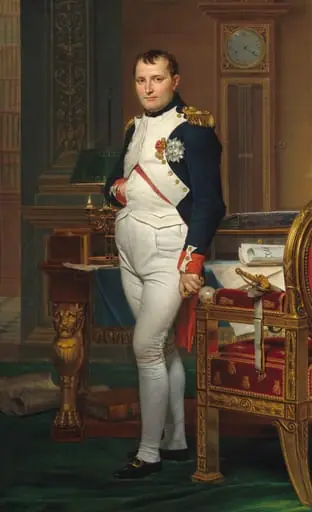 The Emperor Napoleon in His Study at the Tuileries
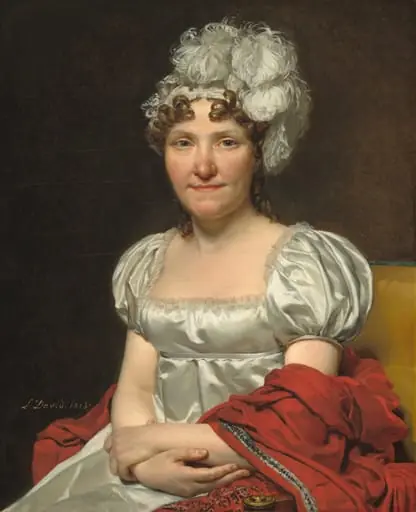 Madame David
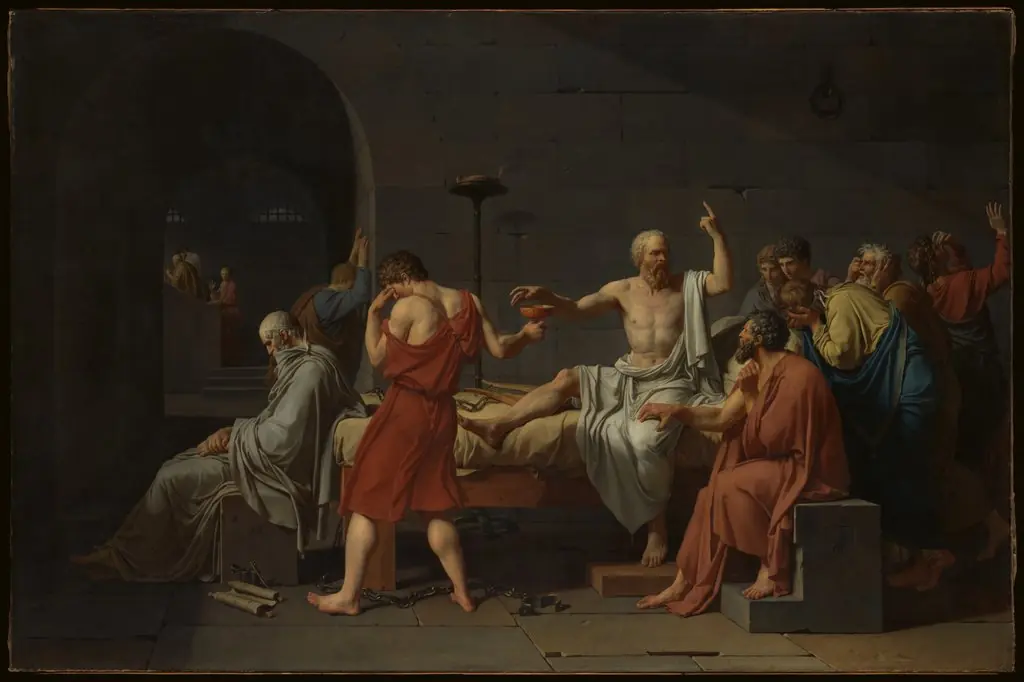 The Death of Socrates
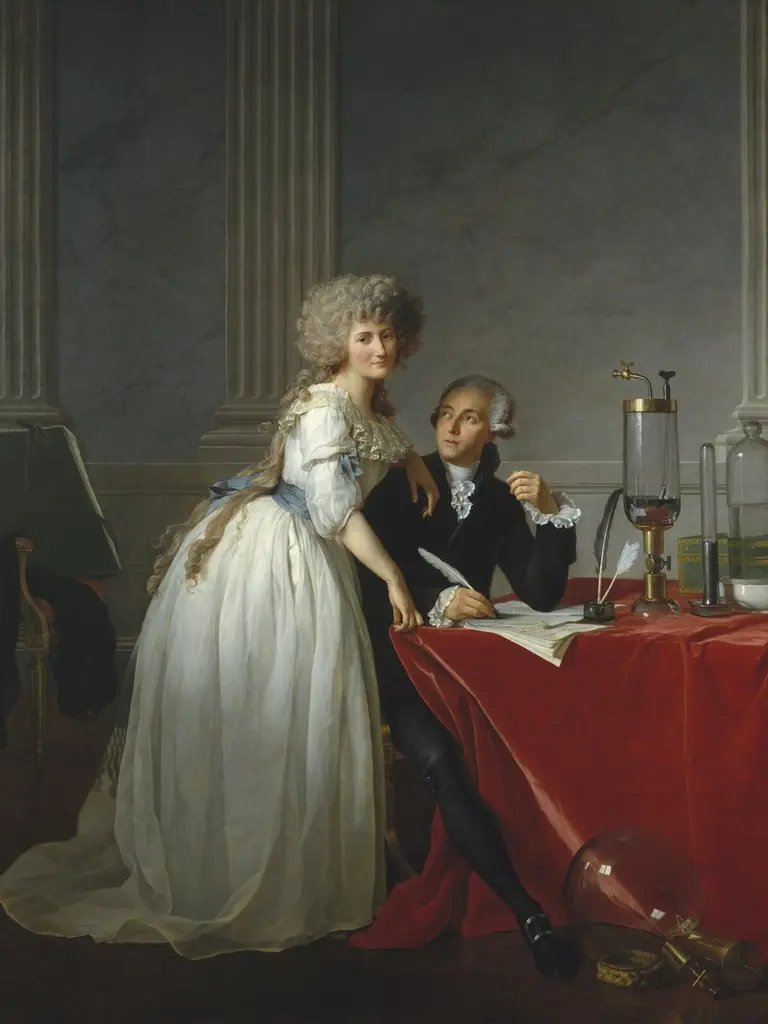 Portrait of Antoine-Laurent Lavoisier and his wife
 Cupid and Psyche
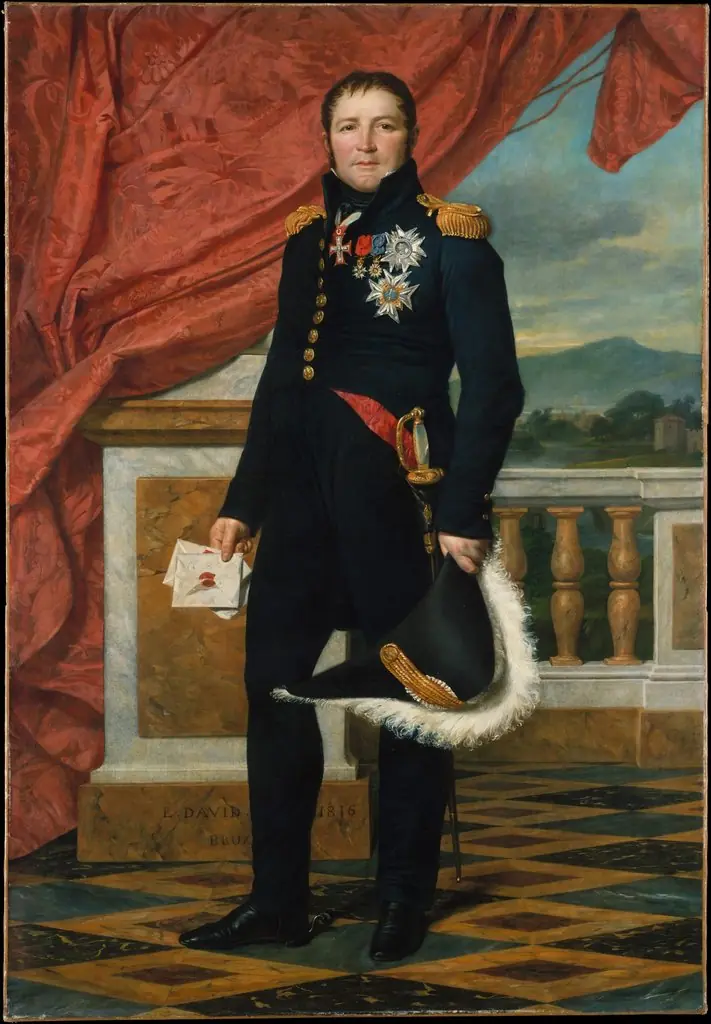 General Étienne-Maurice Gérard (1773–1852), Marshal of France
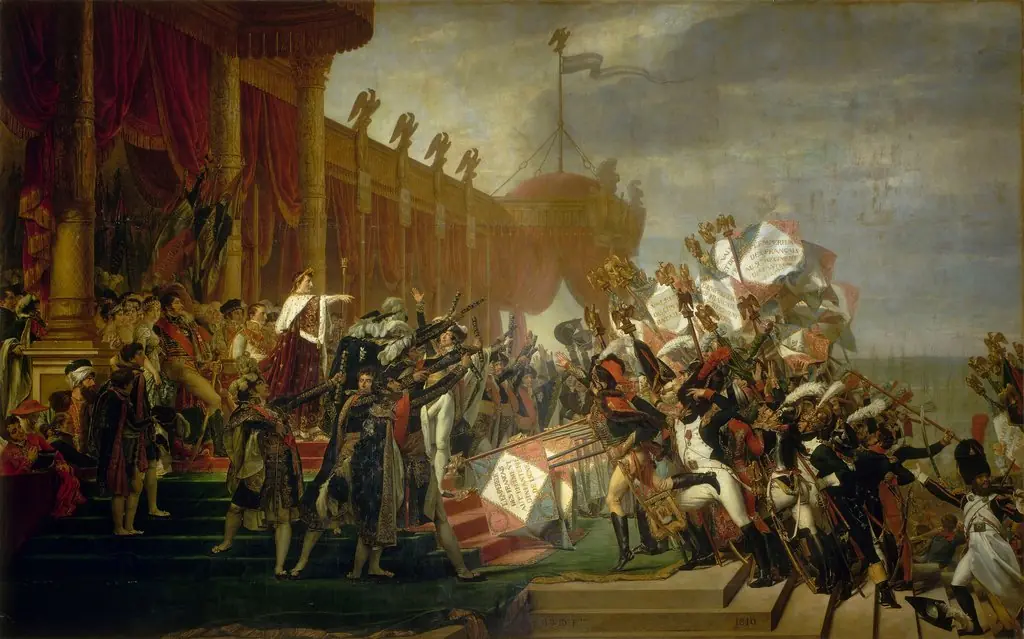 The Distribution of the Eagle Standards
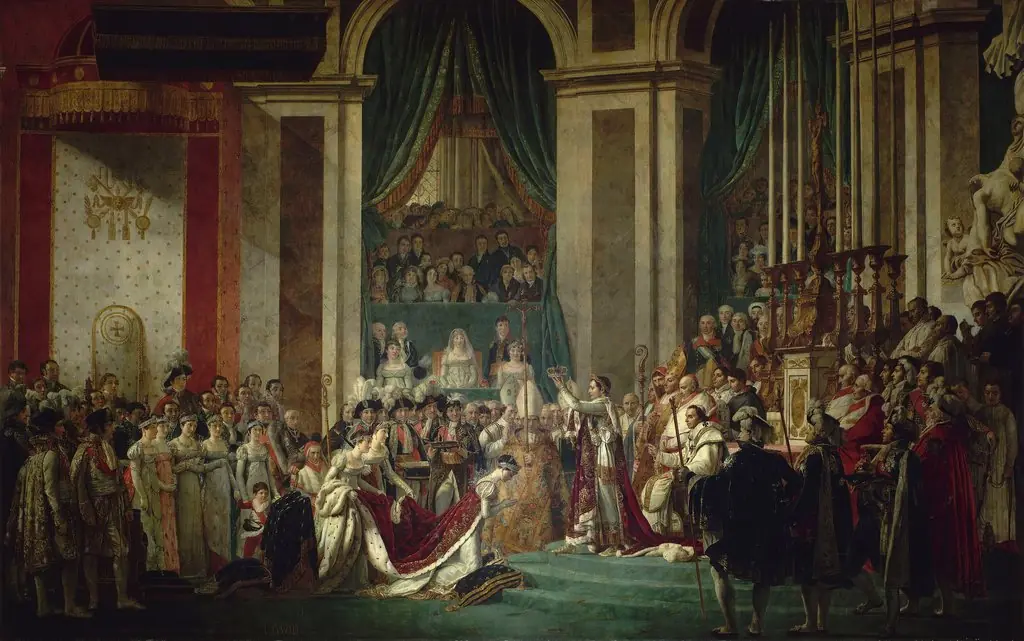 Coronation of Emperor Napoleon I and Coronation of the Empress Josephine