Artwork
Two Church Facades
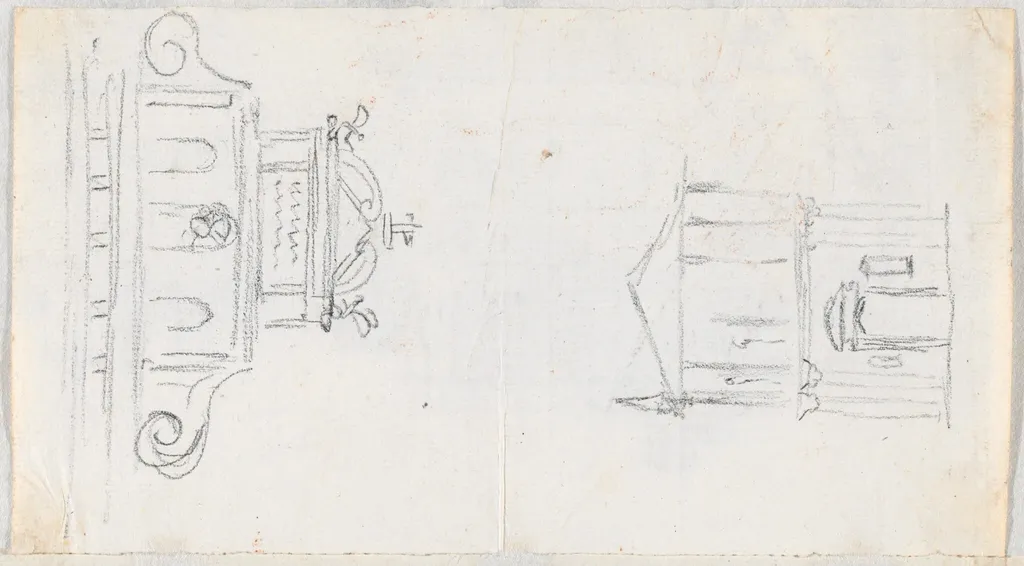
Two Church Facades is a chalk drawing by the Neoclassicist artist Jacques-Louis David. It dates from 1778 and is held in the collection of the National Gallery of Art.
About this work
Overview
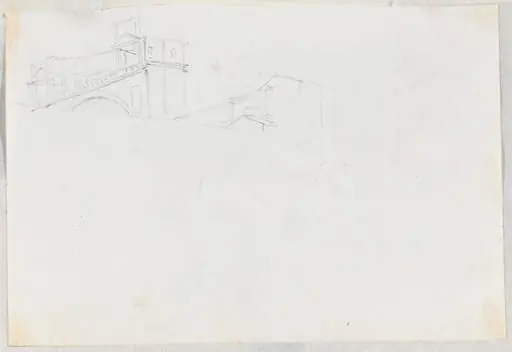
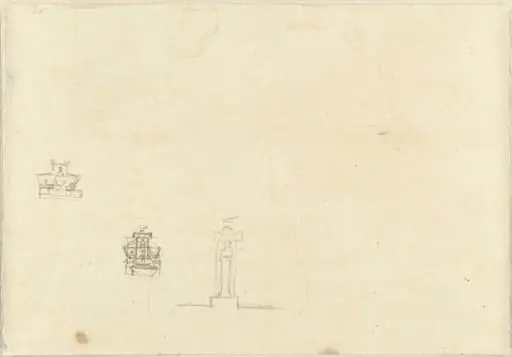
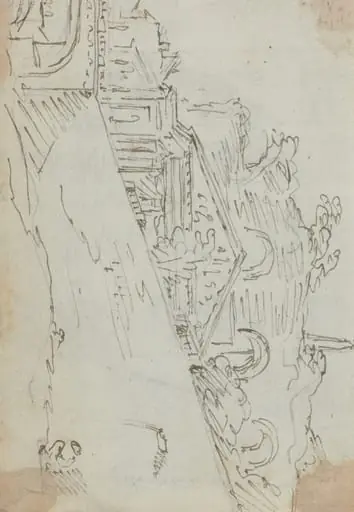
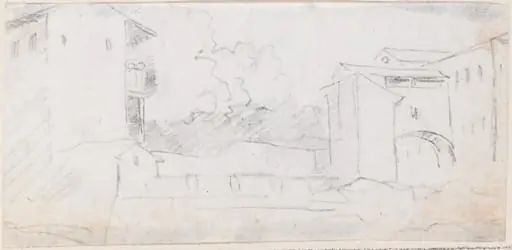
Jacques‑Louis David produced the drawing Two Church Facades in 1778. Executed in black chalk on a single sheet of paper, the work presents two adjacent studies of ecclesiastical frontages. The left façade is rendered with greater detail, showing columns, arches and a decorative pediment, while the right side is reduced to a few gestural lines that outline the building’s mass.
Technique & Style
The artist employed dry black chalk to achieve a range of tones, from crisp outlines to softened, smudged areas that suggest texture and depth. The paper, now slightly yellowed, bears faint marks that reveal the hand‑made quality of the sketch and the immediacy of the preparatory process typical of late‑18th‑century French drawing practices.
Subject & Meaning
Both studies focus on the architectural vocabulary of church exteriors, contrasting a more elaborate, classically inspired façade with a simplified, schematic representation. This juxtaposition may reflect David’s exploration of how decorative detail and structural form function within sacred architecture.
Context
Created shortly before David’s rise as a leading figure of French Neoclassicism, the drawing belongs to his early period when he was still experimenting with architectural subjects. The work offers insight into his preparatory methods and his interest in the classical motifs that would later dominate his monumental paintings.
Artist & collection
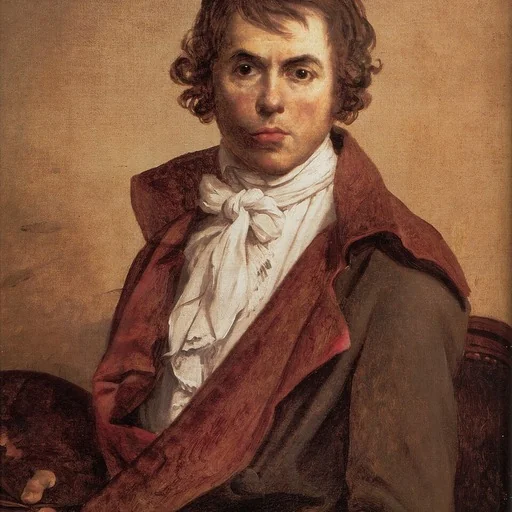
Artist
Jacques-Louis David was born in Paris on 30 August 1748 into a bourgeois family; his father died in a duel when the boy was nine, and a maternal uncle guided his education.

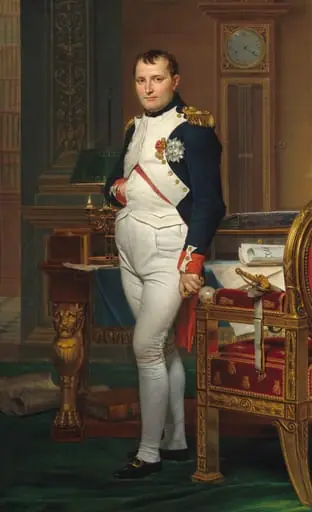 The Emperor Napoleon in His Study at the Tuileries
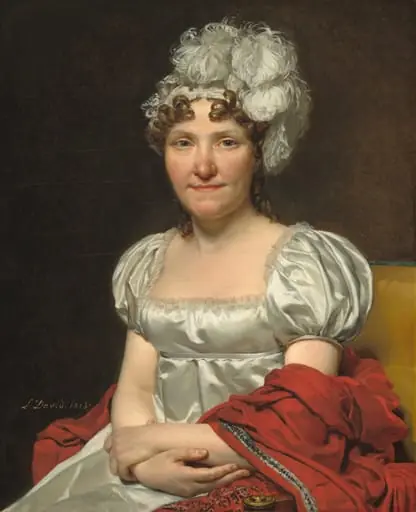 Madame David
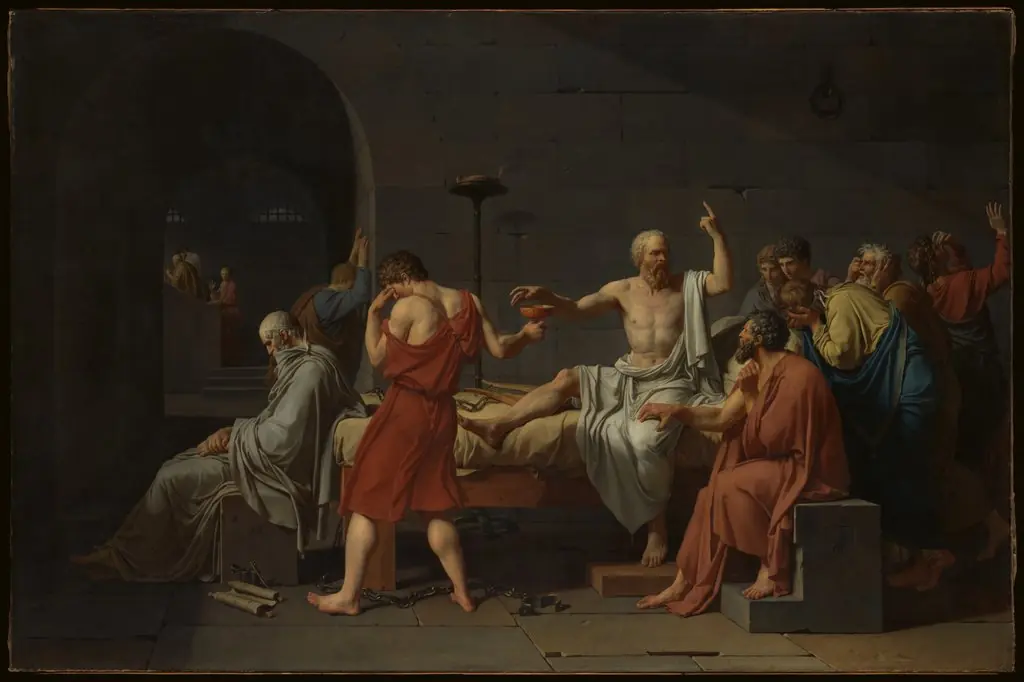 The Death of Socrates
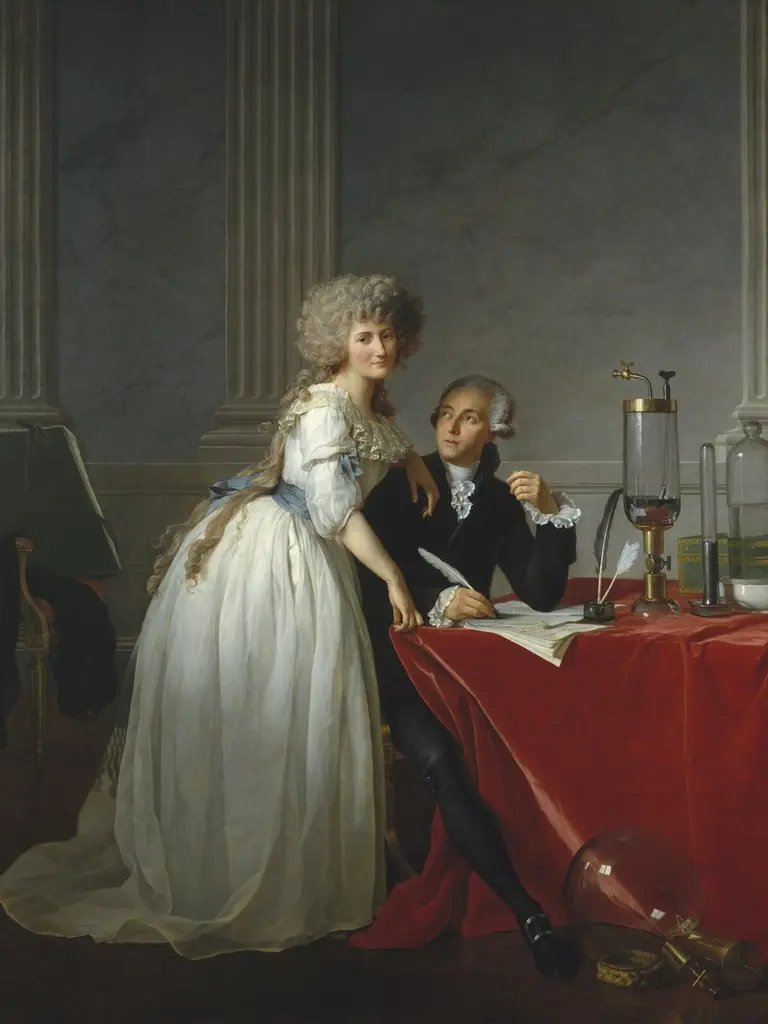 Portrait of Antoine-Laurent Lavoisier and his wife
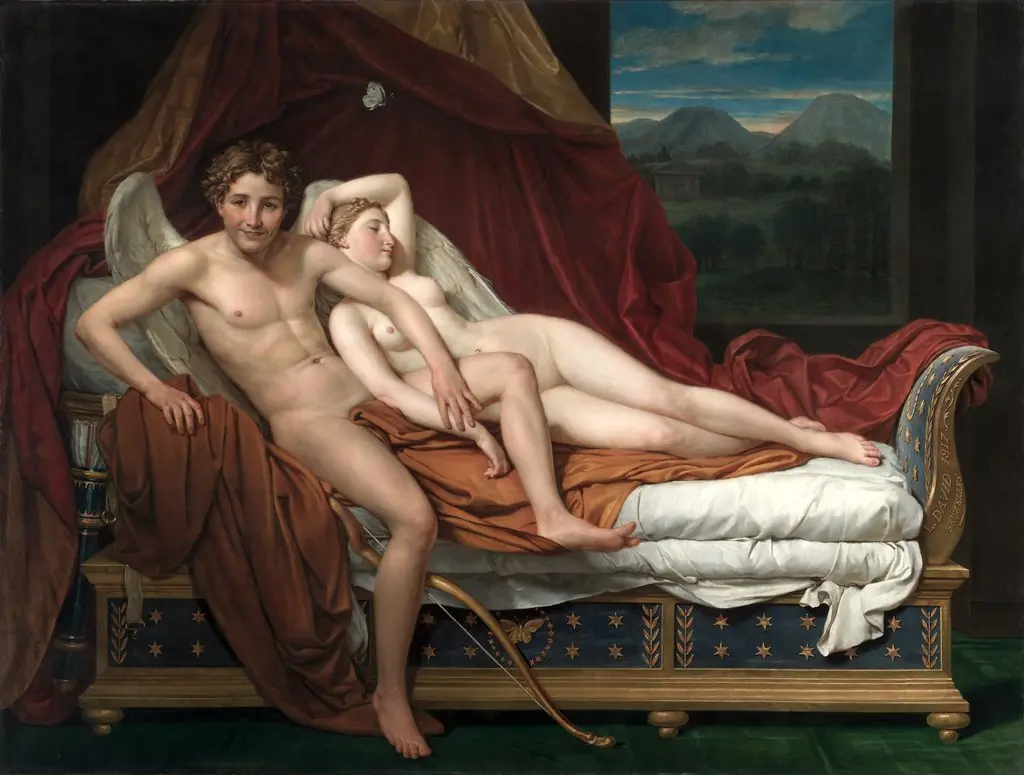 Cupid and Psyche
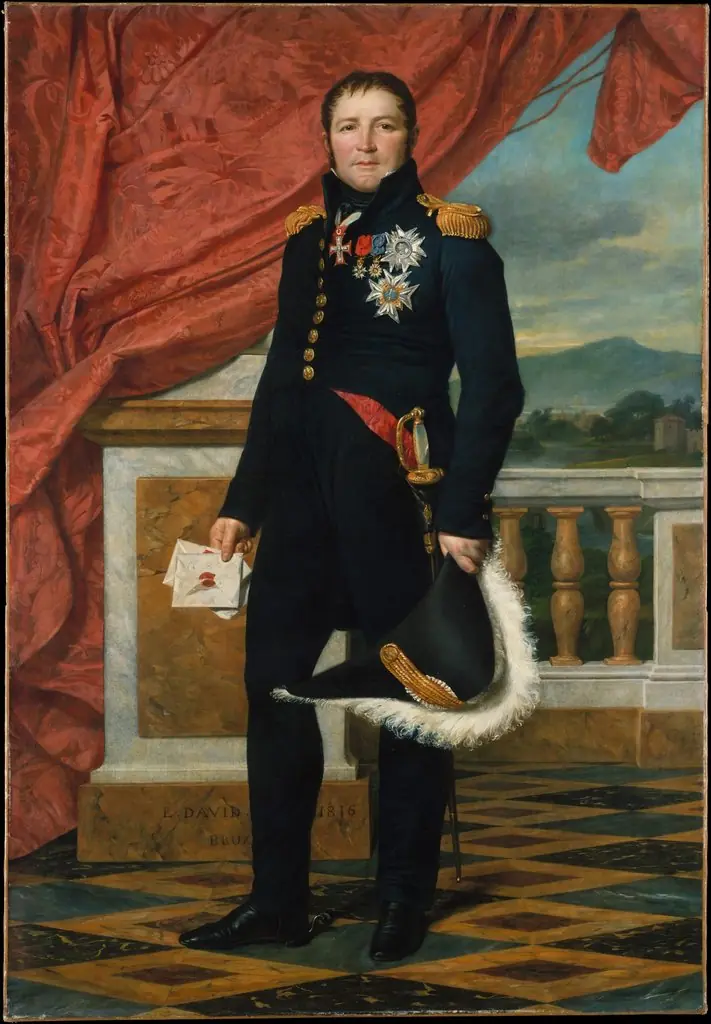 General Étienne-Maurice Gérard (1773–1852), Marshal of France
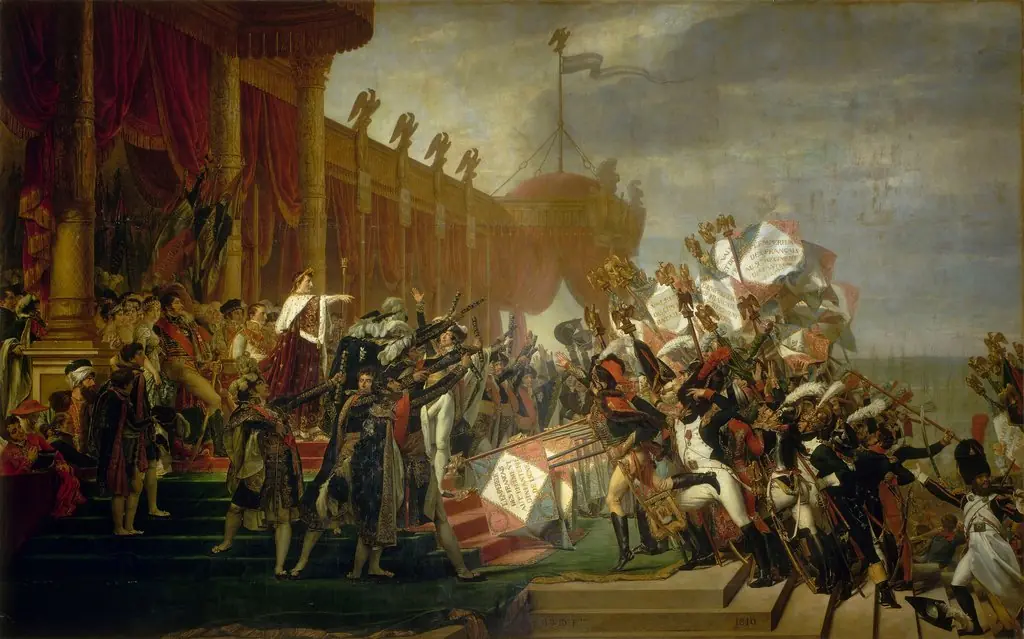 The Distribution of the Eagle Standards
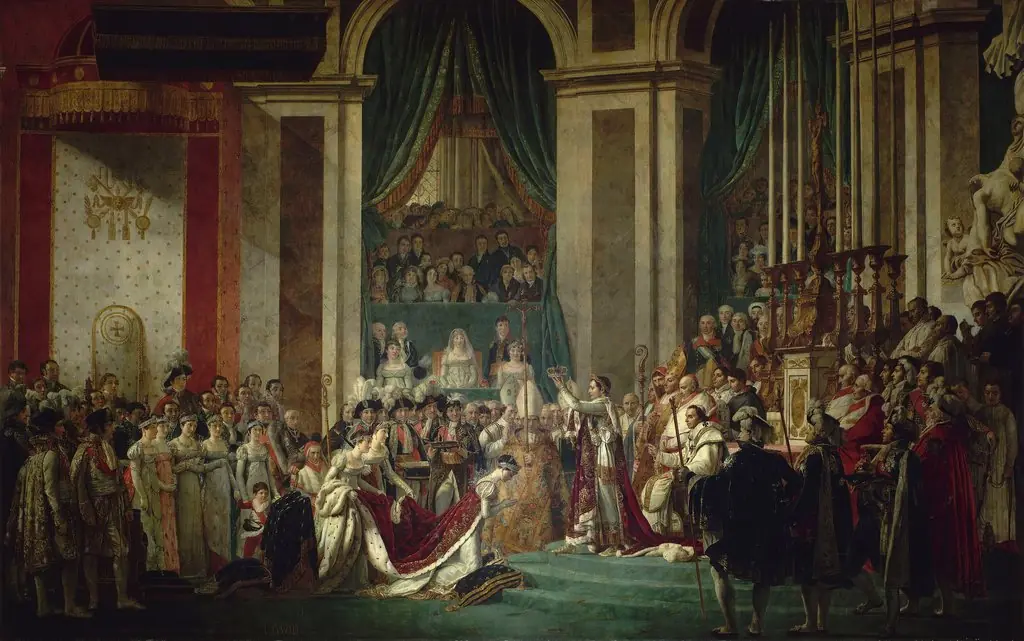 Coronation of Emperor Napoleon I and Coronation of the Empress Josephine
![Figure on Horseback and Other Studies [verso], by Winslow Homer](https://artifactworldgallery.com/img/winslow-homer--figure-on-horseback-and-other-studies-verso--3909dbf700a8f786-w320.webp)