Artwork
H Beard Print Collection
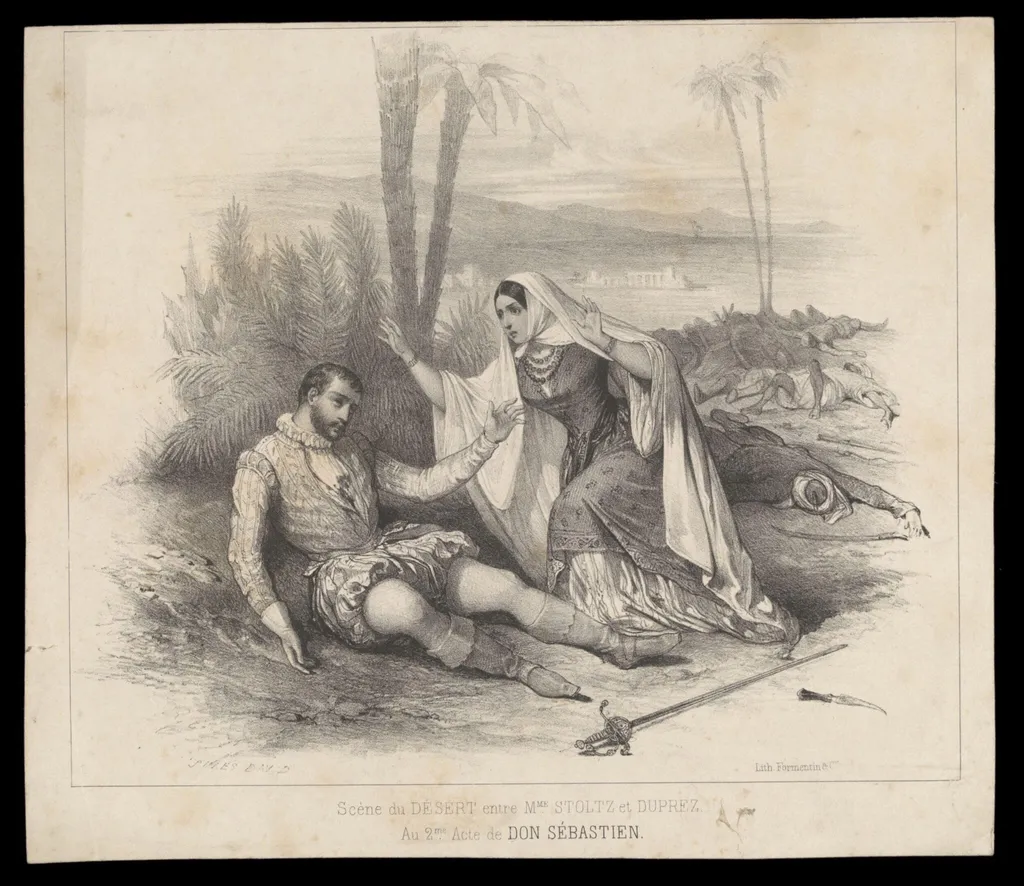
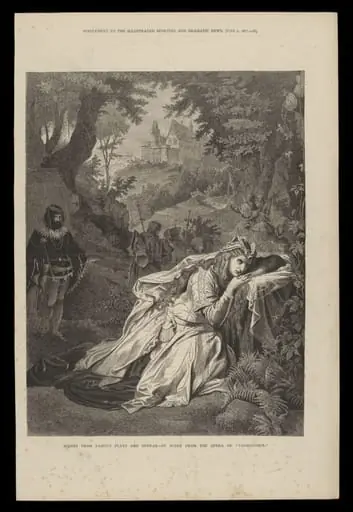
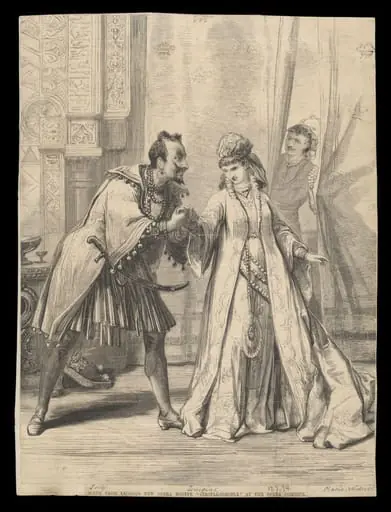
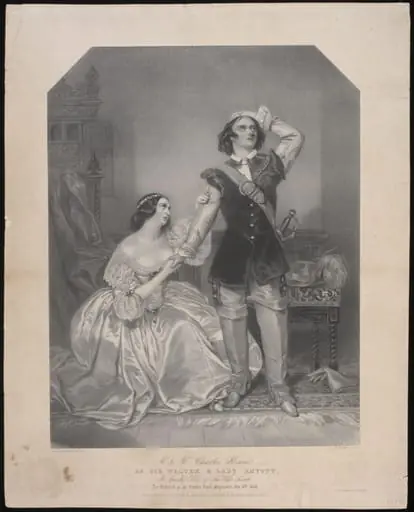
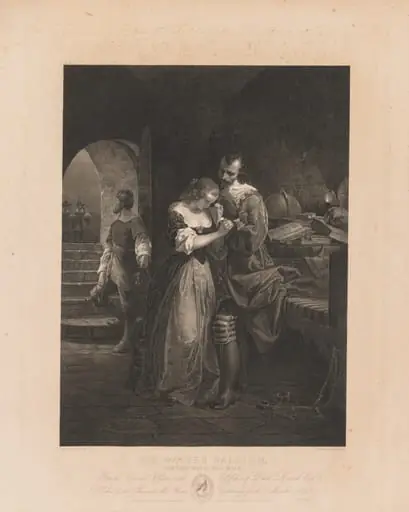
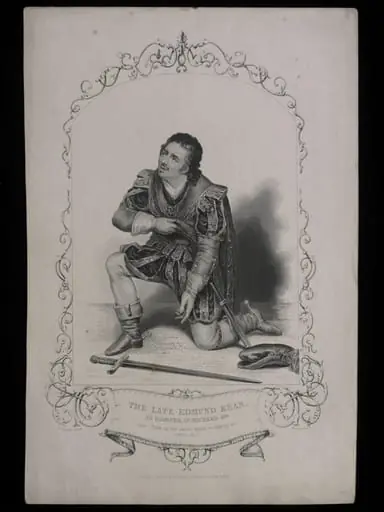
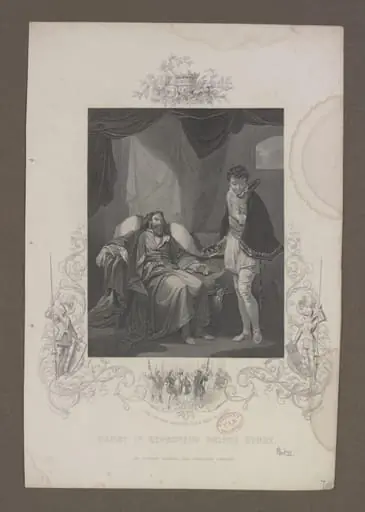
H Beard Print Collection is a print by Jules David. It dates from 1850 and is held in the collection of the Victoria and Albert Museum. This print captures a moment from Act 2 of Donizetti’s opera Don Sébastien, produced in Paris by Formentin & Cie during the 19th century.
About this work
Overview
Its format reflects the era’s demand for accessible imagery tied to popular theatrical performances, allowing audiences to own a visual record of staged drama.
This print captures a moment from Act 2 of Donizetti’s opera Don Sébastien, produced in Paris by Formentin & Cie during the 19th century. Created by artist Jules David, it is a reproductive print, intended for wide distribution rather than as a unique artwork. Its format reflects the era’s demand for accessible imagery tied to popular theatrical performances, allowing audiences to own a visual record of staged drama.
Subject & Meaning
The scene illustrates a desert setting from Don Sébastien, an opera centered on the Portuguese king’s trials in North Africa. The figures of Madame Stoltz and Monsieur Duprez, prominent singers of the time, are depicted in character, anchoring the image in a specific performance. The barren landscape underscores the opera’s themes of isolation and imperial ambition, rendered not as narrative climax but as atmospheric backdrop to vocal drama.
Technique & Style
Executed as a lithograph, the print employs fine lines and tonal gradations typical of mid-19th-century theatrical illustration. David’s style emphasizes clarity and dramatic lighting to distinguish figures against the desert expanse. The composition prioritizes recognizability over artistic innovation, serving as a faithful record of stage design and costume rather than a reinterpretation of the scene.
History & Provenance
Produced by Formentin & Cie, a Parisian publisher known for theatrical prints, this image was part of a series documenting contemporary opera performances. It likely circulated among music lovers and theater patrons as a keepsake. While its exact provenance is undocumented, similar prints are held in collections such as the Victoria and Albert Museum, suggesting its role in the broader culture of operatic memorabilia.
Context
In the 1840s–1860s, Paris was a hub for opera and print culture, with publishers capitalizing on public fascination with star performers. Prints like this bridged the gap between live performance and domestic consumption, enabling audiences to engage with opera beyond the theater. The depiction of Stoltz and Duprez—renowned for their vocal power—reflects the era’s cult of celebrity within the arts.
Legacy
Though the opera Don Sébastien has faded from regular performance, such prints preserve its visual and cultural footprint. They offer insight into how 19th-century audiences experienced and remembered opera—not through recordings, but through illustrated ephemera. These objects remain valuable for scholars studying the intersection of music, theater, and mass media in the pre-photographic age.
Artist & collection
Artist
Jules David made mid-19th-century French prints that preserved street theatre and popular amusements.