Artwork
Ideale Landschaft
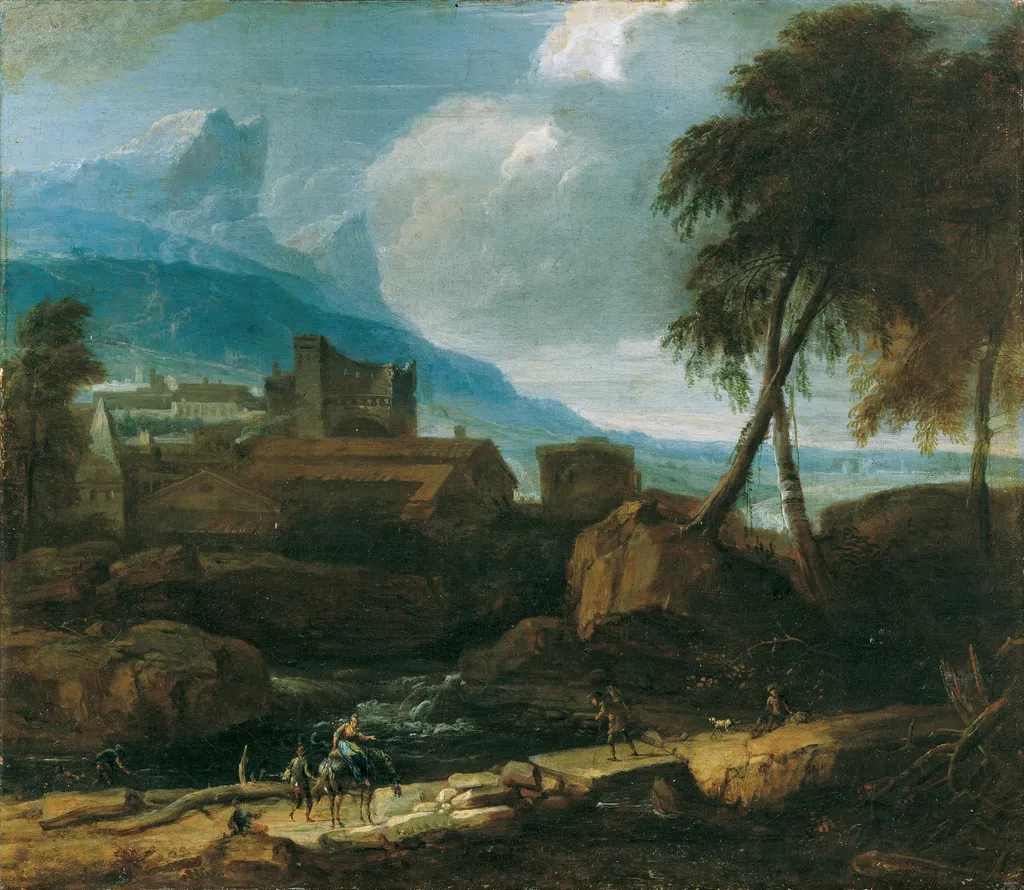
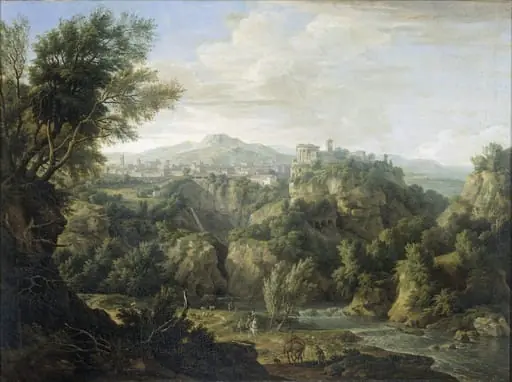
Ideale Landschaft is an oil painting by the Rococo painting artist David Richter the Elder. It dates from 1717 and is held in the collection of the Kunsthistorisches Museum.
About this work
Overview
Painted in 1717 by David Richter the Elder, this oil-on-canvas work presents a composed landscape that blends natural elements with architectural features. It resides in the collection of the Kunsthistorisches Museum in Vienna, reflecting the artist’s engagement with idealized scenery popular in early 18th-century European painting traditions.
Subject & Meaning
The central structure, likely a castle or ecclesiastical building, anchors the composition, suggesting human presence within nature. Surrounding figures and animals—such as a horse and dog—add scale and quiet activity, while the distant mountain range evokes grandeur. The scene conveys harmony between civilization and the natural world, typical of idealized landscape conventions of the period.
Technique & Style
Richter employs fine brushwork to differentiate textures: the roughness of rocks, the softness of foliage, and the smooth surfaces of stone architecture. Atmospheric perspective is used to recede the mountains into the hazy background, while sunlight casts subtle shadows, enhancing spatial depth. The sky, rendered in pale blues and whites, contributes to a serene, luminous mood.
History & Provenance
The painting has remained in the Kunsthistorisches Museum since at least the 18th century, likely acquired as part of the Habsburg collections. Its preservation suggests it was valued within imperial artistic circles. No significant changes to its condition or ownership are documented, indicating stable provenance over centuries.
Context
Created during the Baroque era, the work aligns with contemporary tastes for idealized landscapes that combined realism with poetic order. Such scenes often served as visual metaphors for stability and divine harmony. Richter, active in northern Europe, participated in a broader tradition of landscape painting that emphasized composition over topographical accuracy.
Legacy
Though not widely known today, Richter’s work contributes to the understanding of regional landscape practices in early 18th-century Germany and Austria. His attention to detail and balanced composition influenced lesser-known contemporaries, preserving a quiet but persistent strand of Baroque landscape aesthetics within Central European art.
Own this work as a print
Artist & collection
Artist
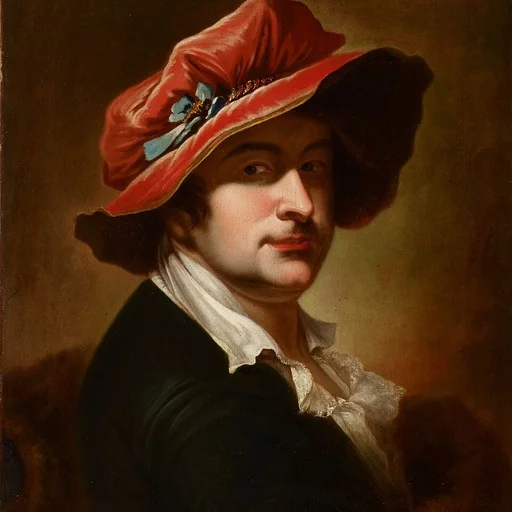
David Richter the Elder (1661–1735) was an artist, born in Stockholm.

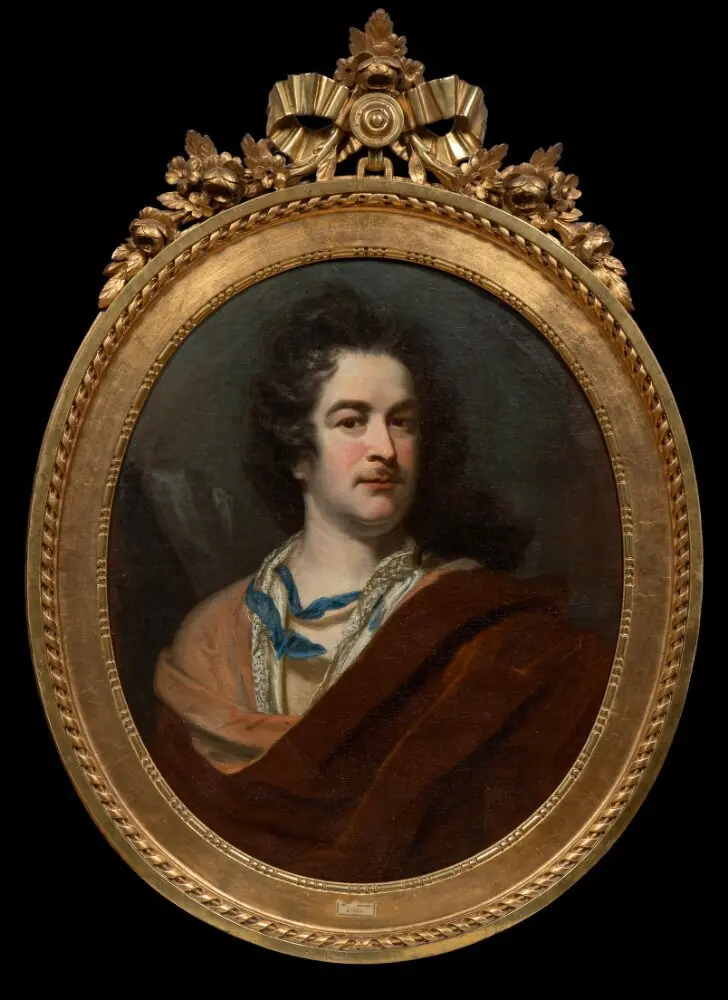
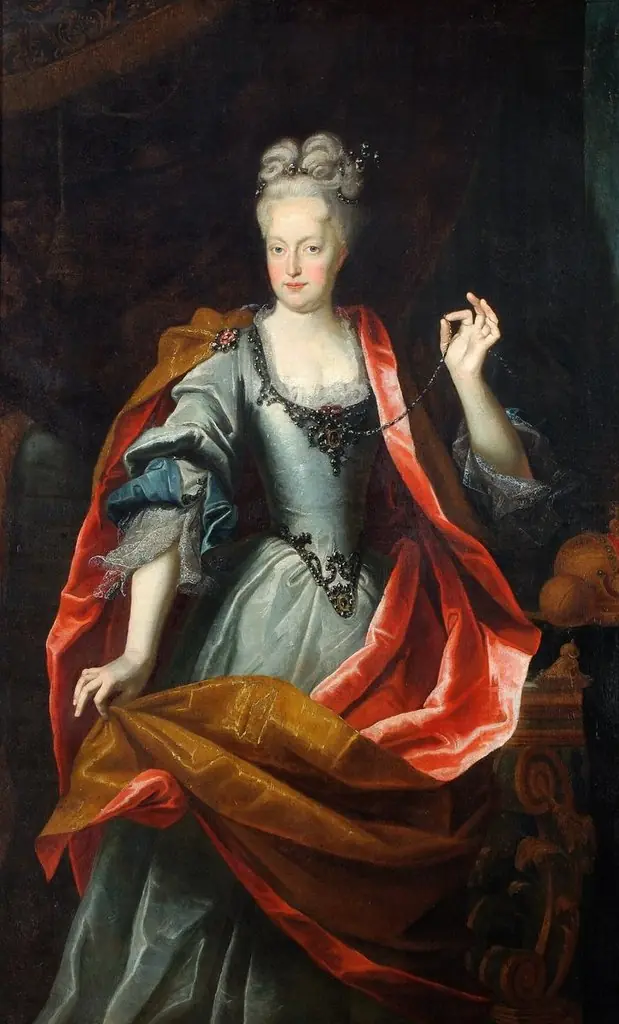
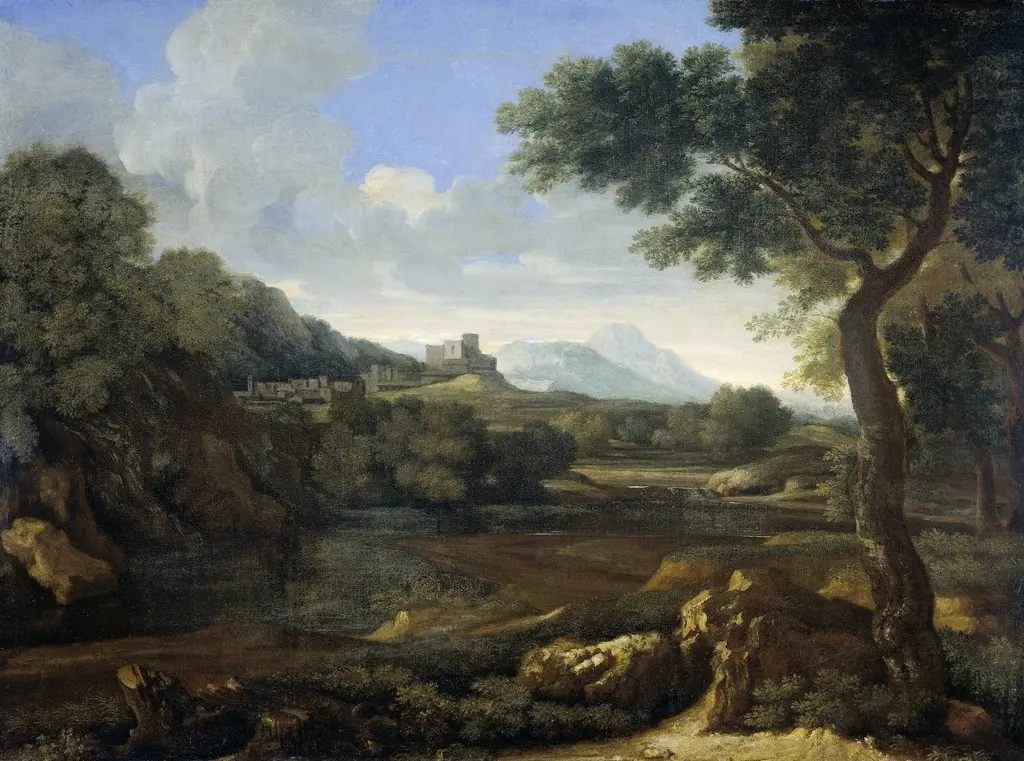 Landscape
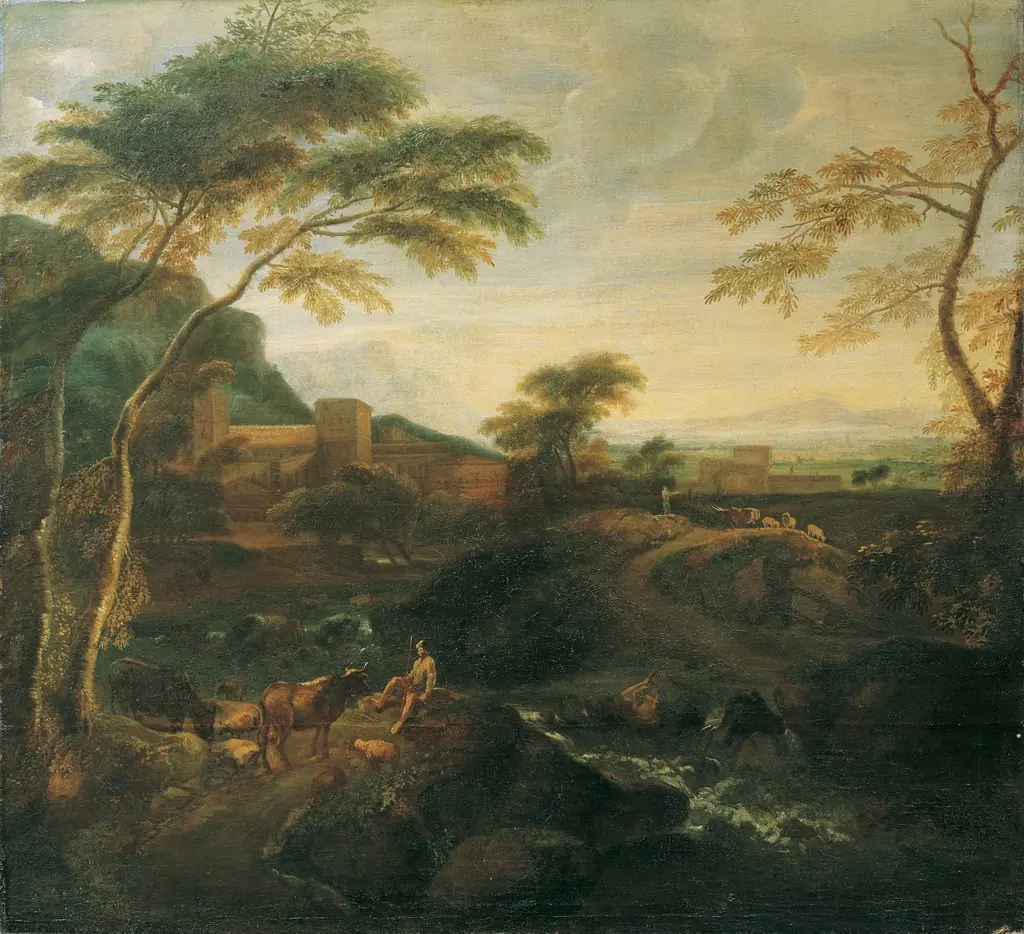 Landscape with Grazing Cattle
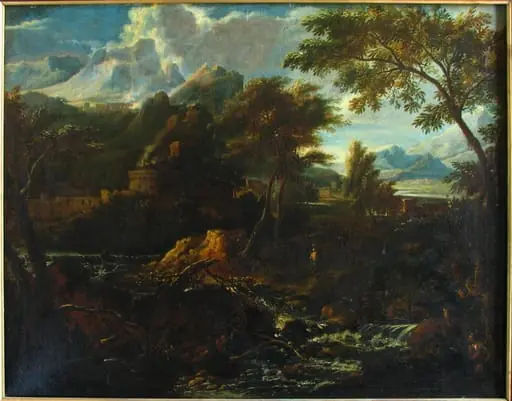 Peisaj cu râu și ruine; pandant: Peisaj cu clădiri vechi
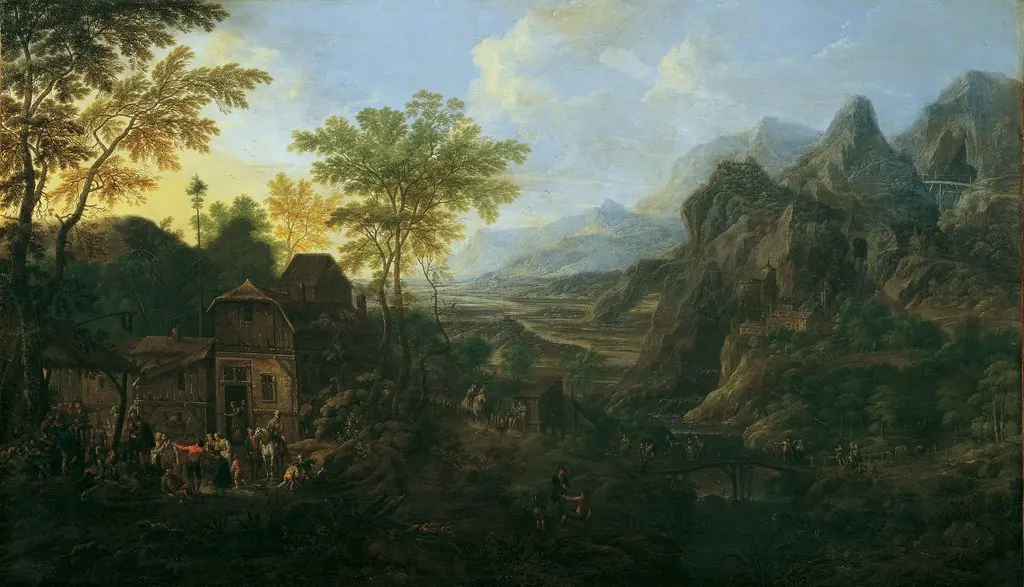 Ideal landscape with fair
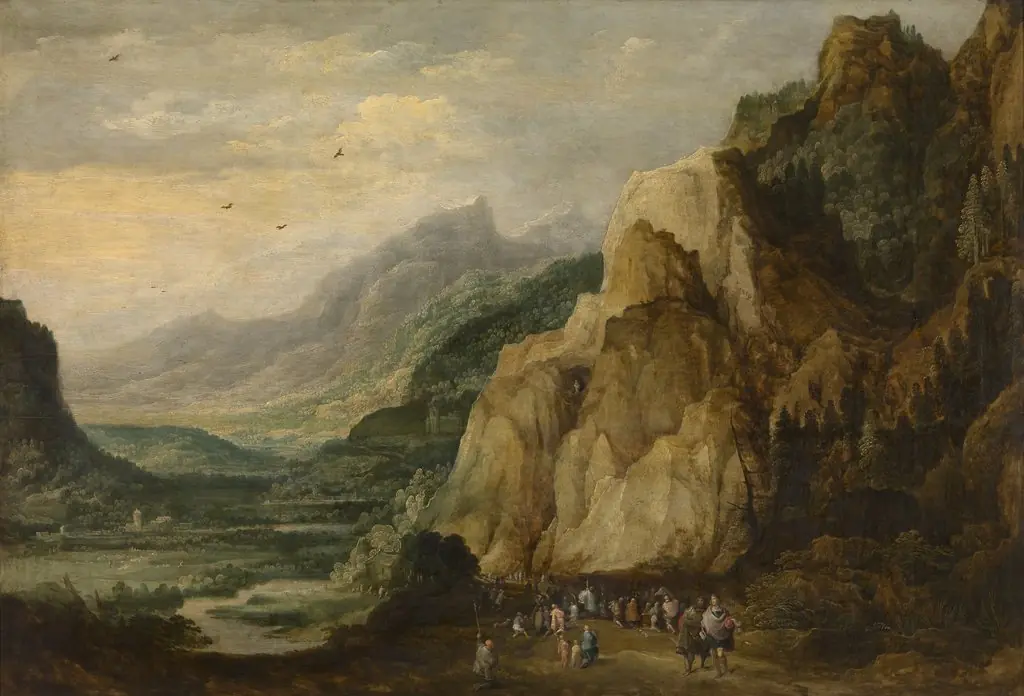 The Miraculous Rescue of Maximilian of Austria
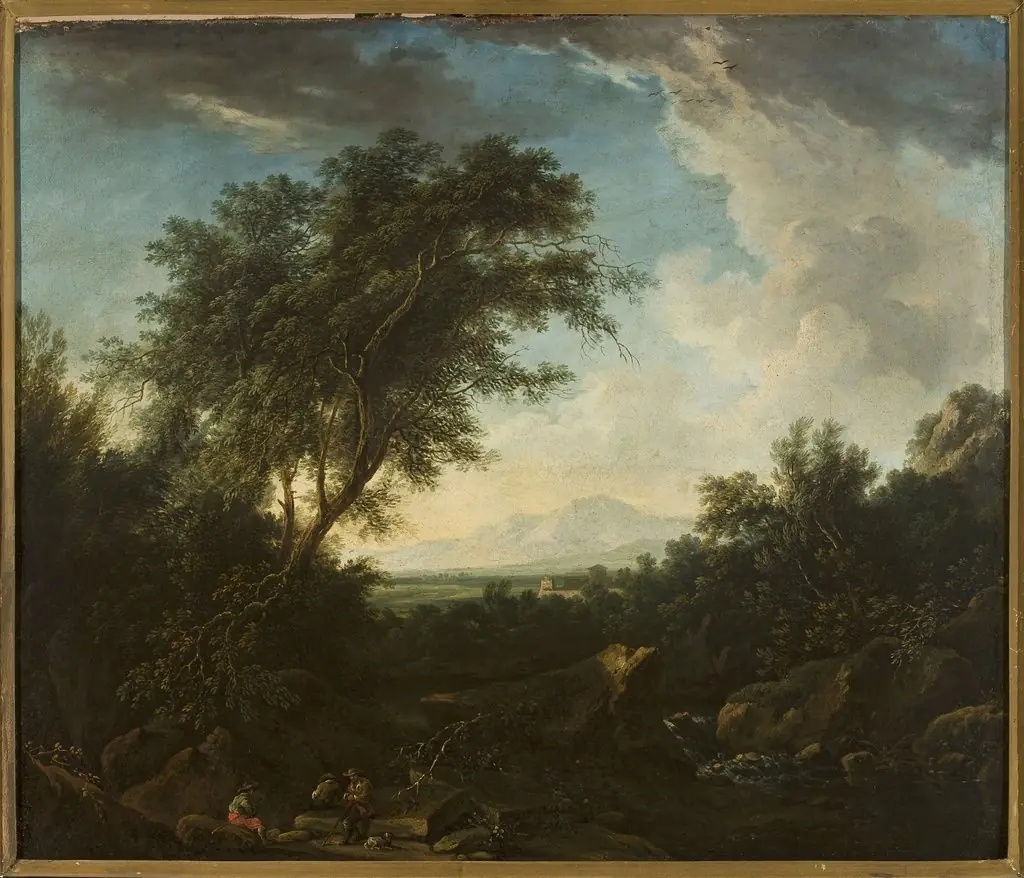 Landscape
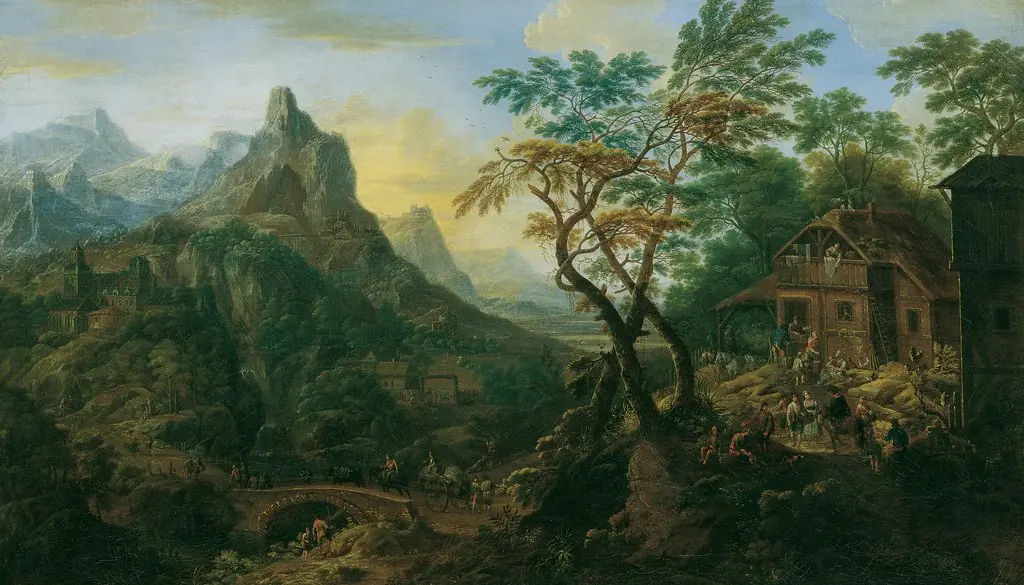 Mountain landscape with castle
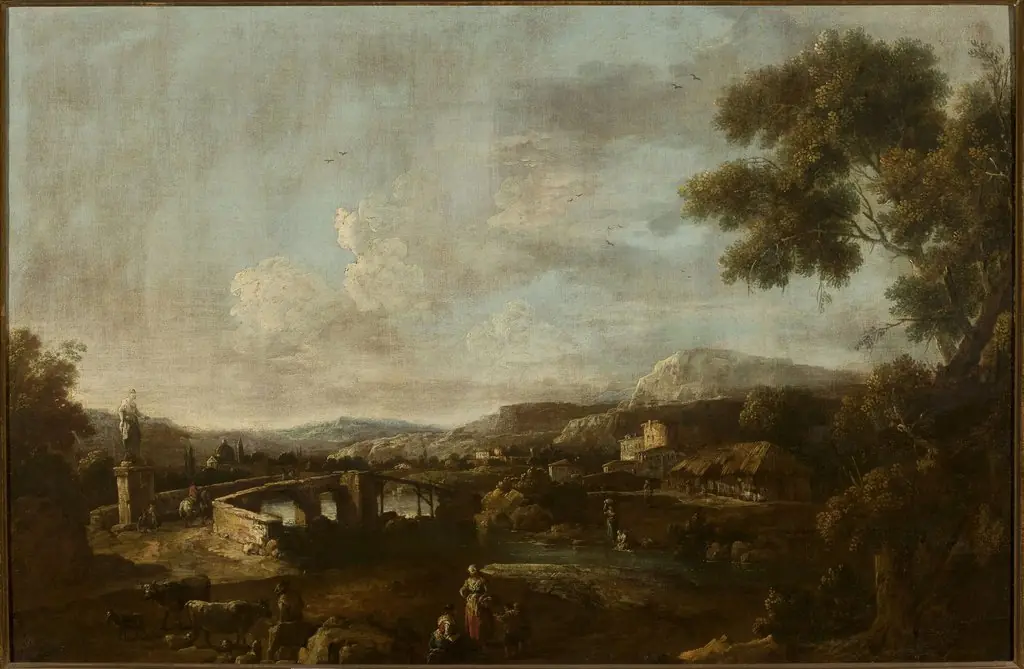 Landscape with staffage
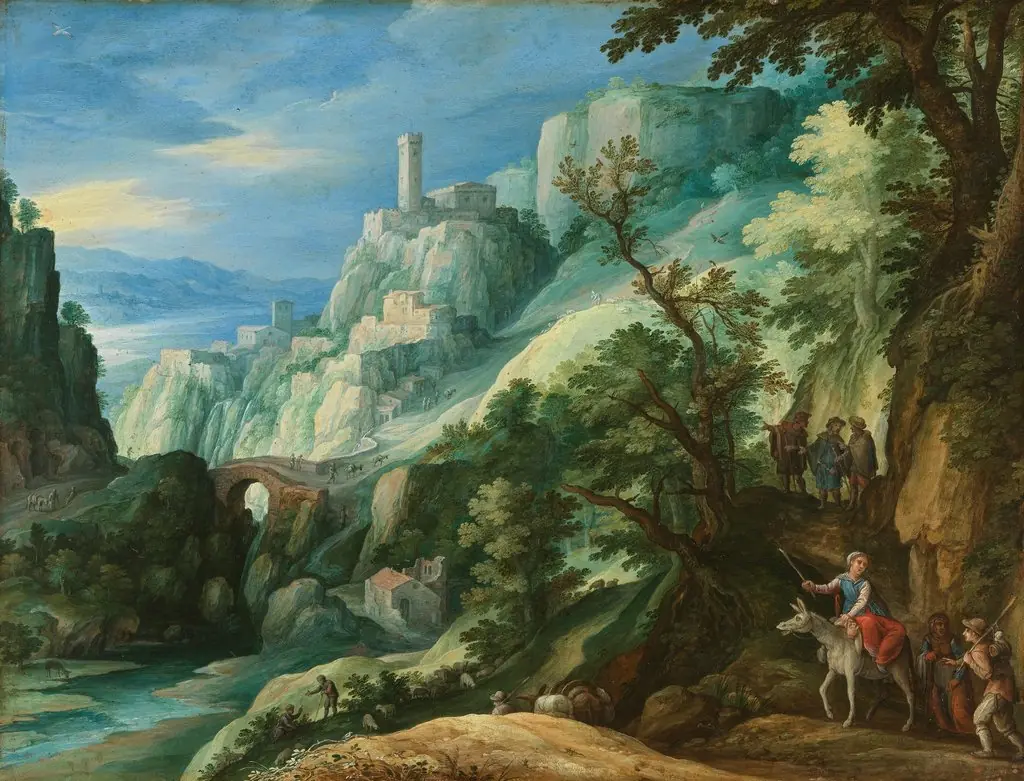 Italienische Gebirgslandschaft mit Gang nach Emmaus
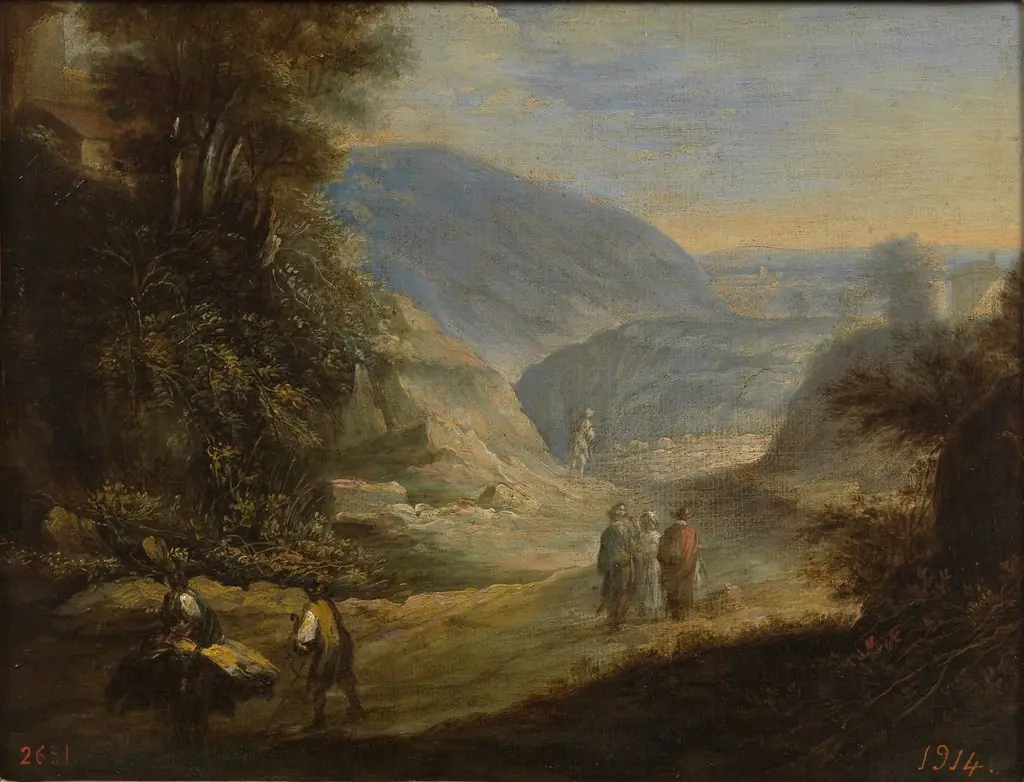 Landscape
 View of Tivoli