Artwork
John Stirling (1811 - 1882)
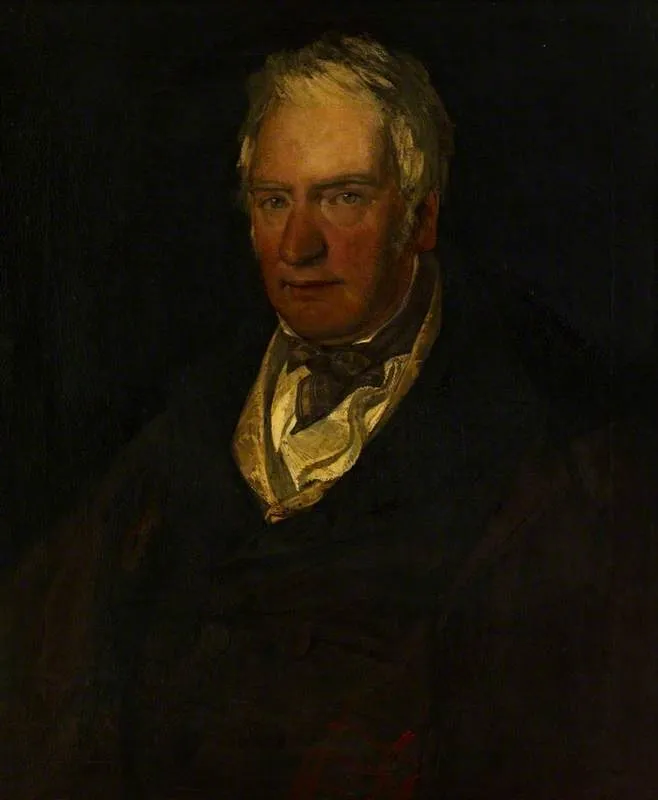
John Stirling (1811 - 1882) is an oil painting by David Scott. It is held in the collection of the National Galleries Scotland.
About this work
Overview
This oil portrait depicts John Stirling, a Scottish figure active in the 19th century, painted by David Scott around the mid-1800s. The work is part of the Scottish National Gallery’s collection. Its restrained composition and somber palette reflect the conventions of formal portraiture of the era, emphasizing dignity over ornamentation.
Subject & Meaning
John Stirling is portrayed with quiet composure, his short white hair and dark formal attire suggesting a man of established social standing. The absence of symbolic objects or elaborate settings directs focus to his presence alone, implying a portrait intended to convey character rather than status or achievement. The stillness of his gaze reinforces a sense of introspection.
Technique & Style
David Scott employed a muted color scheme dominated by blacks, grays, and deep browns, with subtle contrasts to define the texture of fabric and skin. The brushwork is precise yet unobtrusive, avoiding theatricality. Light falls gently across the face and shirt, modeling form without drawing attention to technique, aligning with the era’s preference for restrained realism.
History & Provenance
The painting entered the Scottish National Gallery’s collection in the 19th century, likely through acquisition or donation following Stirling’s death. Its continuous presence in the institution suggests early recognition of its artistic and historical value within Scottish cultural circles, though specific details of its early ownership remain undocumented.
Context
Painted during a period when Scottish portraiture emphasized sobriety and moral seriousness, this work reflects broader trends among middle- and upper-class subjects who favored understated representation. Scott, known for historical scenes, applied his disciplined technique here to a private commission, bridging narrative and likeness in a manner typical of Scottish academic practice.
Legacy
Though not widely exhibited beyond national collections, the portrait remains a representative example of mid-Victorian Scottish portraiture. It contributes to the understanding of how identity was visually constructed in professional circles, preserving the image of a man whose public role is otherwise little recorded in broader historical narratives.
Artist & collection
Artist
David Scott painted dramatic scenes from history and myth in oils during the early 1800s.

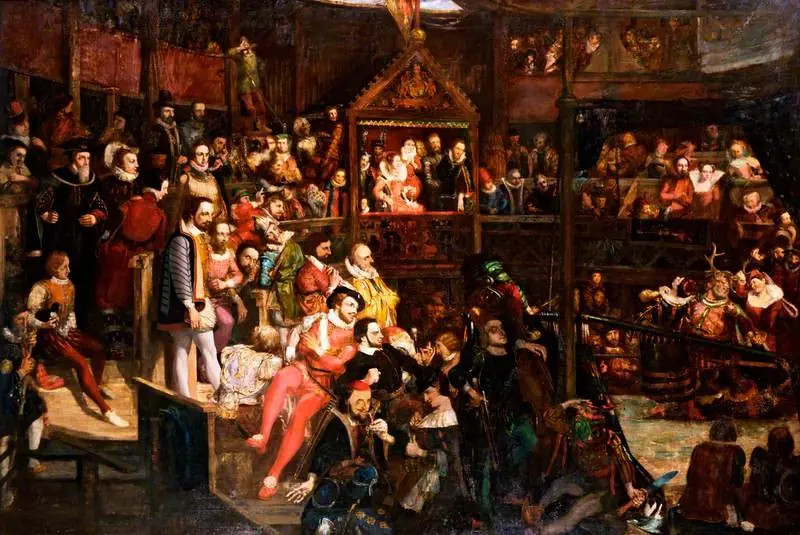 Queen Elizabeth (1533–1603), Viewing the Performance of 'The Merry Wives of Windsor' at the Globe Theatre
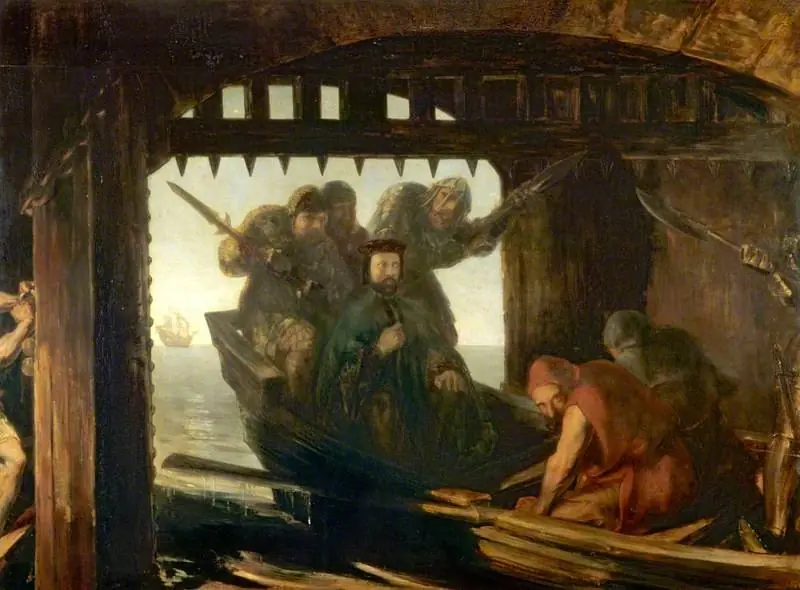 The Traitor's Gate
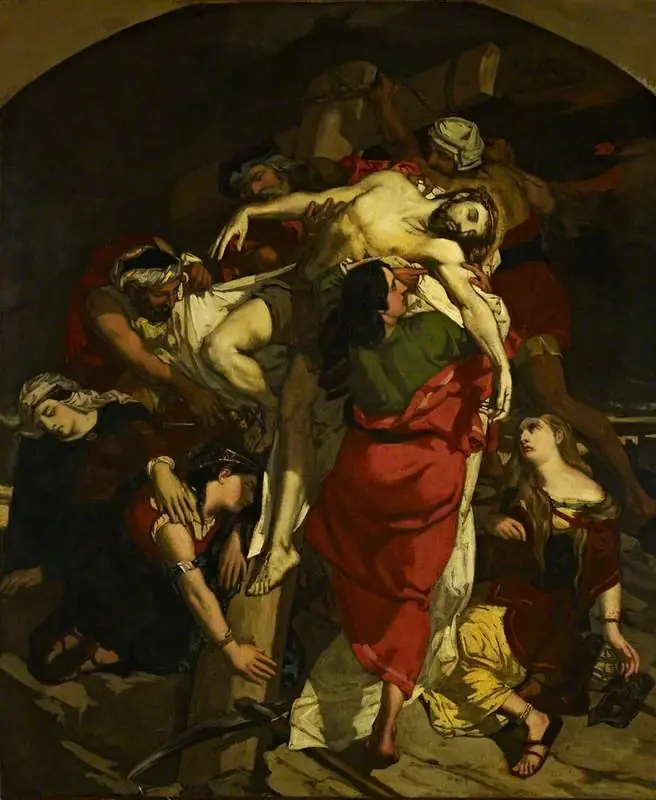 A Study for 'The Descent from the Cross'
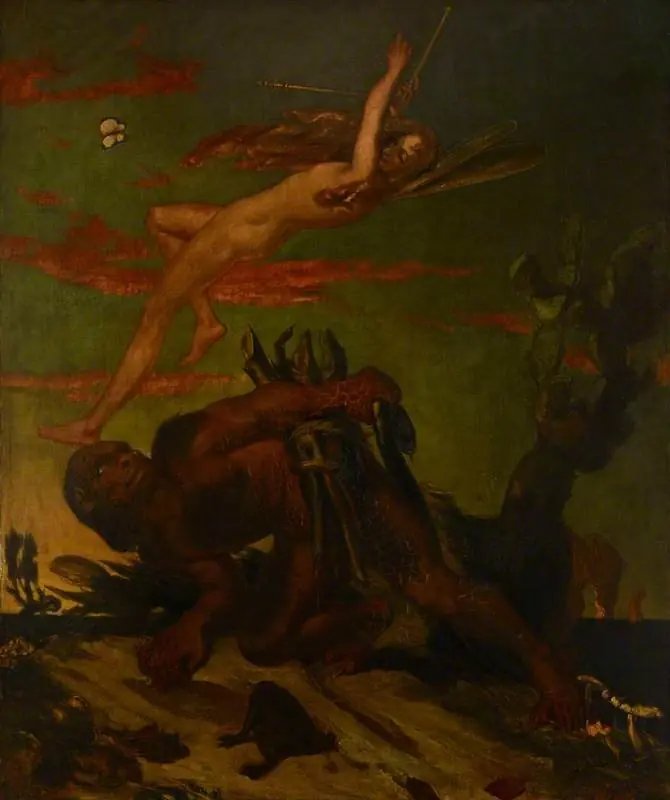 Ariel and Caliban
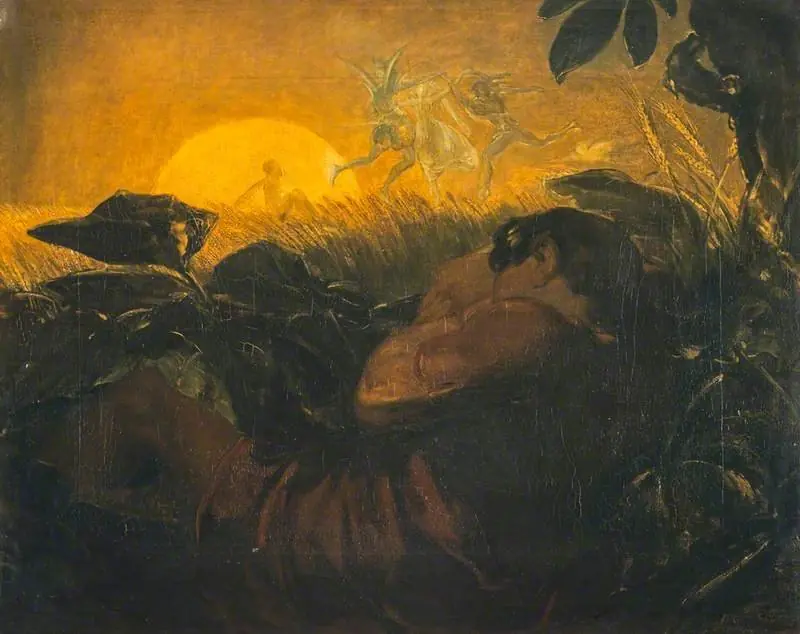 The Belated Peasant (from Milton's 'Paradise Lost')
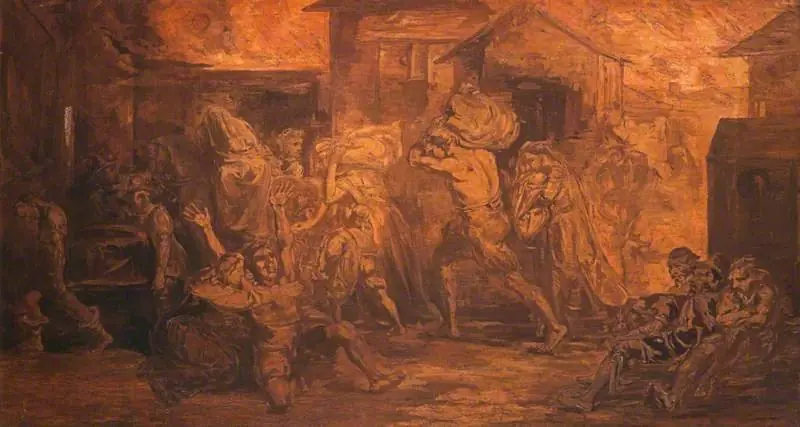 The Fire of London
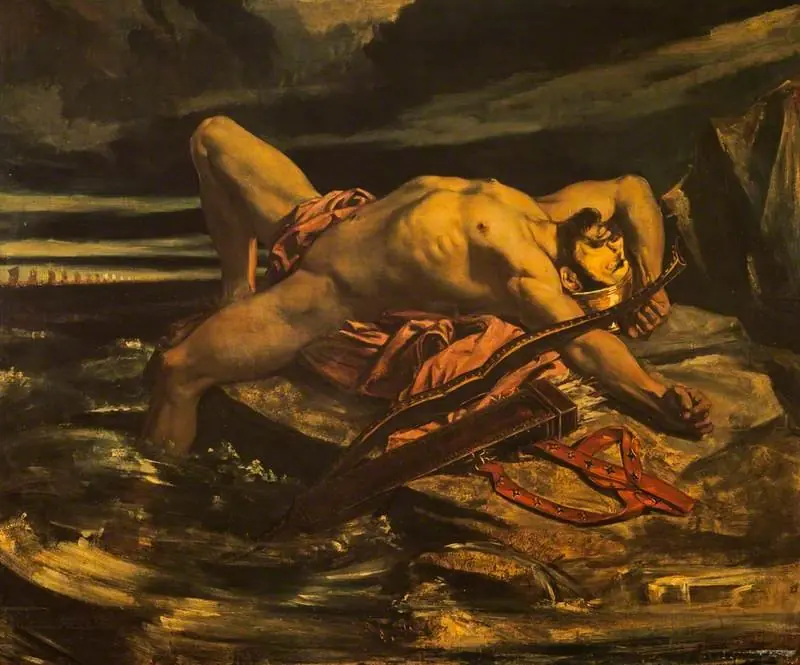 Philoctetes left on the Isle of Lemnos by the Greeks on their passage towards Troy
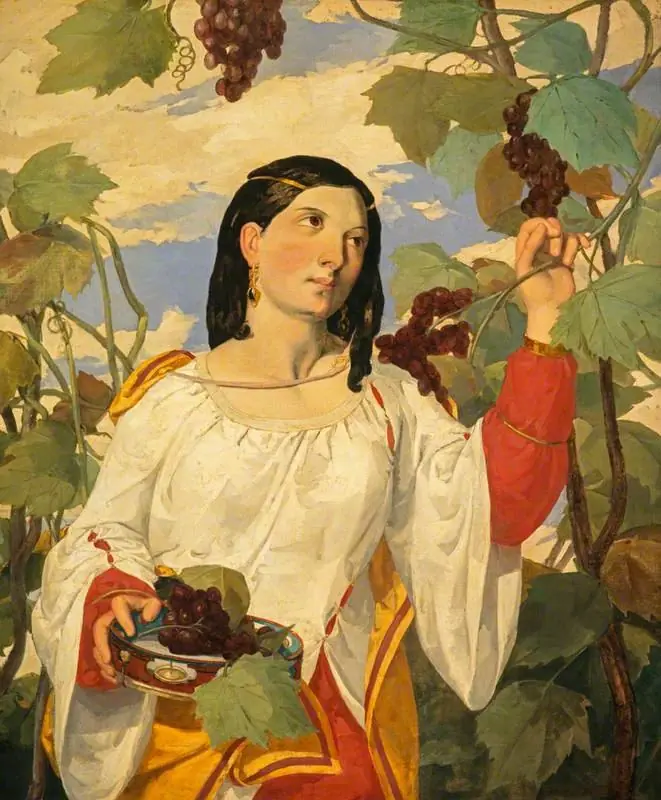 The Vintager
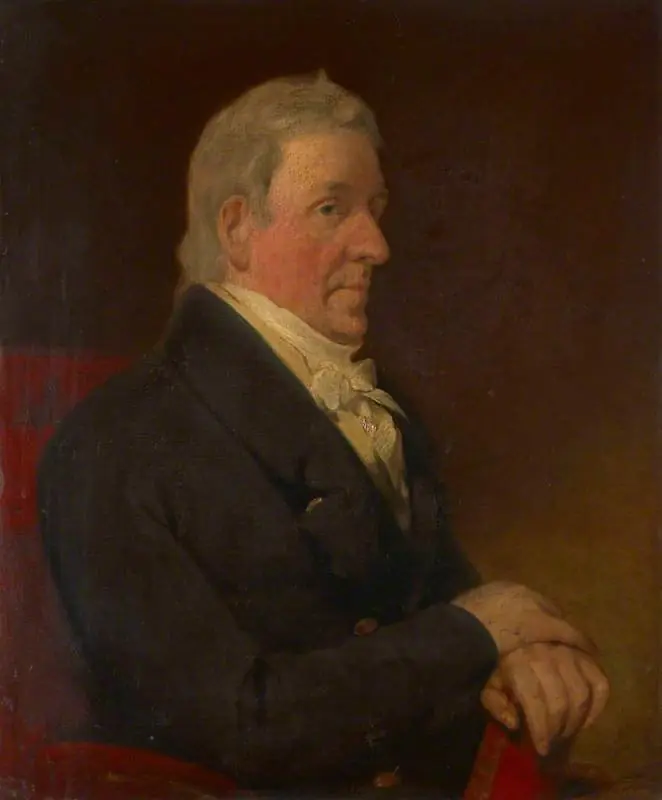 Peter Spalding (c. 1758 - 1826)
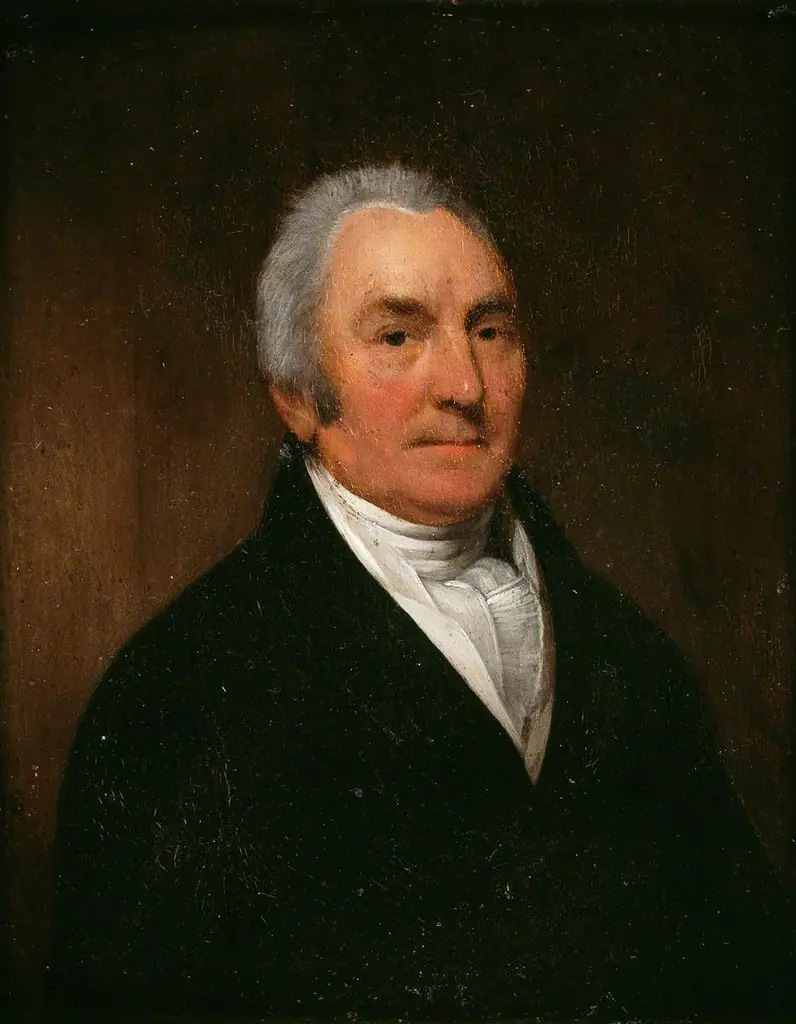 Roland Williams (1756–1836)
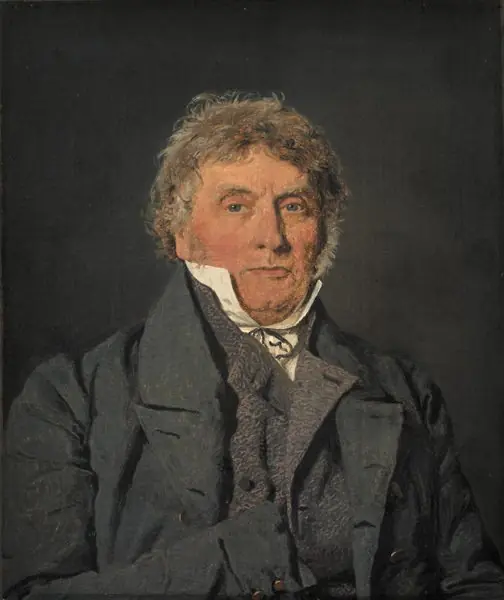 Portrait of the Artist´s Father, Master Baker Peter Berendt Købke
 John Lloyd-Williams
 George Kinnear (1751 - 1823)
 James Bennett of Mackworth, Derbyshire
 William Hobson of Markfield (1753–1840)
 James Thomson of Nether Bogie (1749 - 1831)
 Griffith Evans