Artwork
William Hobson of Markfield (1753–1840)
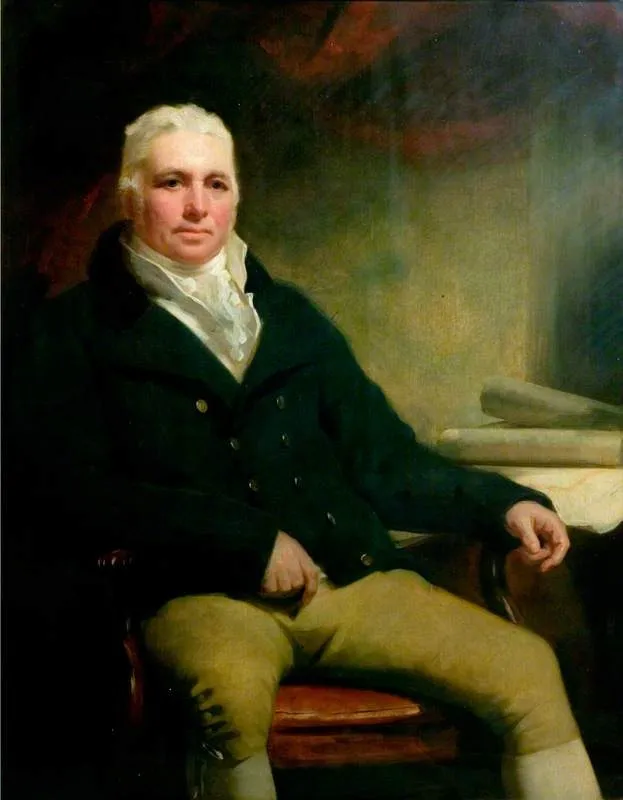
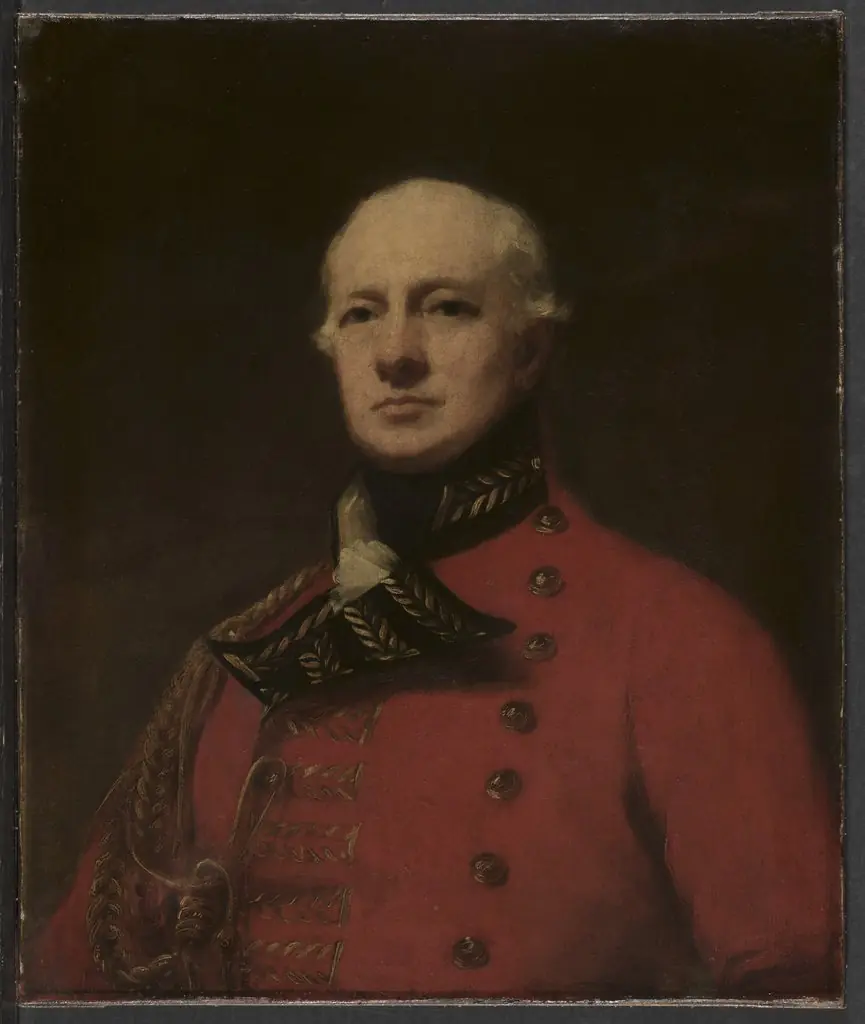
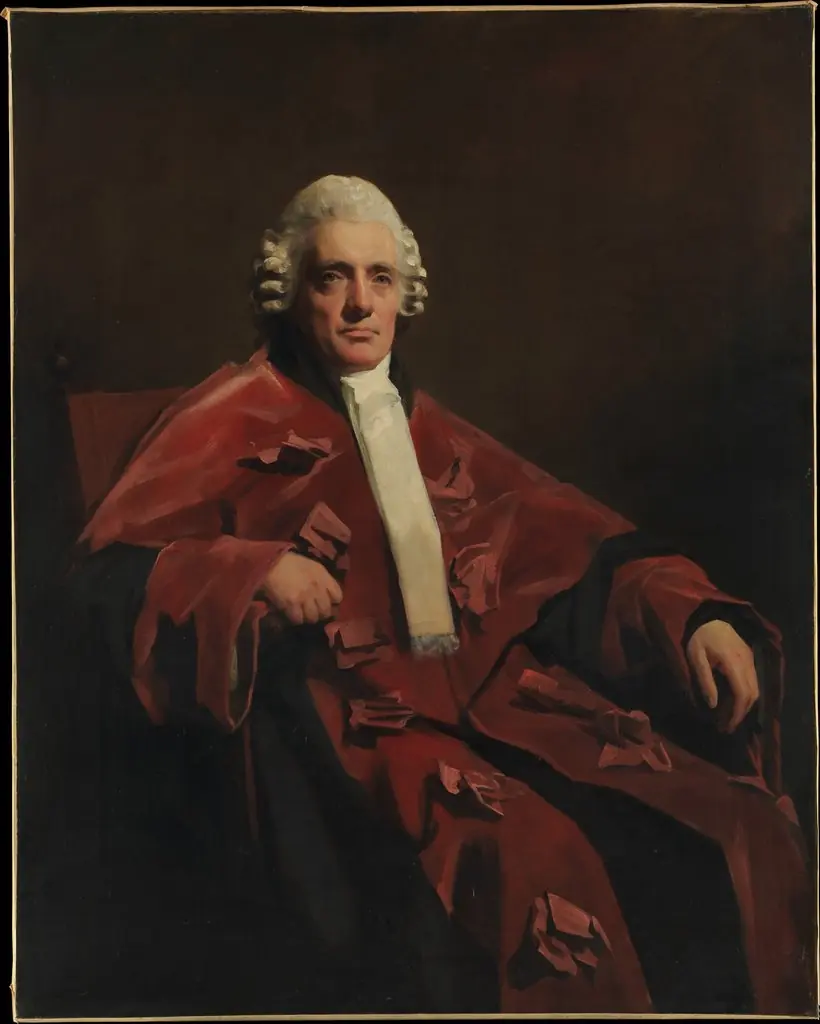
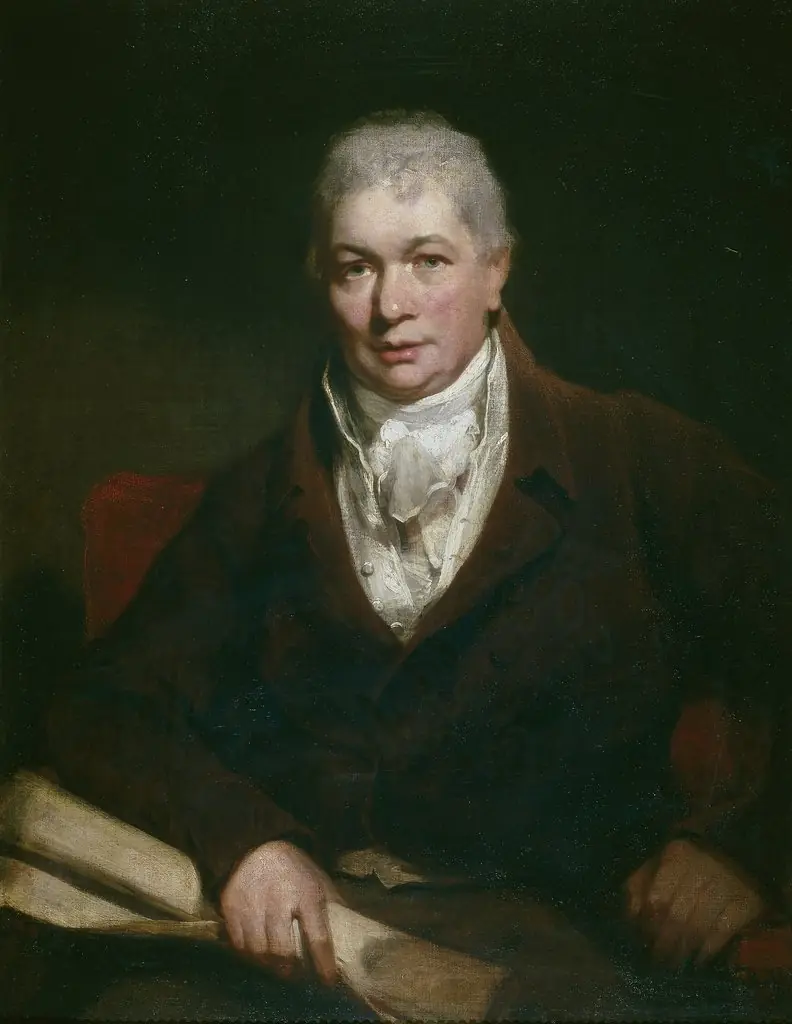
William Hobson of Markfield (1753–1840) is an oil painting by Henry Raeburn. It dates from 1799 and is held in the collection of the Victoria and Albert Museum.
About this work
This portrait depicts a man with white hair, dressed in a dark jacket, white shirt, and tan pants.
This portrait depicts a man with white hair, dressed in a dark jacket, white shirt, and tan pants. He sits on a chair, with his right arm resting on a table behind him.
The man's attire and hairstyle suggest a formal setting, possibly from the 18th or 19th century. The painting's style and technique are reminiscent of traditional portraiture.
To learn more about the artist's use of chiaroscuro, explore the works of Henry Raeburn.
Overview
Painted circa 1799, this oil portrait by Henry Raeburn captures William Hobson of Markfield, a Leicestershire landowner. Raeburn, a prominent Scottish artist and official portraitist to the British royal family in Scotland, rendered Hobson with quiet authority. The composition avoids elaborate settings, focusing instead on the sitter’s demeanor and presence through restrained lighting and minimal background.
Subject & Meaning
Hobson is depicted as a man of steady social standing, his white hair and formal attire signaling age and refinement. His direct gaze and relaxed yet upright posture convey self-assurance without ostentation. The absence of symbols of wealth or status suggests an emphasis on character rather than rank, aligning with Enlightenment ideals of individual dignity and quiet virtue.
Technique & Style
Raeburn employed subtle chiaroscuro to model Hobson’s face and hands, lending volume and texture without dramatic contrast. The dark jacket and tan trousers anchor the figure against a neutral backdrop, while the white shirt catches soft light, drawing attention to the face. Brushwork is deliberate yet fluid, balancing precision with a sense of immediacy characteristic of Raeburn’s mature style.
History & Provenance
The painting was completed during Raeburn’s peak years as a portraitist in Edinburgh, when he was commissioned by Scottish and English gentry. Hobson’s connection to the artist remains undocumented, but the work’s survival in private collections until its acquisition by a public institution reflects its enduring recognition within British portraiture circles.
Context
In late 18th-century Britain, portraiture served both personal and social functions, affirming identity among the landed class. Raeburn’s approach diverged from grand European conventions, favoring intimate realism over theatricality. This portrait reflects a Scottish tradition that valued psychological presence over ornamental display, resonating with contemporary shifts in taste toward sincerity and restraint.
Legacy
Though not among Raeburn’s most widely reproduced works, this portrait exemplifies his ability to convey individuality through understated means. It contributes to the broader understanding of how British portraiture evolved toward psychological depth in the early 19th century, influencing later artists who prioritized character over status symbols.
Artist & collection
Artist
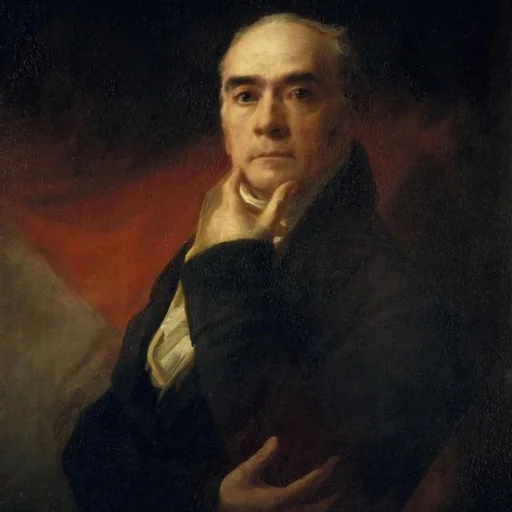
Sir Henry Raeburn (; 4 March 1756 – 8 July 1823) was a Scottish portrait painter. He served as Portrait Painter to King George IV in Scotland.

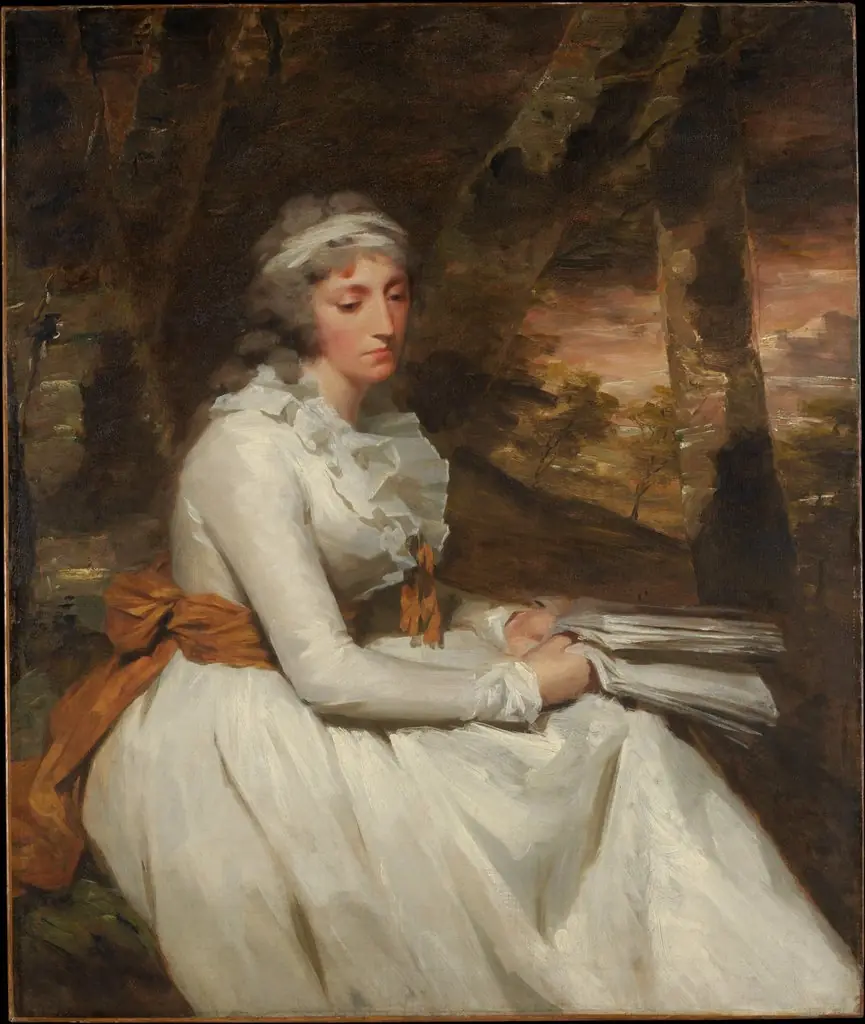
 Portrait of a Man
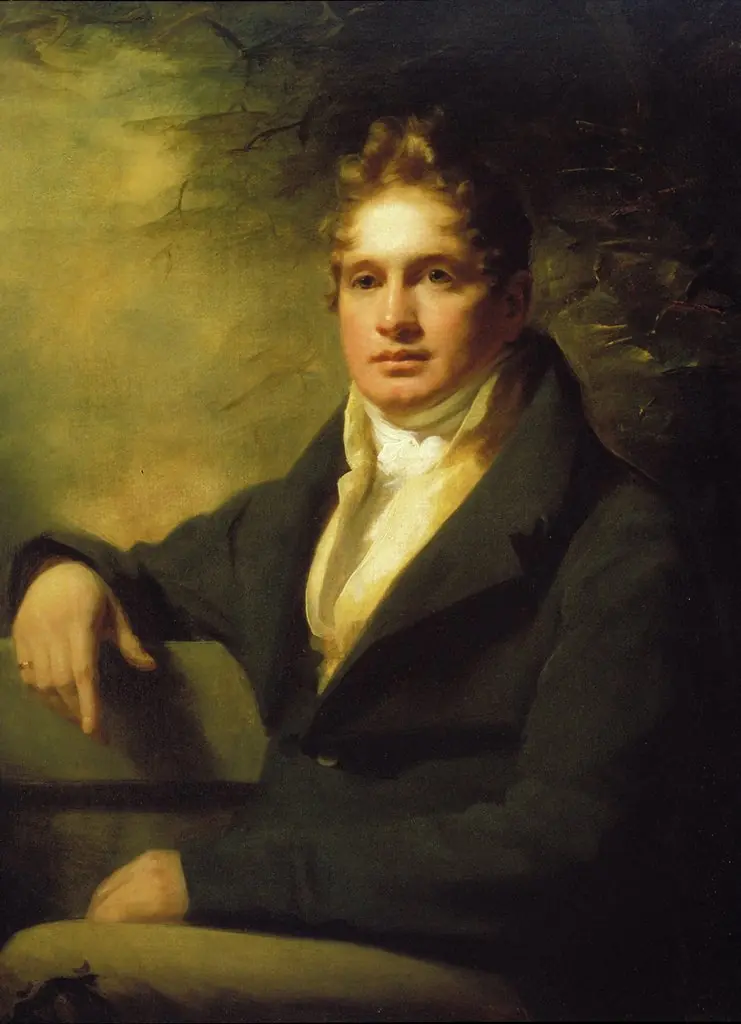 Alexander Murray, 8th Baron Elibank
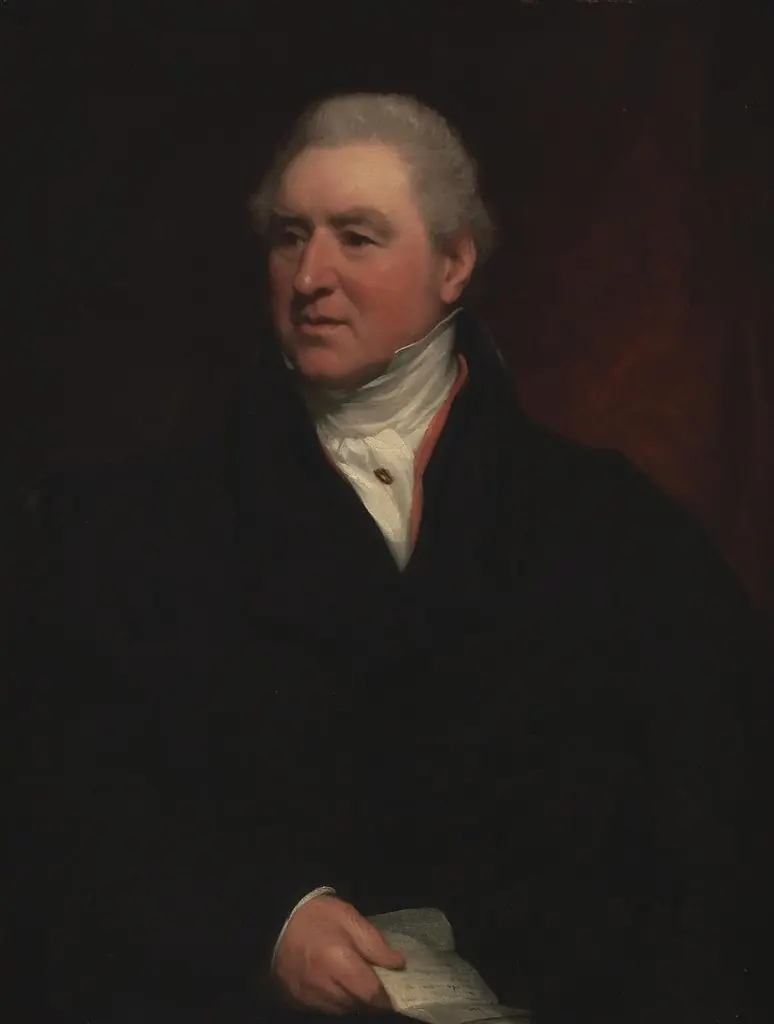 John Lloyd-Williams
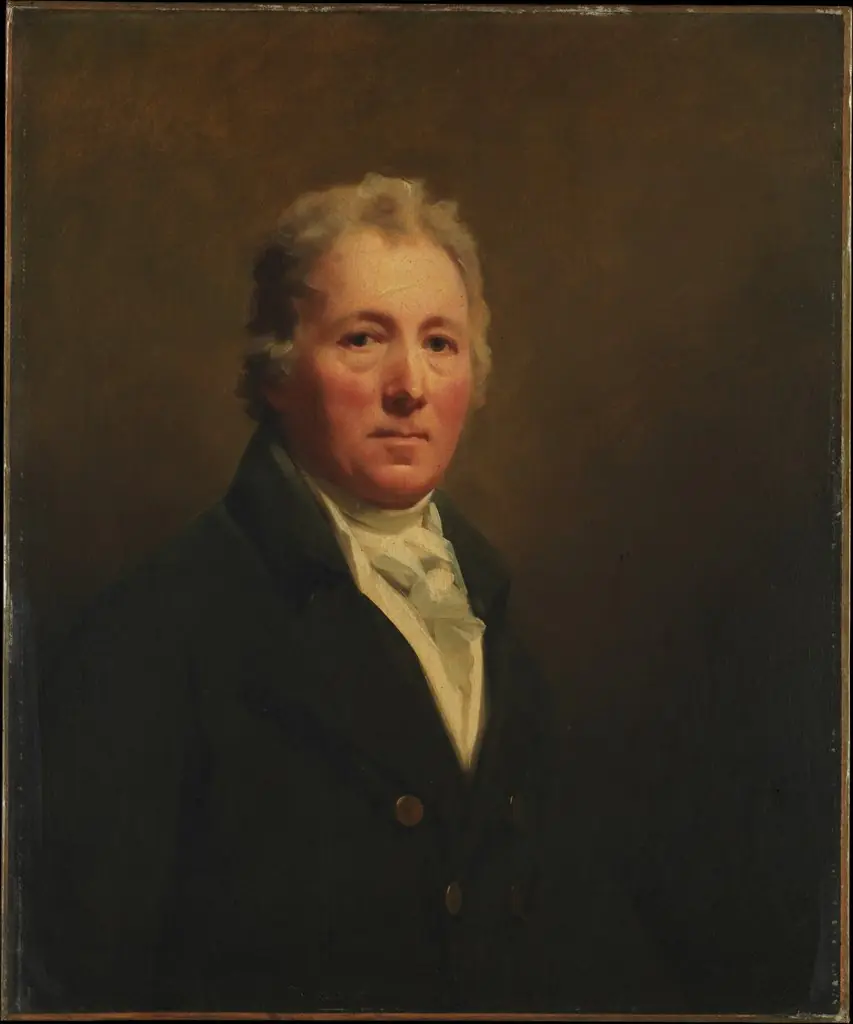 William Forsyth (1749–1814)
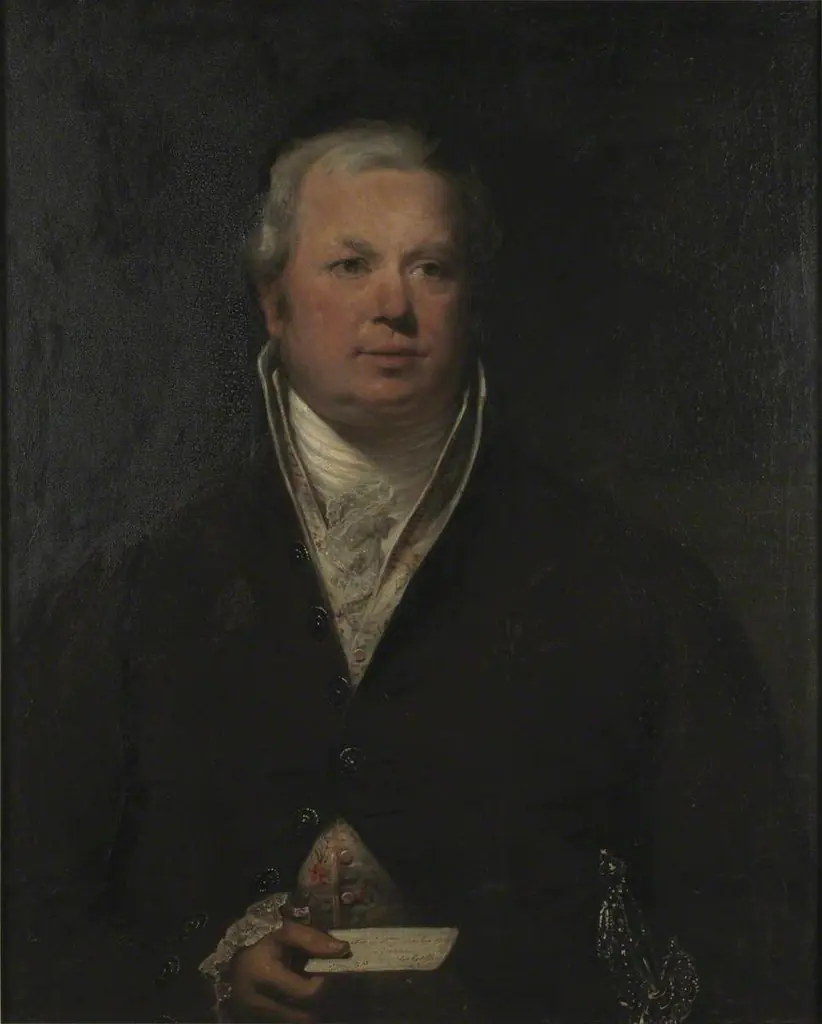 Robert Williams Vaughan (1803–1859), Bt
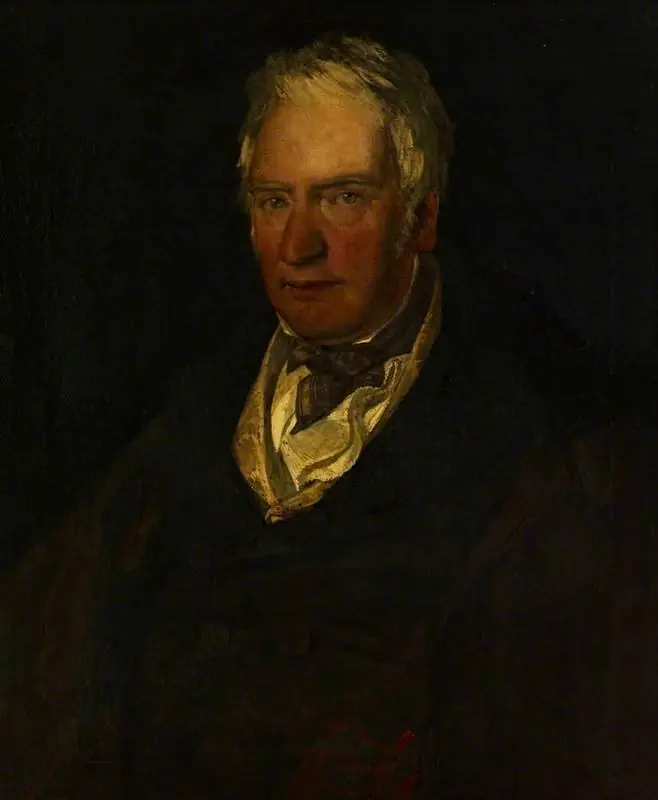 John Stirling (1811 - 1882)
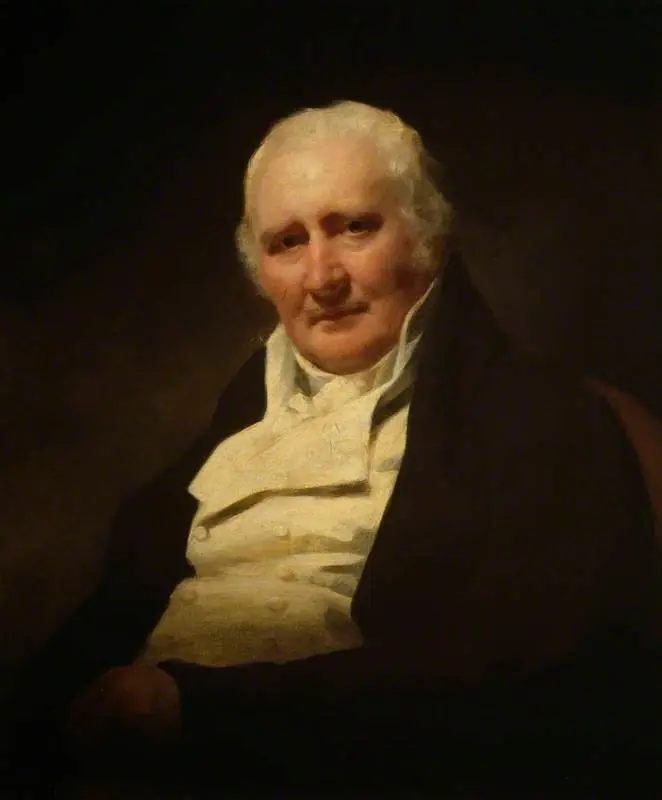 John Wauchope (1751 - 1828)
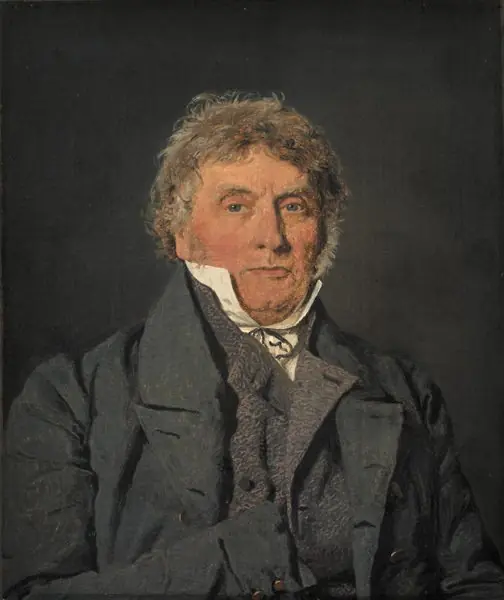 Portrait of the Artist´s Father, Master Baker Peter Berendt Købke
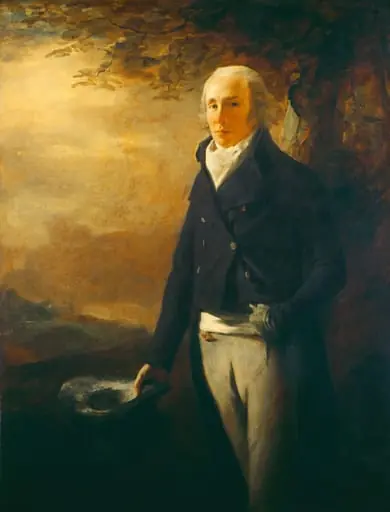 David Anderson
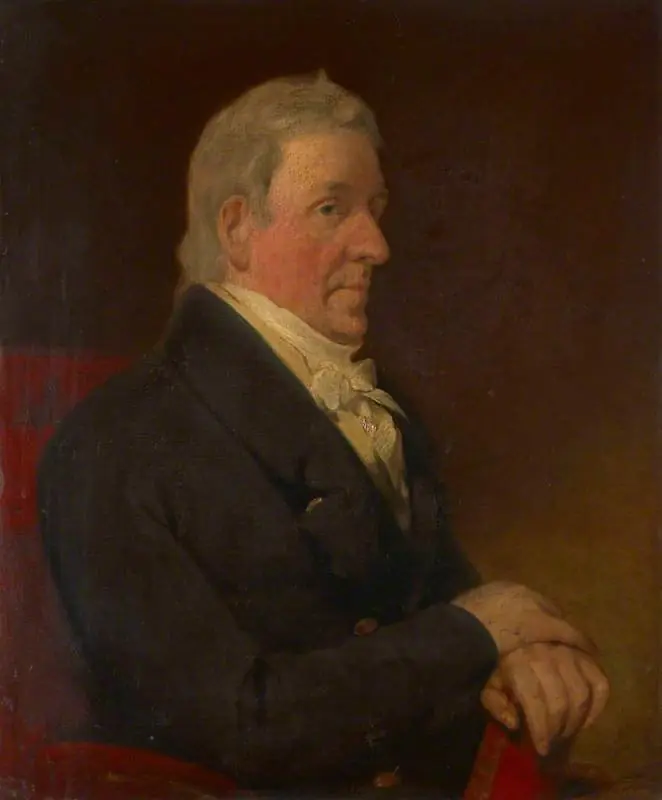 Peter Spalding (c. 1758 - 1826)
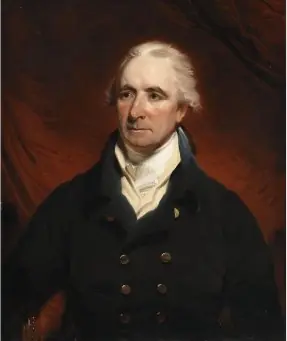 Portrait of Henry Grattan (1746-1820)
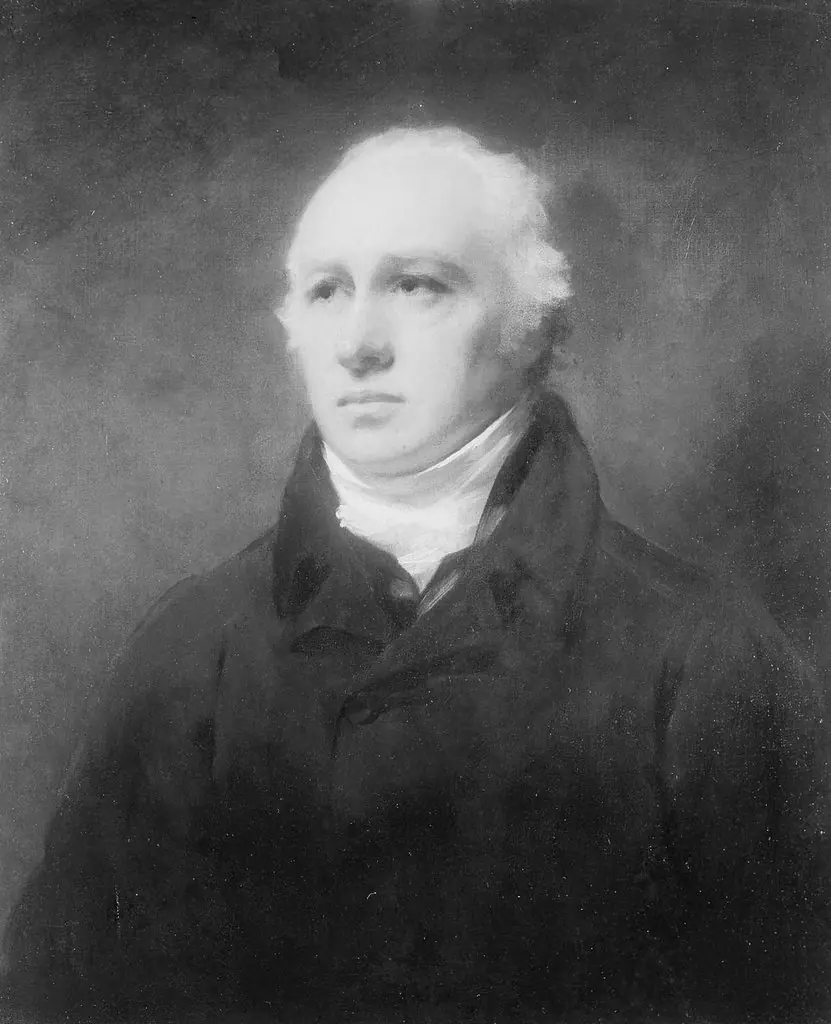 The Right Honorable Charles Hope