Artwork
Interior of an Inn
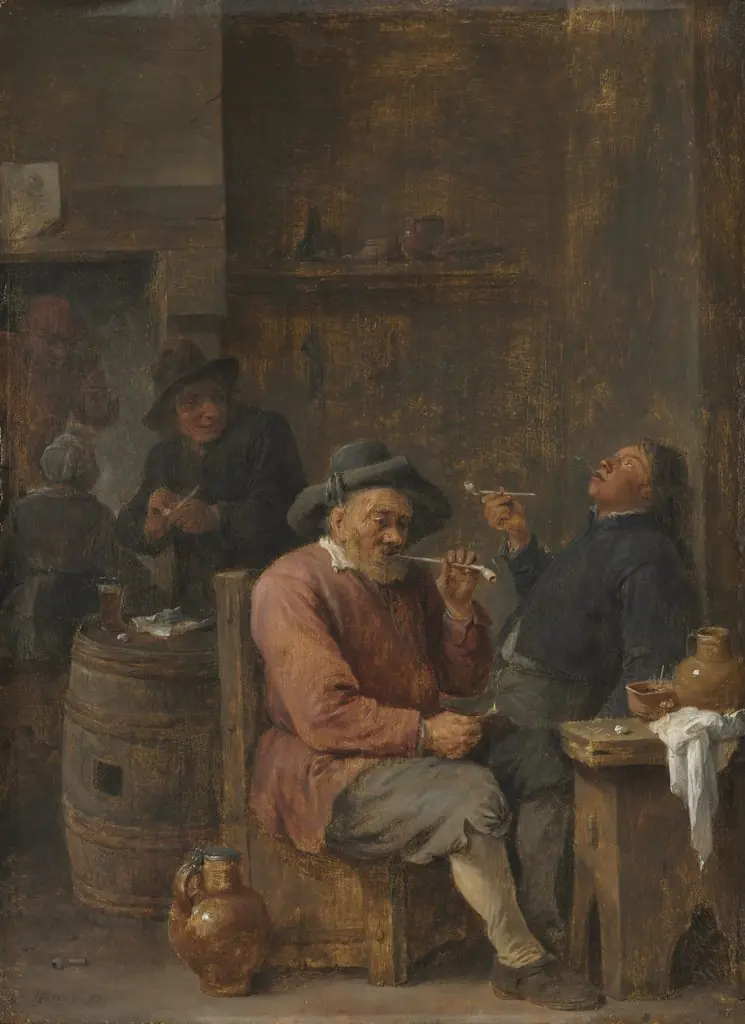
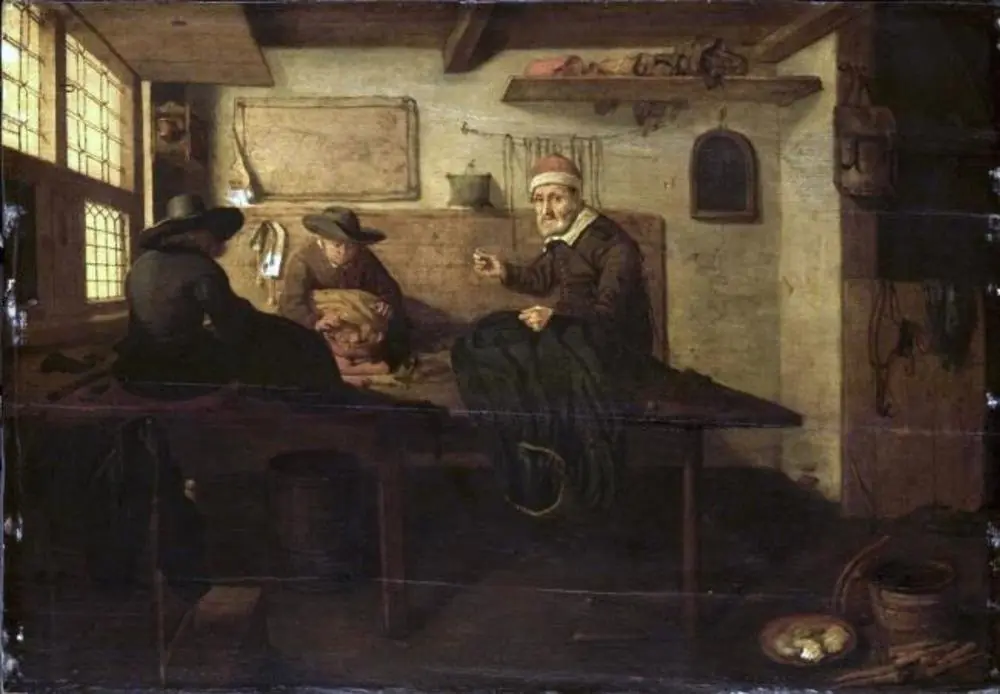
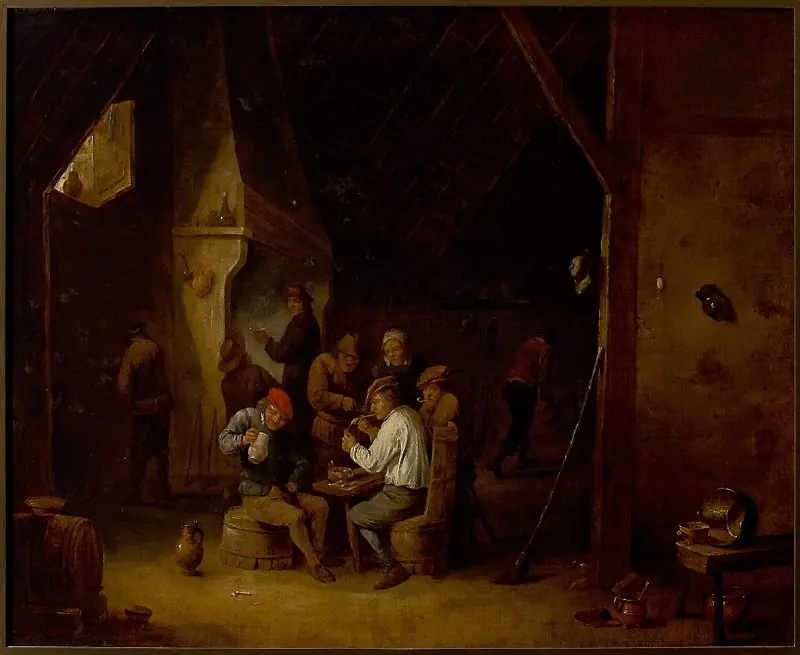
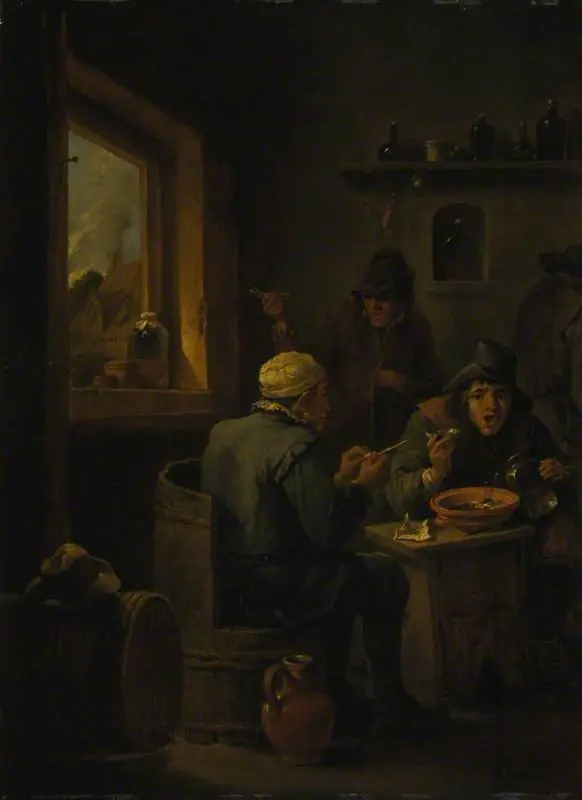
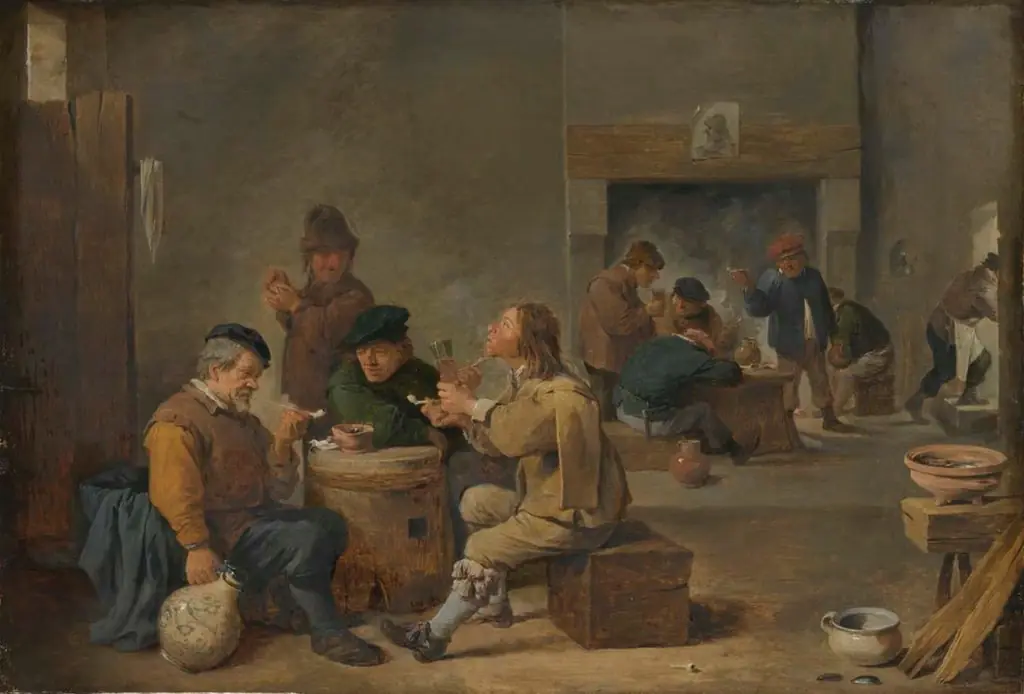
Interior of an Inn is an unspecified painting by the Dutch Golden Age artist David Teniers the Younger. It dates from 1620 and is held in the collection of the Statens Museum for Kunst.
About this work
Overview
Painted in 1620 by David Teniers the Younger, this work is an early example of his engagement with genre scenes set in rural inns. Created during the Dutch Golden Age, it reflects the growing interest in everyday life among Flemish artists. Teniers, known for his detailed observation of common people, used this subject to explore social dynamics in modest, interior spaces.
Subject & Meaning
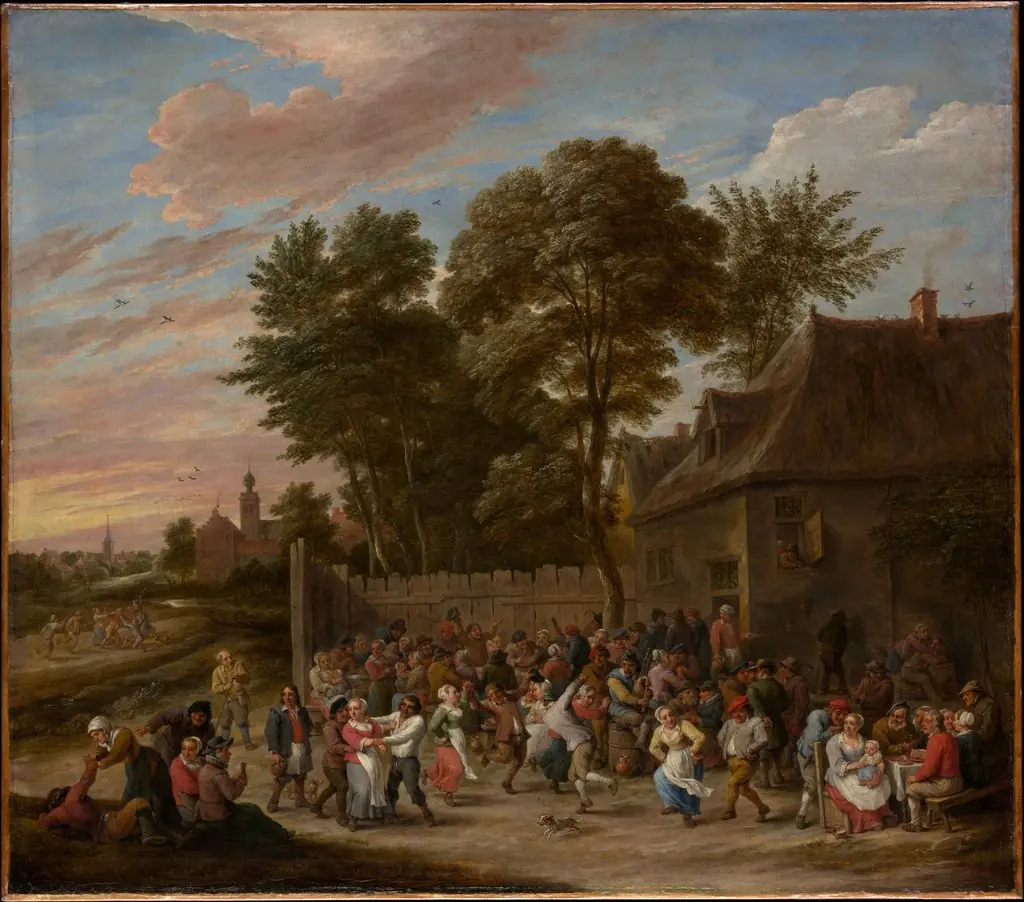
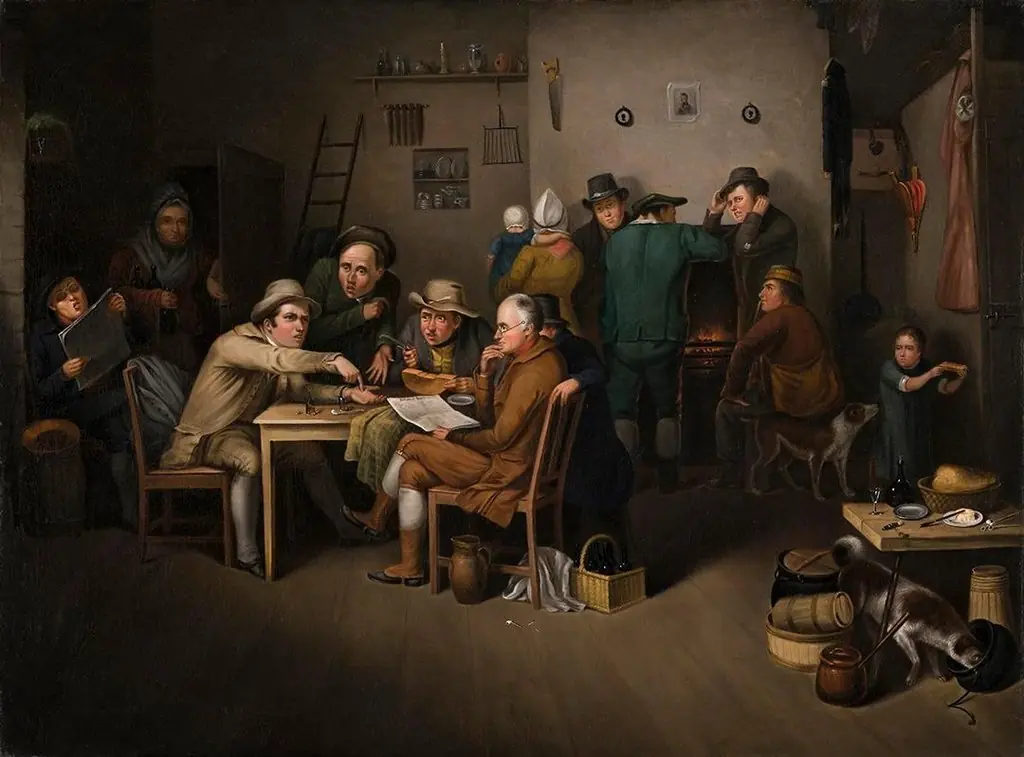
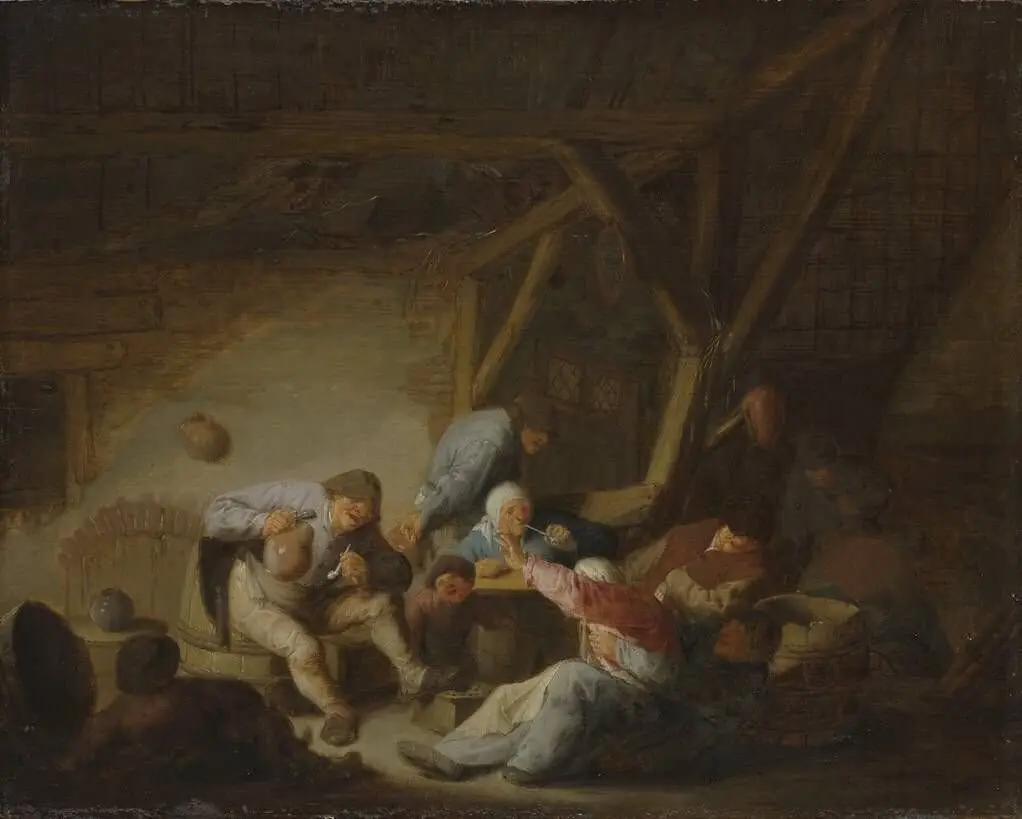
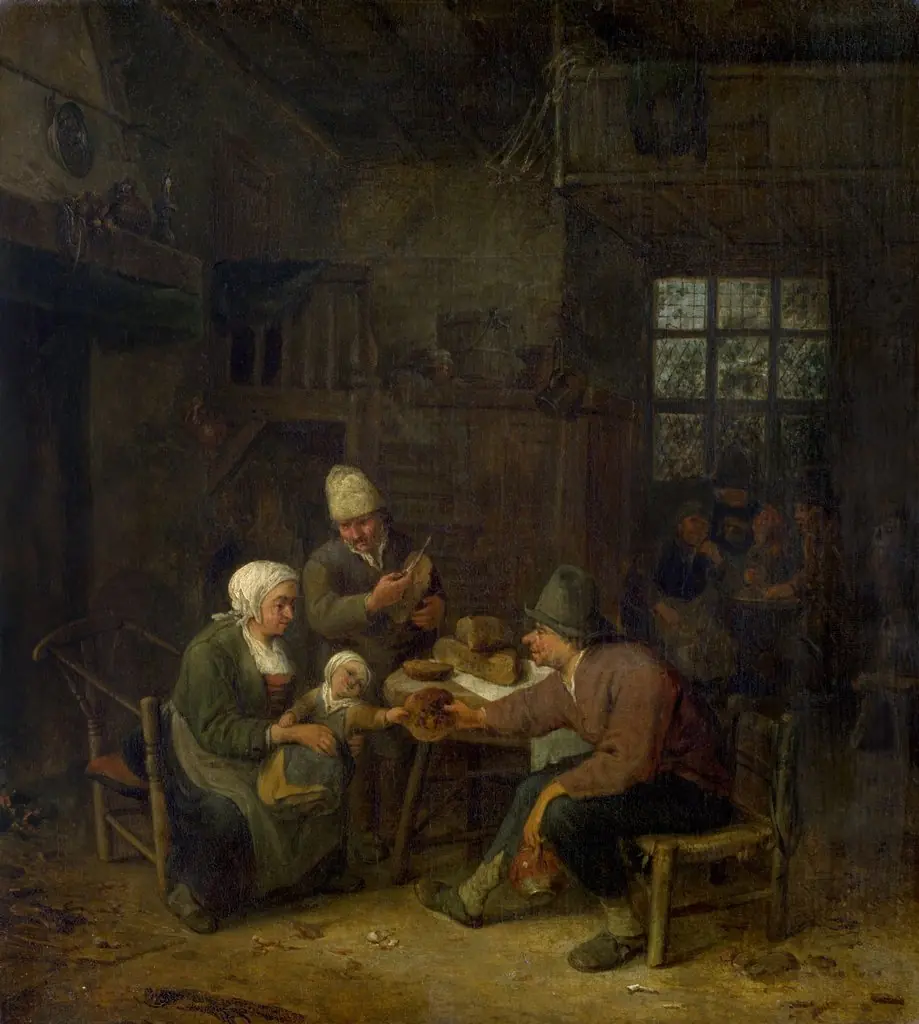
The painting portrays a group of individuals gathered around a wooden table in a dimly lit tavern. Their postures and interactions suggest informal camaraderie—drinking, conversing, or sharing food. There is no overt narrative, but the scene conveys a quiet dignity in ordinary moments, avoiding caricature while emphasizing human connection within a working-class setting.
Technique & Style
Teniers employed a restrained palette of earth tones—ochres, browns, and muted reds—to evoke warmth and texture. Brushwork is precise yet unobtrusive, capturing the grain of wooden beams, the sheen of ceramic vessels, and the folds of coarse fabric. Light filters softly from an unseen source, modeling forms without dramatic contrast, enhancing the scene’s intimate realism.
History & Provenance
The painting dates from Teniers’s early career, before he became court painter to the Archduke Leopold Wilhelm. It likely originated in Antwerp, where he trained under his father, David Teniers the Elder. While its early ownership is undocumented, it aligns with the rising market for genre scenes among middle-class collectors in the Southern Netherlands during the 1620s.
Context
In early 17th-century Flanders, depictions of peasant life gained traction as urban audiences sought relatable imagery distinct from religious or mythological themes. Teniers contributed to this trend by portraying taverns not as sites of vice, but as spaces of communal ritual. His approach echoed broader shifts in Northern European art toward secular, observational subjects.
Legacy
This early work helped establish Teniers as a leading chronicler of Flemish domestic life. His influence extended to later genre painters who adopted his attention to detail and naturalistic lighting. Though overshadowed by his later court commissions, this painting remains a foundational example of how everyday spaces were transformed into subjects of quiet artistic significance.
Artist & collection
Artist
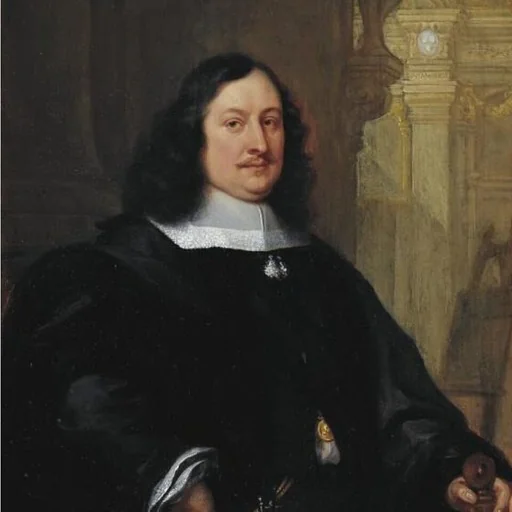
David Teniers the Younger or David Teniers II was a Flemish Baroque painter, printmaker, and artist.