Artwork
The Tailor
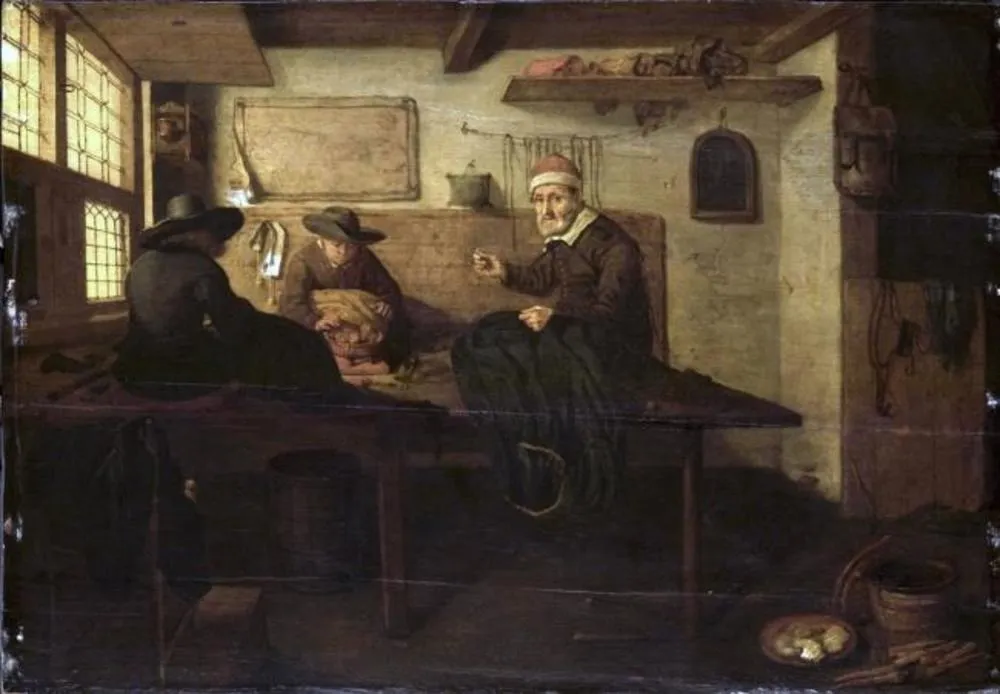
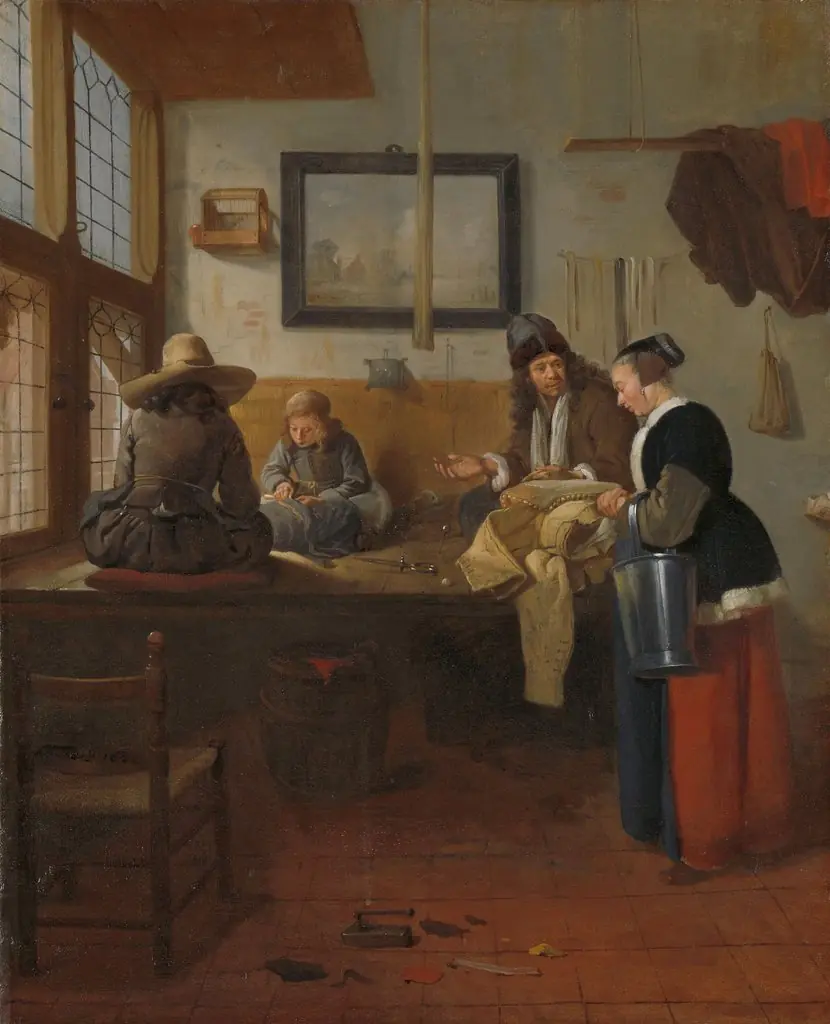
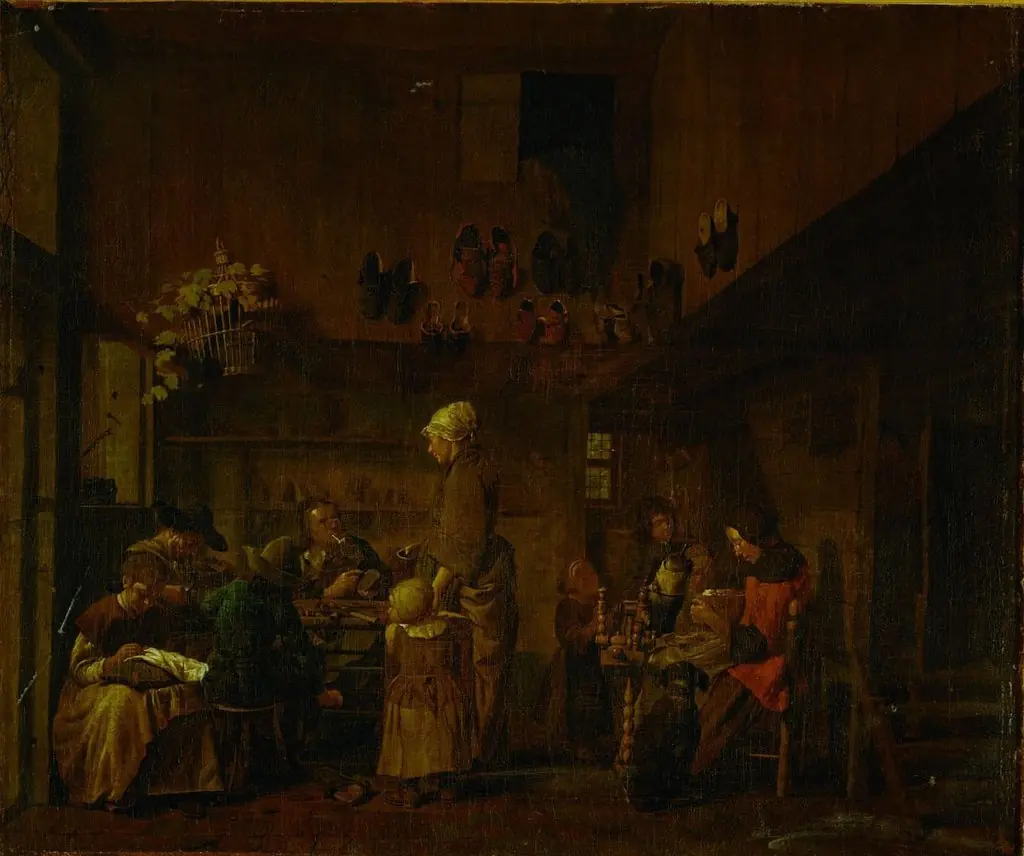
The Tailor is an oil painting by Quirijn van Brekelenkam. It dates from 1660 and is held in the collection of the Philadelphia Museum of Art.
About this work
Overview
Van Brekelenkam’s style shows the influence of Leiden’s fine painting tradition, characterized by meticulous detail and controlled lighting.
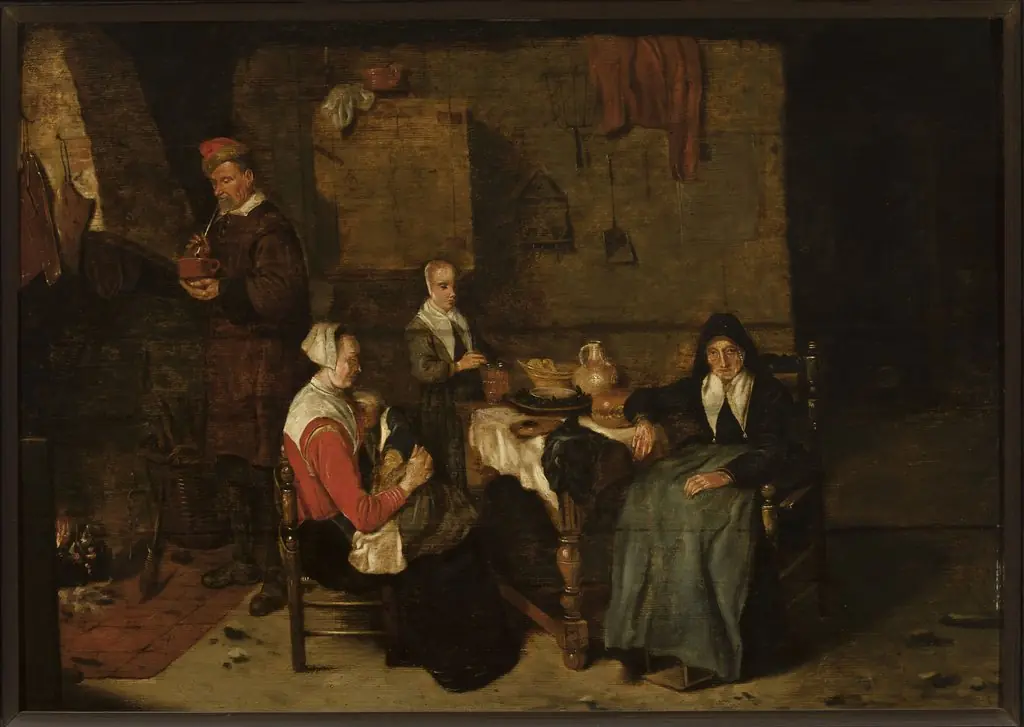
Painted around 1660, *The Tailor* is an oil-on-canvas genre scene by Quirijn van Brekelenkam, a Dutch artist active in Leiden. The work captures a quiet moment in a craftsman’s workshop, reflecting the period’s interest in everyday labor. Van Brekelenkam’s style shows the influence of Leiden’s fine painting tradition, characterized by meticulous detail and controlled lighting. The painting resides in the Philadelphia Museum of Art’s collection.
Subject & Meaning
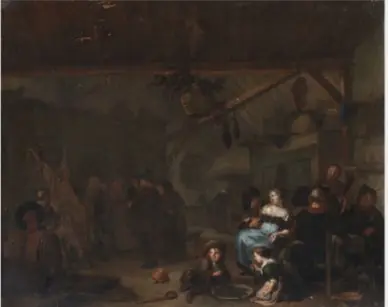
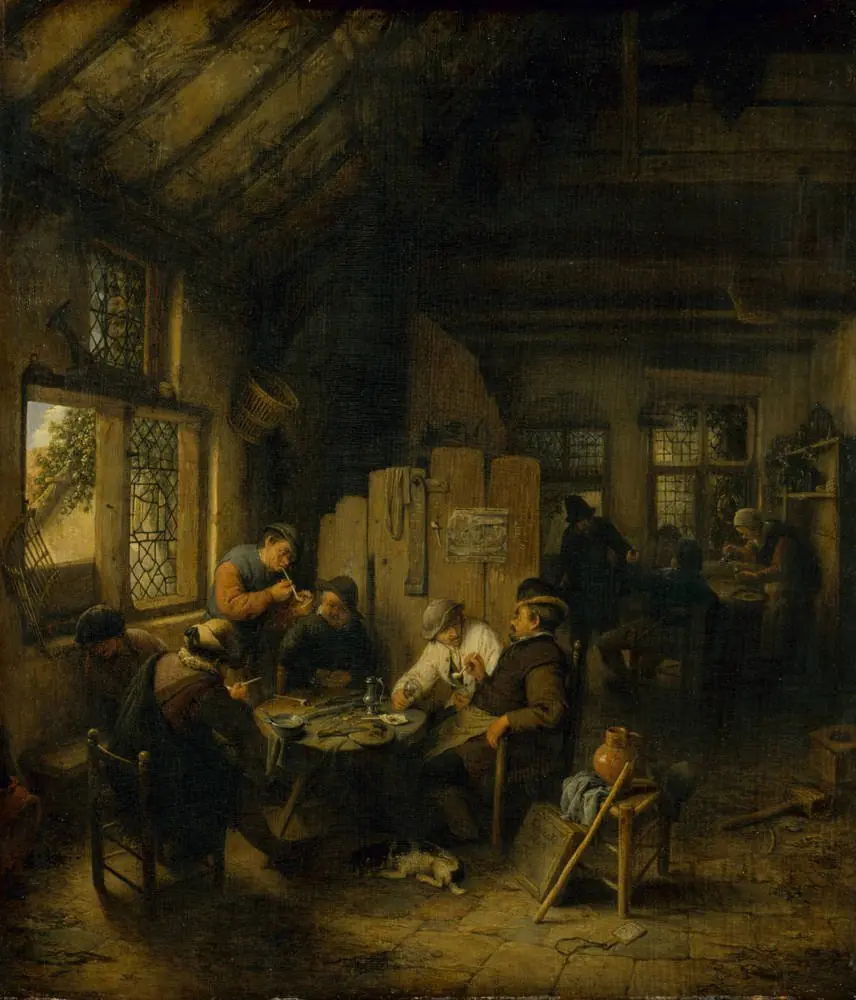
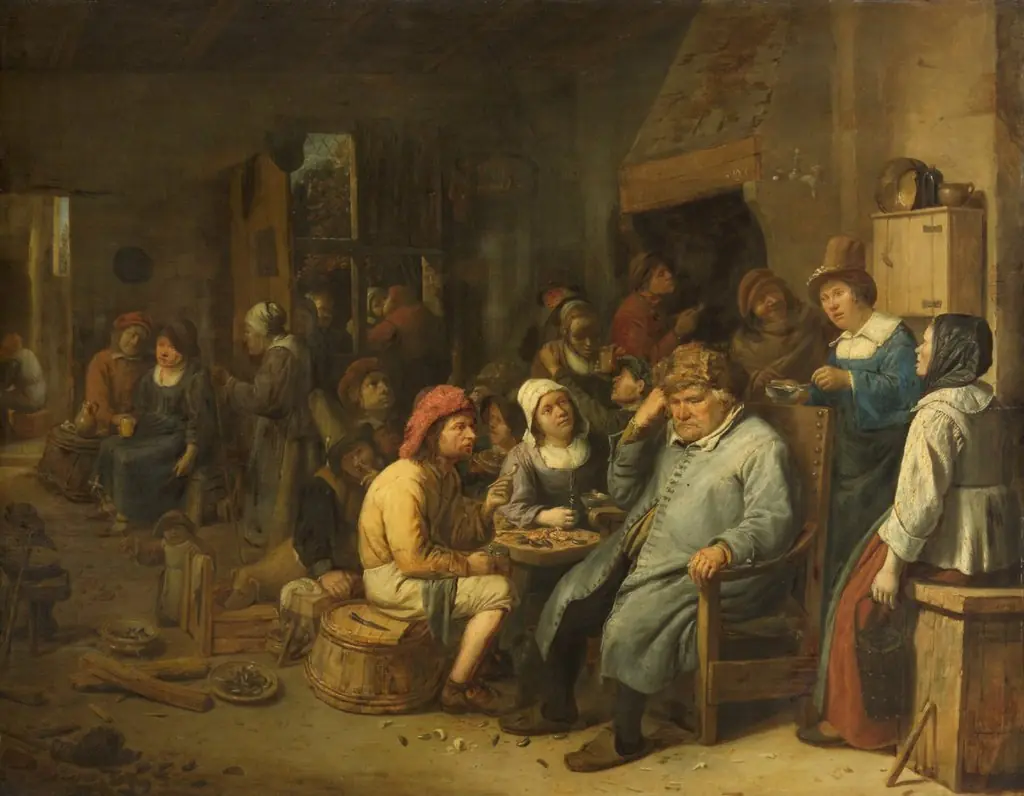
The scene centers on a tailor seated at work, absorbed in stitching fabric, while two other men occupy the space—one at a table, another standing nearby. No narrative or moralizing element is overt; instead, the painting emphasizes the dignity of routine labor. The quiet interaction among the figures suggests a shared, unspoken rhythm of daily life, typical of Dutch genre painting’s focus on ordinary existence.
Technique & Style
Van Brekelenkam employs chiaroscuro to model forms with subtle gradations of light and shadow, enhancing the three-dimensionality of the figures and objects. The warm, golden tonality unifies the interior, while the dim lighting draws attention to the tailor’s hands and the texture of fabric and stone walls. Brushwork is precise, particularly in rendering the folds of clothing and the grain of wood, aligning with the Leiden fijnschilder tradition.
History & Provenance
The painting was created during the height of Dutch genre painting, likely in the 1650s or early 1660s. Van Brekelenkam, possibly trained under Gerard Dou, produced works that bridged intimate domestic scenes with technical refinement. Its documented history traces to the Philadelphia Museum of Art, where it has been held since at least the early 20th century, though earlier ownership records remain unclear.
Context
In mid-17th-century Holland, depictions of artisans at work were common, reflecting civic pride in skilled labor and the growing middle class. Unlike religious or mythological subjects, these scenes appealed to patrons who valued realism and moral quietude. Van Brekelenkam’s focus on a tailor’s workshop aligns with broader trends in Leiden, where artists like Dou and Rembrandt explored the poetry of mundane tasks.
Legacy
Though not widely known today, *The Tailor* exemplifies the quiet intensity of Dutch genre painting beyond its most famous practitioners. Its careful observation of light, texture, and human presence contributes to a broader understanding of how ordinary life was rendered with dignity in the Baroque era. The work remains a representative example of Leiden’s fine painting school and its enduring influence on Northern European realism.
Artist & collection
Artist
Quirijn or Quiringh Gerritsz van Brekelenkam (1622/29, Zwammerdam – 1669/79, Leiden) was a Dutch Baroque genre painter.