Artwork
The Window Sill
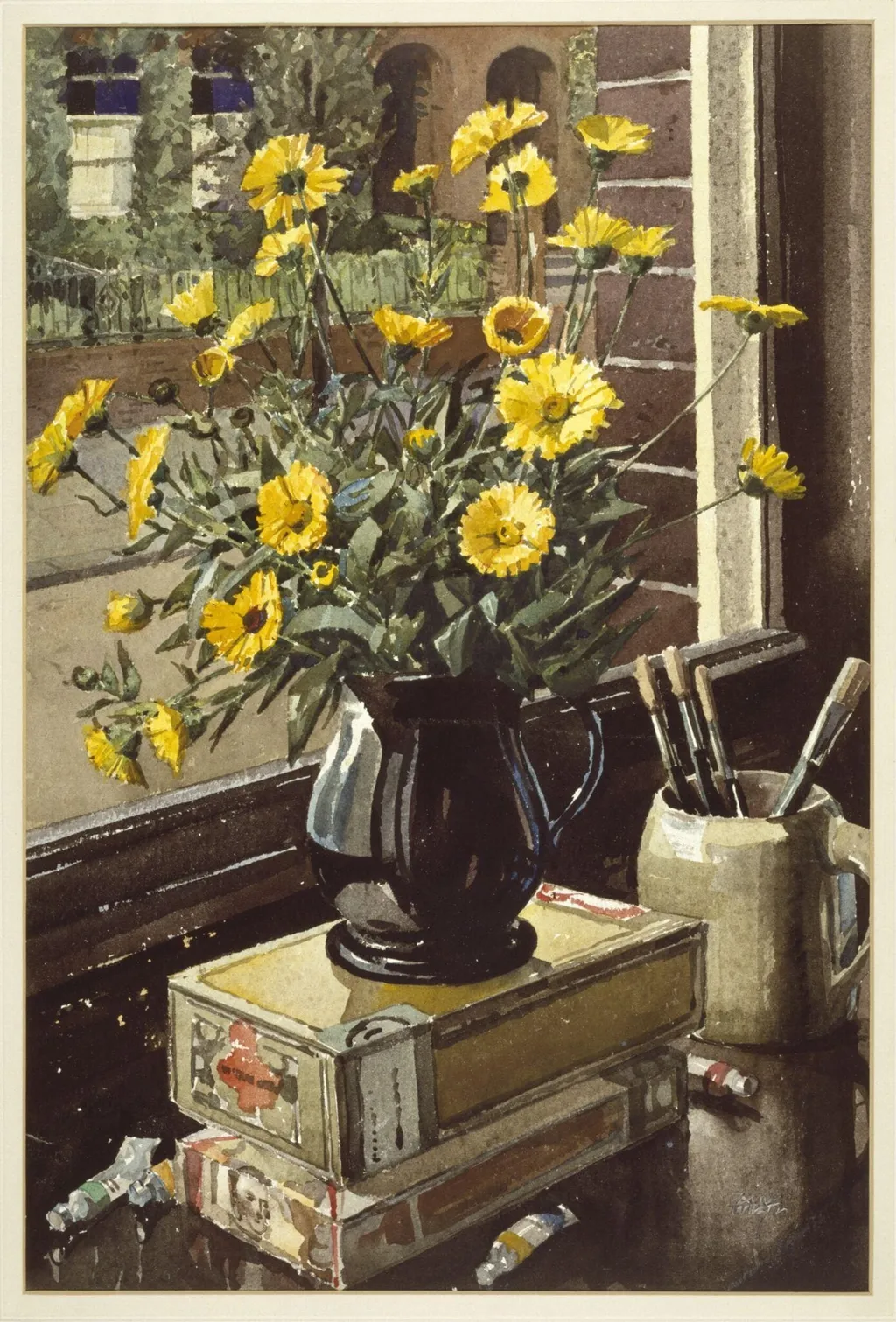
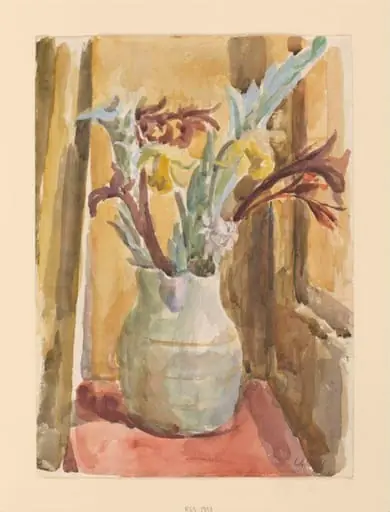
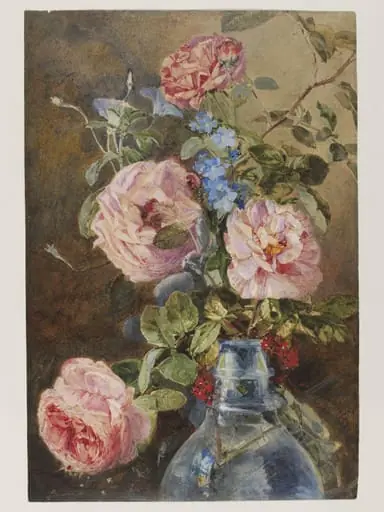
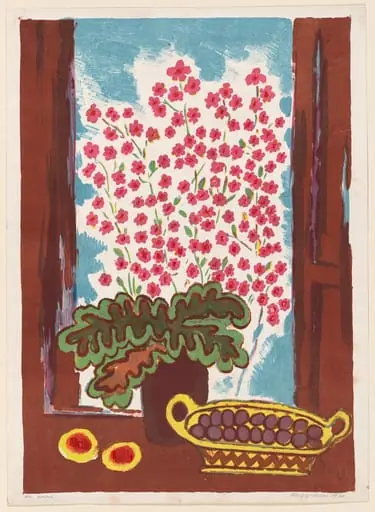
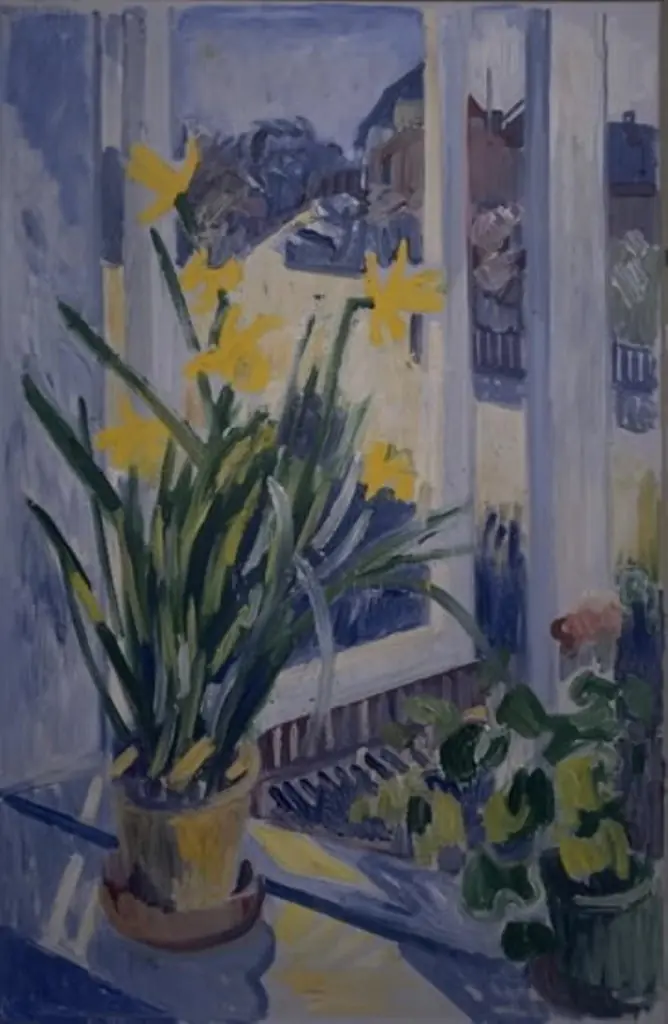
The Window Sill is a watercolor work on paper by the Post-Impressionist artist David Wilson. It dates from 1900 and is held in the collection of the Victoria and Albert Museum.
About this work
Overview
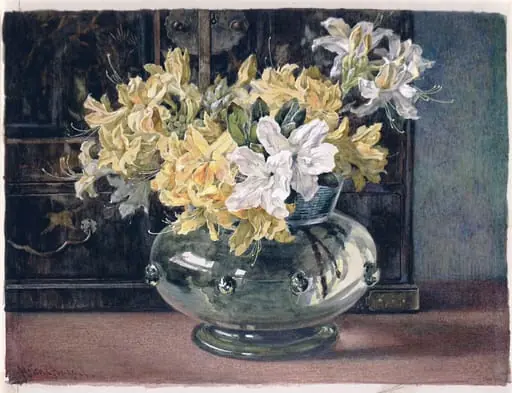
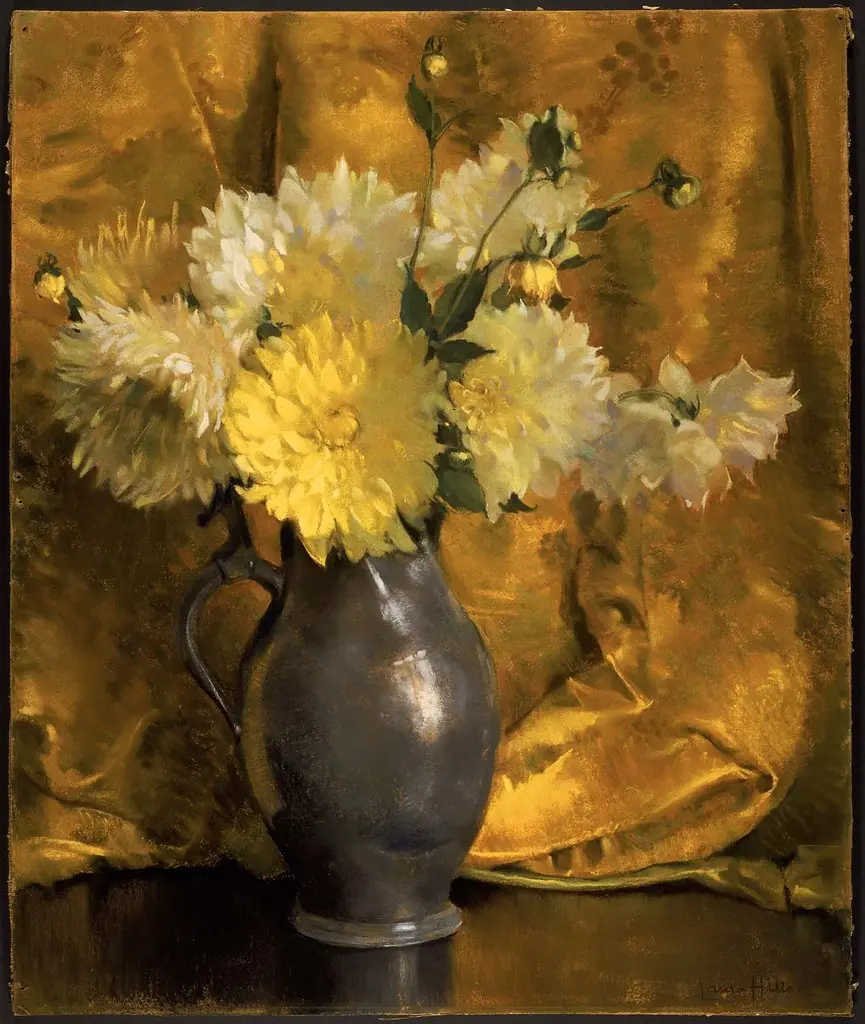
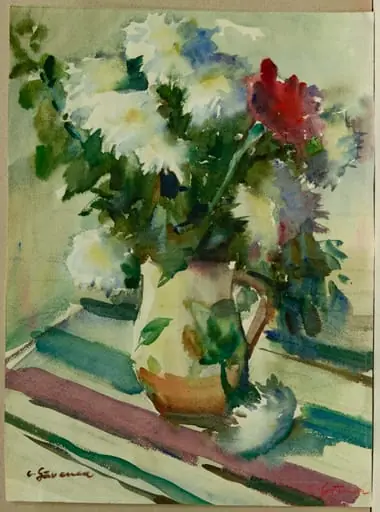
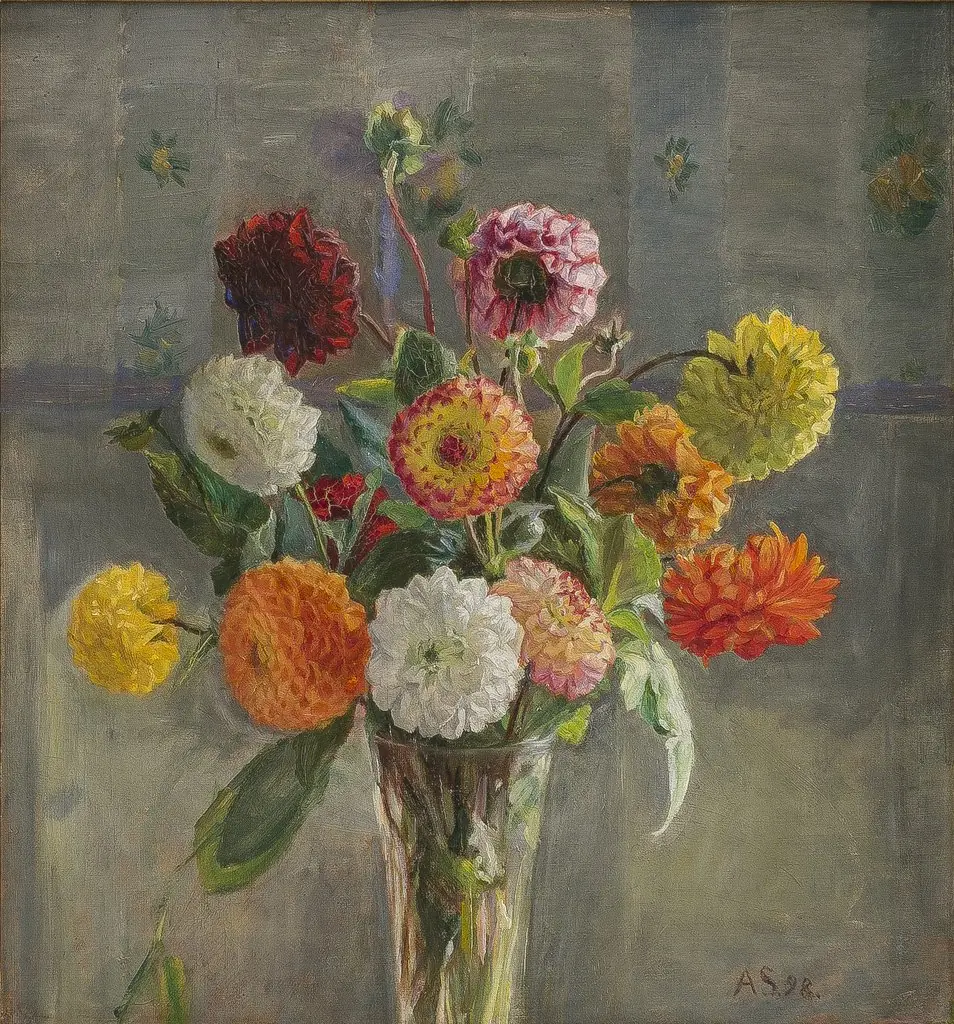
Painted in 1900 by David Wilson, this watercolour captures a quiet domestic moment: a windowsill adorned with freshly gathered flowers.
Painted in 1900 by David Wilson, this watercolour captures a quiet domestic moment: a windowsill adorned with freshly gathered flowers. The composition is intimate, centered on the arrangement of blooms, with everyday objects—a wooden box, paintbrushes, and a dark vase—anchoring the scene in ordinary life. The medium’s transparency allows light to shape the forms, enhancing the sense of natural illumination.
Subject & Meaning
The painting presents a humble still life of wildflowers in a simple vase, suggesting spontaneity rather than formal arrangement. Nearby, a weathered wooden box with a faded red floral motif and scattered brushes imply the artist’s presence, subtly linking the scene to the act of creation. The flowers, unposed and slightly untidy, convey a sense of immediacy—moments caught in passing, not staged for display.
Technique & Style
Wilson employed loose, fluid brushwork to render the petals and leaves, allowing washes to bleed slightly at the edges for a sense of movement. The dark vase and window frame provide contrast, making the bright yellow blooms appear to glow. The wooden box and brick wall beyond are rendered with minimal detail, focusing attention on the flowers while preserving the quiet atmosphere of the interior space.
History & Provenance
The painting is held in the collection of the Victoria and Albert Museum, where it is catalogued as part of early 20th-century British watercolours. Its provenance traces back to Wilson’s personal studio, and it was likely acquired by the museum shortly after his death, reflecting its significance as an example of domestic watercolour practice from the period.
Context
In the early 1900s, watercolour was widely used by amateur and professional artists alike for its accessibility and suitability for capturing light and fleeting moments. Wilson’s work aligns with a broader trend of intimate, observational painting that valued everyday subjects over grand narratives, reflecting a shift toward personal expression in British art at the time.
Legacy
Though not widely exhibited beyond institutional collections, Wilson’s watercolour remains a quiet example of early modern British domestic art. Its preservation in the Victoria and Albert Museum underscores its value as a representative work of its genre—unassuming, carefully observed, and reflective of a time when art was often made for personal contemplation rather than public acclaim.
Own this work as a print
Artist & collection
Artist
Canadian artist David Wilson painted quiet watercolors of ordinary scenes around 1900–1935.