Artwork
Guy Little Theatrical Photograph
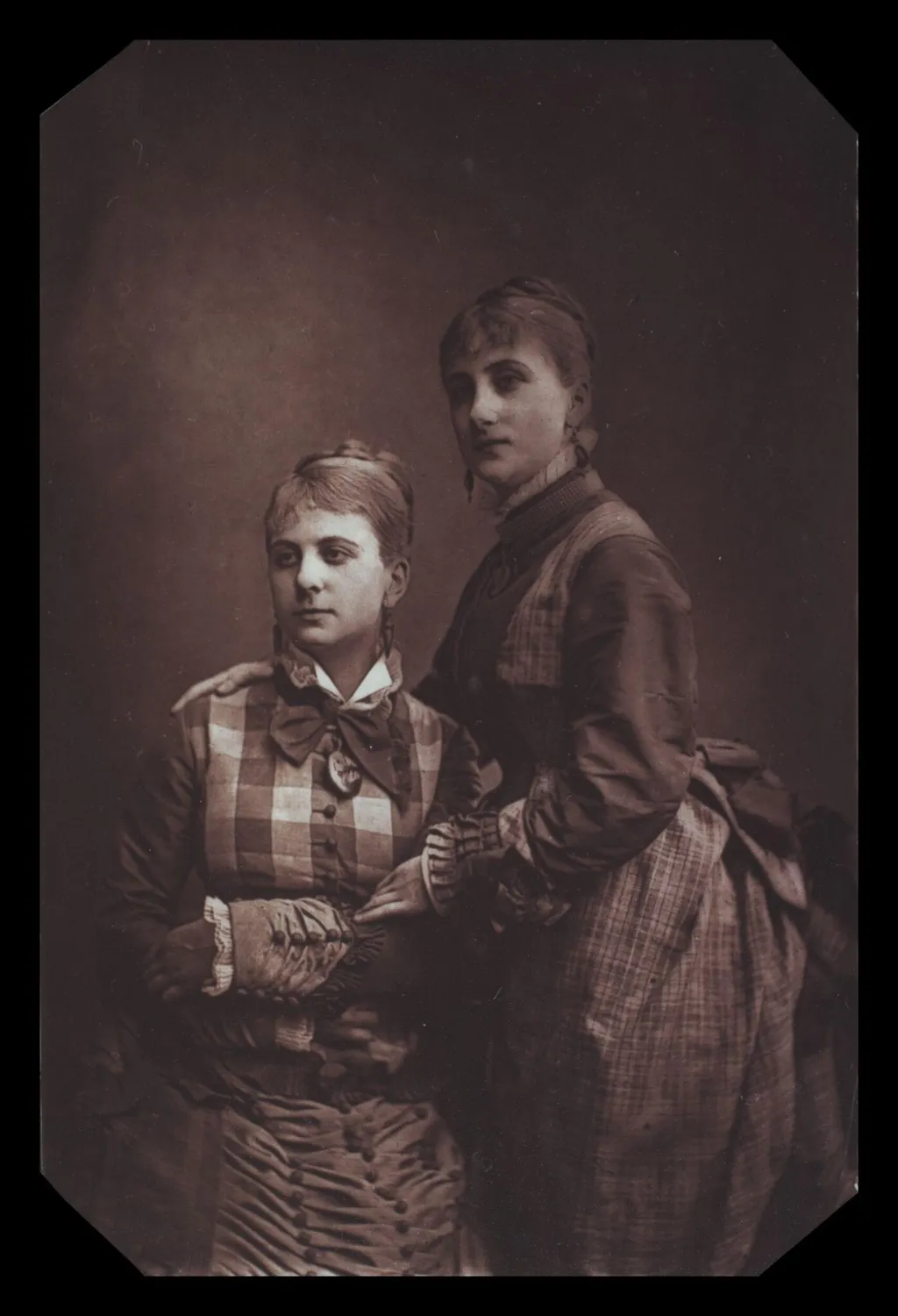
Guy Little Theatrical Photograph is a photographic photography by the Impressionist artist William Elliott Debenham. It dates from 1875 and is held in the collection of the Victoria and Albert Museum.
About this work
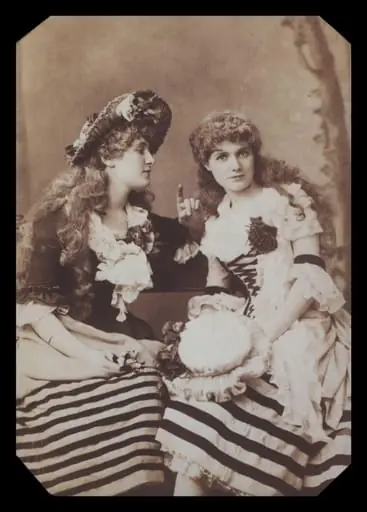
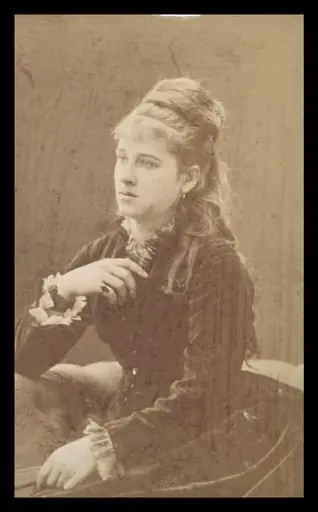
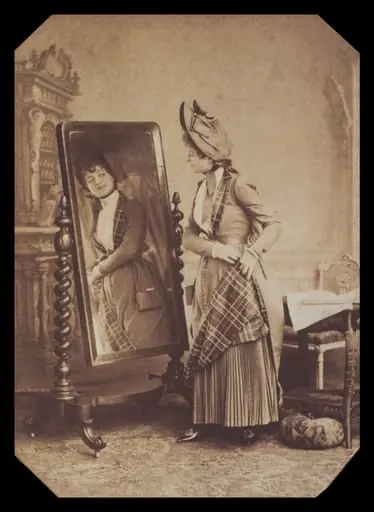
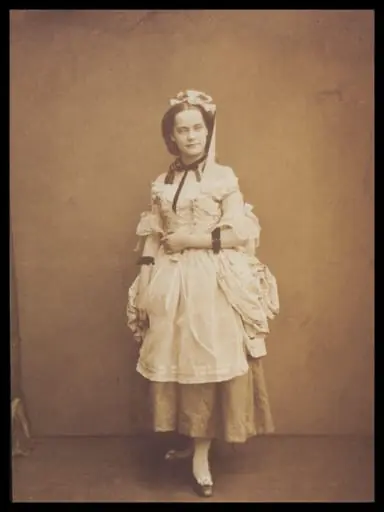
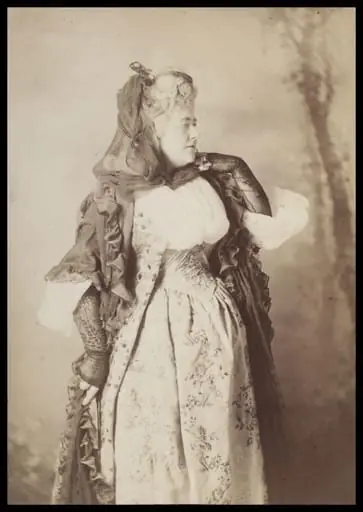
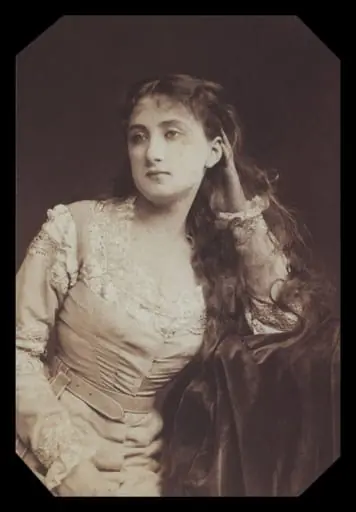
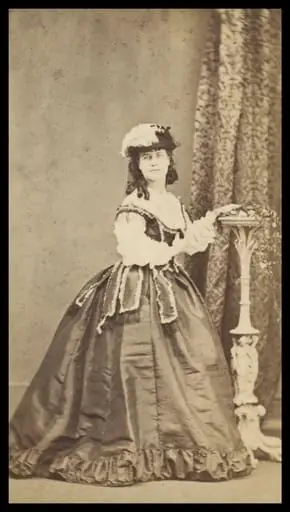
This is a photograph from 1875 showing two actresses, Ethel Branscombe and Maude Branscombe. It was taken by William Elliott Debenham.
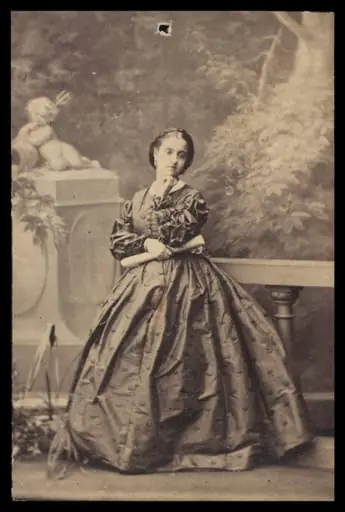
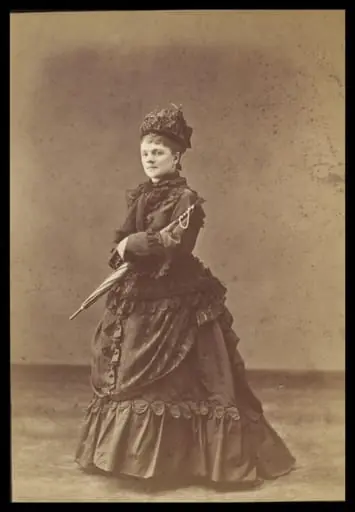
In the late 1800s, actors often posed for these photos in costume. They were printed on stiff cards called *cartes de visite*. People collected them like trading cards.
Look up the Victoria and Albert Museum to see this photo.
Overview
It belongs to a collection of albumen prints mounted by Guy Tristram Little, a legal professional and avid collector of ephemera.
This photograph, taken in 1875 by William Elliott Debenham, captures sisters Ethel and Maude Branscombe in theatrical costume. It belongs to a collection of albumen prints mounted by Guy Tristram Little, a legal professional and avid collector of ephemera. The image was originally produced as a carte de visite, a popular photographic format of the era, later removed from its original backing and integrated into Little’s personal albums, which he bequeathed to the Victoria and Albert Museum.
Subject & Meaning
Ethel and Maude Branscombe were professional actresses active in Victorian theatre. Their portrait, posed in costume, reflects the era’s practice of using photography to extend an actor’s public presence beyond the stage. These images served both as promotional tools and personal mementos, allowing audiences to connect with performers through intimate, collectible formats. The sisters’ shared likeness underscores familial ties within a profession increasingly shaped by public visibility.
Technique & Style
The photograph is an albumen print made from a glass negative, mounted on a stiff card backing with the photographer’s imprint. This method, dominant from the 1860s to the 1880s, produced sharp, tonally rich images suited to mass reproduction. The composition is formal, with the subjects centrally framed and dressed in stage attire, emphasizing their roles rather than personal identity. The lighting and pose follow studio conventions of the time, balancing theatricality with photographic realism.
History & Provenance
The image was part of Guy Tristram Little’s extensive collection of theatrical photographs, which he assembled over decades. Little, a solicitor and executor of Gabrielle Enthoven’s estate, inherited her significant theatre-related holdings. He carefully removed cartes de visite and cabinet cards from their original mounts and reorganized them into albums. Upon his death in 1953, the collection was donated to the V&A, forming a key part of its Theatre and Performance archives.
Context
During the late 19th century, cartes de visite were widely collected as cultural artifacts, much like modern trading cards. Actors, celebrities, and even royalty were common subjects, reflecting a growing public fascination with image and identity. By the 1870s, the larger cabinet card was replacing the smaller format, but both coexisted as tools of personal and commercial display. This photograph sits at the intersection of theatre, photography, and consumer culture in Victorian Britain.
Legacy
The photograph survives as part of one of the most comprehensive private collections of theatrical ephemera in Britain. Its preservation within the V&A’s archives ensures continued access for researchers studying performance history, photographic practices, and the social role of celebrity in the 19th century. Little’s curation, though personal, inadvertently safeguarded a visual record of an era’s theatrical life.
Artist & collection
Artist