Artwork
Guy Little Theatrical Photograph
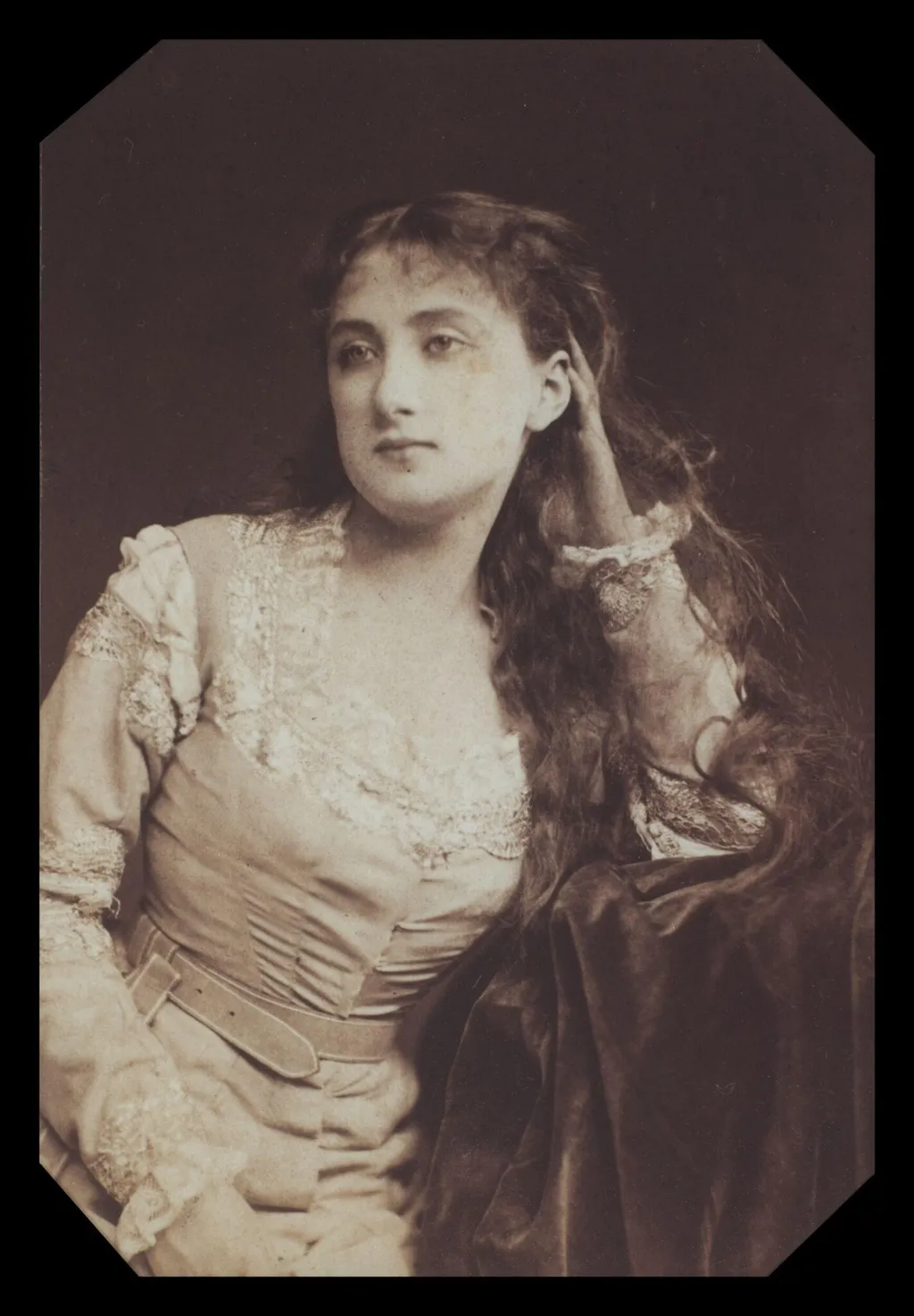
Guy Little Theatrical Photograph is a photographic photography by London Stereoscopic and Photographic Company. It dates from 1850 and is held in the collection of the Victoria and Albert Museum.
About this work
Overview
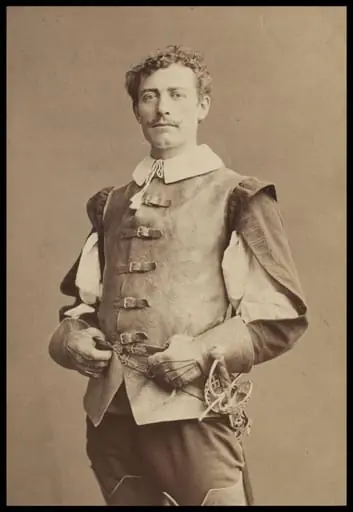
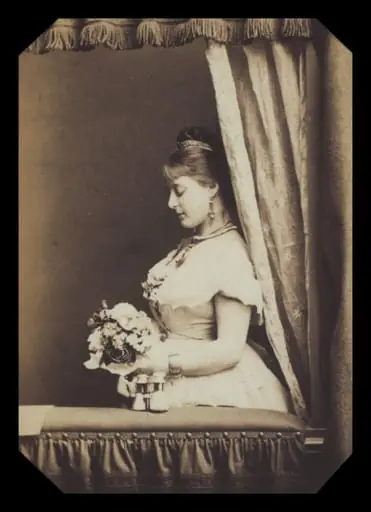
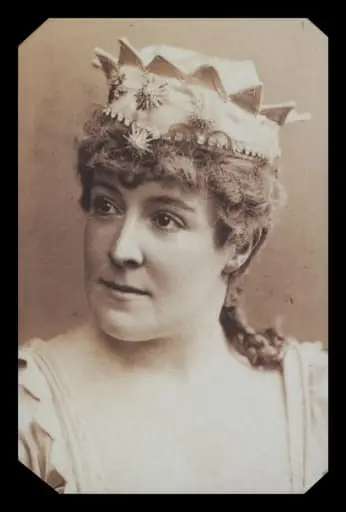
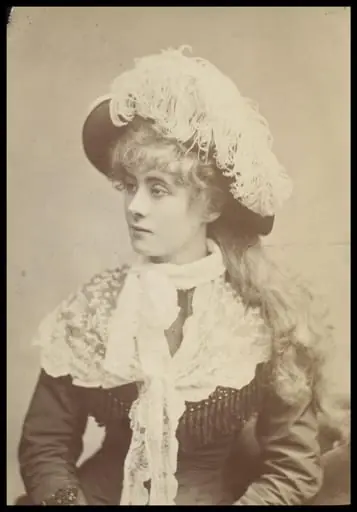
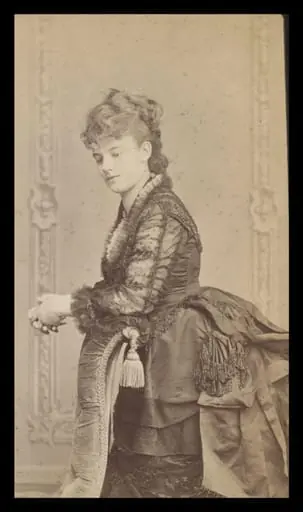
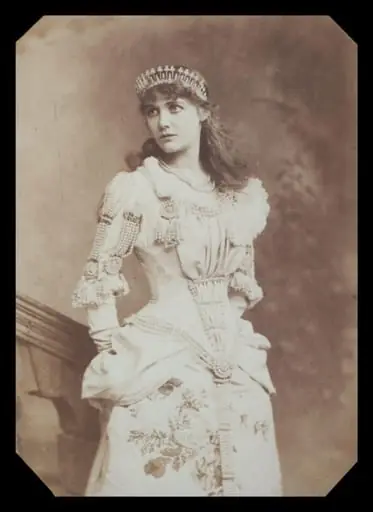
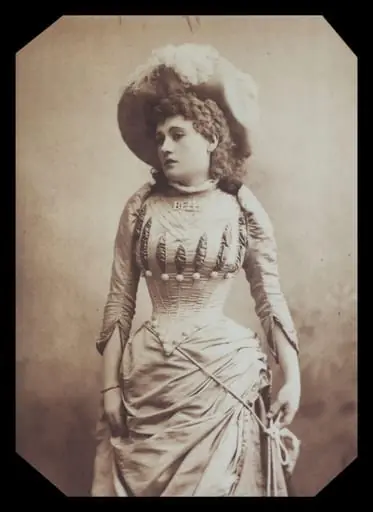
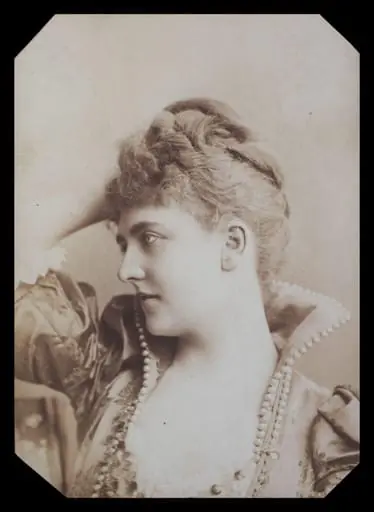
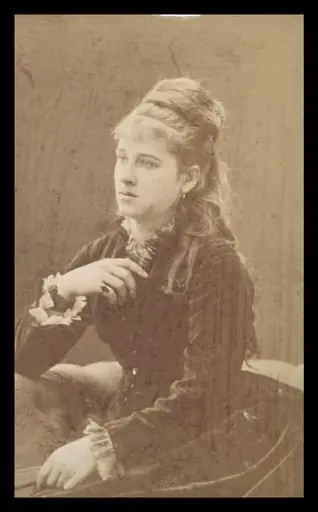
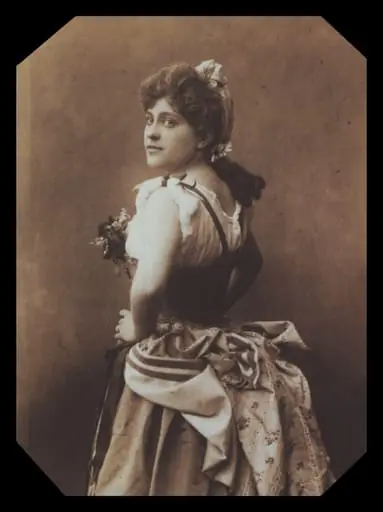
This black-and-white photograph of actress Maude Branscombe was produced in late 19th-century London by a studio specializing in theatrical portraiture.
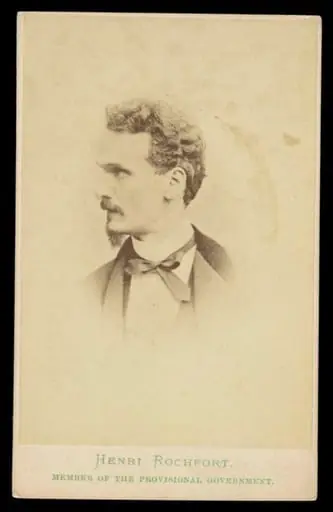
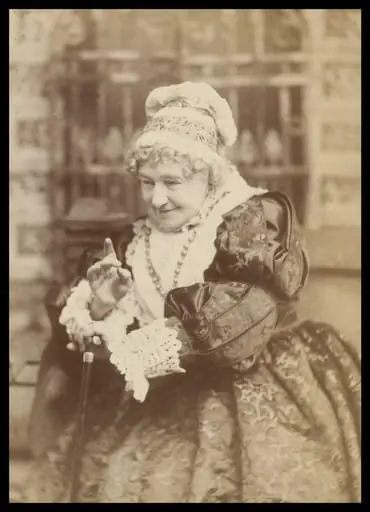
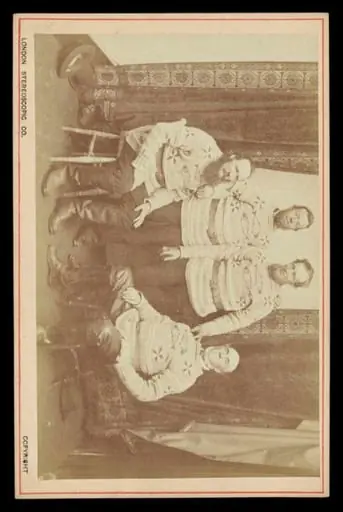
This black-and-white photograph of actress Maude Branscombe was produced in late 19th-century London by a studio specializing in theatrical portraiture. Printed as a cabinet card—a larger, sturdier format succeeding the earlier carte de visite—it was mounted on thick paper board bearing the photographer’s imprint. Such images were mass-produced for public consumption, circulating as collectible mementos of stage performers during a time when photography was transforming how audiences engaged with theater.
Subject & Meaning
Maude Branscombe, a performer active in the Victorian theater scene, is depicted in her stage costume, capturing her public persona rather than private identity. These portraits served as visual ambassadors for actors, allowing fans to connect with performers beyond the live experience. The image reflects the era’s growing fascination with celebrity culture, where theatrical fame was commodified through reproducible imagery, bridging the gap between stage and domestic life.
Technique & Style
The photograph was made using the albumen print process, a dominant method of the period that involved coating paper with egg white and silver salts, then exposing it to light through a glass negative. The result was a sharp, tonally rich image with a glossy surface. Mounted on rigid cardstock, the format prioritized durability and display, aligning with the conventions of home album culture. Lighting and composition follow studio norms of the time: controlled, frontal, and minimally staged.
History & Provenance
The photograph originates from the personal collection of Guy Tristram Little, a London solicitor and avid collector of ephemera, including theatrical photographs and greeting cards. After his death in 1953, his assembled albums—containing hundreds of removed and re-mounted cartes and cabinet cards—were bequeathed to the Victoria and Albert Museum. Little’s role as executor of Gabrielle Enthoven’s theatrical archive further situates this image within a broader institutional effort to preserve performance history.
Context
During the 1860s to 1890s, cabinet cards and cartes de visite became ubiquitous in middle-class households, functioning as both personal keepsakes and social currency. Theatrical portraits were among the most popular subjects, reflecting the era’s enthusiasm for live performance and the rise of actor-as-celebrity. As photography became more accessible, these images democratized access to the stage, allowing audiences to own fragments of performance culture in their own homes.
Legacy
Guy Little’s collection, now held by the V&A, represents one of the most significant assemblages of Victorian theatrical photography in existence. By preserving these once-disposable images, his efforts ensured the survival of visual records of performers whose careers might otherwise have faded from memory. The collection continues to support scholarly research into 19th-century stage practices, audience behavior, and the material culture of performance.
Artist & collection
Artist
London Stereoscopic and Photographic Company
They snapped portraits for London’s theater crowd in the 1800s, turning actors and dancers into instant celebrities.