Artwork
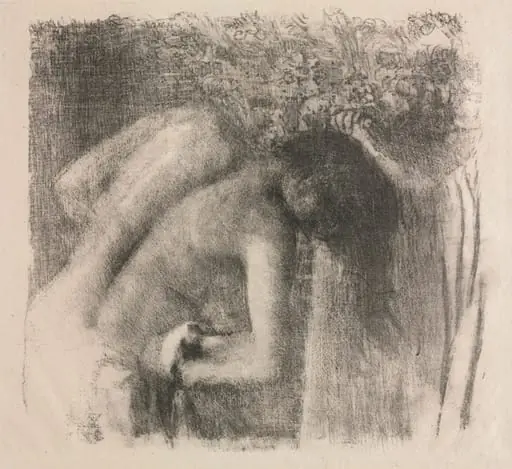
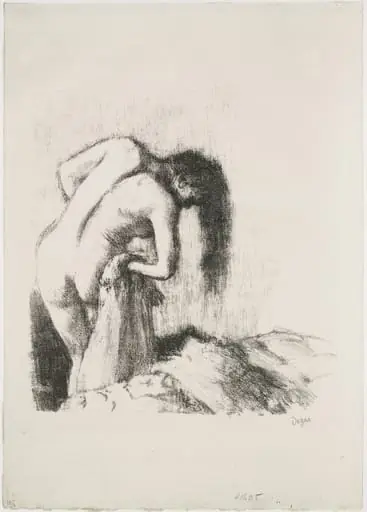
After the Bath (La sortie du bain (Grand planche))
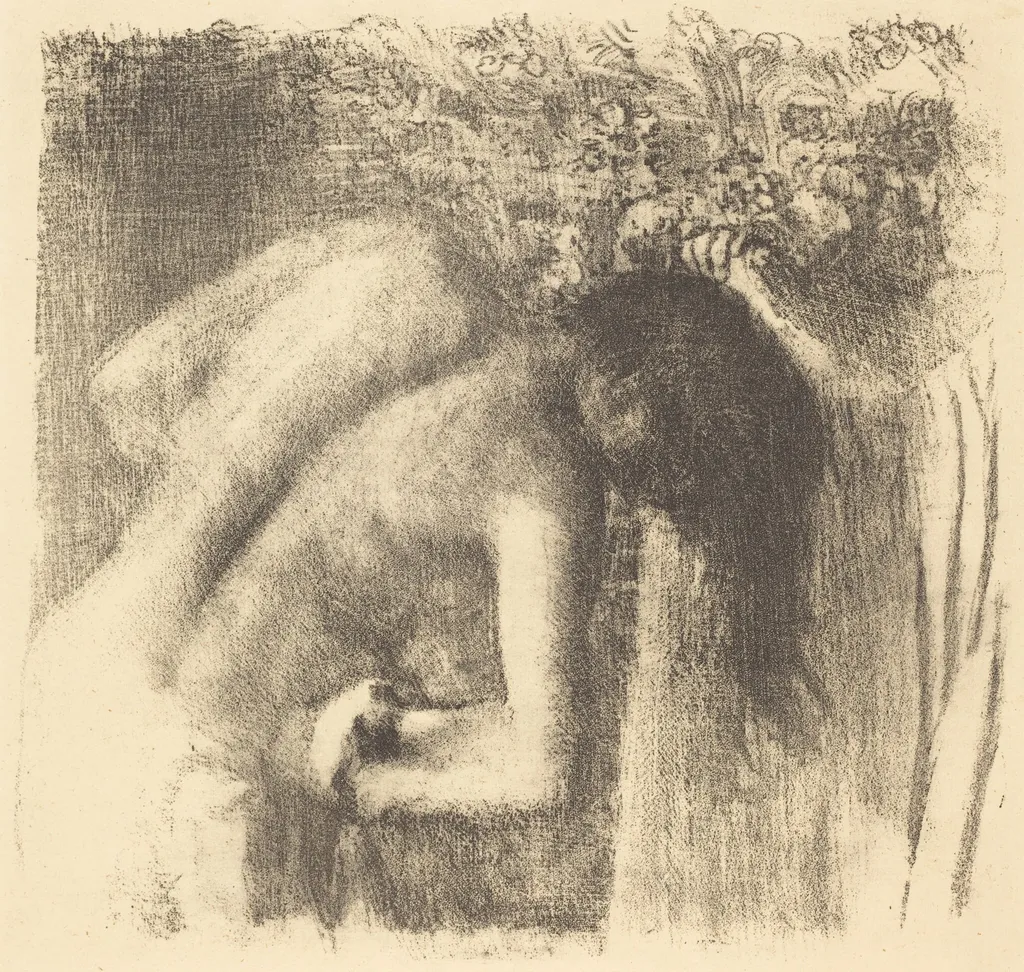
After the Bath (La sortie du bain (Grand planche)) is an ink print by the Impressionist artist Edgar Degas. It dates from 1891 and is held in the collection of the National Gallery of Art.
About this work
Overview
After the Bath (La sortie du bain (Grand planche)) is a lithograph on laid paper created by French artist Edgar Degas around 1891. Characterized by rough lines and a quick, spontaneous appearance, the print captures a private moment of a woman drying her hair after bathing.
Subject & Meaning
The work depicts a solitary female figure in a simple interior, absorbed in a personal routine. This intimate scene is part of Degas’ series of bath-themed prints from the late 19th century, exploring the nude in everyday, unguarded contexts.
Technique & Style
Degas employed a lithographic technique that preserves the visible marks of the drawing tool, lending the image a sketch-like immediacy. This approach contrasts with smoother, more polished artistic renderings, emphasizing the directness of the creative process.
History & Provenance
Created circa 1891, this lithograph is one of several bath scene prints Degas produced in the 1880s and 1890s. While associated with Impressionism, Degas identified as a realist, and this work reflects his realist approach to capturing modern life’s quiet moments.
Context
Within Degas’ oeuvre, After the Bath sits alongside his more renowned depictions of dancers, extending his exploration of the female form into private, domestic spheres. The work reflects late 19th-century artistic interests in everyday life and the modern female experience.
Legacy
As part of Degas’ innovative lithographic output, After the Bath contributes to the broader legacy of Impressionist and realist printmaking, influencing subsequent generations in their approach to capturing intimacy and modernity through print media.
Artist & collection
Artist
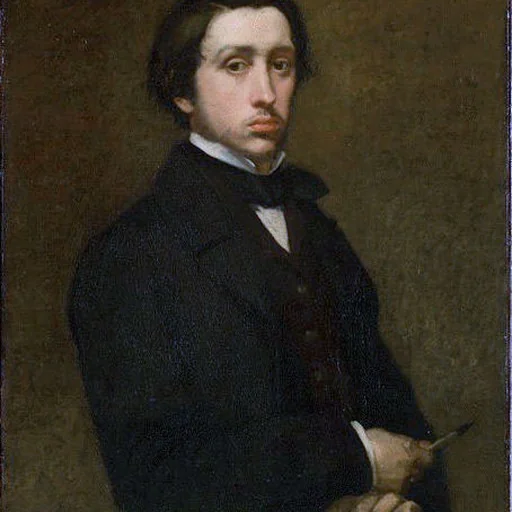
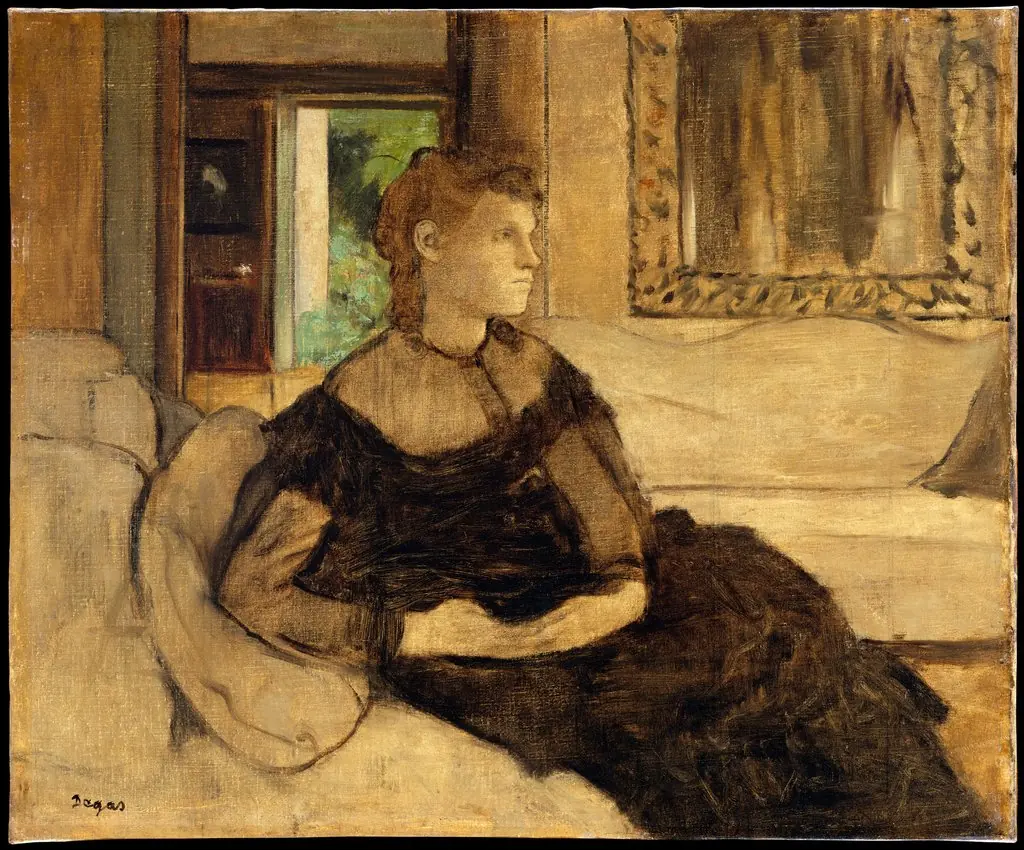
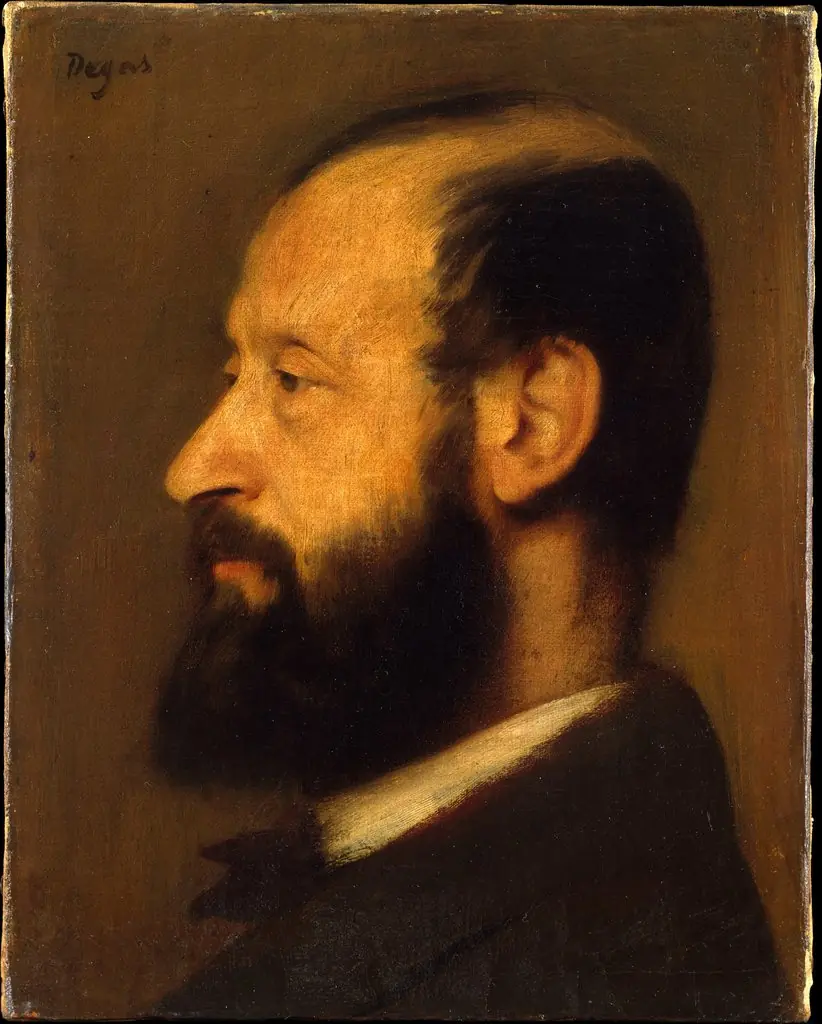
Born Hilaire-Germain-Edgar De Gas on 19 July 1834 in Paris, Edgar Degas came from an affluent banking family with aristocratic roots and spent his childhood among the cultivated circles of the French capital.

 After the Bath (Large Version)
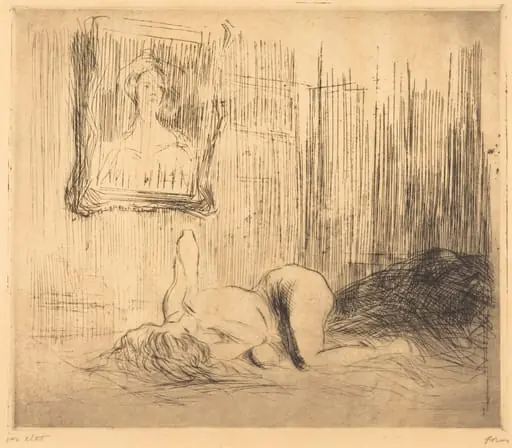 Sur le lit (On the Bed)
 Untitled
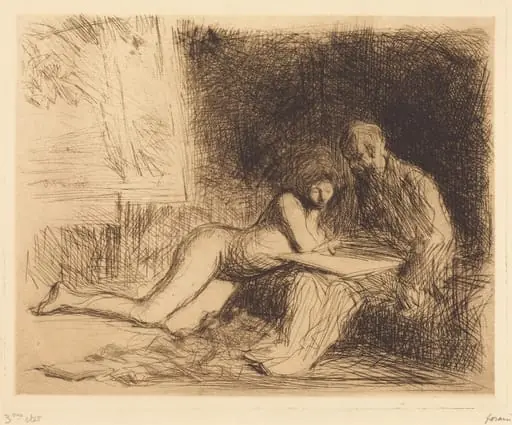 Le repos du modèle (4e planche) (The Model's Rest) (fourth plate)
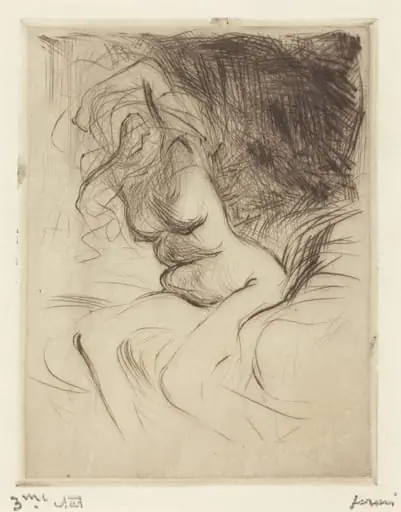 Femme nue passant sa chemise (Nude Woman Taking Off Her Chemise)
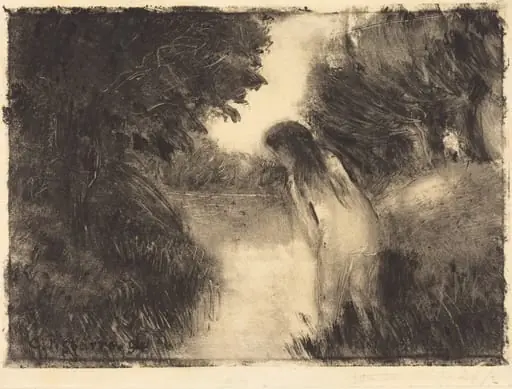 A Bather
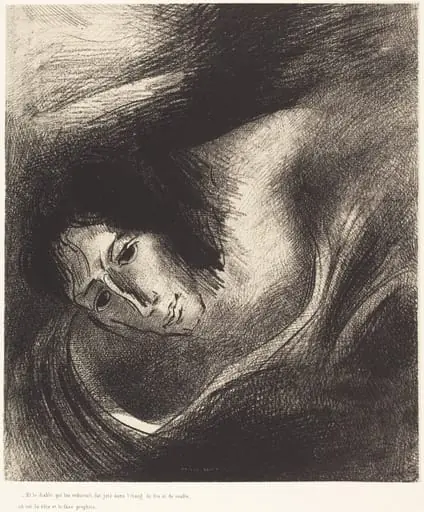 Et le diable qui les seduisait, fut jete dans l'etang de feu et de soufre, ou es la b ete et le faux prophete (And the devil thatdeceived them was cast into the lake of fire and brimstone, where the beast and the false prophet are)
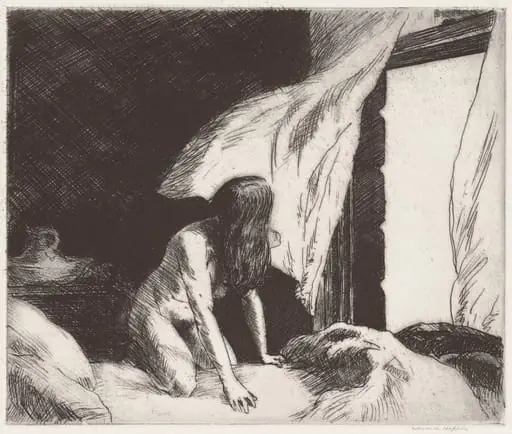 Evening Wind