Artwork
Et le diable qui les seduisait, fut jete dans l'etang de feu et de soufre, ou es la b ete et le faux prophete (And the devil thatdeceived them was cast into the lake of fire and brimstone, where the beast and the false prophet are)
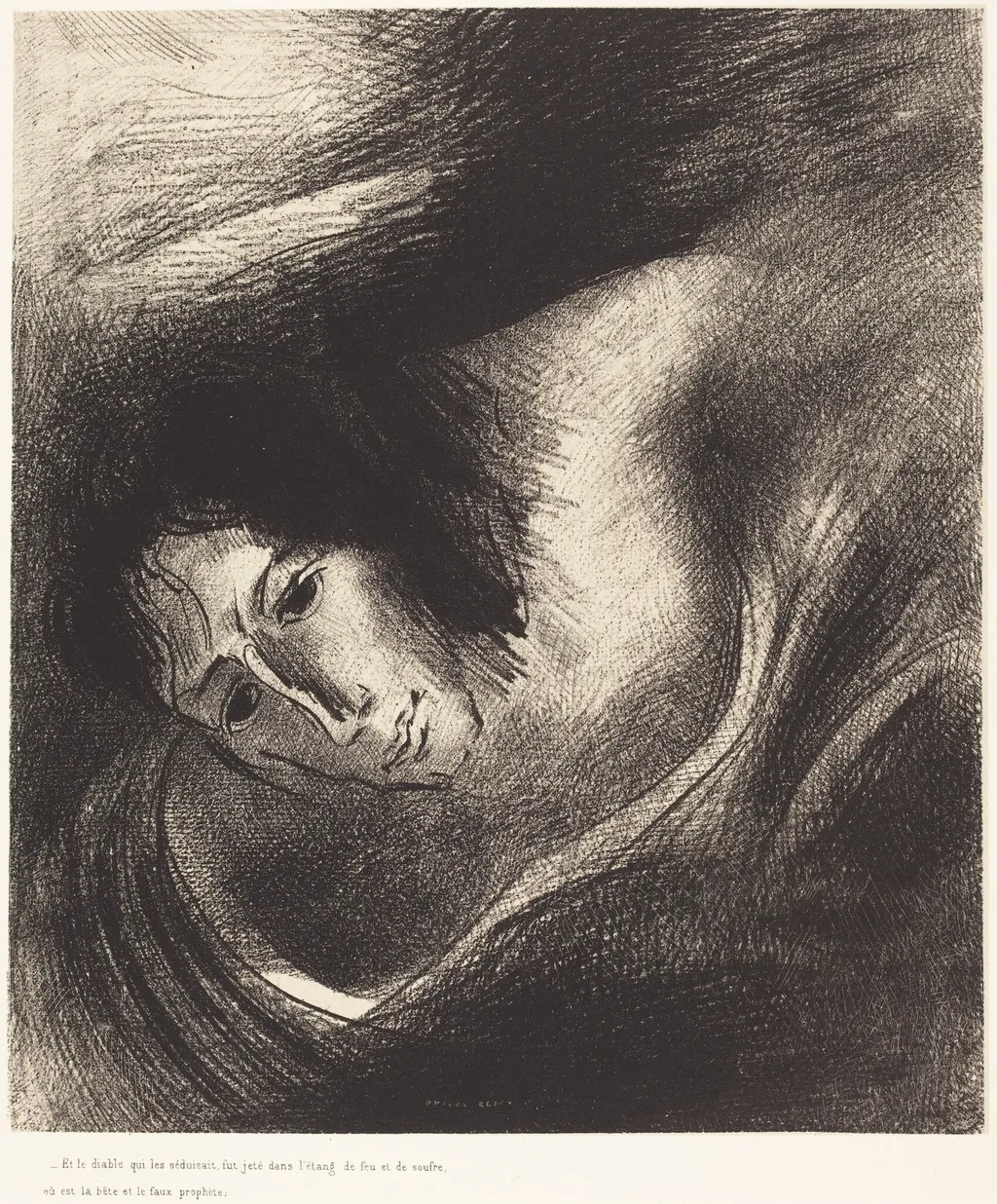
Et le diable qui les seduisait, fut jete dans l'etang de feu et de soufre, ou es la b ete et le faux prophete (And the devil thatdeceived them was cast into the lake of fire and brimstone, where the beast and the false prophet are) is an ink print by the Impressionist artist Ambroise Vollard. It dates from 1899 and is held in the collection of the National Gallery of Art.
About this work
Overview
Ambroise Vollard’s 1899 lithograph, titled Et le diable qui les seduisait, fut jete dans l’etang de feu et de soufre, ou es la b ete et le faux prophete, presents a dark, enigmatic scene derived from a biblical passage about the devil’s final punishment. The work is executed as a black‑and‑white print, employing the lithographic process to render a stark, atmospheric composition.
Subject & Meaning
The image centers on a cloaked, hunched figure whose features are scarcely discernible, suggesting a concealed, malevolent presence. The accompanying inscription references the apocalyptic fate of the devil, the beast, and the false prophet, linking the visual motif to themes of deception, judgment, and spiritual ruin.
Technique & Style
Vollard utilizes rapid, sketch‑like lines and a dense, swirling background texture to convey movement and tension. The lithographic method, involving drawing on a prepared stone surface and treating it with acid, allows for the stark contrasts and expressive, gestural marks that dominate the composition.
History & Provenance
Created at the close of the 19th century, the print reflects Vollard’s interest in both avant‑garde techniques and symbolic subject matter. It was produced during a prolific period when the dealer‑artist was also experimenting with printmaking, though specific ownership records for this particular impression are limited.
Context
The work emerges amid a broader fin‑de‑siècle fascination with occult and religious imagery, a trend shared by many Symbolist and Decadent artists. Vollard’s choice of a biblical quotation aligns the piece with contemporary explorations of moral decay and the looming anxieties of modernity.
Artist & collection


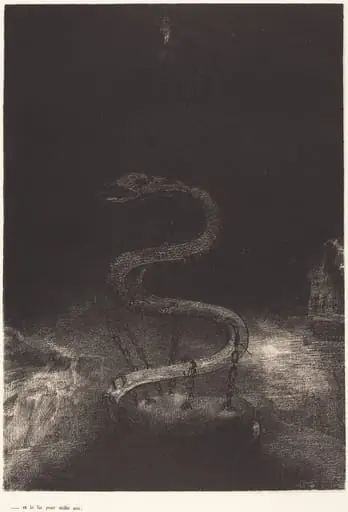 Et le lia pour mille ans (And bound him a thousand years)
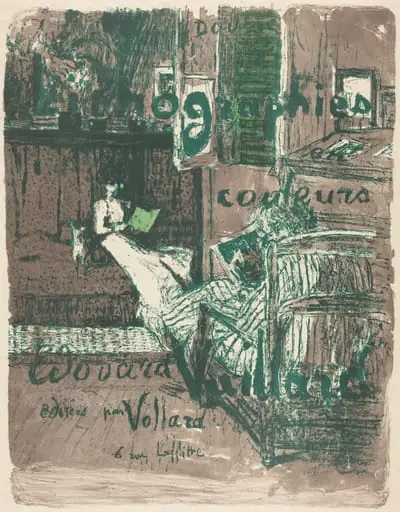 Cover for the Album "Paysages et intérieurs"
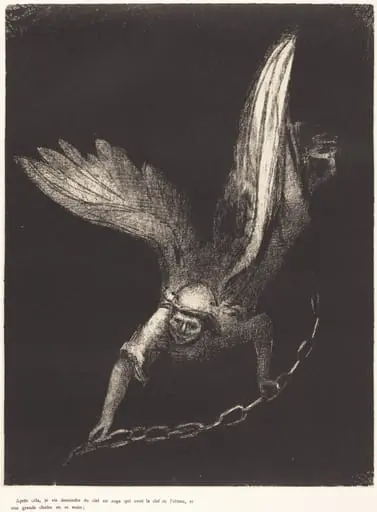 Apres cela je vis descendre du ciel un ange qui avait la clef de l'abime, et une grande chaine en sa main (And I saw an angel come down from heaven, having the key of the bottomless pit and a great chain in his hand)
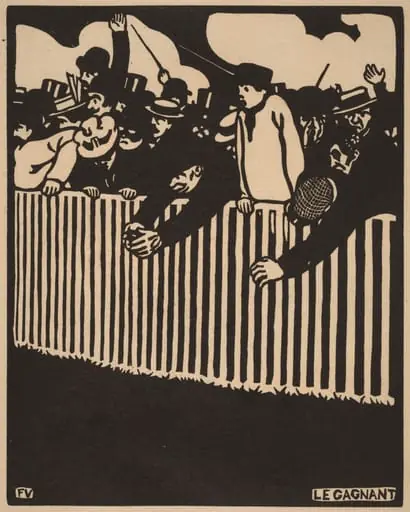 Le Gagnant (The Winner)
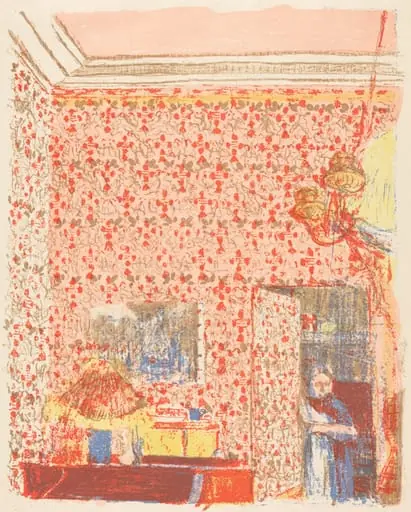 Interior with Pink Wallpaper I (Interieur aux tentures roses I)
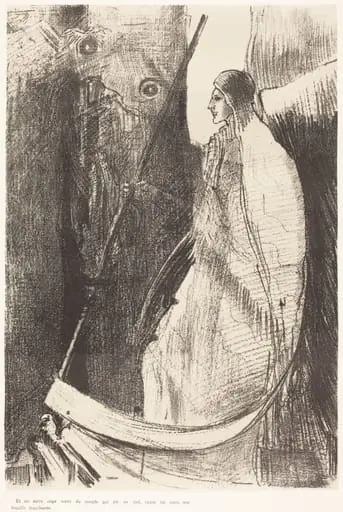 Et un autre ange sortit du temple qui est au ciel, ayant lui aussi une faucille tranchante (And another angel came out of the temple which is in heaven, and he also having a sharp sickle)
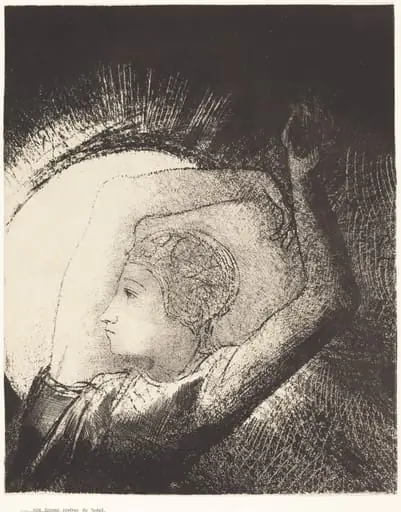 Une femme revêtue du Soleil (A woman clothed with the sun)
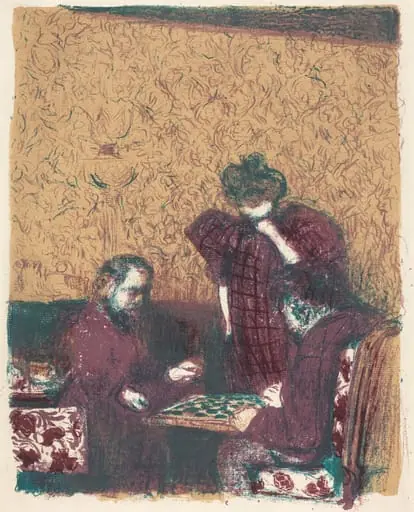 Game of Checkers (La partie de dames)
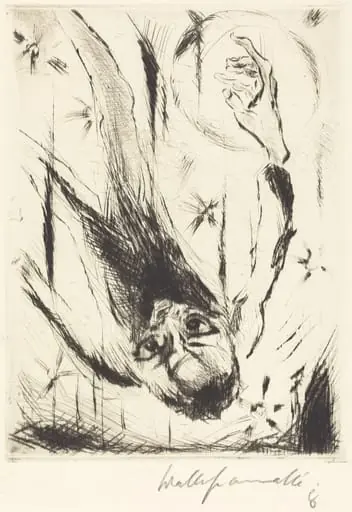 The Fall into Infinity
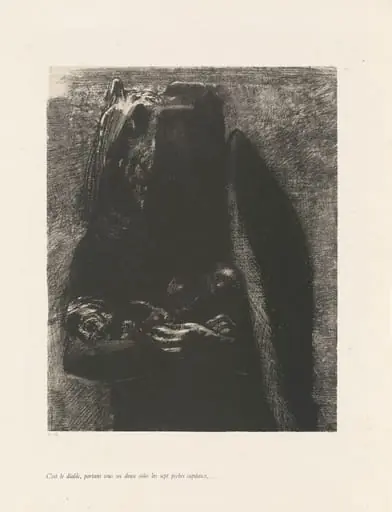 C'est le Diable
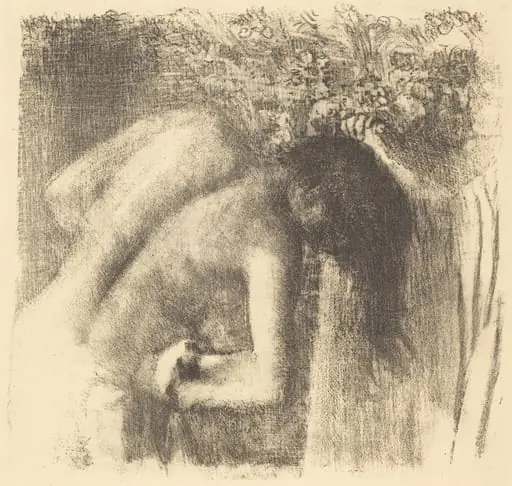 After the Bath (La sortie du bain (Grand planche))
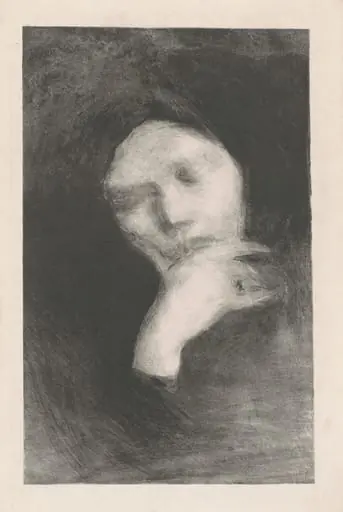 Meditation
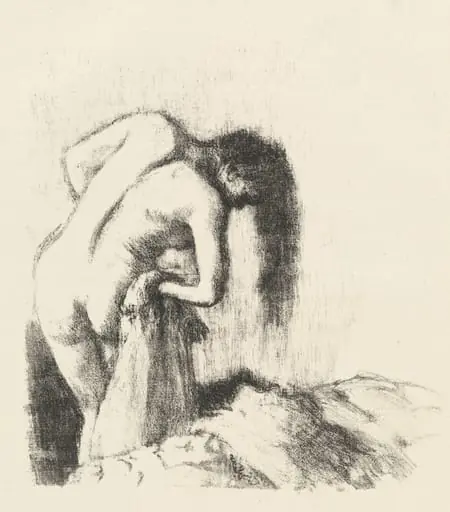 After the Bath (La sortie du bain (Petite planche))
![Newborn in a Bonnet (Le nouveau-né au bonnet], by Eugène Carrière](https://artifactworldgallery.com/img/eugene-carriere--newborn-in-a-bonnet-le-nouveau-ne-au-bonnet--230a39adbc28b475-w320.webp) Newborn in a Bonnet (Le nouveau-né au bonnet]
Newborn in a Bonnet (Le nouveau-né au bonnet]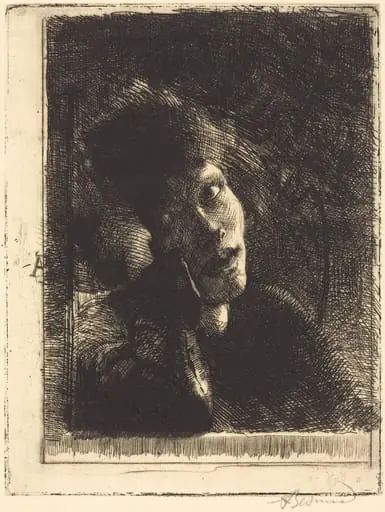 La Muse Accoudée
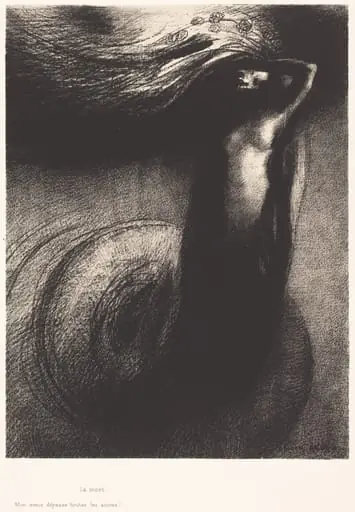 La Mort: Mon ironie depasse toutes les autres! (Death: My iron surpasses all others!)
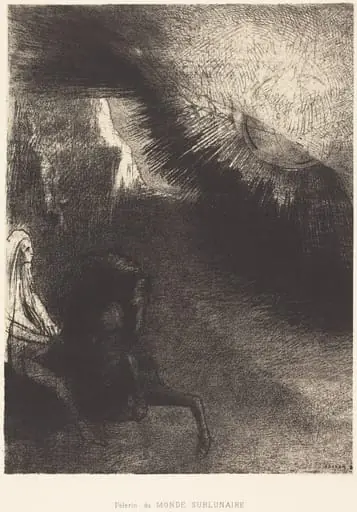 Pélerin du monde sublunaire (Pilgrim of the sublunary world)