Artwork
Statue, The Great Exhibition
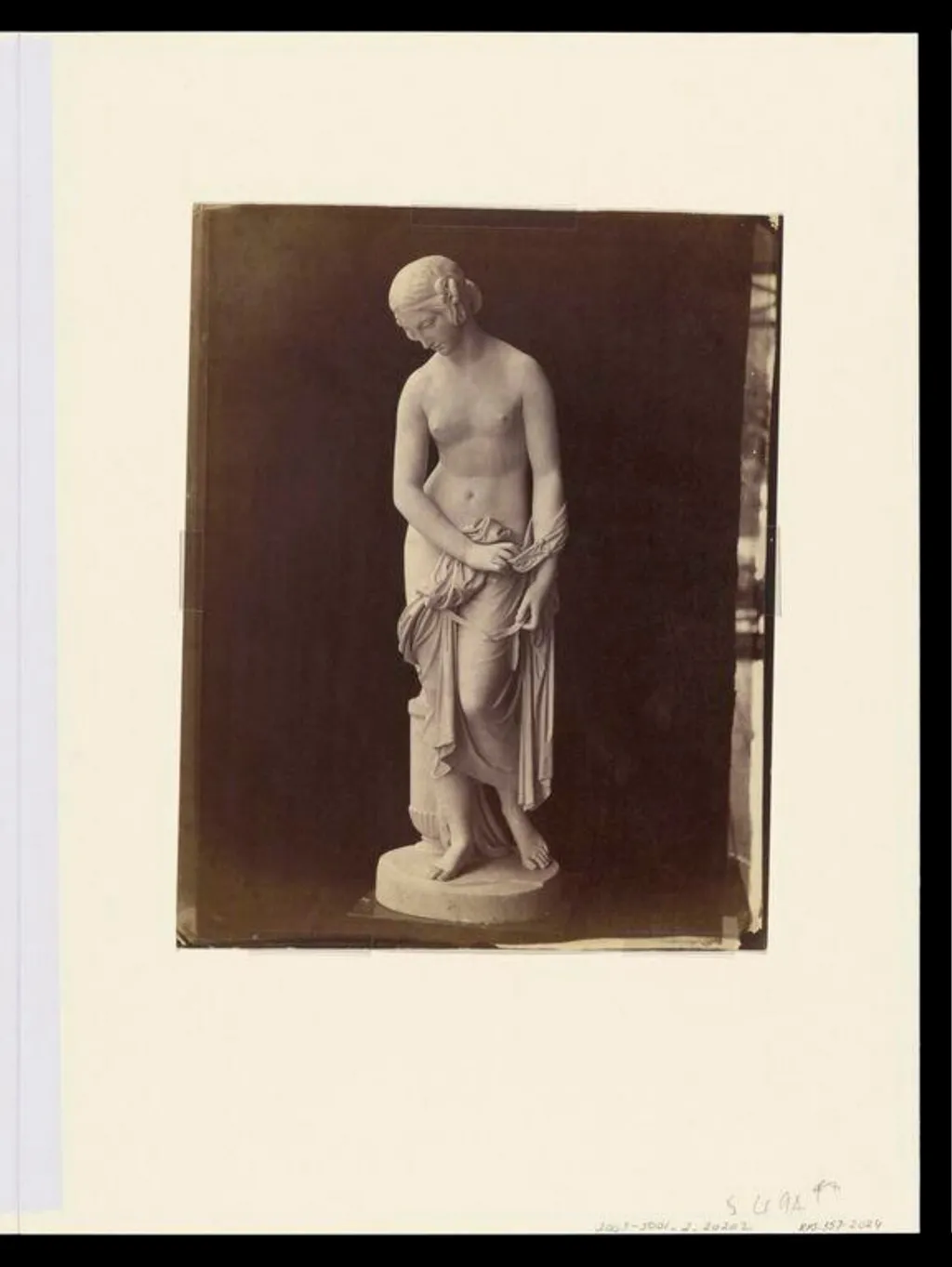
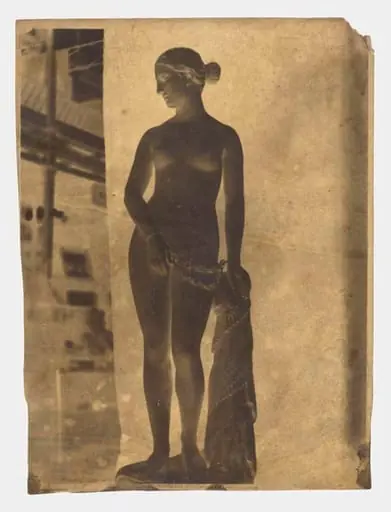
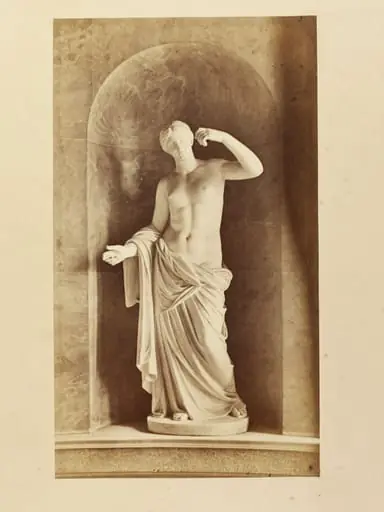
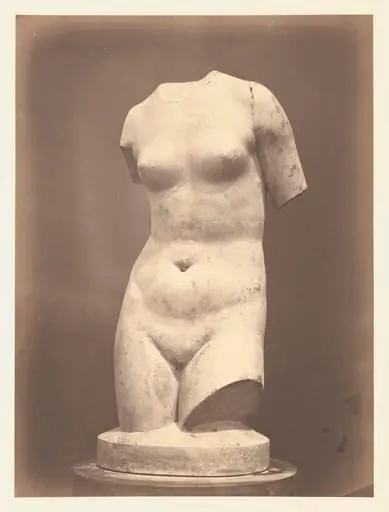
Statue, The Great Exhibition is a photographic photography by the Impressionist artist Philip Henry Delamotte. It dates from 1852 and is held in the collection of the Victoria and Albert Museum. This black-and-white photograph depicts a marble statue of a woman.
About this work
The photo was taken around 1852, when cameras were new and artists used them to study real objects.
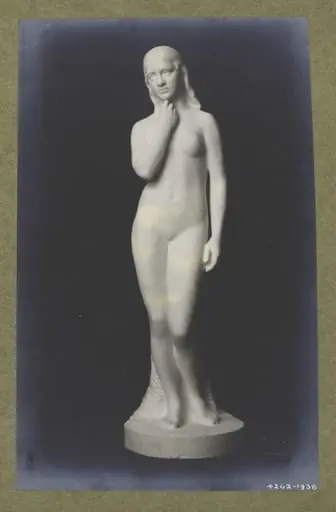
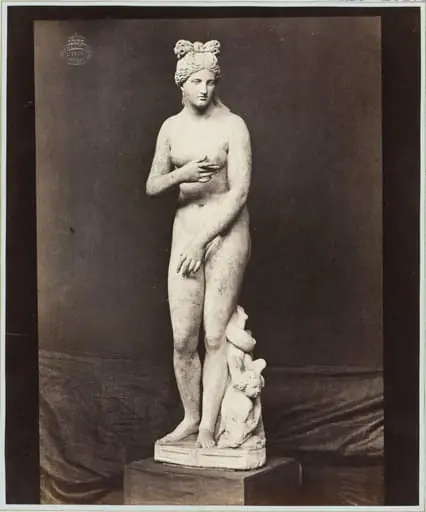
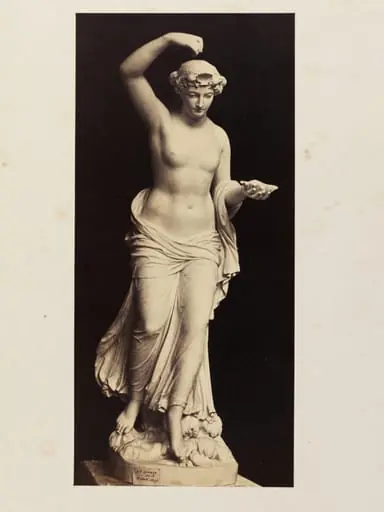
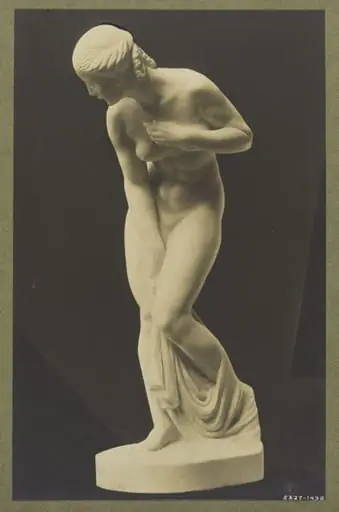
This is a black-and-white photo of a marble statue. The figure is a woman standing still, holding a cloth draped over one arm. Her hair is pulled back, and she’s barefoot on a small pedestal. The background is plain and dark, so the statue stands out clearly.
The photo was taken around 1852, when cameras were new and artists used them to study real objects. Notice how the light and shadow make the statue look three-dimensional.
Check out the Victoria and Albert Museum to see more works from this time.
Overview
This black-and-white photograph depicts a marble statue of a woman. The image was taken around 1852, a time when photography was still a relatively new medium.
Subject & Meaning
The statue represents a classical female figure, standing on a circular plinth with her hair pulled back and barefoot. Her pose, with a cloth draped over one arm, conveys a sense of contemplation.
Technique & Style
The photograph's use of light and shadow creates a three-dimensional effect, highlighting the statue's form. The plain, dark background serves to isolate the statue, drawing the viewer's attention to its details.
Context
The photograph reflects the early use of photography as a tool for artists to study real objects. It demonstrates the medium's potential for capturing and conveying the subtleties of sculpture.
Artist & collection