Artwork
Marble Statue of Venus de Medici
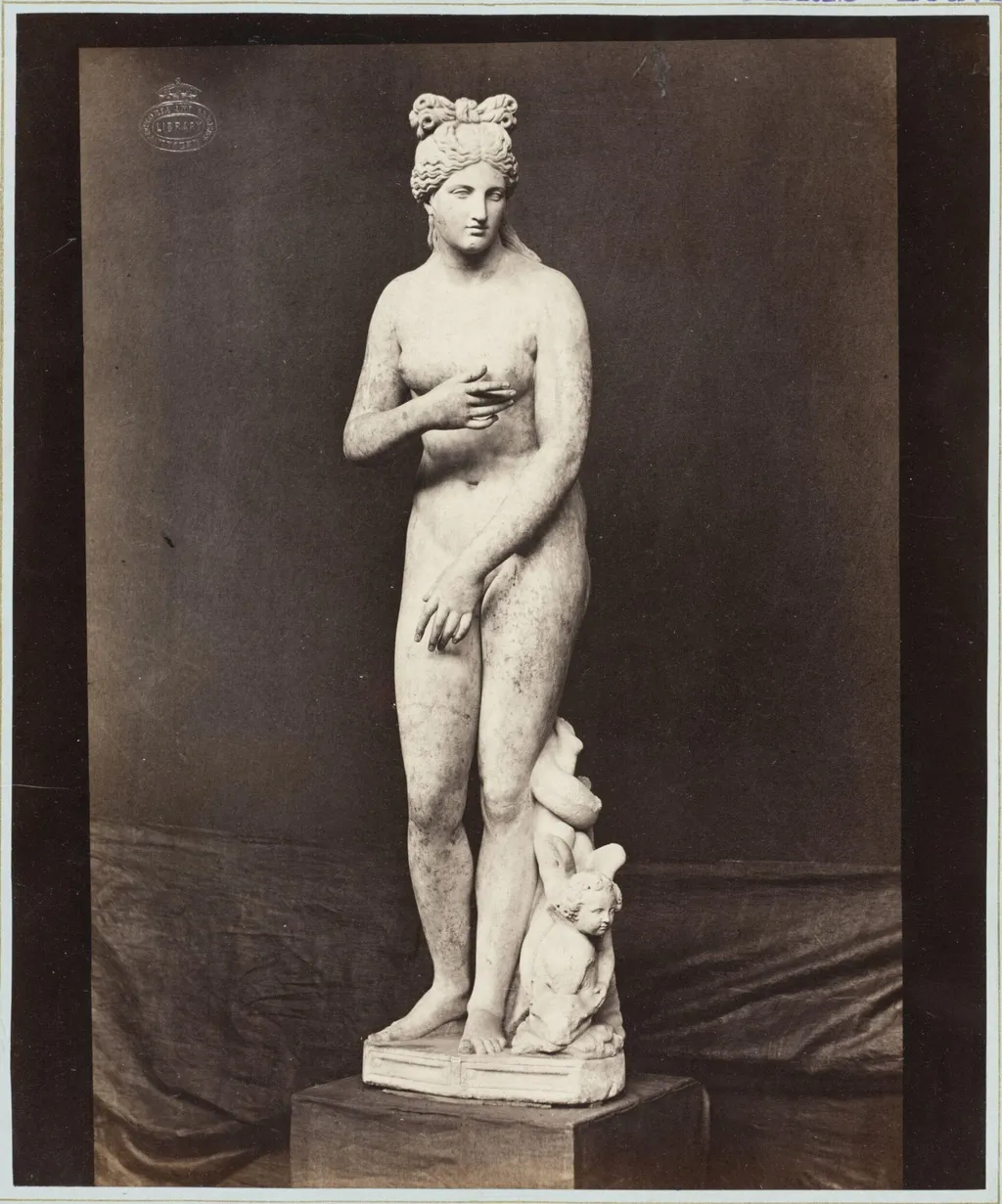
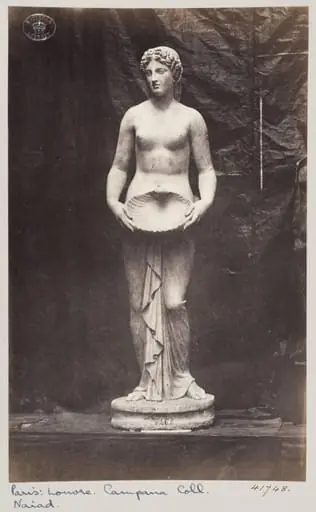
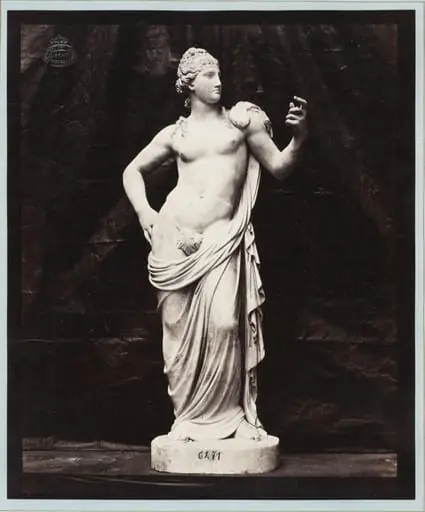
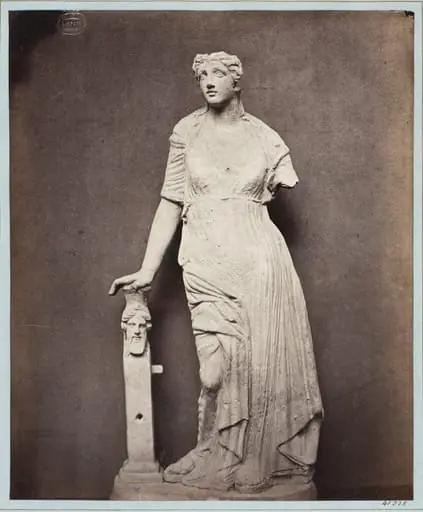
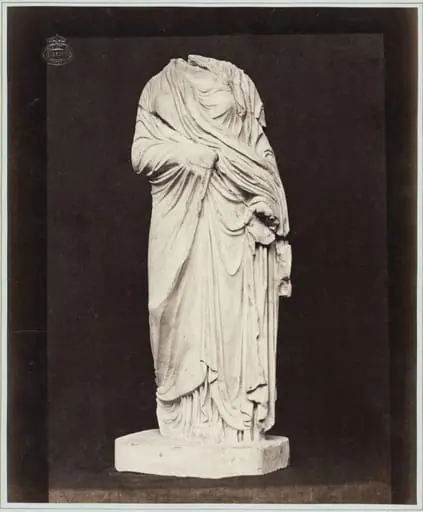
Marble Statue of Venus de Medici is a photographic photography by the Impressionist artist Louise Laffon. It dates from 1864 and is held in the collection of the Victoria and Albert Museum.
About this work
Women photographers were rare then, but Laffon’s shot became part of the museum’s early photo library.
This photo shows the famous Venus de Medici statue shot in 1863–64 by Louise Laffon.
Back then, the V&A was the first museum to collect and display photos.
Women photographers were rare then, but Laffon’s shot became part of the museum’s early photo library.
The museum used images like this to help students and artists study forms.
Henry Cole, the director, believed photos could teach better than drawings alone.
This work quietly highlights a woman making images that mattered.
Look up the museum that still holds this photo: Victoria and Albert Museum.
Overview
This photograph, taken between 1863 and 1864, captures the Marble Statue of Venus de Medici and is part of the Victoria and Albert Museum’s early photographic collection. Acquired from French photographer Louise Laffon, it was one of 500 images purchased through an agent in Paris. As one of the first institutions to collect photographs, the V&A integrated such images into its educational mission, using them as study aids for artists and students alongside traditional casts and drawings.
Subject & Meaning
The statue of Venus de Medici, a Hellenistic marble sculpture of the goddess of love, was a canonical form in Western art. Laffon’s photograph does not interpret the statue symbolically but presents it with clinical precision, emphasizing its contours and surface texture. The image functions as a documentary tool, enabling study of classical proportion and drapery without requiring direct access to the original in Florence or Rome.
Technique & Style
Laffon employed the albumen print process, common in mid-19th-century photography, which produced sharp detail and tonal richness on paper coated with egg white and silver salts. Her composition is frontal and evenly lit, minimizing shadows to clarify anatomical structure. The framing is centered and unadorned, reflecting the photograph’s utilitarian purpose rather than aesthetic experimentation.
History & Provenance
The photograph was acquired by the V&A in 1864 from Louise Laffon’s series documenting the Campana Collection at the Musée Napoléon III in Paris. Laffon, one of the earliest female members of Le Société Française de la Photographie, was commissioned to record antiquities for scholarly use. The V&A’s purchase, facilitated by Parisian agent E. Cappe, reflects its systematic effort to build a visual reference library accessible to its academic community.
Context
In the 1860s, photography was emerging as a tool for art education, challenging hand-drawn reproductions. Under Director Henry Cole, the V&A pioneered its use, positioning photographs as objective records for training designers and artists. Female photographers like Laffon were rarely acknowledged, yet their work was essential to the museum’s operations, particularly in documenting sculptures abroad where direct access was impractical.
Legacy
Laffon’s photograph remains part of the V&A’s National Art Library holdings, a testament to the early institutional recognition of photography as a scholarly medium. It also stands as a quiet record of women’s contributions to museum practice at a time when their roles were largely invisible. The image exemplifies how technical documentation, though unassuming, shaped art education and preservation in the modern era.
Artist & collection
Artist
Louise Laffon (1828–1885), was a French photographer and painter. She was one of the first female professional photographers in France. She had a studio in Paris between 1859 and 1876.

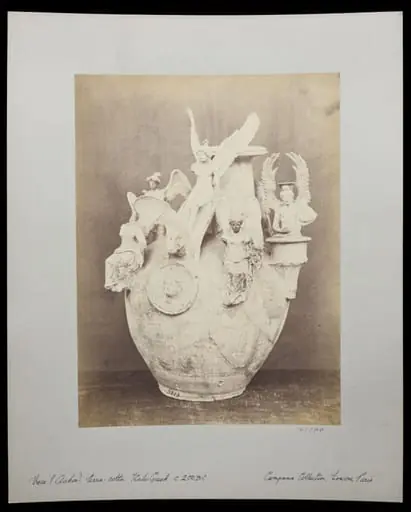 Perfume Burner in terra cotta
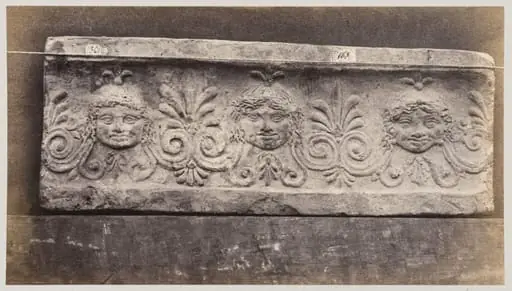 Three masques of gorgons in terra cotta
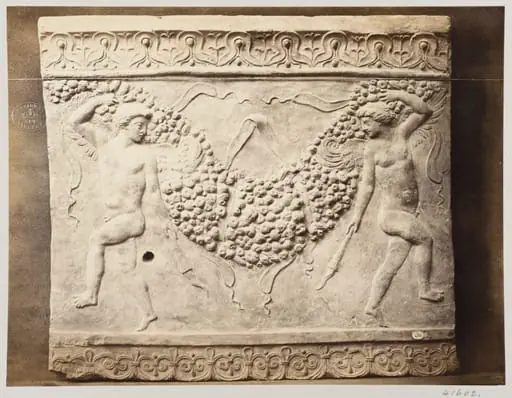 Bas-relief of portion of frieze of dancing figures with torches bearing festoon of fruit in terra cotta
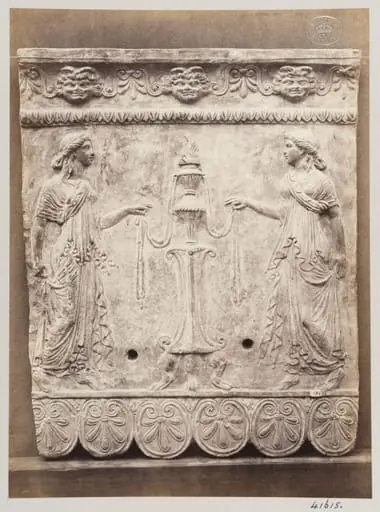 Bas-relief portion of a frieze of two draped females and an altar in terra cotta
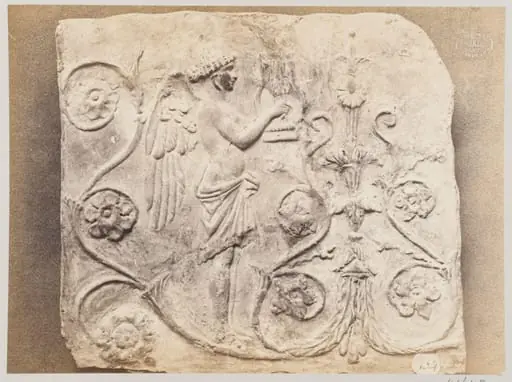 Bas-relief of a geni and a lyre in terra cotta
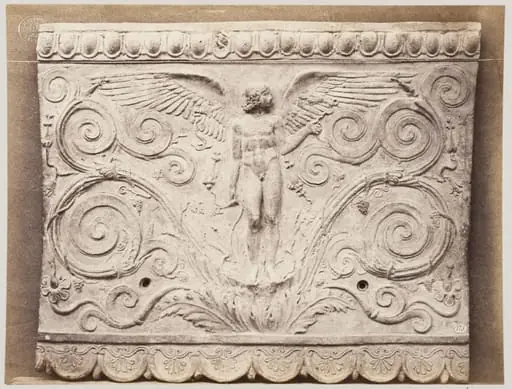 Bas-relief of a portion of frieze of Eros with scrollwork in terra cotta
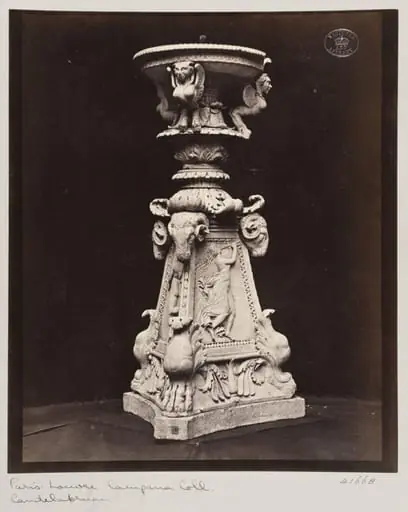 Marble sculptured fountain
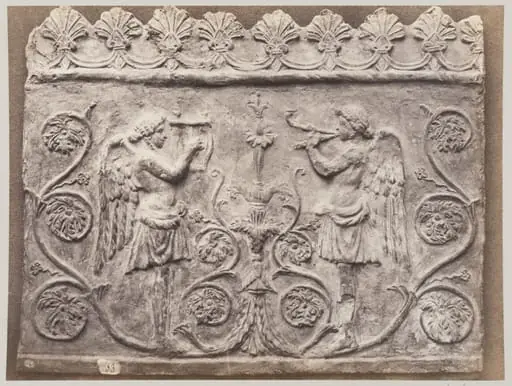 Bas-relief portion of frieze of Genii with double flutes and lyre