Artwork
H Beard Print Collection
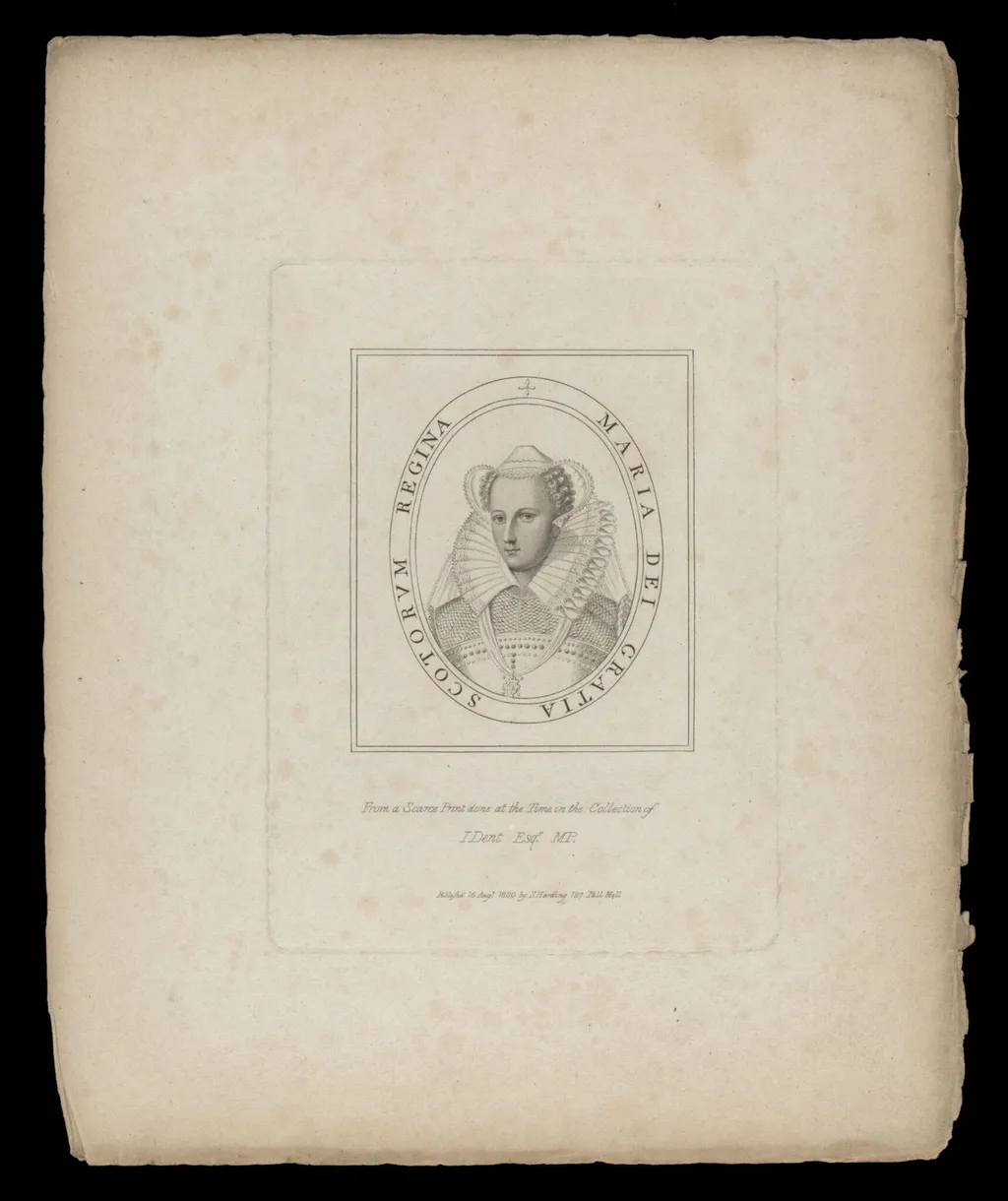
H Beard Print Collection is a print by the Romanticist artist Dent. It dates from 16 and is held in the collection of the Victoria and Albert Museum.
About this work
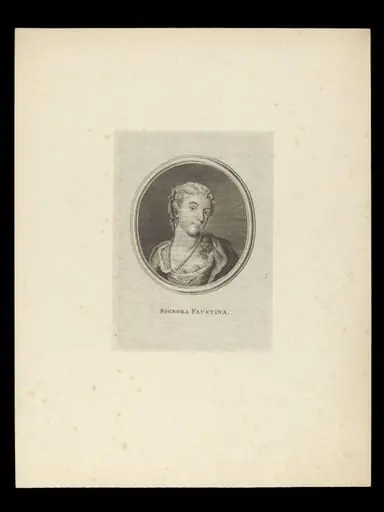
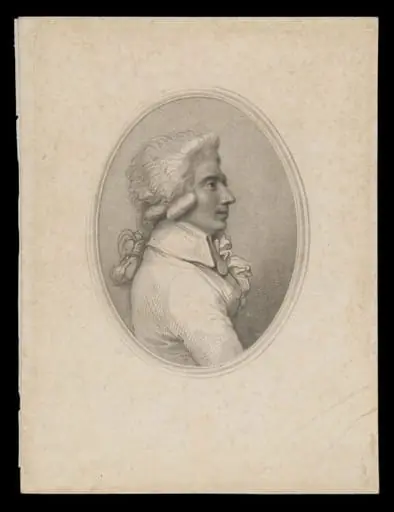
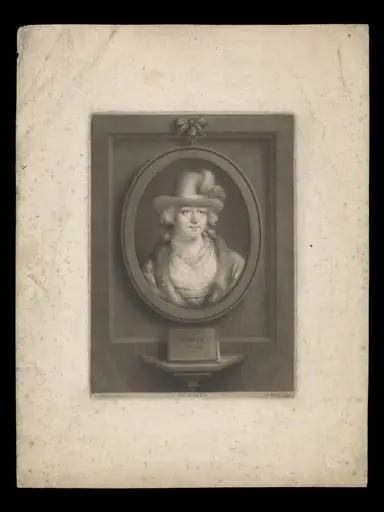
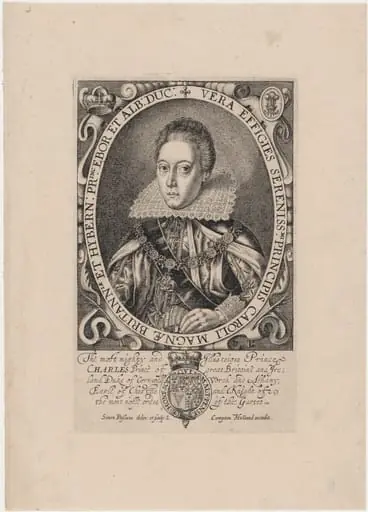
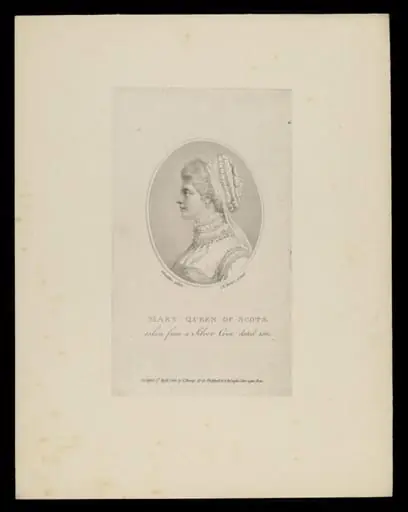
This print shows Mary Queen of Scots in a portrait style from the early 1800s. It’s a print, not a painting, made by Dent in 1800.
The print was published by S. Harding, which is a small but important detail—just one name in a long chain of people who helped this image reach us.
Look up the Victoria and Albert Museum.
Overview
This print, produced in 1800, portrays Mary, Queen of Scots, in a formal portrait composition typical of early 19th-century reproductive engraving.
This print, produced in 1800, portrays Mary, Queen of Scots, in a formal portrait composition typical of early 19th-century reproductive engraving. Created by artist Dent and published by S. Harding, it belongs to a broader tradition of printed portraiture that circulated historical figures among the British public. The work is part of the H. Beard Print Collection, now held at the Victoria and Albert Museum.
Subject & Meaning
Mary, Queen of Scots, is depicted with the solemn dignity associated with her historical legacy. The image does not illustrate a specific event but instead presents her as a symbolic figure—royal, tragic, and enduring. Such prints served to reinforce cultural memory of contested monarchs, offering viewers a visual anchor for narratives of power, faith, and fate in post-Reformation Britain.
Technique & Style
Executed as an engraving, the print employs fine linear detail to render facial features and drapery, characteristic of reproductive printmaking of the period. The style emulates painted portraiture, with controlled shading and formal pose, but its medium limits tonal depth. The composition is static and frontal, prioritizing recognition over narrative dynamism, typical of prints designed for mass reproduction.
History & Provenance
The print was published by S. Harding, a London-based publisher active in the early 1800s, known for distributing historical and literary engravings. Its inclusion in the H. Beard Print Collection indicates it was acquired during the 19th century as part of a growing interest in historical portraiture. The print later entered the Victoria and Albert Museum’s holdings, where it remains as a record of popular visual culture.
Context
In the early 19th century, prints of historical figures like Mary, Queen of Scots, were widely distributed as educational and decorative objects. They responded to public fascination with Tudor and Stuart history, fueled by literature and theater. Publishing houses like Harding’s played a key role in shaping collective memory, transforming royal biography into accessible imagery for middle-class households.
Legacy
This print contributes to the long tradition of visualizing Mary, Queen of Scots, through the lens of later eras. It reflects how her image was standardized in print culture—removed from political controversy and recast as a romanticized historical icon. As part of a museum collection, it now serves as evidence of how history was visually mediated in the age before photography.
Artist & collection
Artist
This printmaker carved everyday scenes in the 18th-century style, turning taverns, shops, and street corners into finely etched memories.