Artwork
Judith with the Head of Holofernes
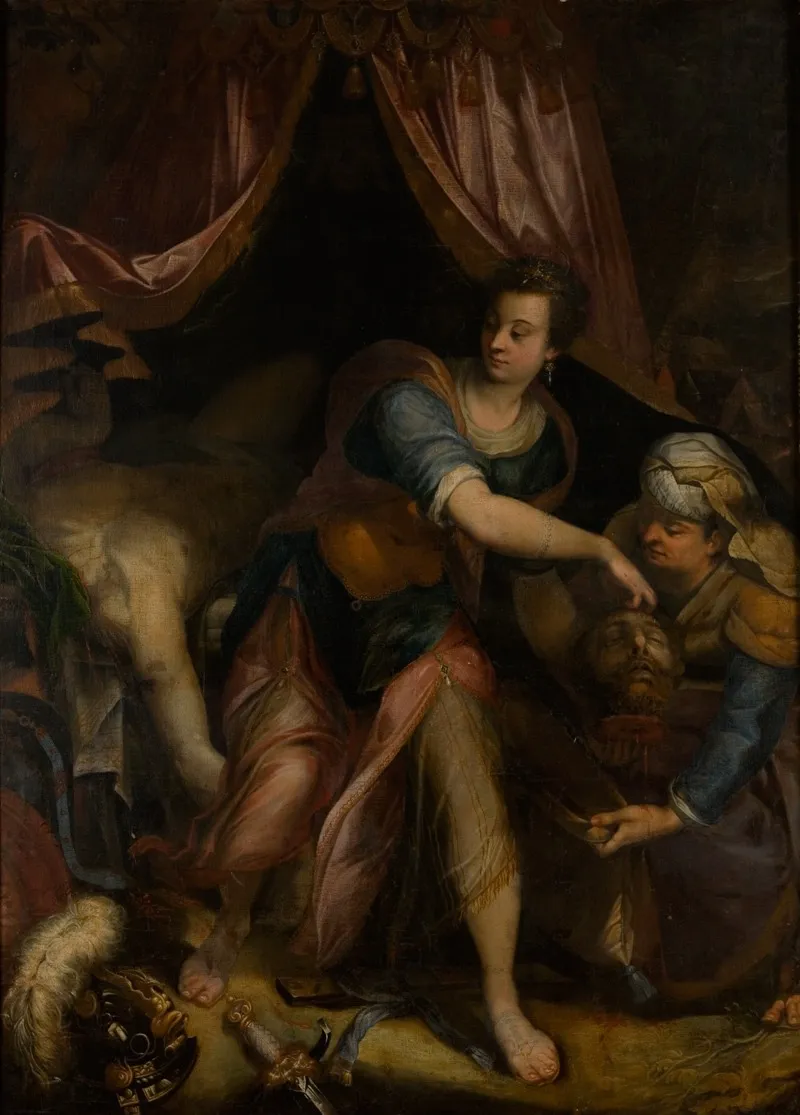
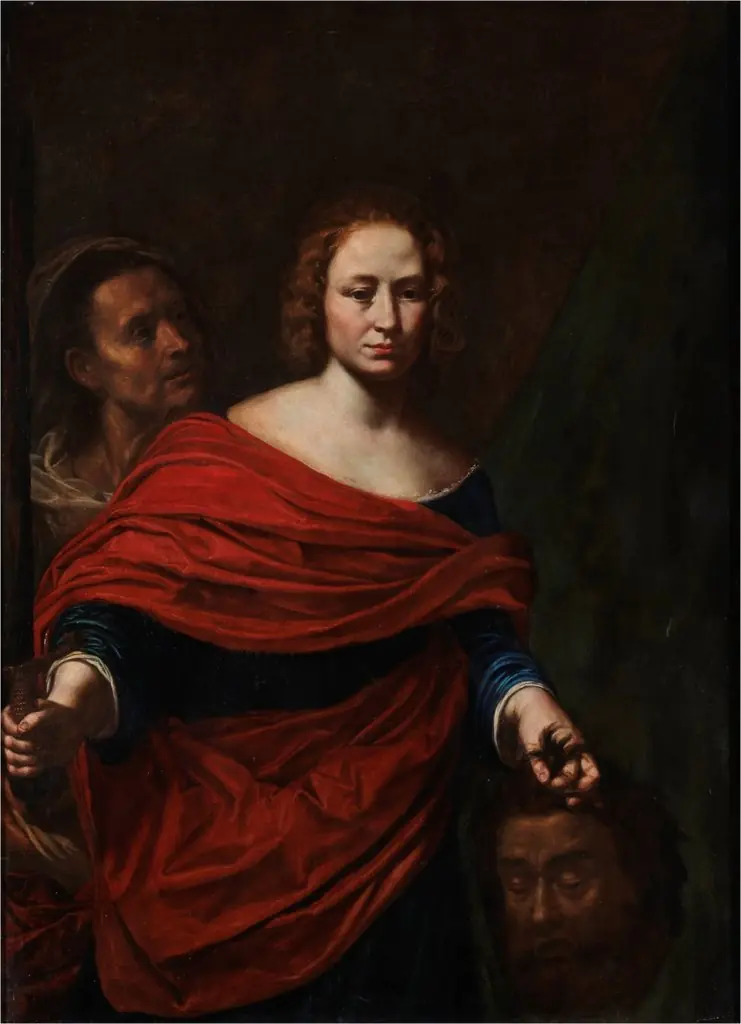
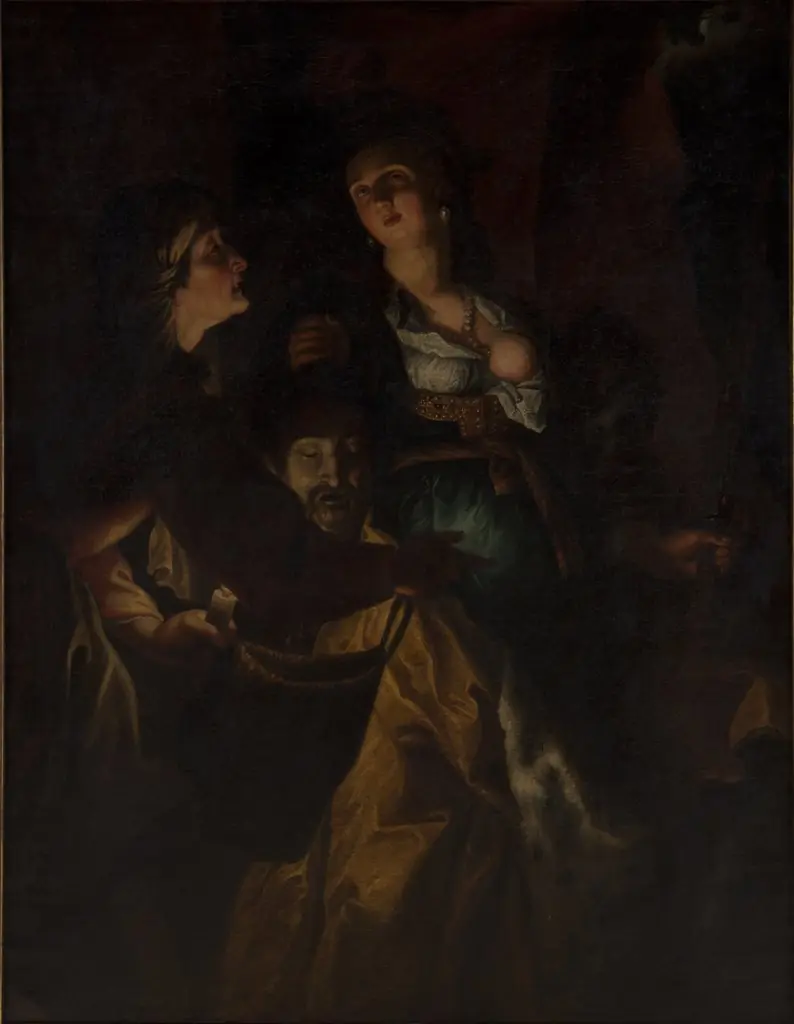
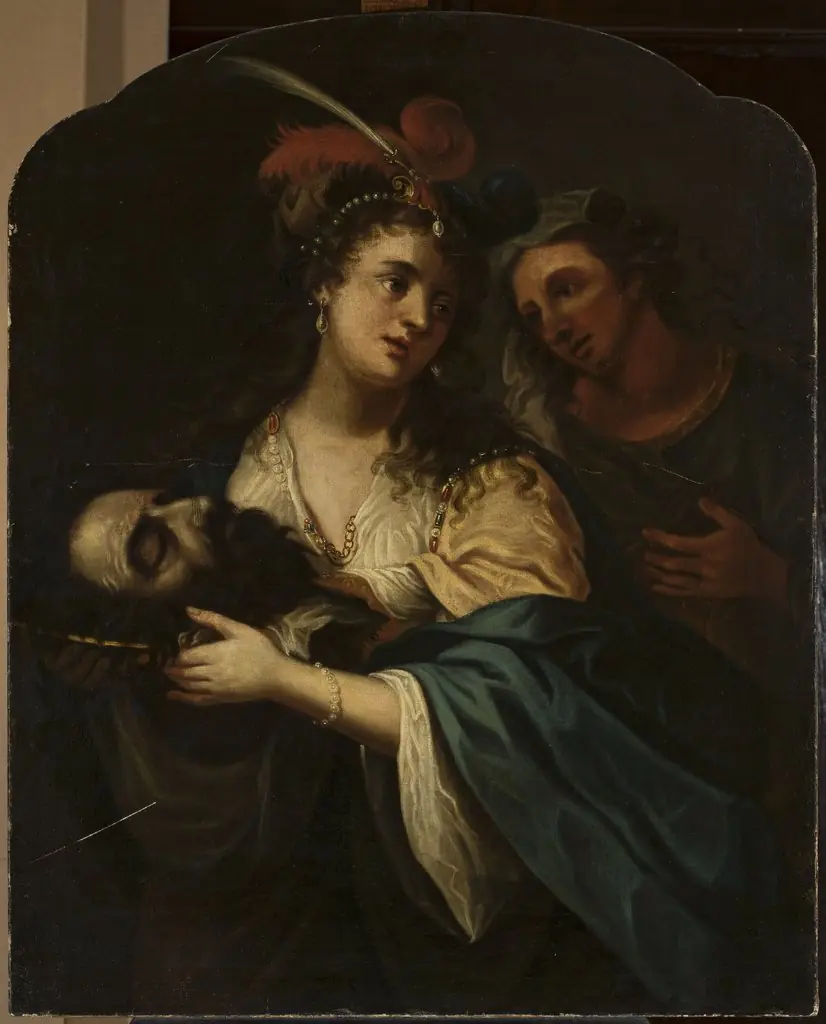
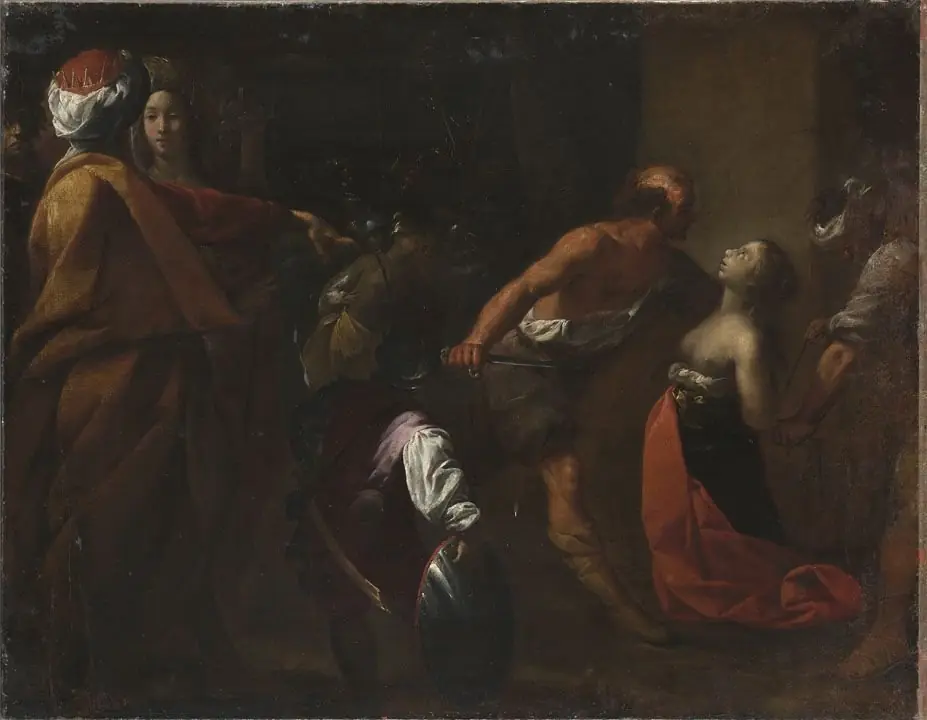
Judith with the Head of Holofernes is an oil painting by the Mannerist artist Denys Calvaert. It dates from 1589 and is held in the collection of the Statens Museum for Kunst.
About this work
Overview
Denys Calvaert’s oil painting Judith with the Head of Holofernes, executed around 1589, presents a dramatic biblical episode. The work is part of the collection of Denmark’s Statens Museum for Kunst and exemplifies the artist’s engagement with religious narrative through a tightly composed tableau.
Subject & Meaning
The composition captures the moment after Judith has beheaded the Assyrian general Holofernes. She is shown kneeling, clutching the severed head, while the fallen soldier lies in armor nearby. A youthful attendant gestures toward the head, emphasizing the triumph of virtue over tyranny that the story traditionally symbolizes.
Technique & Style
Calvaert employs a pronounced chiaroscuro, allowing stark light to illuminate Judith’s serene expression against a tenebrous background. The palette features deep blues and rich reds, while the metallic sheen of the armor catches the light. This contrast of illumination and shadow gives the figures a three‑dimensional presence and heightens the scene’s emotional tension.
History & Provenance
Created in the late sixteenth century, the painting reflects the Counter‑Reformation’s demand for vivid, didactic imagery. It entered the Statens Museum for Kunst’s holdings in the twentieth century, though the precise path of acquisition remains undocumented in public records.
Context
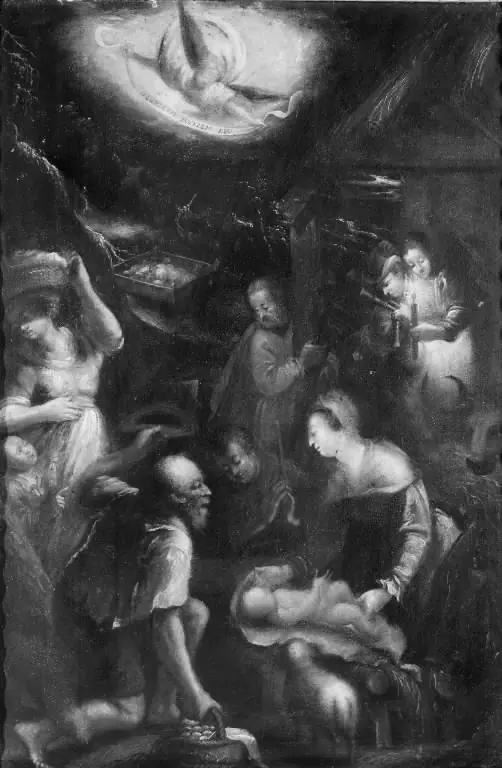
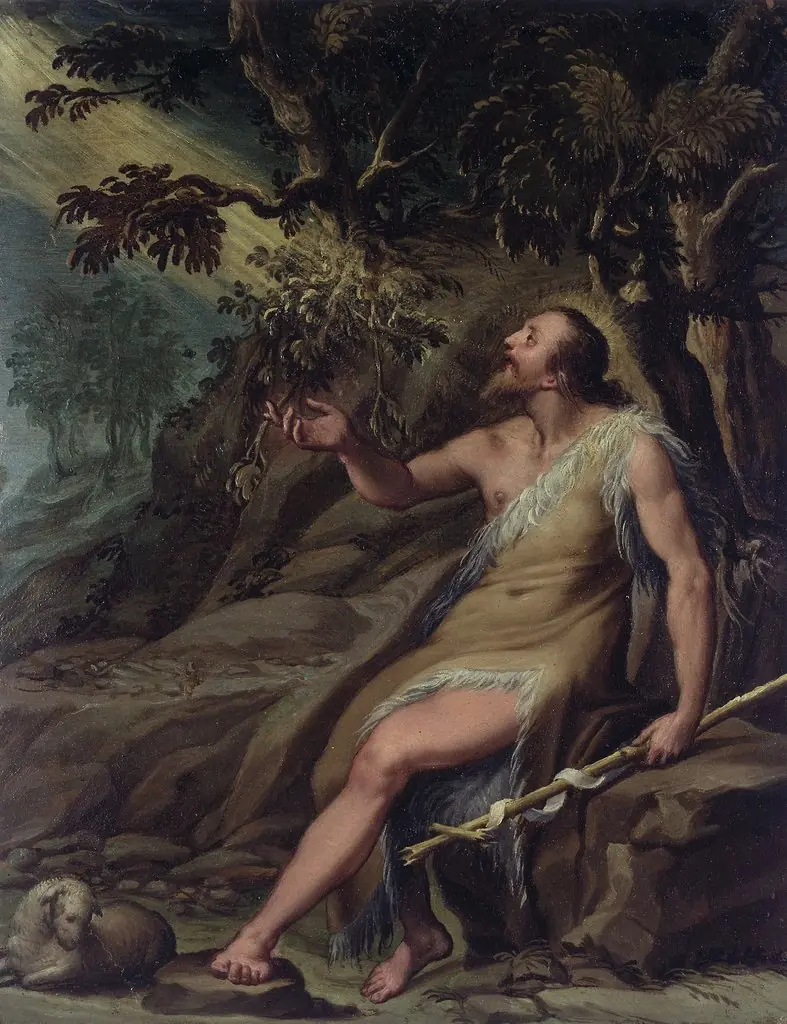
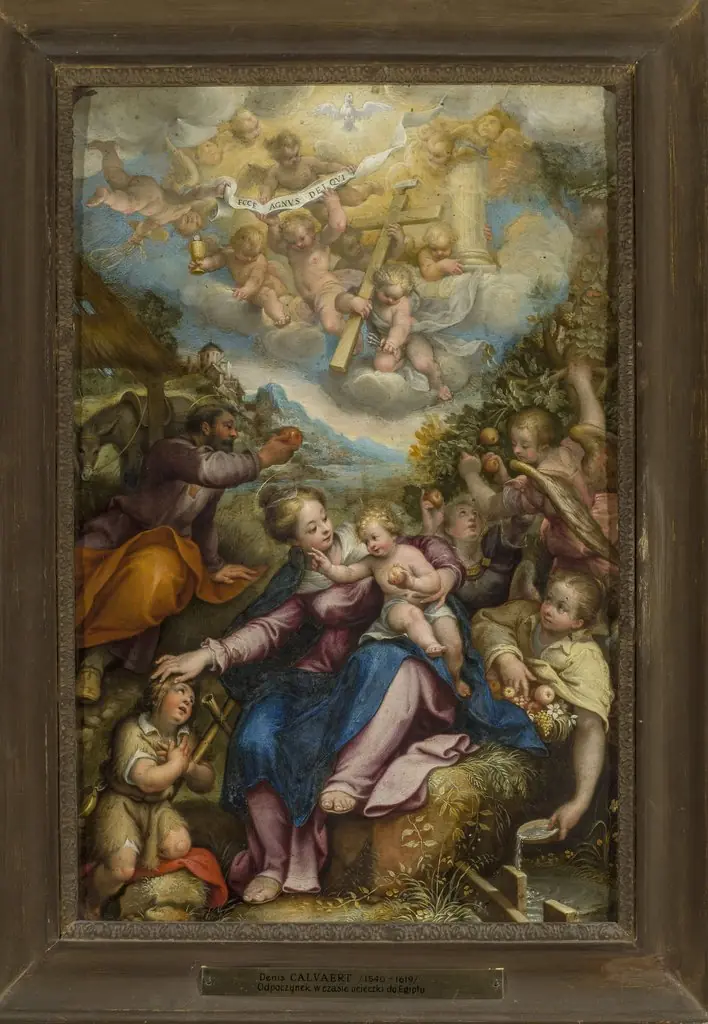
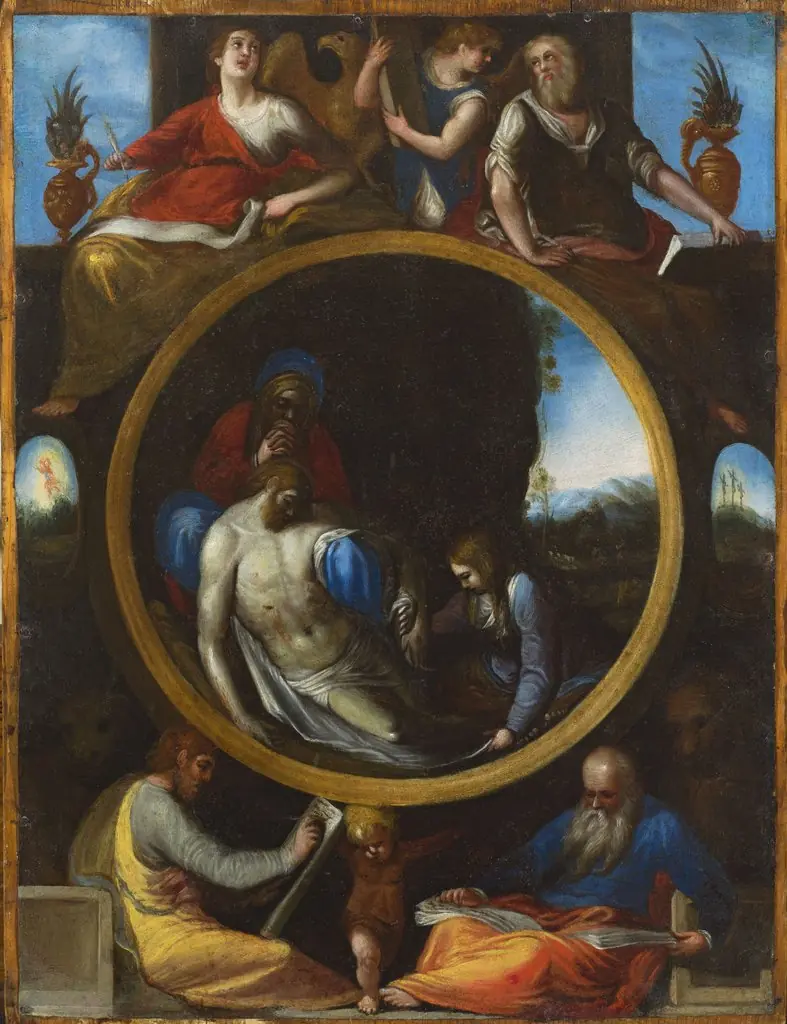
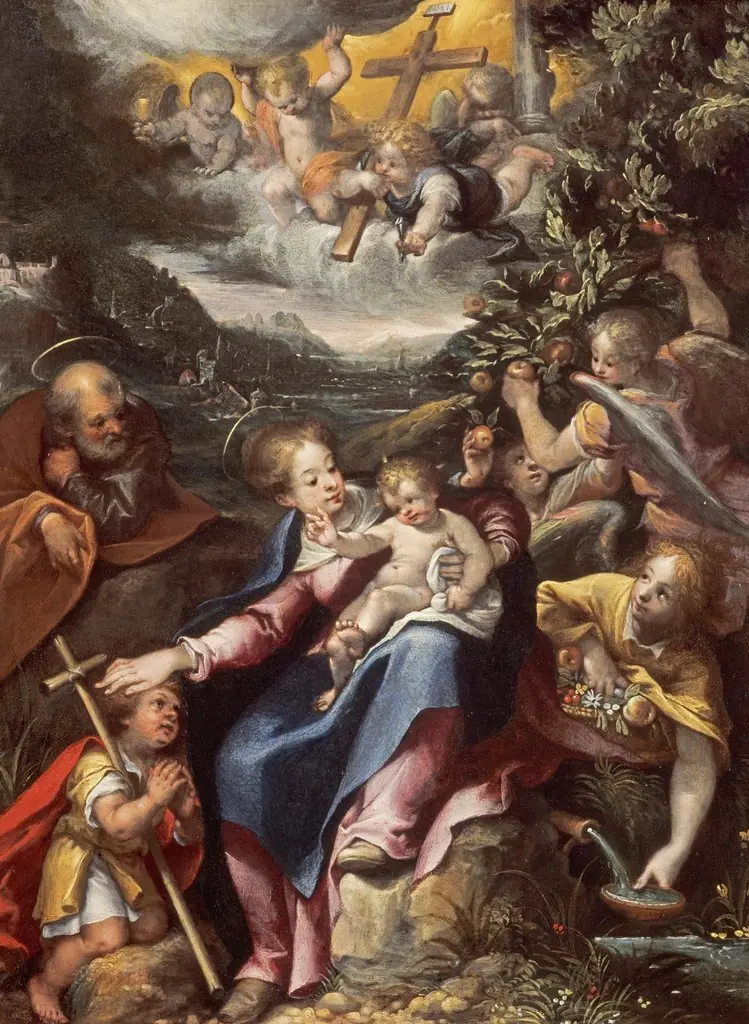
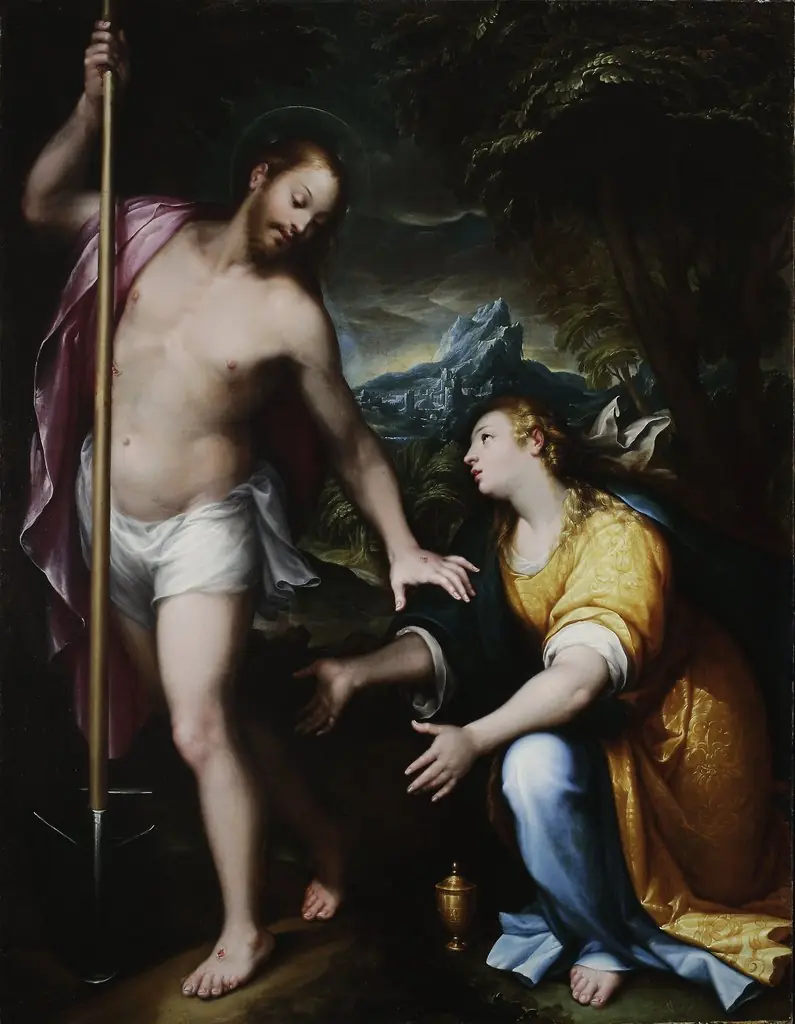
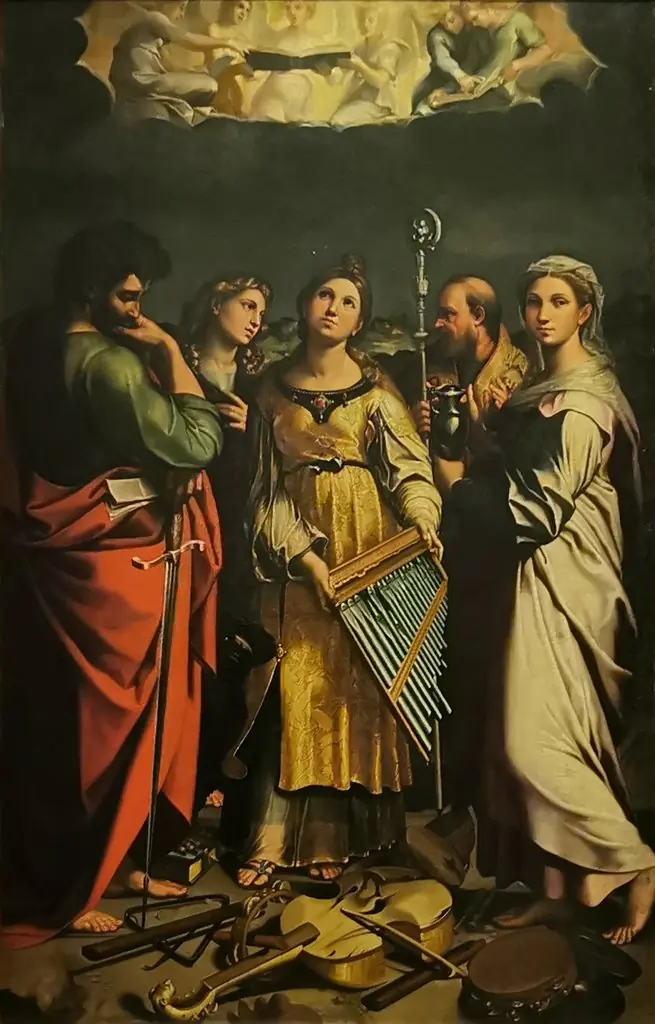
Calvaert, a Flemish‑born artist active in Bologna, was known for integrating Northern detail with Italianate composition. This work aligns with contemporary depictions of Judith, which often highlighted the heroine’s moral resolve, while also showcasing the artist’s skill in rendering luxurious fabrics and reflective surfaces.
Artist & collection

Artist
Denis Calvaert was an Antwerp-born Flemish painter who spent most of his life in Italy, where he was known as Dionisio Fiammingo or simply Il Fiammingo.