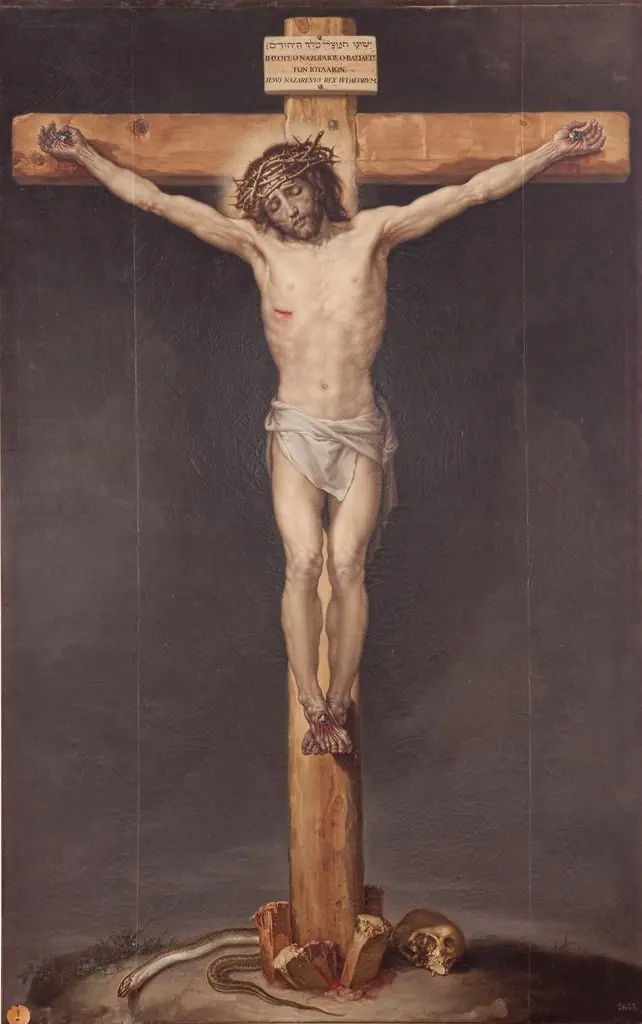
Artwork
Christ Crucified
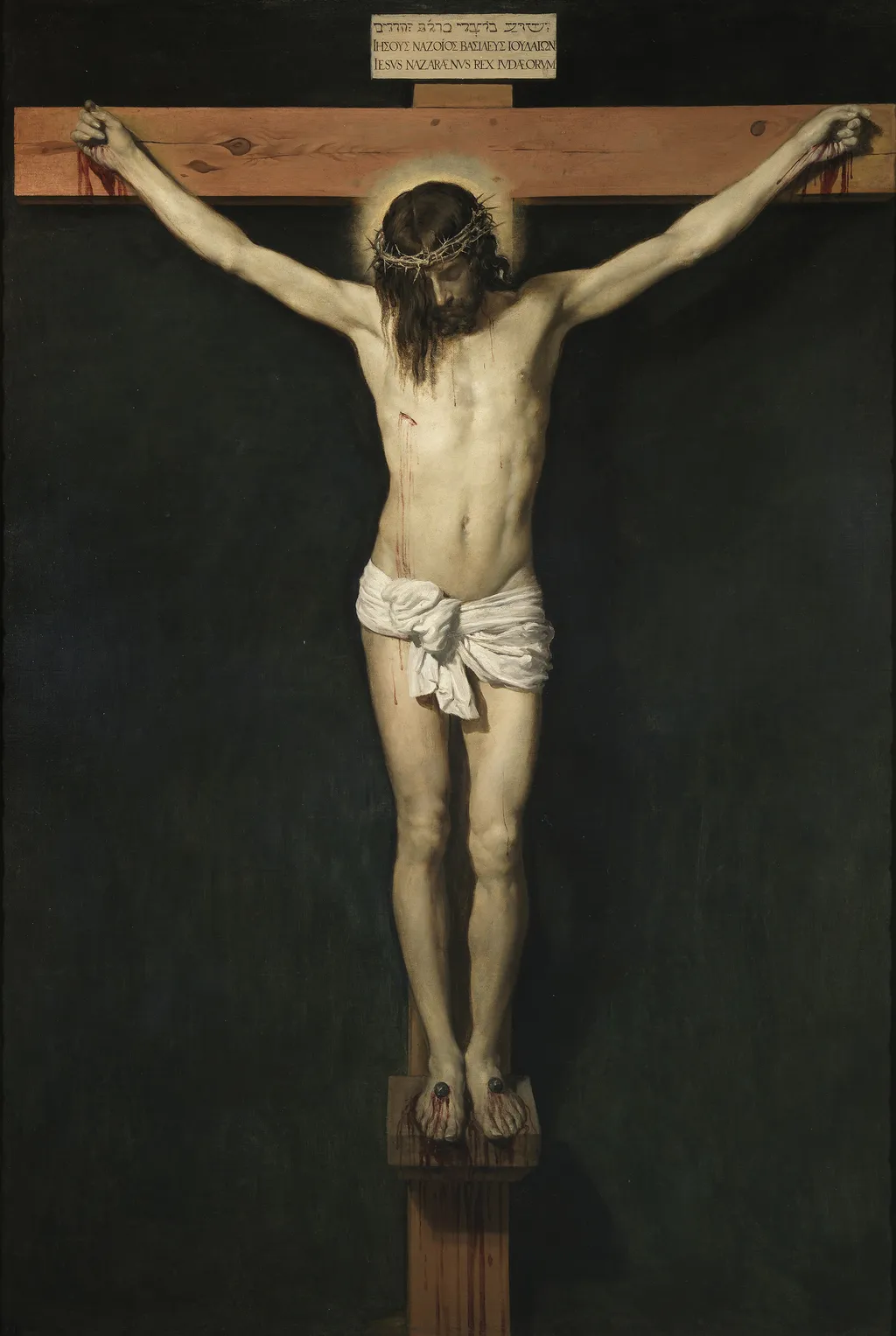
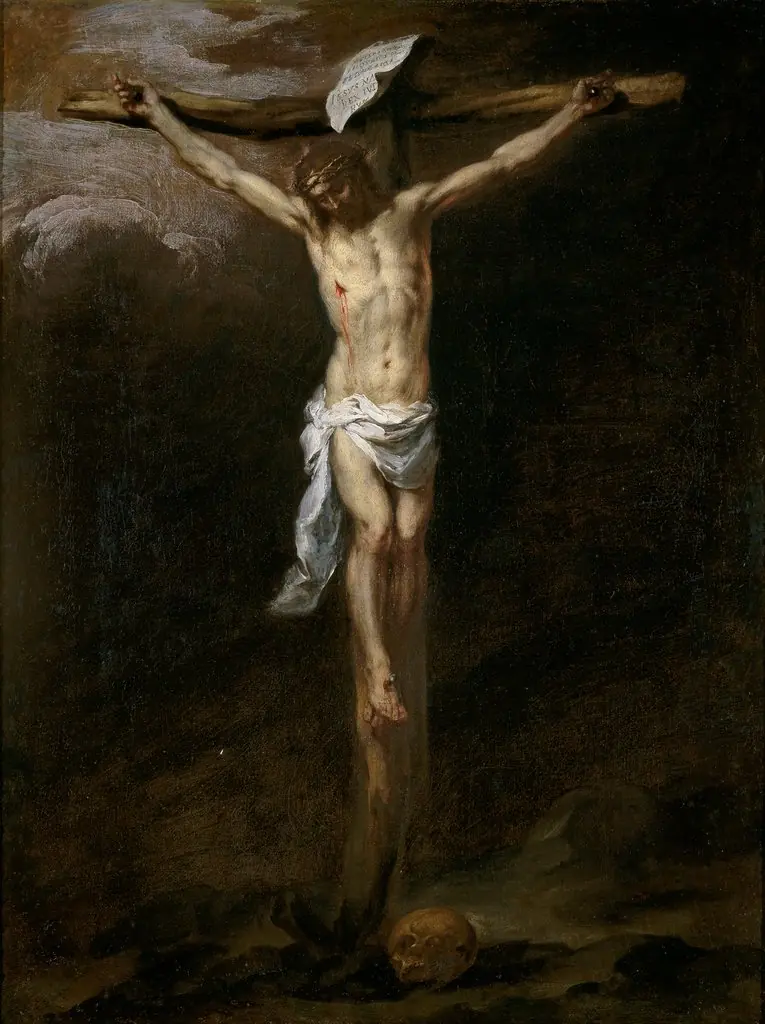
Christ Crucified is an oil painting by the Early Baroque Italian artist Diego Velázquez. It dates from 1632 and is held in the collection of the Museo del Prado.
About this work
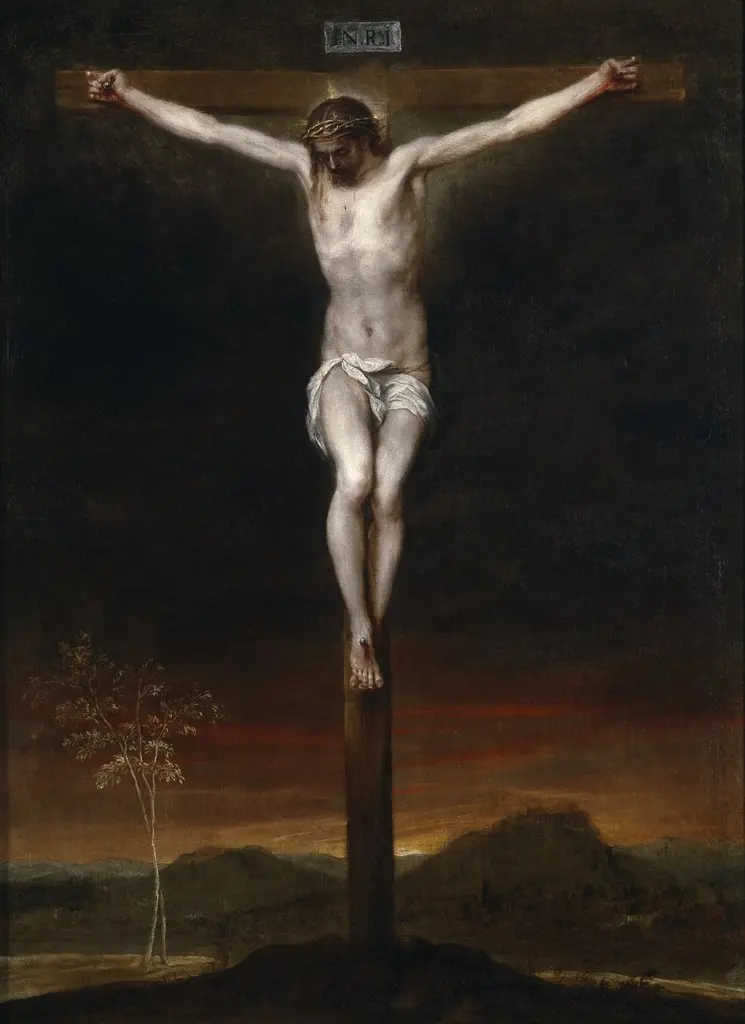
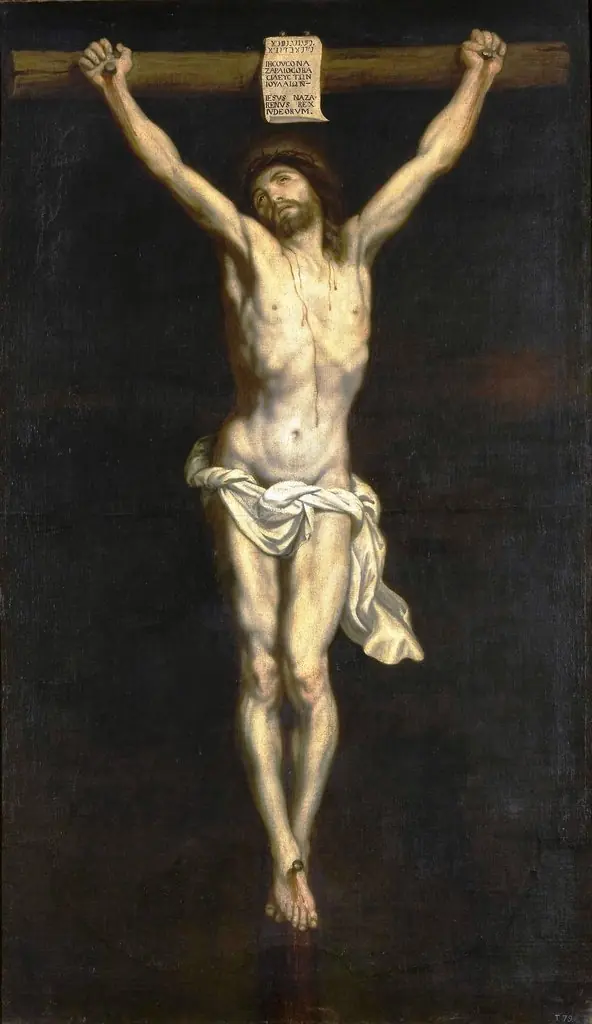
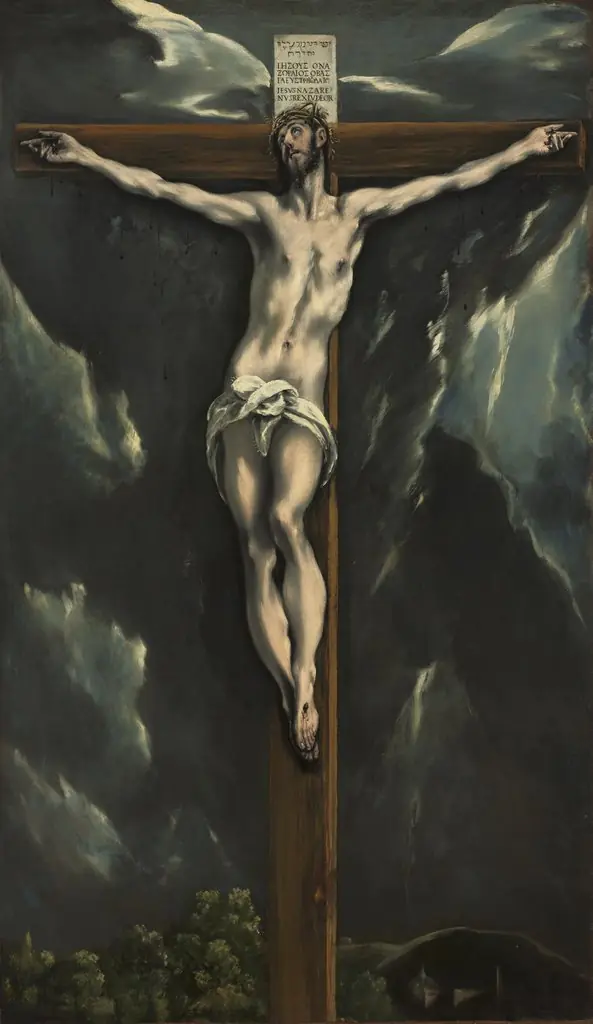
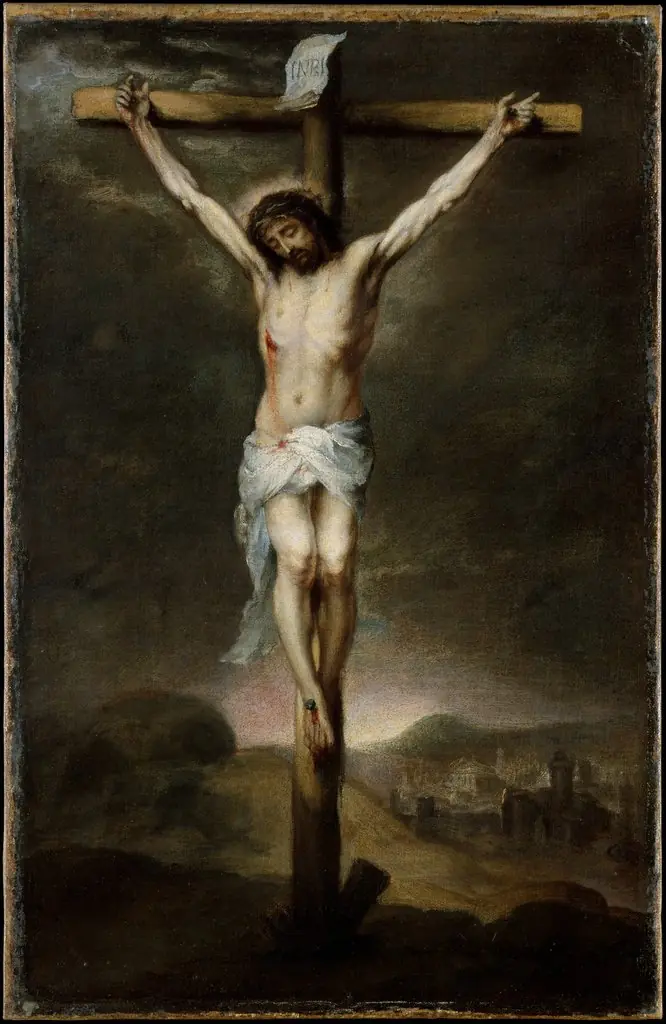
It presents only the figure of Christ on the cross, drawn with careful anatomical proportion.
Christ Crucified is an oil painting by Diego Velázquez, dated 1632. The work shows the Crucifixion of Jesus on a dark green background.
The piece was commissioned by the Benedictine nuns for the Convent of San Plácido in Madrid. It presents only the figure of Christ on the cross, drawn with careful anatomical proportion. Its composition is very simple, with no other figures.
You might also explore works at the Museo del Prado.
Overview
Diego Velázquez’s oil painting Christ Crucified, completed in 1632, portrays the crucifixion of Jesus on a stark, dark‑green field. The composition is singular, presenting only the nailed figure of Christ on the cross, rendered with precise anatomical accuracy. The work’s austere visual language has made it a central example of Spanish religious art, and it now hangs in Madrid’s Museo del Prado.
Subject & Meaning
The image focuses exclusively on the suffering Christ, omitting surrounding figures such as the Virgin, saints, or soldiers. By isolating the central figure, Velázquez emphasizes the physical and spiritual weight of the crucifixion, inviting contemplation of sacrifice and redemption without narrative distraction. The plain background reinforces a meditative atmosphere, directing the viewer’s attention to the body’s form and expression.
Technique & Style
Executed in oil on canvas, the painting employs a restrained palette dominated by muted greens and earth tones. Velázquez’s handling of light models the flesh with subtle chiaroscuro, while the anatomical rendering reflects his study of the human body. The lack of ornamentation and the smooth, almost seamless background illustrate a departure from the elaborate Baroque settings typical of the period.
History & Provenance
The work was commissioned by the Benedictine nuns of the Convent of San Plácido in Madrid, intended for a private chapel. After the convent’s suppression in the 19th century, the painting entered the national collection and was transferred to the Museo del Prado, where it has remained on public display.
Context
Created during Velázquez’s mature phase, the painting aligns with Counter‑Reformation demands for clear, devotional imagery. Its simplicity contrasts with the dramatic, multi‑figure crucifixion scenes popular in contemporary Italian art, reflecting a Spanish aesthetic that favored direct emotional impact and theological clarity.
Own this work as a print
Artist & collection
Artist
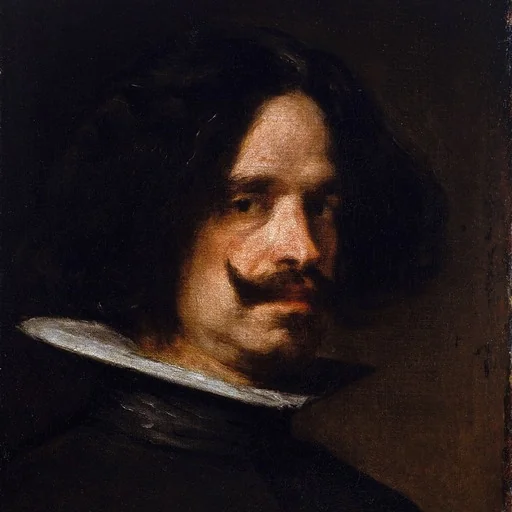
Diego Rodríguez de Silva y Velázquez was a Spanish Baroque painter, the leading artist in the court of King Philip IV of Spain and Portugal, and of the Spanish Golden Age.