Artwork
Philip IV as a Huntsman
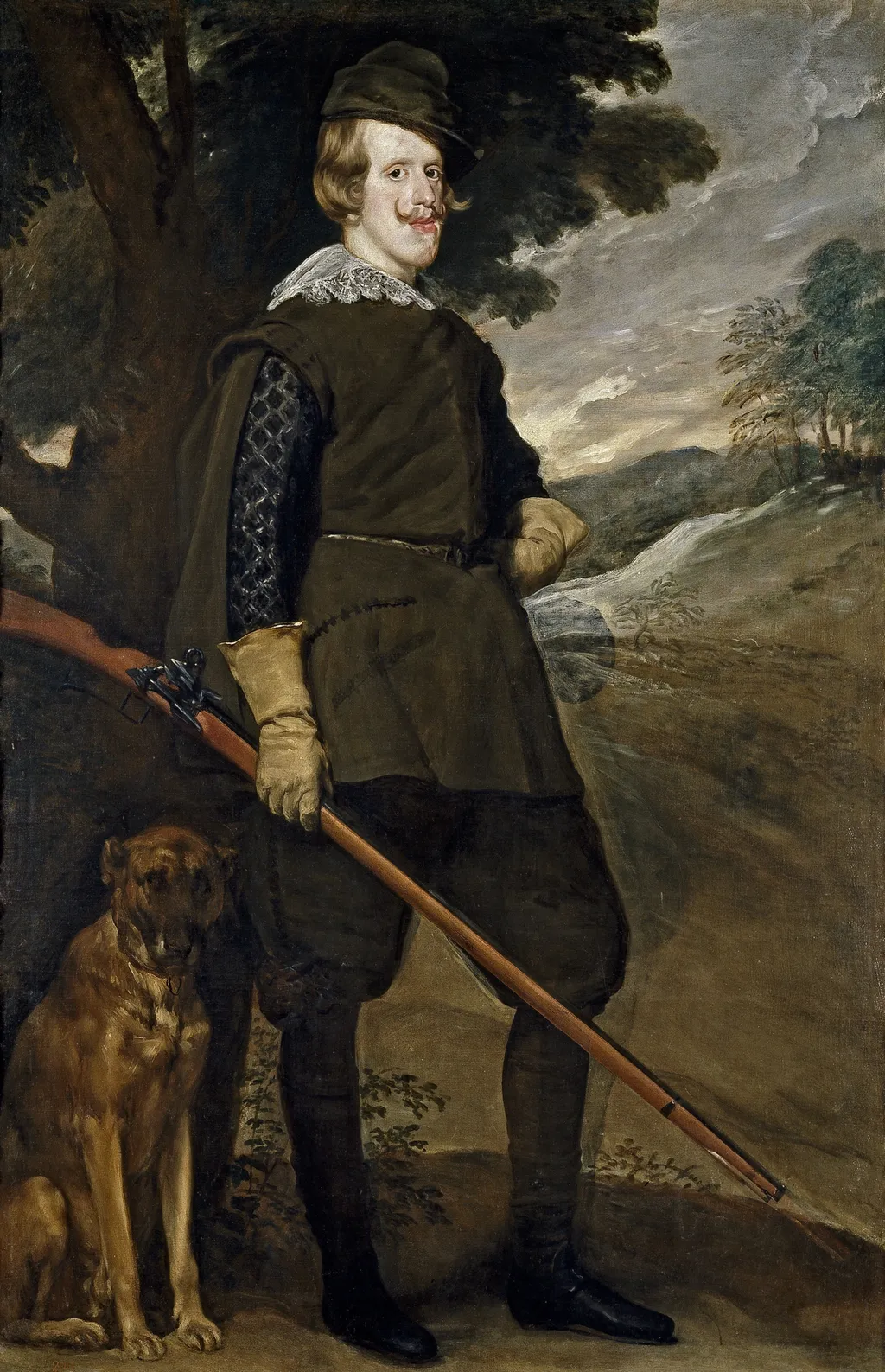
Philip IV as a Huntsman is an oil painting by the Early Baroque Italian artist Diego Velázquez. It dates from 1632 and is held in the collection of the Museo del Prado.
About this work
Overview
Diego Velázquez painted a portrait of the Spanish monarch Philip IV in 1632, presenting him in the role of a huntsman. Executed in oil on canvas, the work is part of the collection of the Museo del Prado in Madrid.
Subject & Meaning
The king is shown in full hunting dress, holding a shotgun and accompanied by a dog, suggesting his participation in aristocratic sport. The composition emphasizes the monarch’s connection to the countryside and the traditional pastime of hunting as a symbol of noble authority.
Technique & Style
Velázquez employs chiaroscuro to model the figure, using contrasts of light and shadow to give the king a three‑dimensional presence against a muted landscape. The subdued palette and careful rendering of textures—fabric, metal, and fur—reflect the painter’s mature realism.
History & Provenance
Created during Velázquez’s mature period at the Spanish court, the portrait remained in royal collections before being transferred to the national museum. It has been on display at the Prado since the museum’s establishment, where it is catalogued among the artist’s royal portraits.
Context
The painting belongs to a series of works that depict Philip IV in various roles, reinforcing the image of a ruler who embodies both political power and the virtues of the hunt. It reflects the 17th‑century Spanish court’s emphasis on projecting regal dignity through everyday activities.
Own this work as a print
Artist & collection
Artist
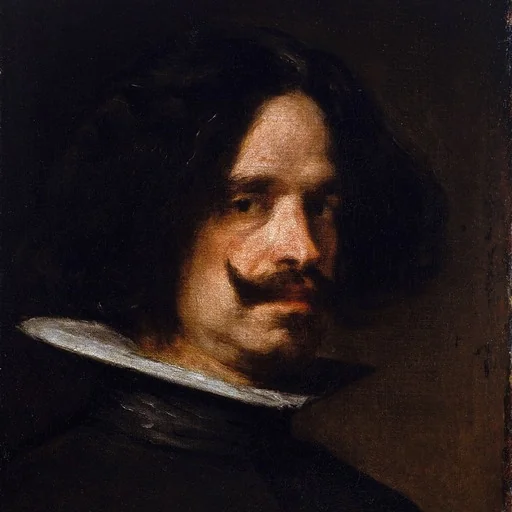
Diego Rodríguez de Silva y Velázquez was a Spanish Baroque painter, the leading artist in the court of King Philip IV of Spain and Portugal, and of the Spanish Golden Age.