Artwork
Philip IV, King of Spain
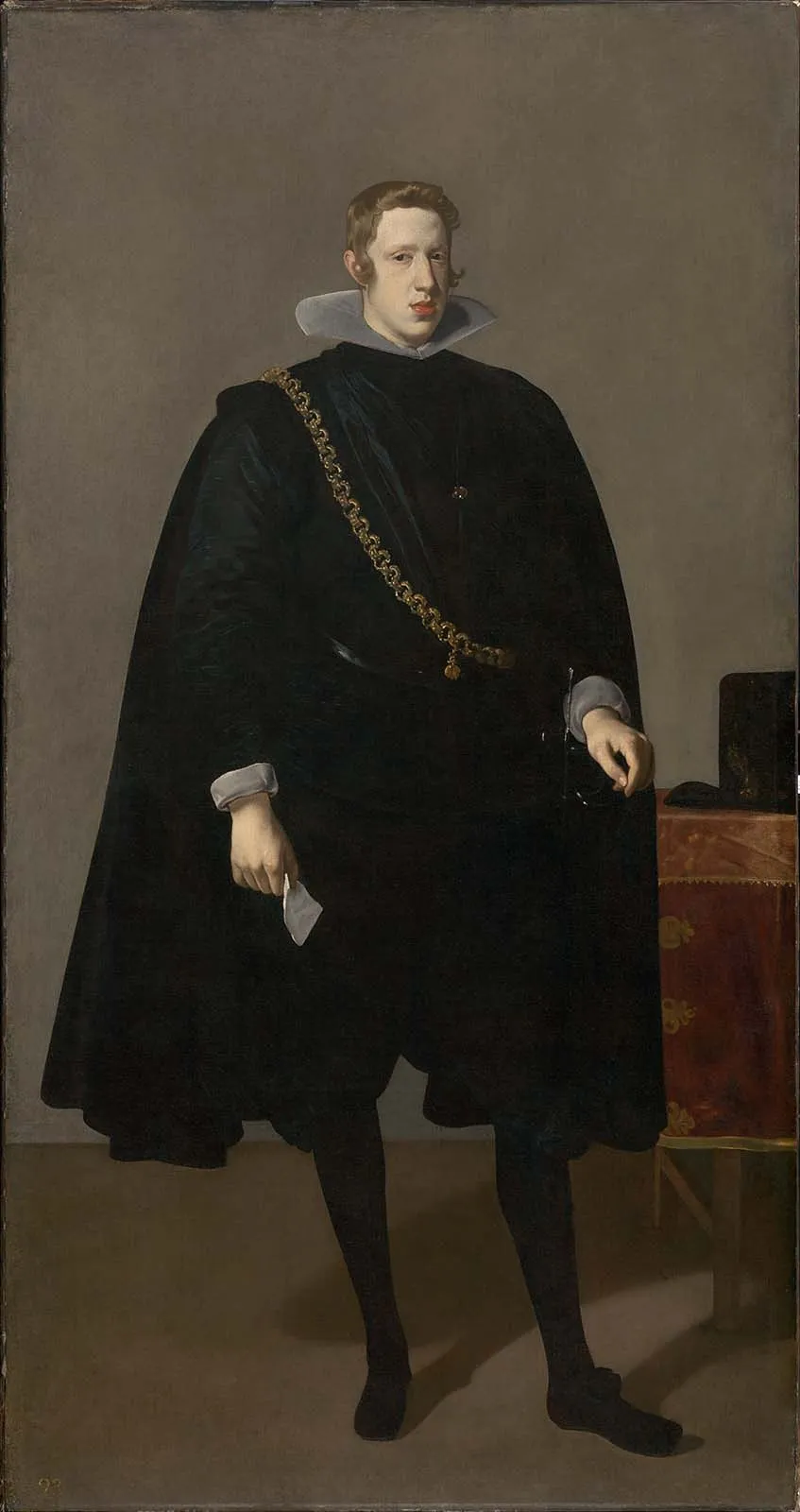
Philip IV, King of Spain is an oil painting by the Early Baroque Italian artist Diego Velázquez. It dates from 1624 and is held in the collection of the Museum of Fine Arts Boston.
About this work
Overview
This oil painting, created by Diego Velázquez in 1624, is a portrait of Philip IV, King of Spain. It is part of the collection at the Museum of Fine Arts, Boston.
Subject & Meaning
The portrait depicts Philip IV with a somber expression, conveying an air of solemnity. His attire, including a long black robe, wide cape, stiff white collar, and gold chain, signifies his royal status. The folded paper and small object in his hands may imply engagement with affairs of state.
Technique & Style
Velázquez employs chiaroscuro to achieve a three-dimensional effect, with pronounced contrasts between light and dark accentuating the subject's face and robe. The plain, dark background focuses attention on the king, while the subtle suggestion of furniture on the right adds depth.
History & Provenance
Created in 1624, the painting's history prior to its current location at the Museum of Fine Arts, Boston, is not detailed here, highlighting the need for further research on its provenance.
Context
As a royal portrait from the early 17th century, it reflects the artistic and political climate of Spain during Philip IV's reign, with Velázquez's style influencing the representation of royalty.
Legacy
This portrait demonstrates Velázquez's mastery of capturing the essence of his sitters, contributing to his reputation as a leading figure in Spanish Golden Age painting and the broader European artistic tradition.
Artist & collection
Artist
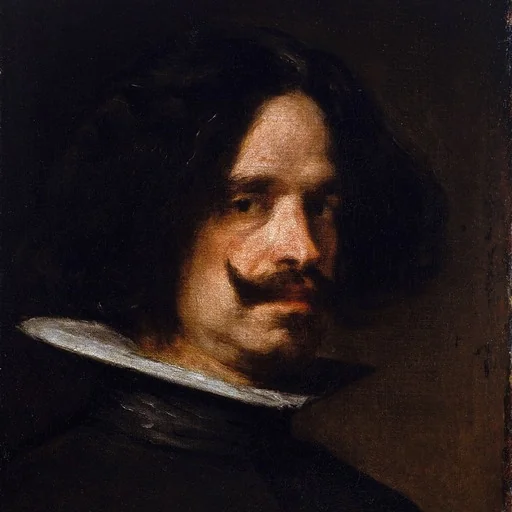
Diego Rodríguez de Silva y Velázquez was a Spanish Baroque painter, the leading artist in the court of King Philip IV of Spain and Portugal, and of the Spanish Golden Age.

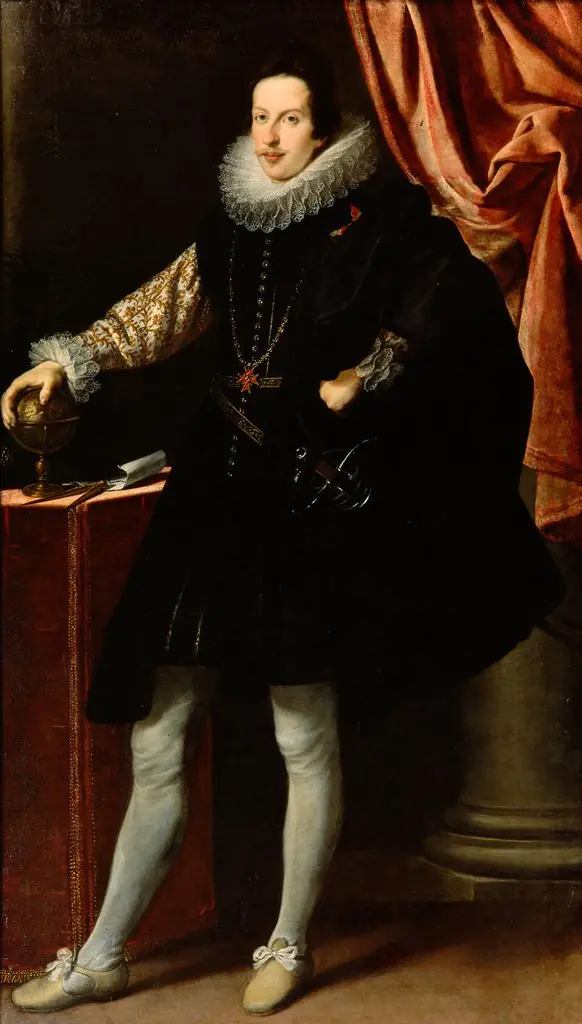 Portrait of Cosimo II de' Medici, Grand Duke of Tuscany
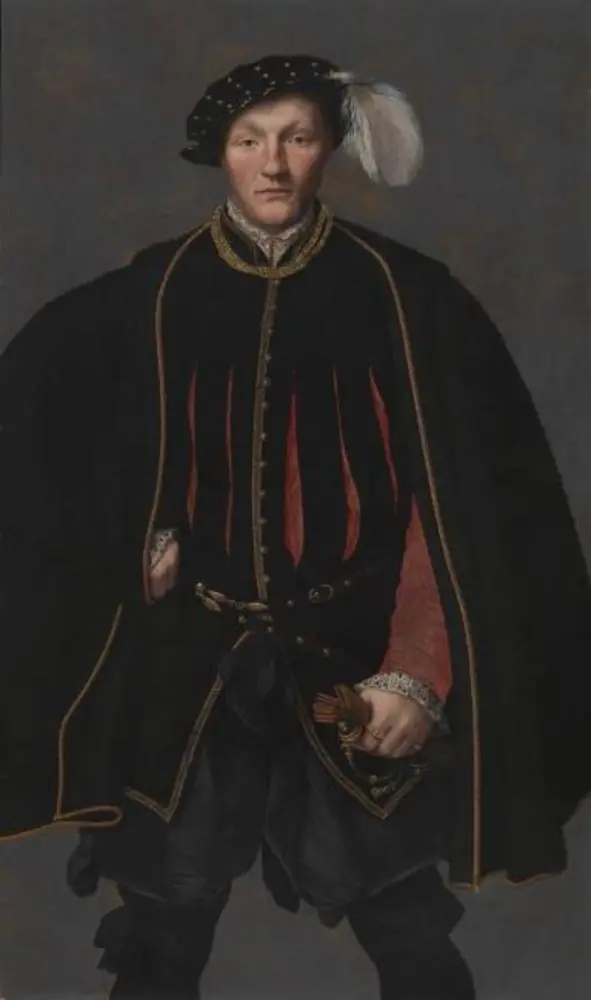 Portrait of a Gentleman, probably of the West Family
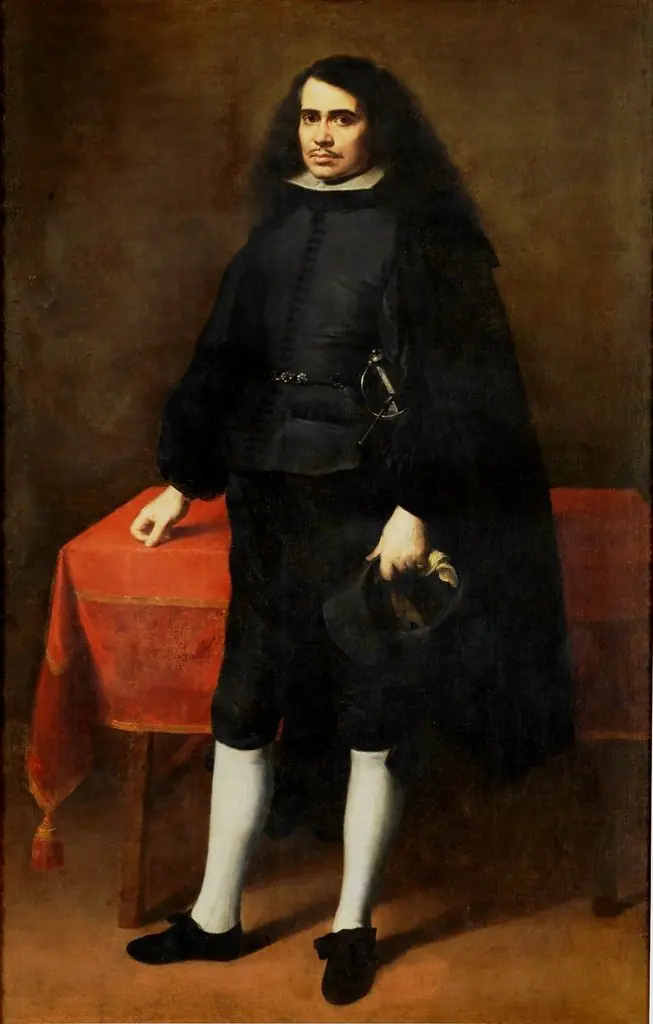 Portrait of a Man
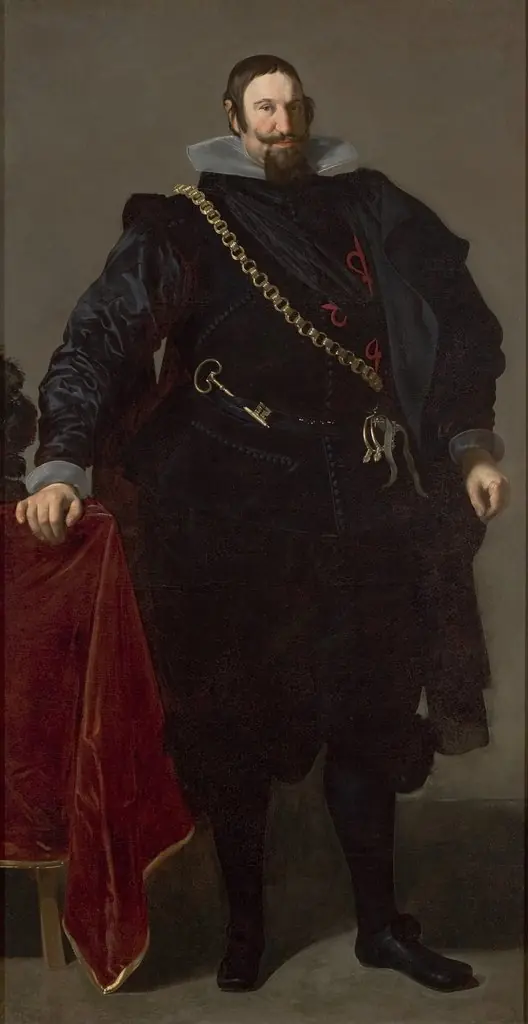 Portrait of the Count-Duke of Olivares
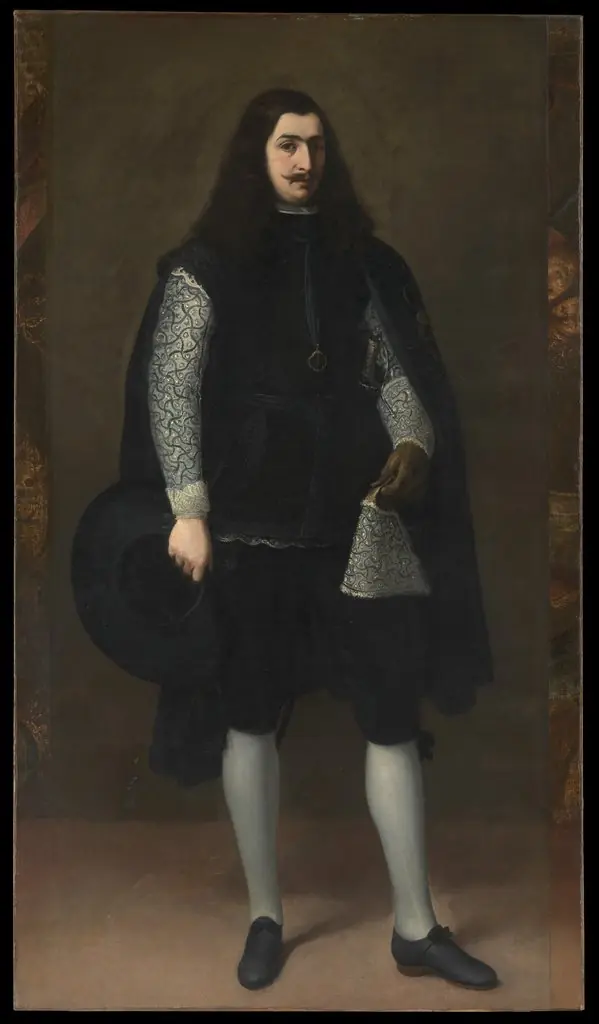 A Knight of Alcántara or Calatrava
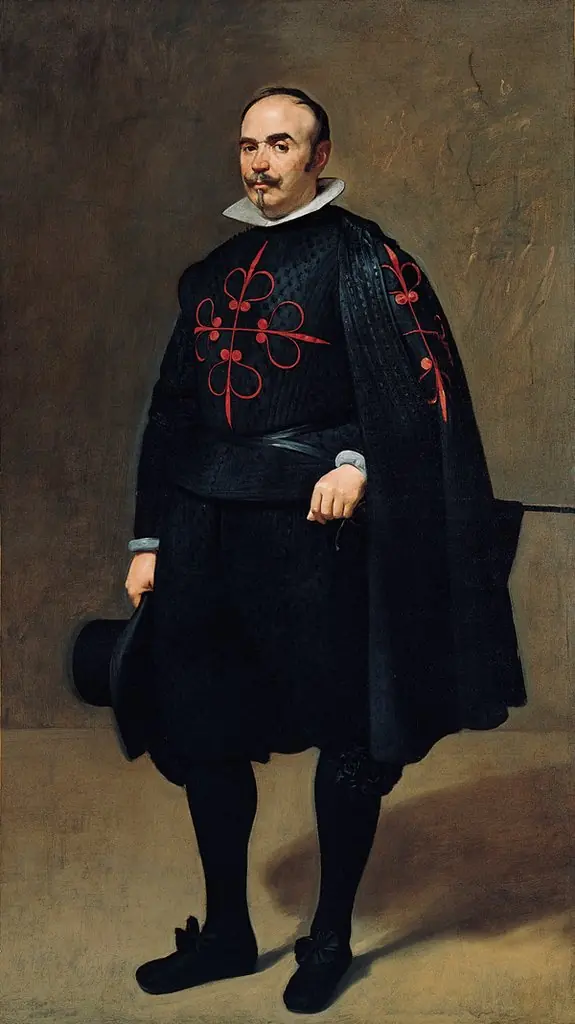 Portrait of Don Pedro de Barberana
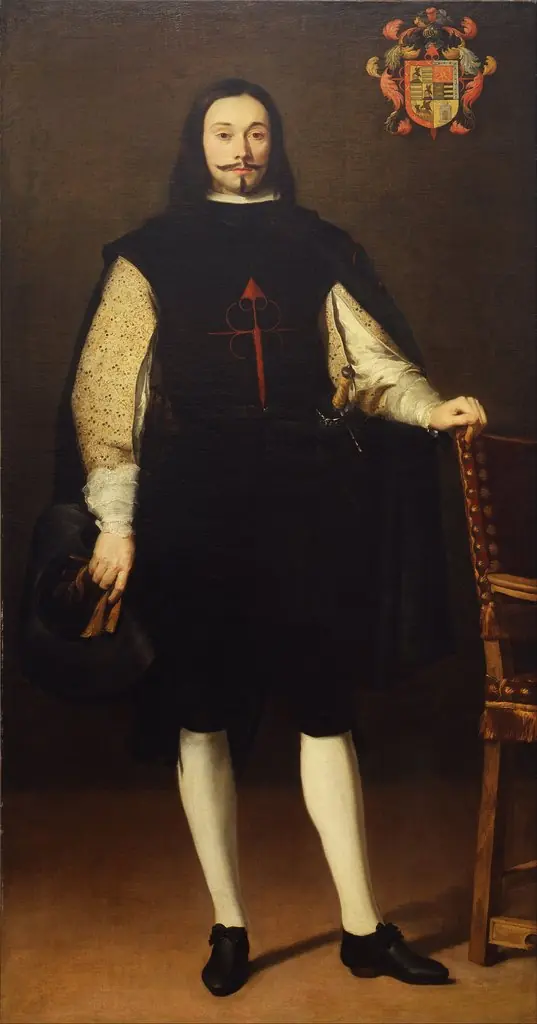 Portrait of Don Diego Felix de Esquivel y Aldama
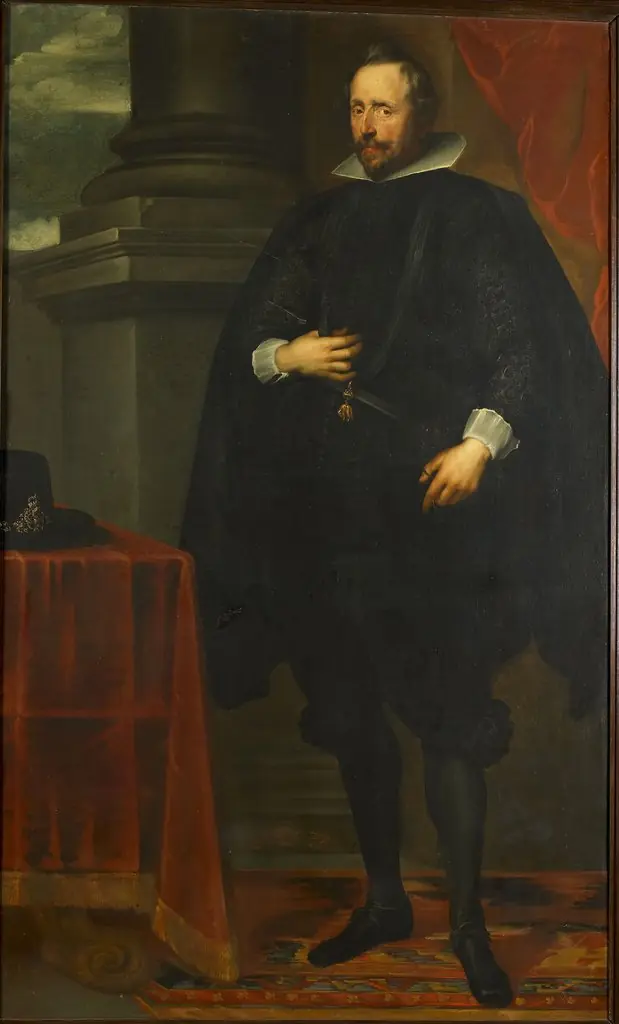 Portrait of Wolfgang Wilhelm, Count Palatine of Neuburg
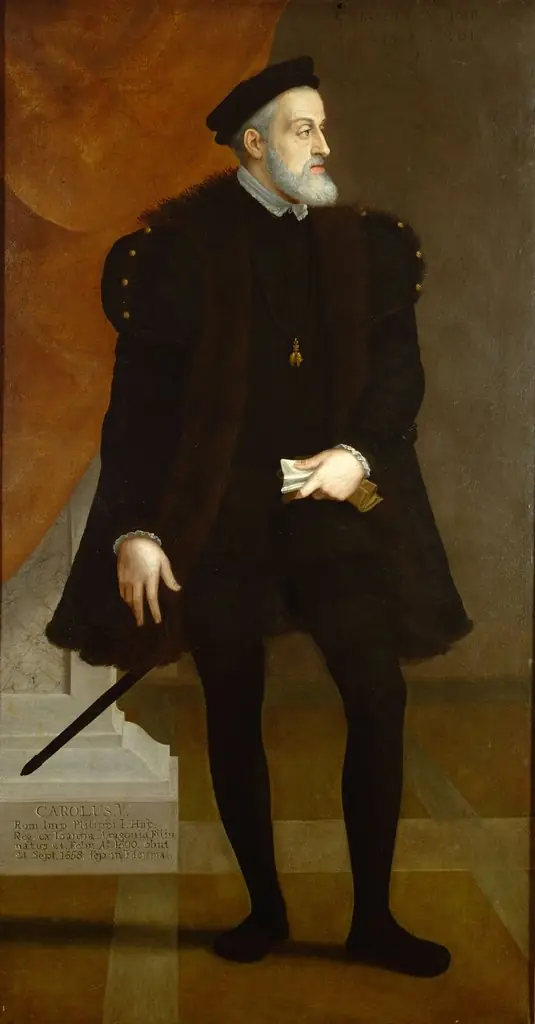 Kaiser Karl V. (1500-1558) als Fünfzigjähriger in ganzer Figur