Artwork
Portrait of Prince Philip Prospero
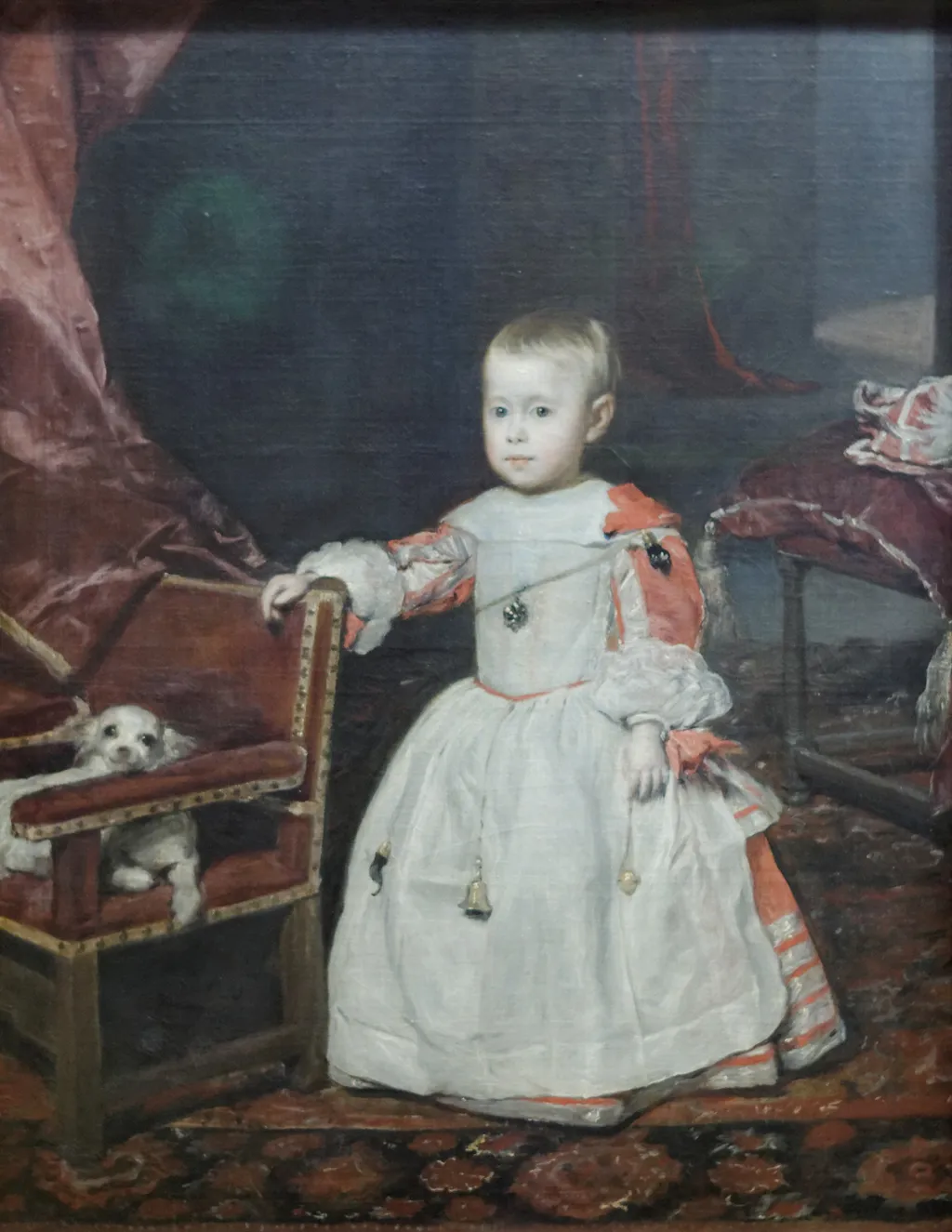
Portrait of Prince Philip Prospero is an oil painting by the Baroque artist Diego Velázquez. It dates from 1659 and is held in the collection of the Kunsthistorisches Museum.
About this work
This painting shows Prince Philip Prospero at age four. Diego Velázquez painted it in 1659. The boy wears rich clothes. It’s an oil painting meant to mark his royal future.
Prince Philip Prospero was the only surviving son of Spain’s King Philip IV. Sadly, he died the year this portrait was finished.
If you like Velázquez, look up his full-length portrait of Pope Innocent X.
Overview
Diego Velázquez’s 1659 oil on canvas depicts the four‑year‑old Prince Philip Prospero, heir to the Spanish throne. The young boy is presented in sumptuous attire, his posture dignified despite his youth. The work resides in Vienna’s Kunsthistorisches Museum, where it remains a key example of mid‑seventeenth‑century court portraiture.
Subject & Meaning
The portrait captures Philip Prospero, the sole surviving son of King Philip IV, at a moment when his future as Prince of Asturias was being formally acknowledged. The lavish clothing and composed expression convey both his royal status and the expectations placed upon him as the anticipated successor to the Spanish crown.
Technique & Style
Executed in oil, Velázquez employs a restrained palette and subtle chiaroscuro to model the boy’s features, allowing the intricate textures of his garments to stand out. The brushwork balances fine detail in the fabric with broader, more fluid strokes in the background, a hallmark of Velázquez’s mature style that emphasizes realism within a formal setting.
History & Provenance
Completed in the same year the prince died, the painting entered the Habsburg collection and eventually became part of the Kunsthistorisches Museum’s holdings in Vienna. Its provenance reflects the movement of Spanish royal artworks into Central European collections during the 18th and 19th centuries.
Context
The portrait was created during a period of political and personal turmoil for the Spanish monarchy, marked by the loss of heirs and ongoing wars. Velázquez, court painter to Philip IV, was tasked with producing images that reinforced dynastic continuity, even as the young prince’s health was precarious.
Artist & collection
Artist
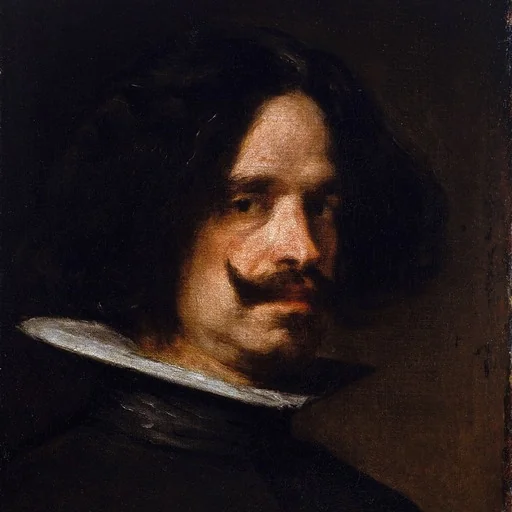
Diego Rodríguez de Silva y Velázquez was a Spanish Baroque painter, the leading artist in the court of King Philip IV of Spain and Portugal, and of the Spanish Golden Age.

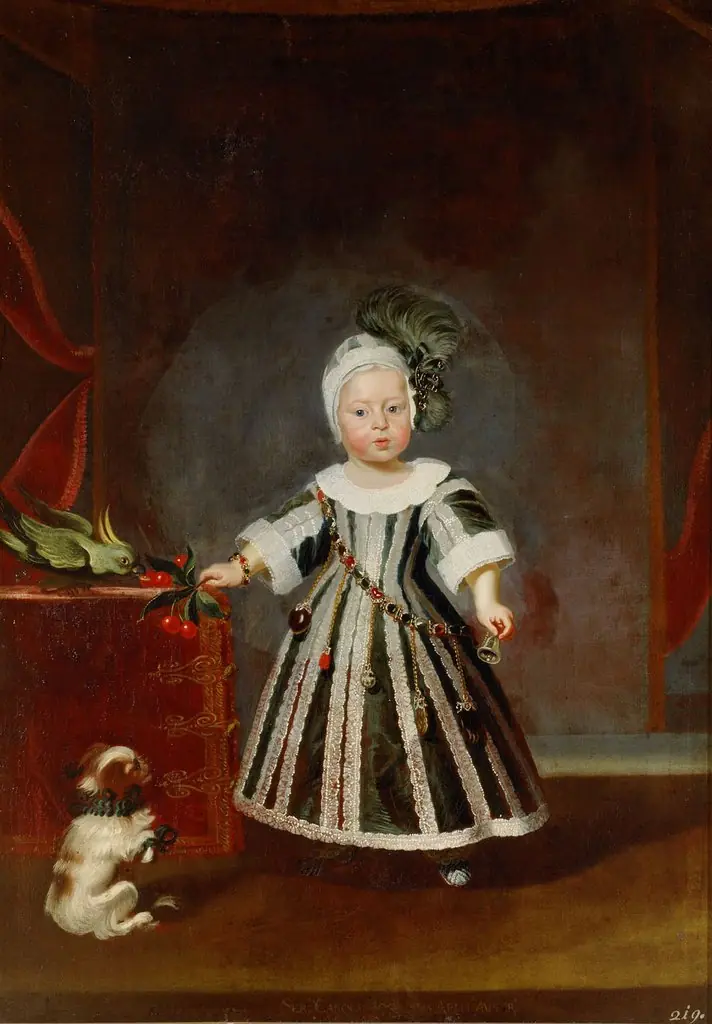 Portrait of Charles Joseph, Archduke of Austria (1745-1761)
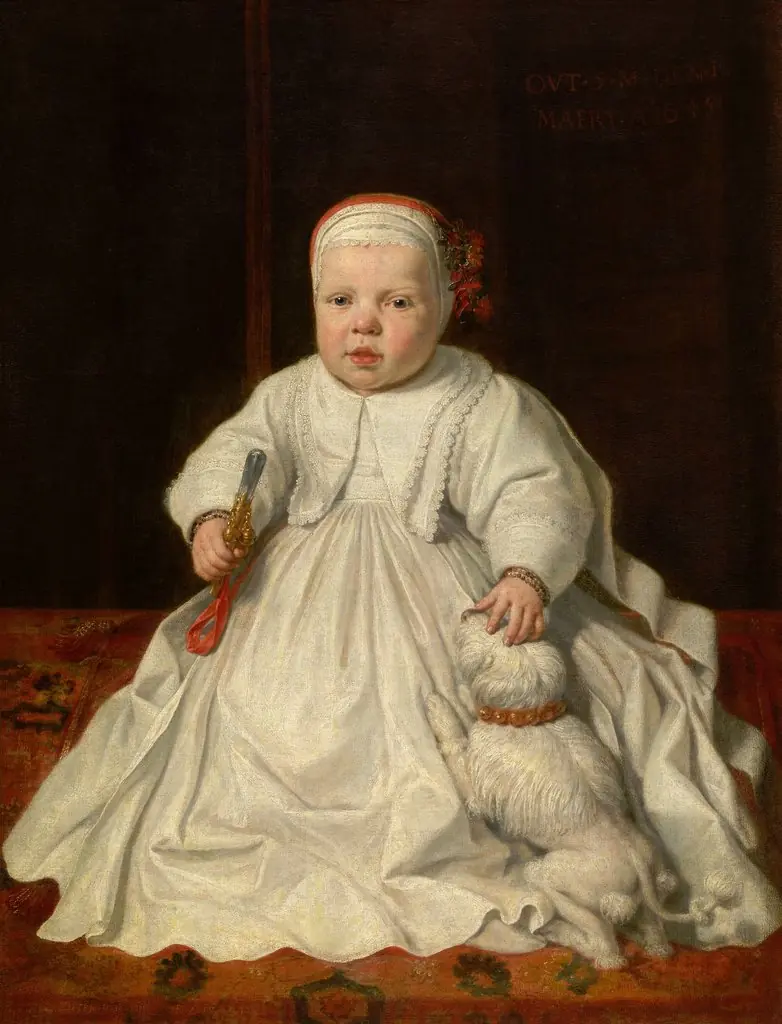 Portrait of a Girl
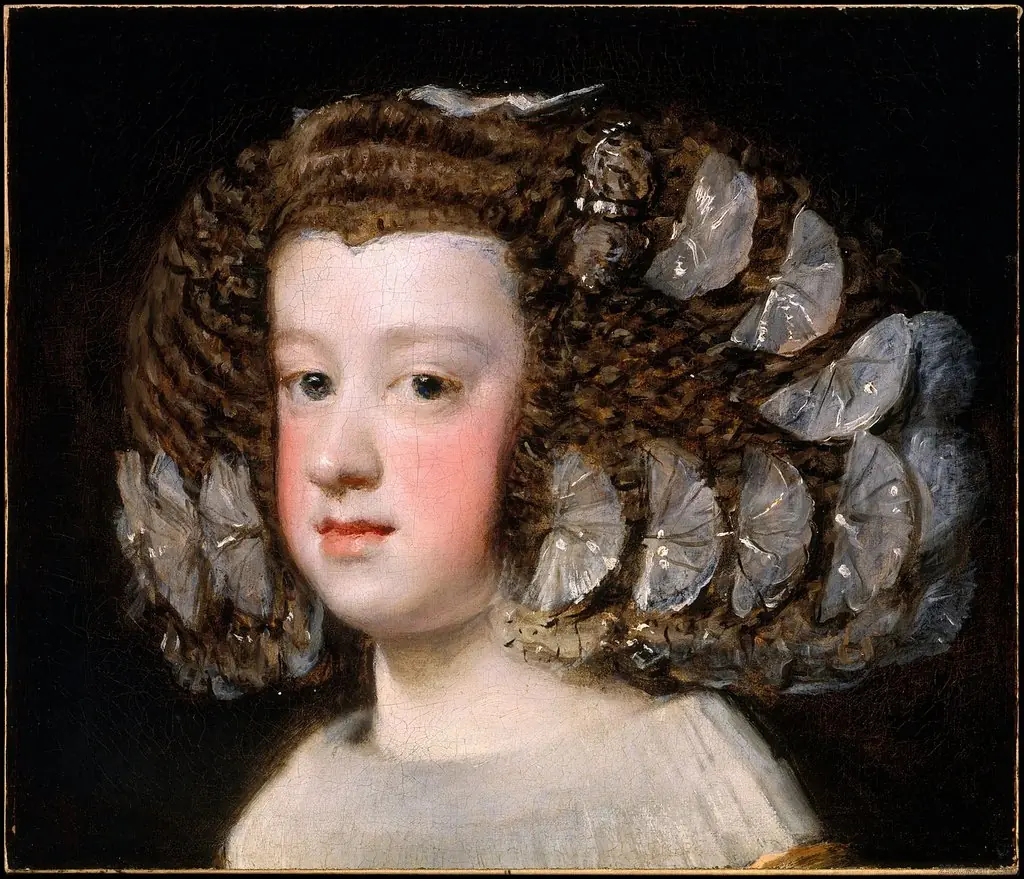
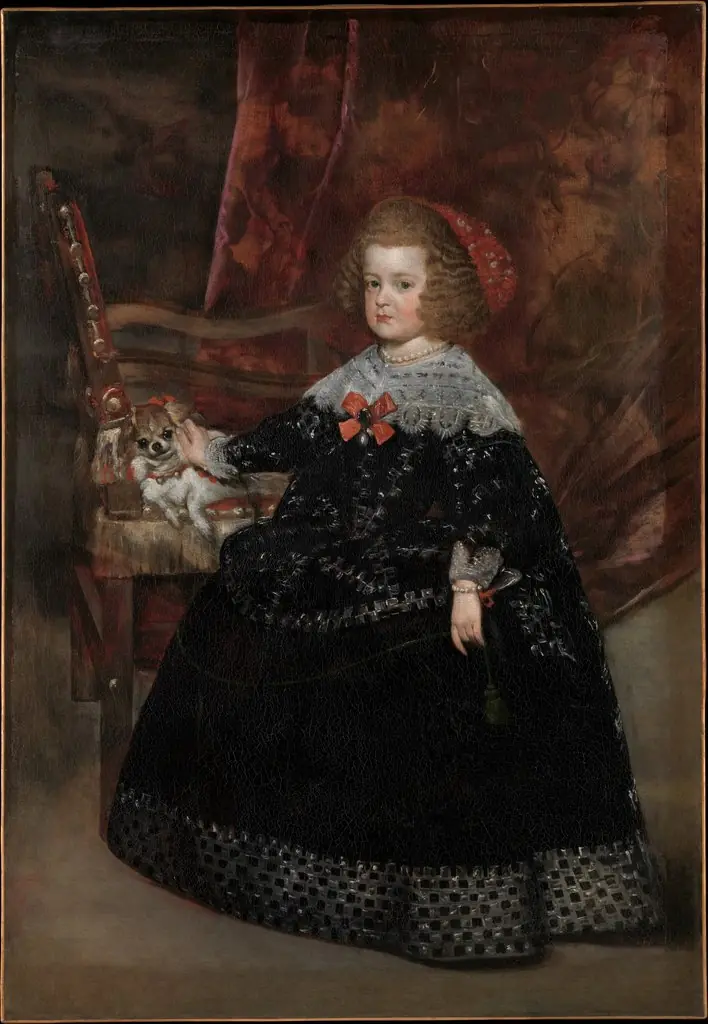 María Teresa (1638–1683), Infanta of Spain
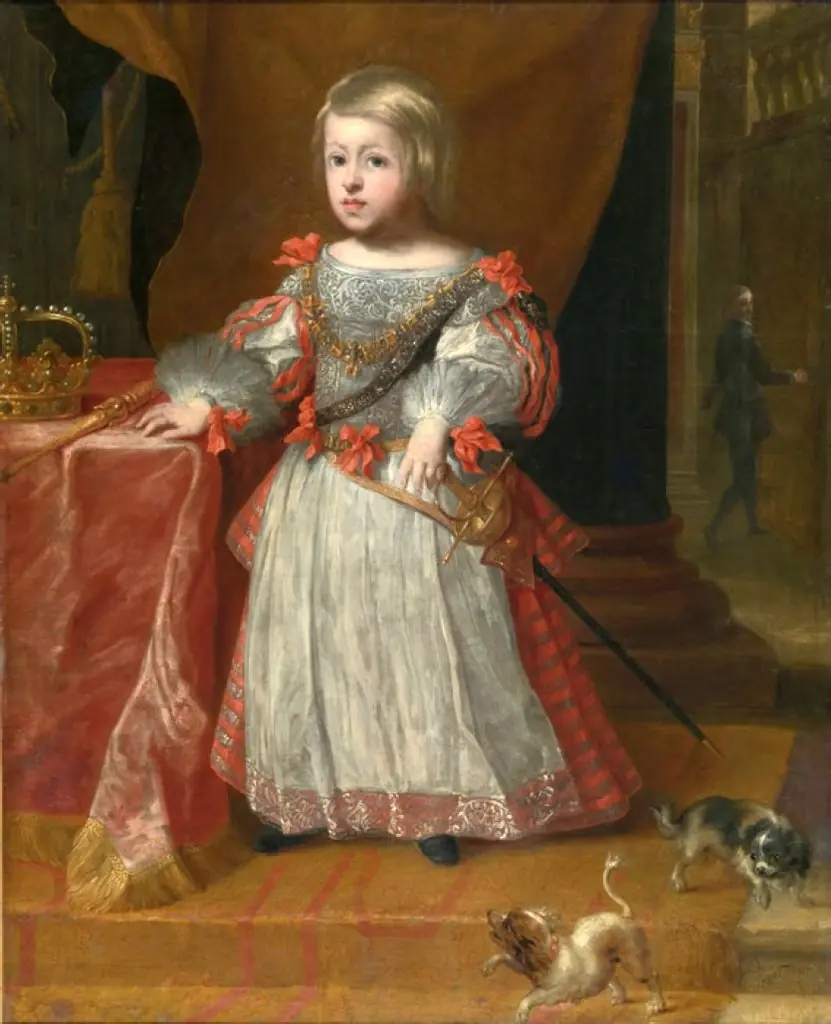 Childhood portrait of Charles II of Spain
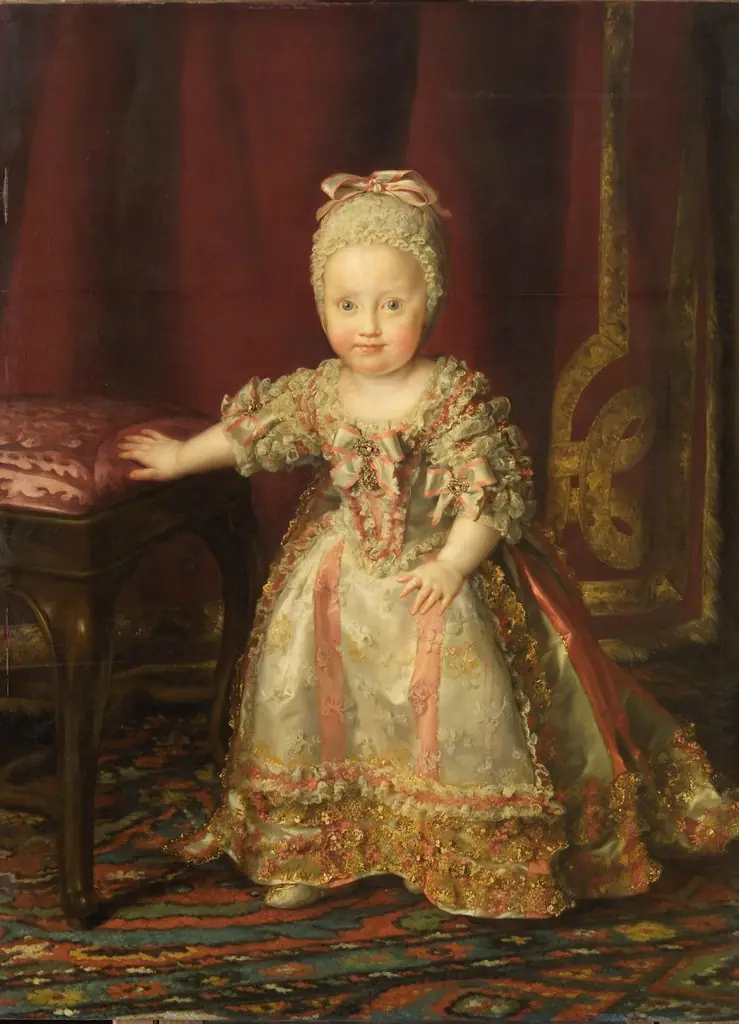 Infantin Maria Theresa von Neapel (1772-1807)
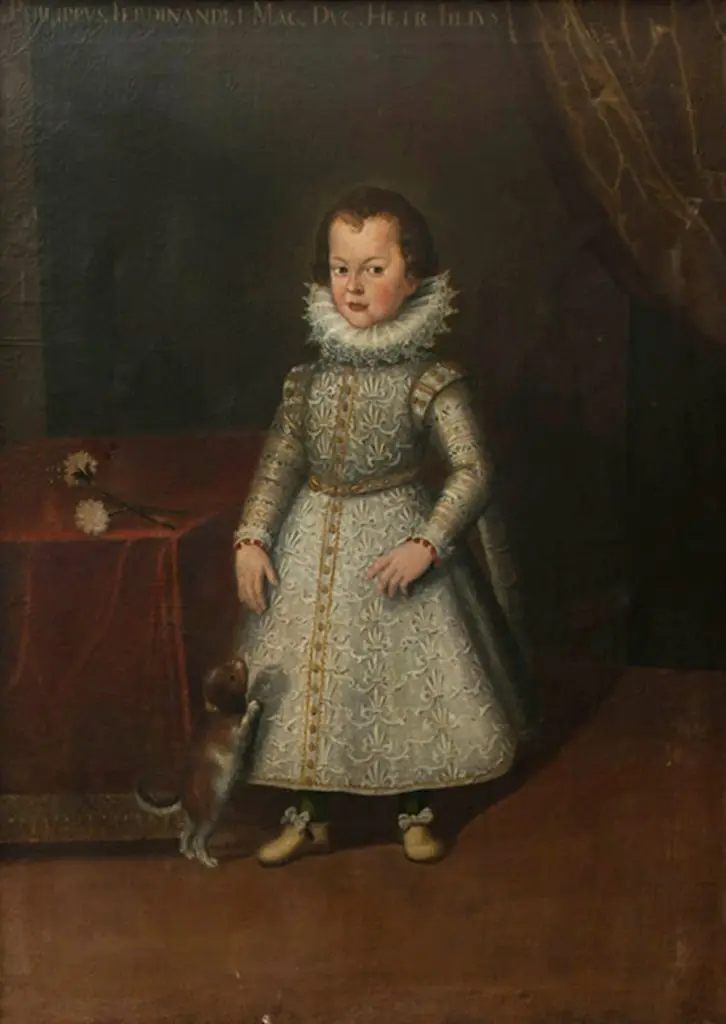 Kinderbildnis des Philipp, Sohn des Großherzogs Ferdinand I. von Toskana
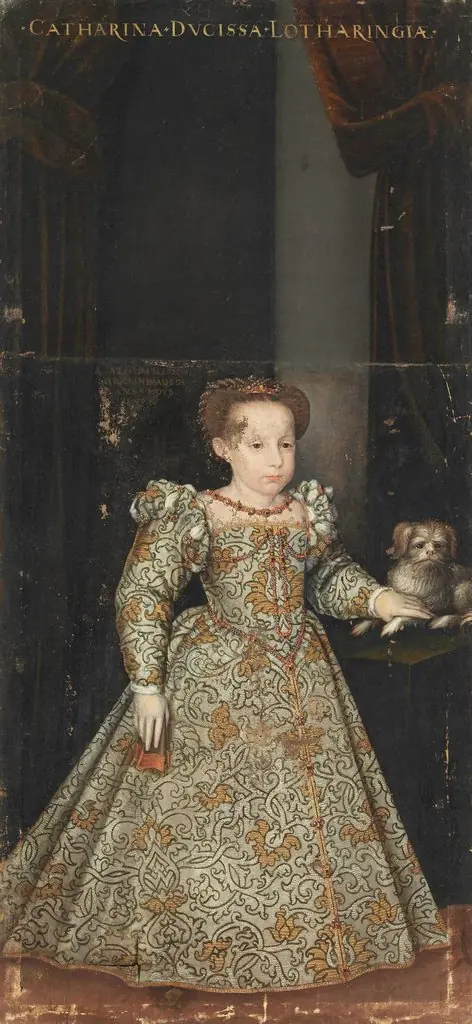 Katharina, Tochter Karls III. von Lothringen (1573-1648)
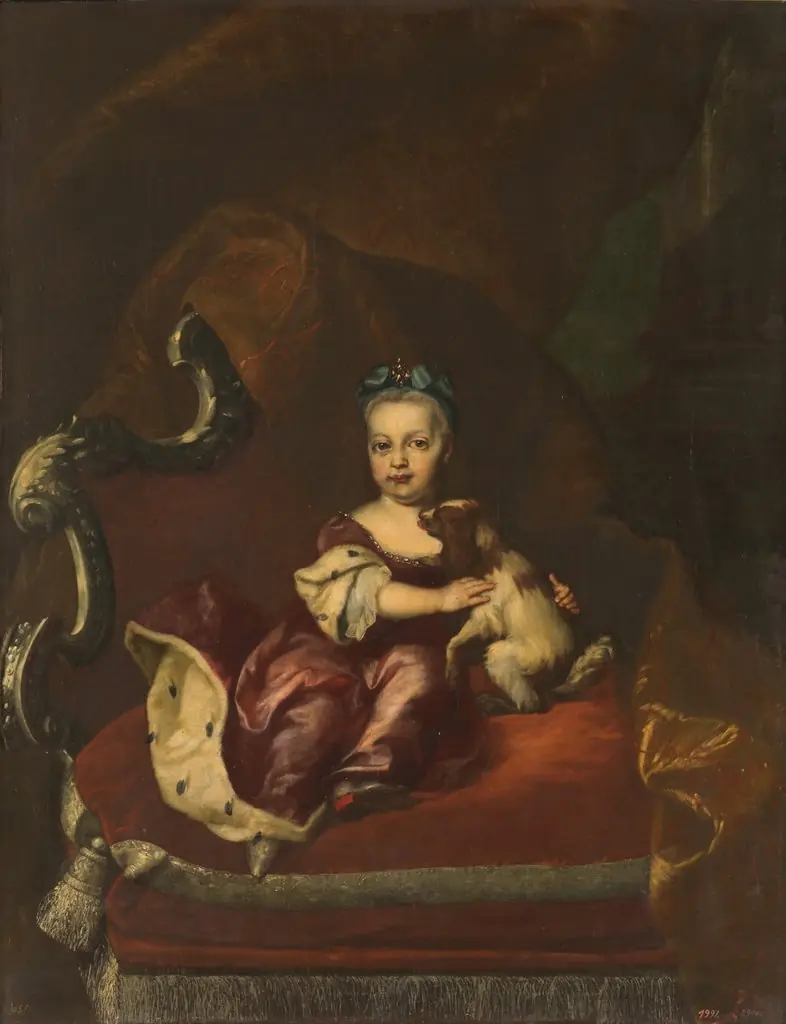 María Amalia de Habsburgo archiduquesa de Austria
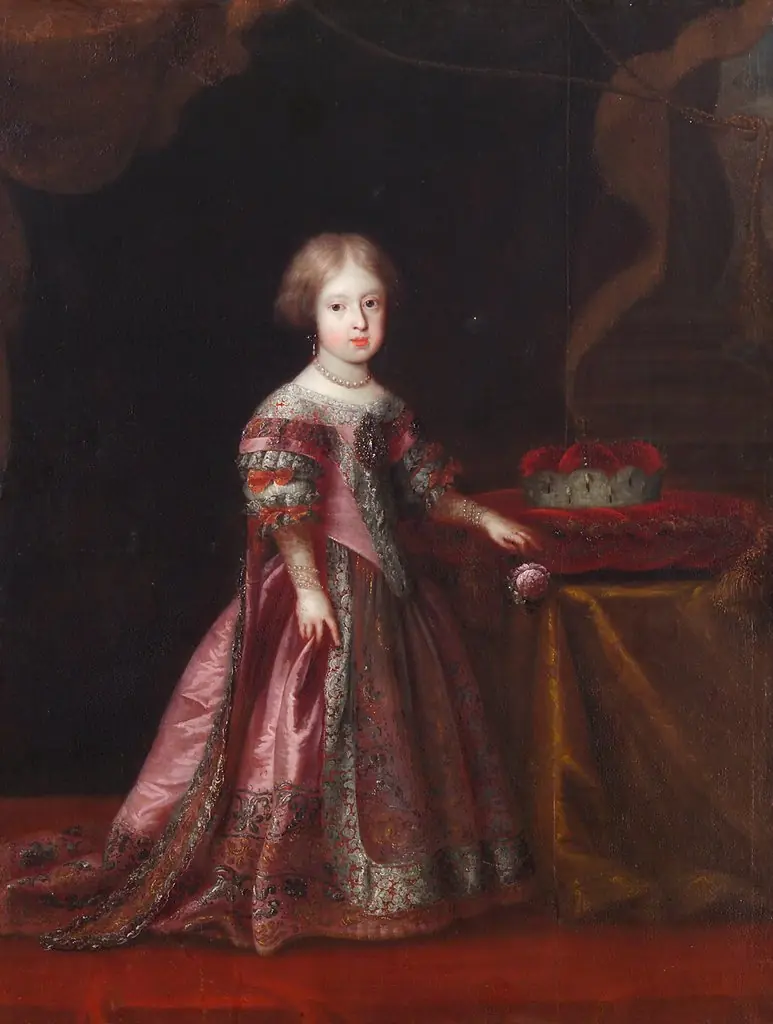 Erzherzogin Maria Elisabeth (1680-1741) im Alter von ca. vier Jahren
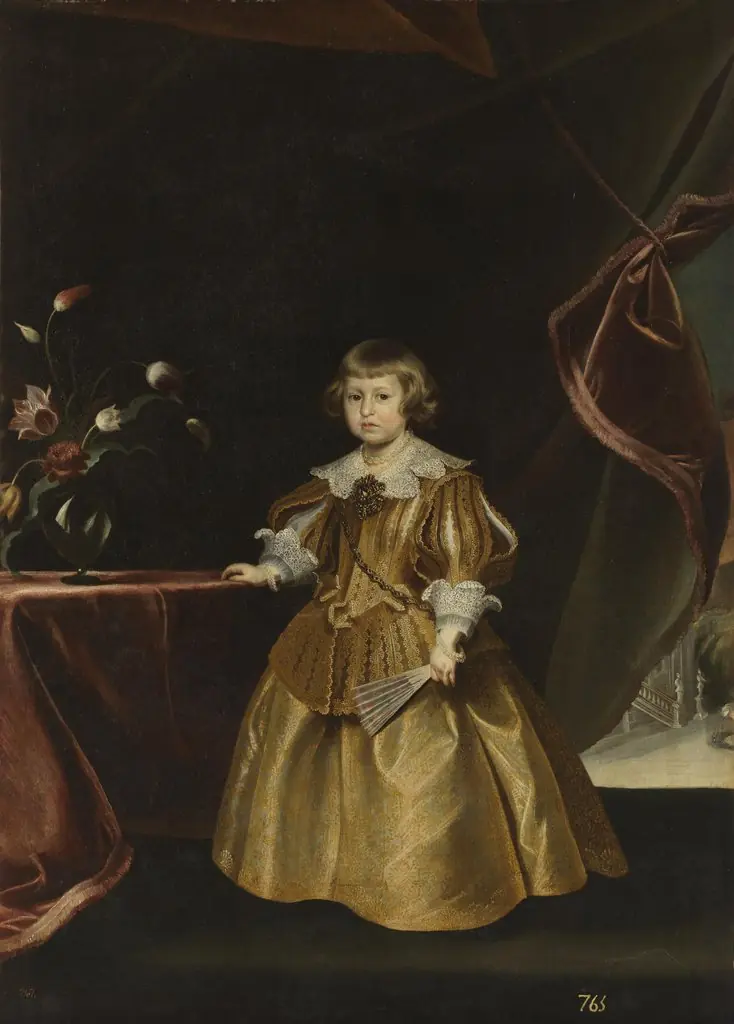 Portrait of an infanta
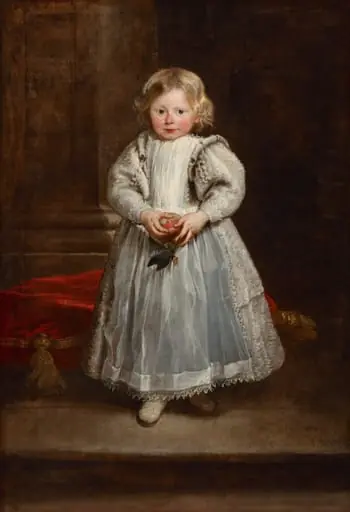 Maddalena Cattaneo
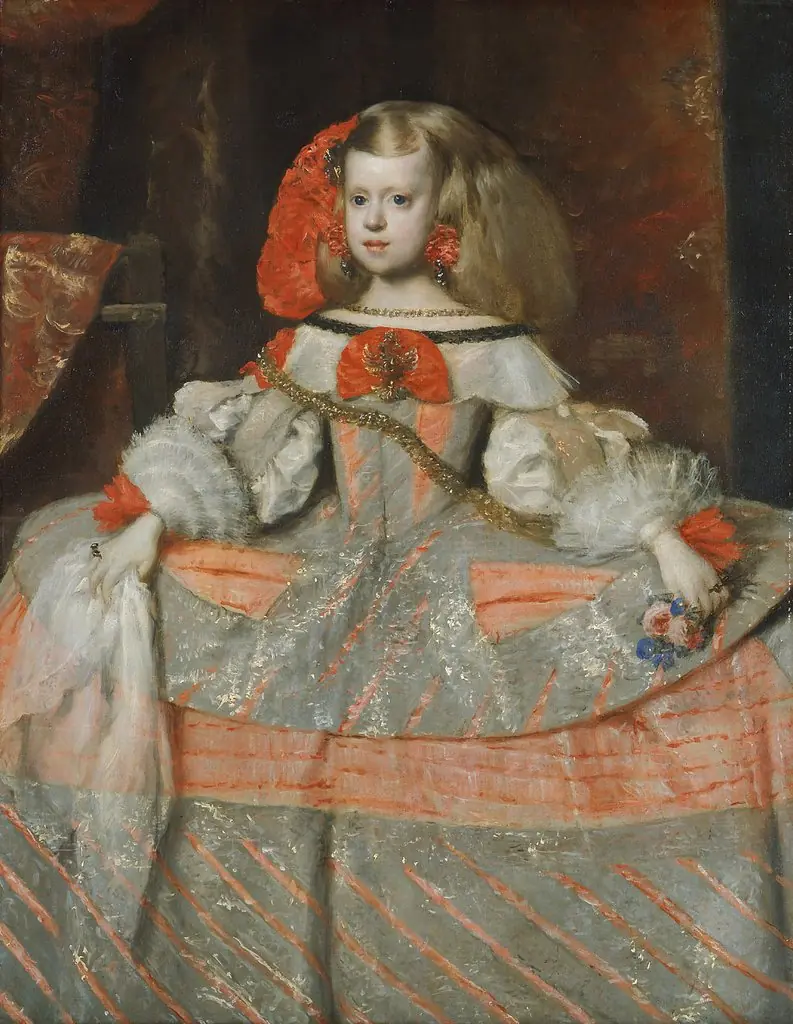 Infanta Margarita Teresa (1651-1673)