Artwork
Saint John the Baptist in the Wilderness
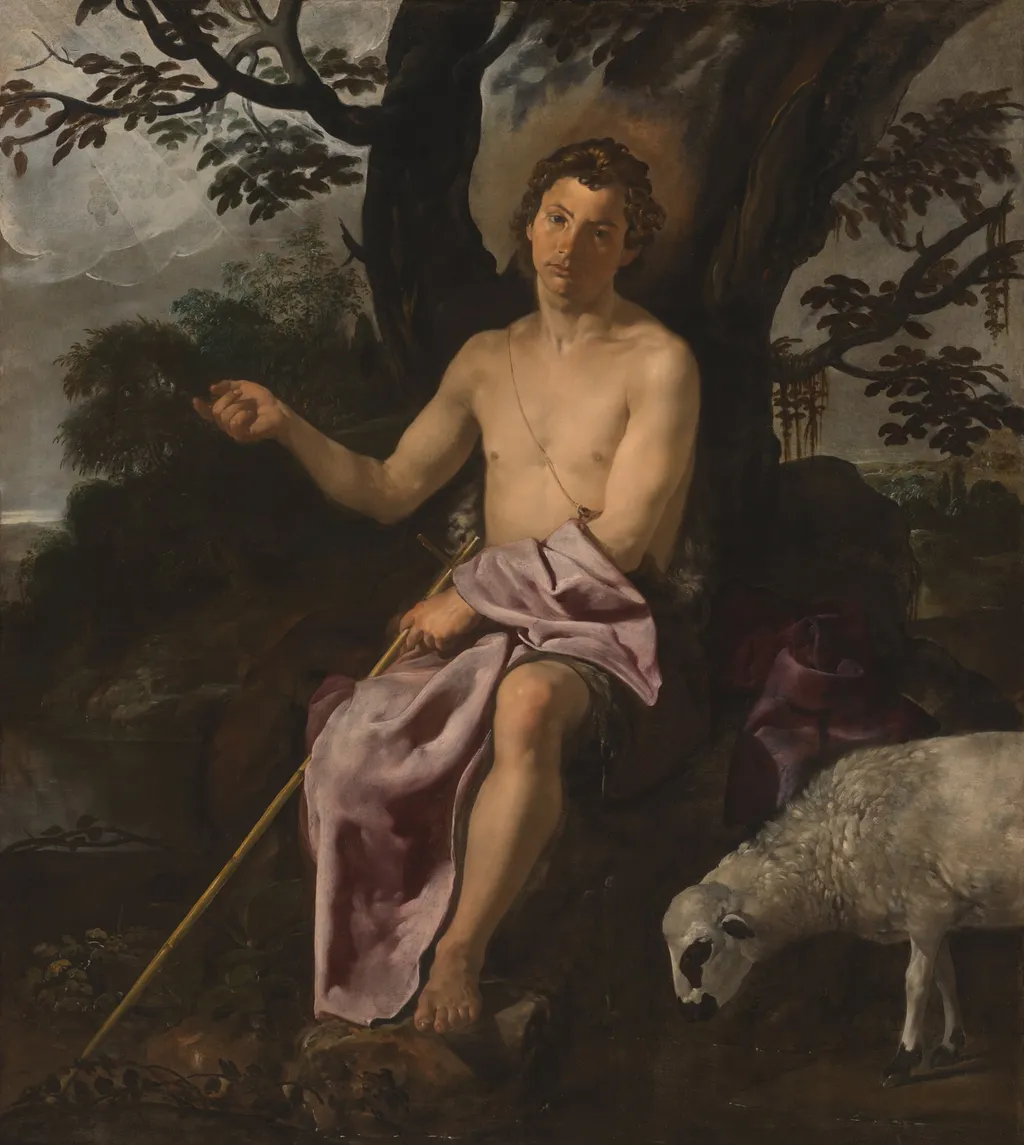
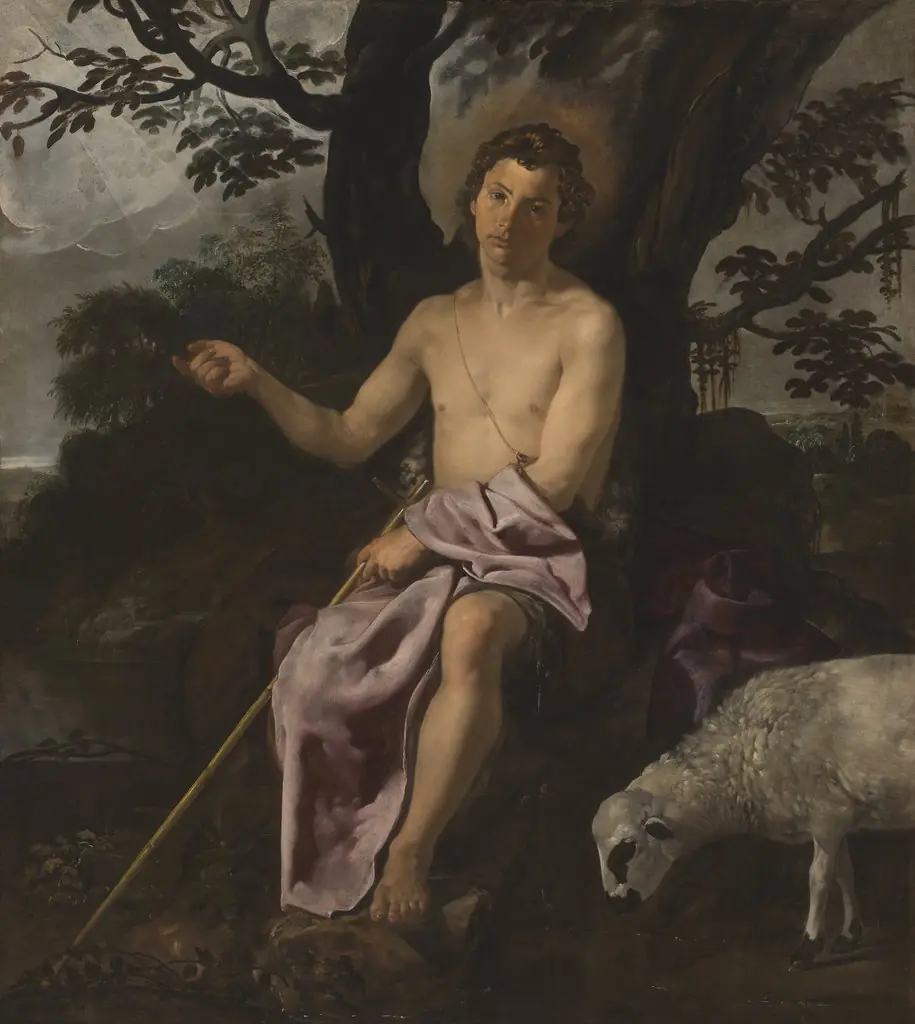
Saint John the Baptist in the Wilderness is an oil painting by the Baroque artist Diego Velázquez. It dates from 1622 and is held in the collection of the Art Institute of Chicago. This oil on canvas painting portrays Saint John the Baptist as a youthful hermit in a barren landscape.
About this work
Overview
Once attributed to an anonymous Sevillian painter, it is now identified as an early work by Diego Velázquez, likely created around 1620–1622.
This oil on canvas painting portrays Saint John the Baptist as a youthful hermit in a barren landscape. Once attributed to an anonymous Sevillian painter, it is now identified as an early work by Diego Velázquez, likely created around 1620–1622. The composition centers on the figure seated alone on a rock, holding a reed cross and gesturing upward, with a lamb resting nearby. Its subdued palette and tender lighting distinguish it from Velázquez’s later, more robust naturalism.
Subject & Meaning
The figure embodies John the Baptist’s prophetic role as described in the Gospels. The reed cross symbolizes his ascetic life, while the lamb alludes to his declaration of Christ as the 'Lamb of God.' His upward gaze and pointing hand direct attention toward divine revelation, not earthly presence. The solitude of the wilderness setting reinforces his separation from society and spiritual preparation for the coming of Christ, aligning with traditional iconography of the period.
Technique & Style
Velázquez employs a soft chiaroscuro to model the saint’s form, with gentle transitions between light and shadow that soften the figure’s contours. Unlike his earlier, more direct realism, this work shows a more idealized treatment of anatomy and drapery, suggesting influence from Italian Renaissance models seen in Madrid’s royal collection. The red robe is rendered with subtle tonal variations, avoiding harsh outlines, creating a quiet, contemplative mood.
History & Provenance
The painting was long considered the work of an unidentified Sevillian artist. Technical analysis and stylistic comparison in the late 20th century led scholars to reattribute it to Velázquez, based on its proximity in time to his early Seville period and its alignment with his evolving approach after his first trip to Madrid. Its movement into royal and later institutional collections reflects its gradual recognition as a significant early work by the artist.
Context
Painted during Velázquez’s transition from Seville to the Spanish court, this work reflects his exposure to Italian art in the royal collection, particularly the idealized figures of Raphael and Titian. The shift from the gritty realism of his Seville paintings toward a more lyrical, classical mode signals his engagement with broader European trends. The subject matter also aligns with Counter-Reformation devotional imagery, favored by Spanish patrons seeking spiritually resonant subjects.
Legacy
This painting stands as a key indicator of Velázquez’s artistic development, bridging his early naturalism and later mastery of psychological depth and atmospheric light. It demonstrates how exposure to Italian art influenced his handling of form and emotion without abandoning his foundational observational rigor. As one of his earliest surviving religious works, it offers insight into the formative years of an artist who would redefine Spanish painting.
Own this work as a print
Artist & collection
Artist
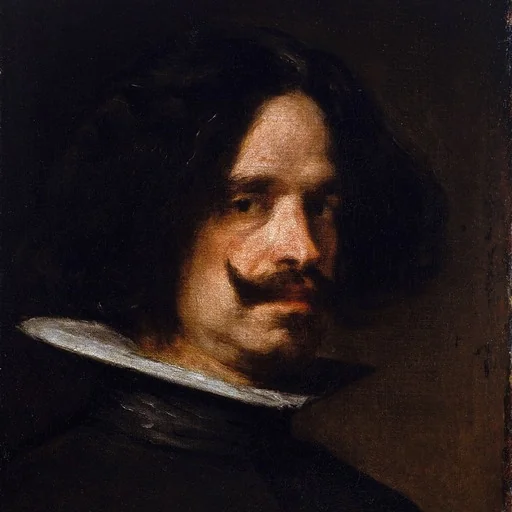
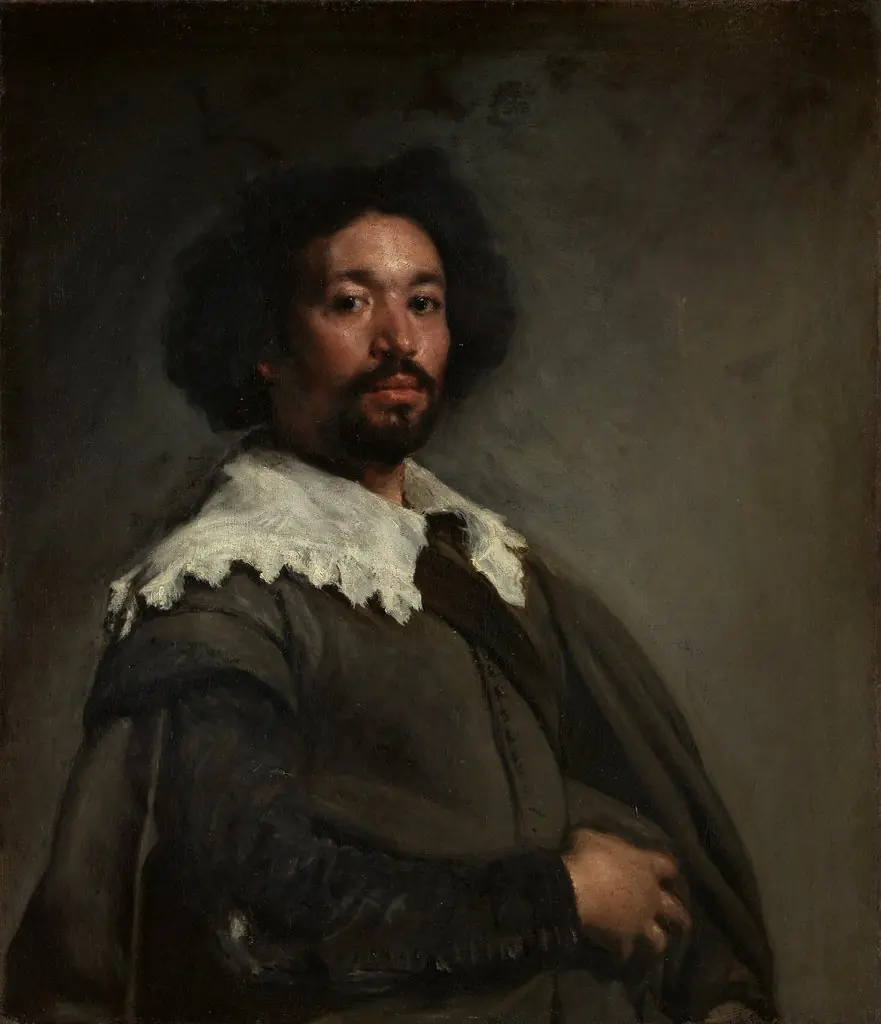
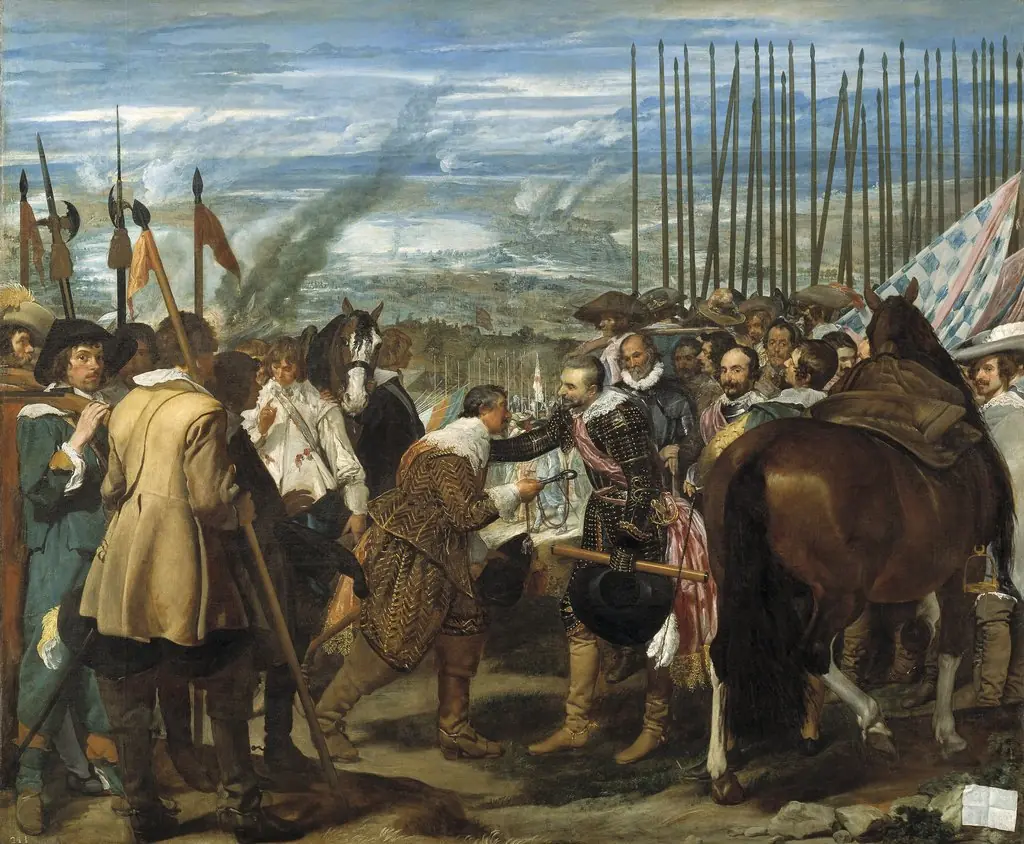
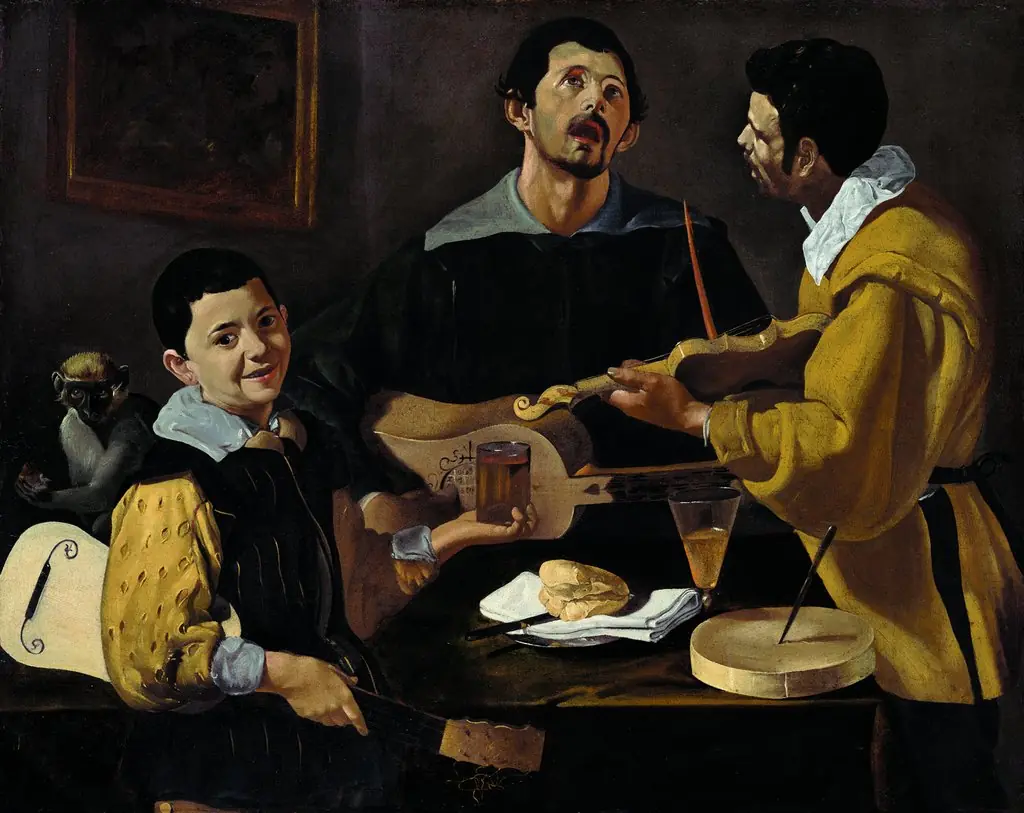
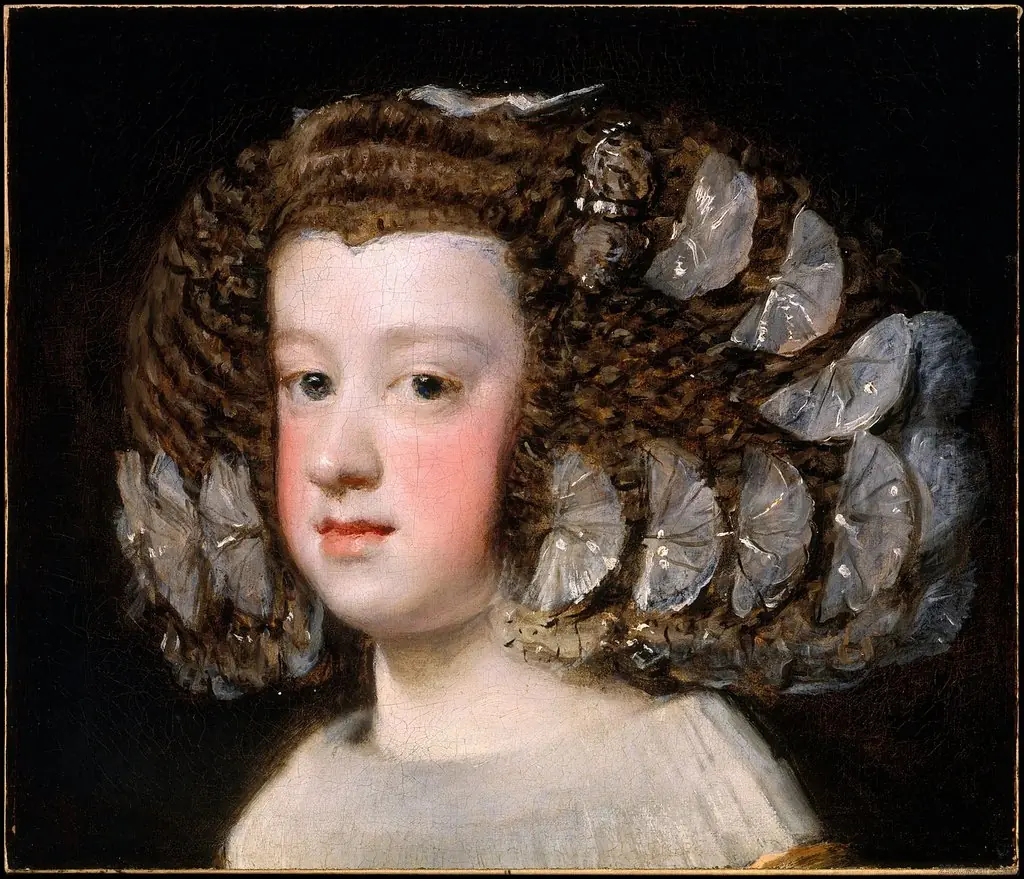
Diego Rodríguez de Silva y Velázquez was a Spanish Baroque painter, the leading artist in the court of King Philip IV of Spain and Portugal, and of the Spanish Golden Age.

 Saint John the Baptist in the Wilderness
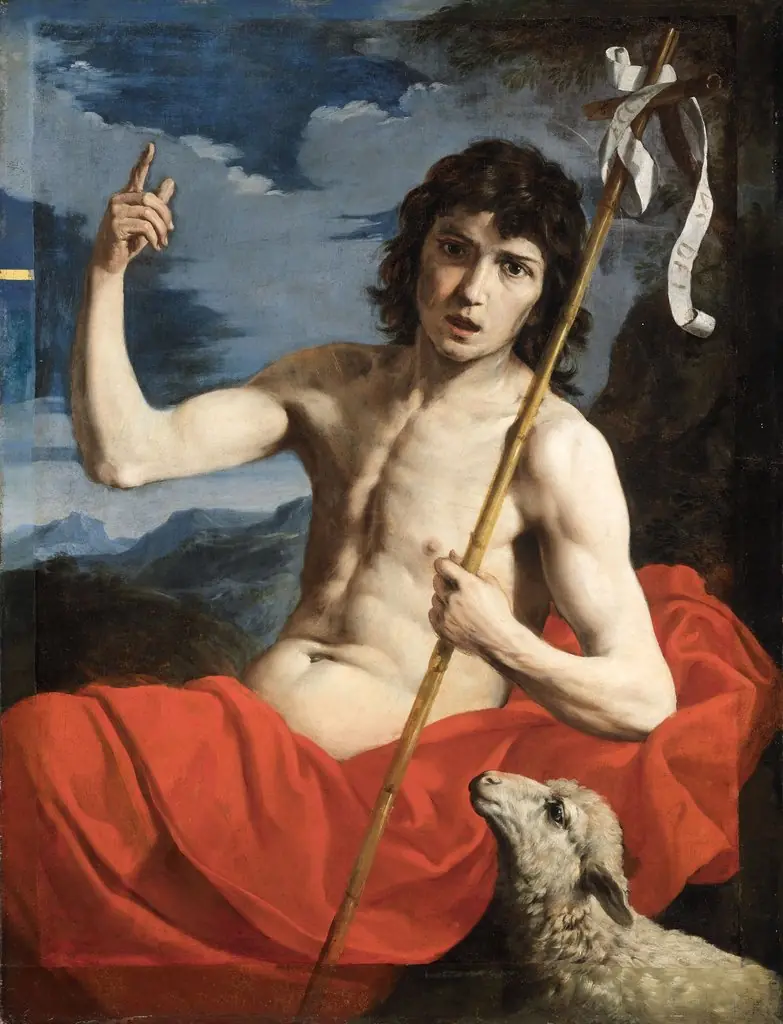 Saint John the Baptist in the Wilderness
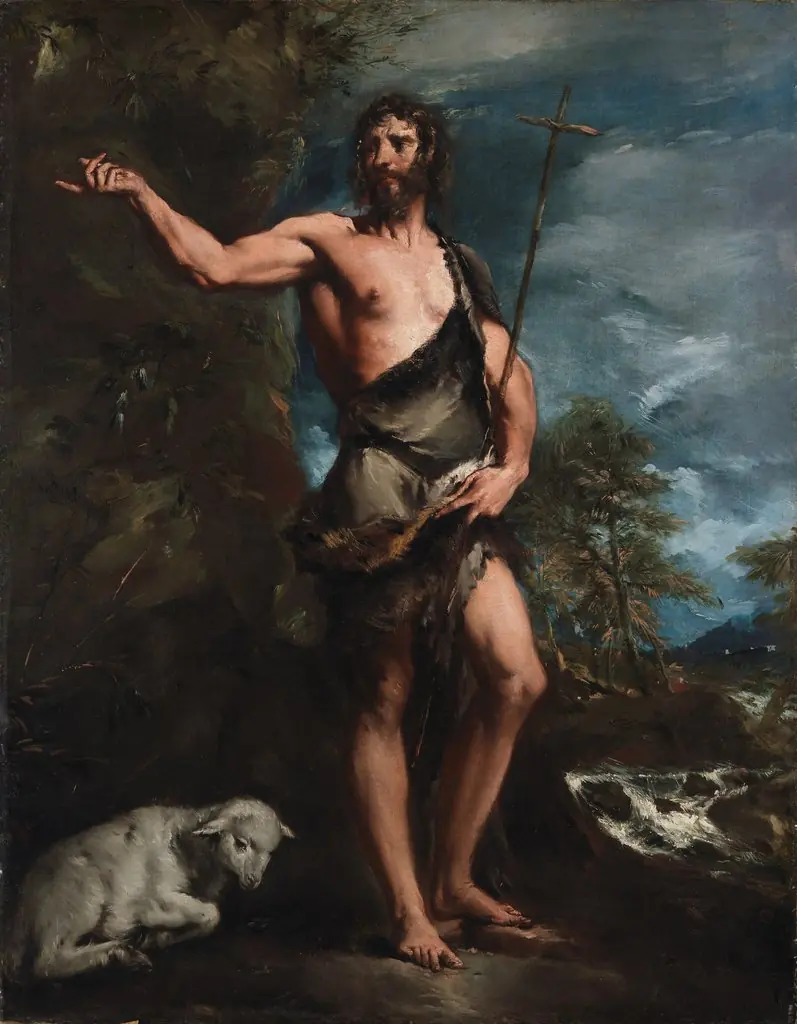 Saint John the Baptist in the Wilderness
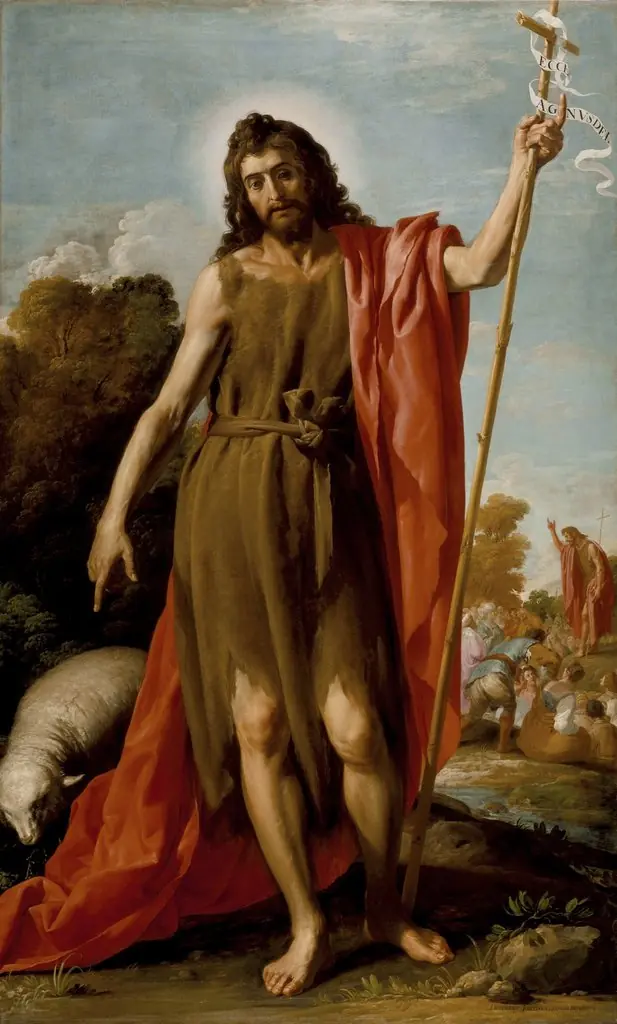 Saint John the Baptist in the Wilderness
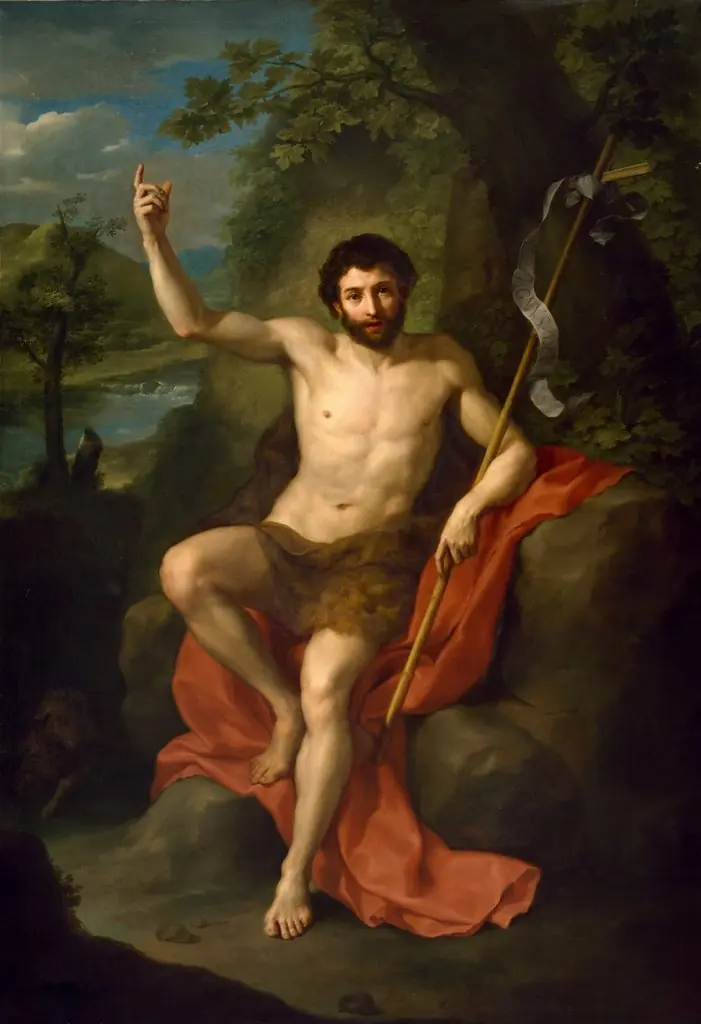 Saint John the Baptist Preaching in the Wilderness
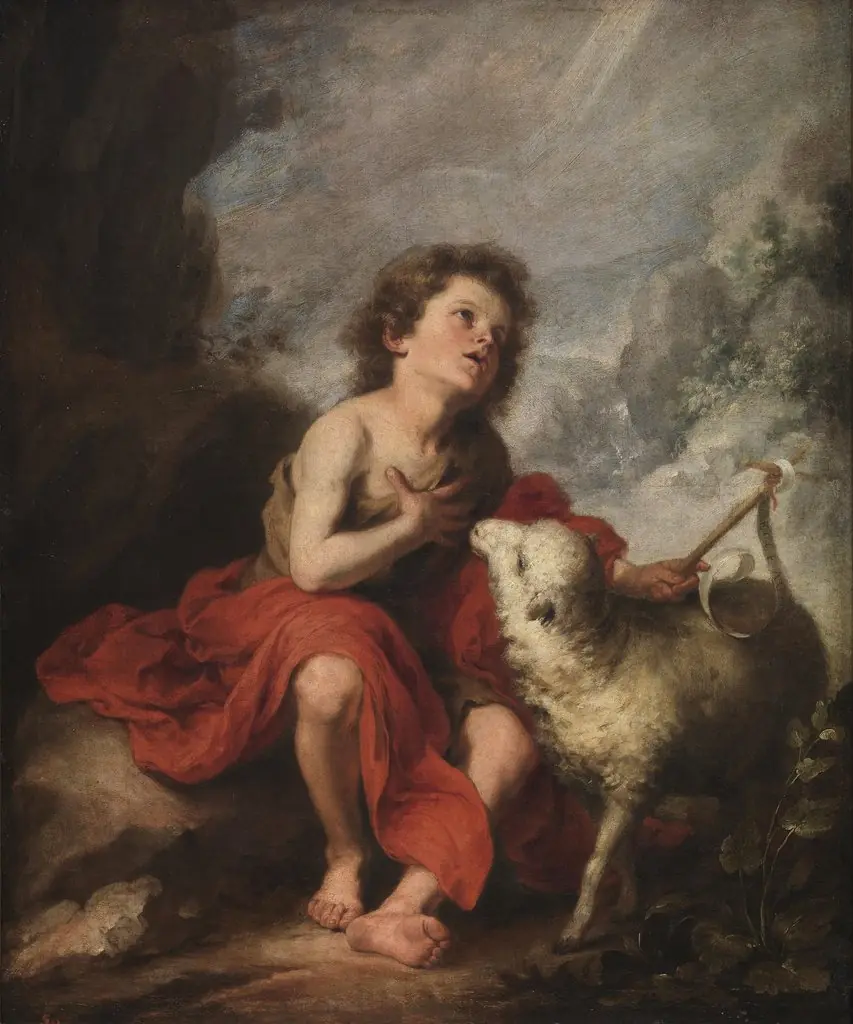 The Infant Saint John the Baptist
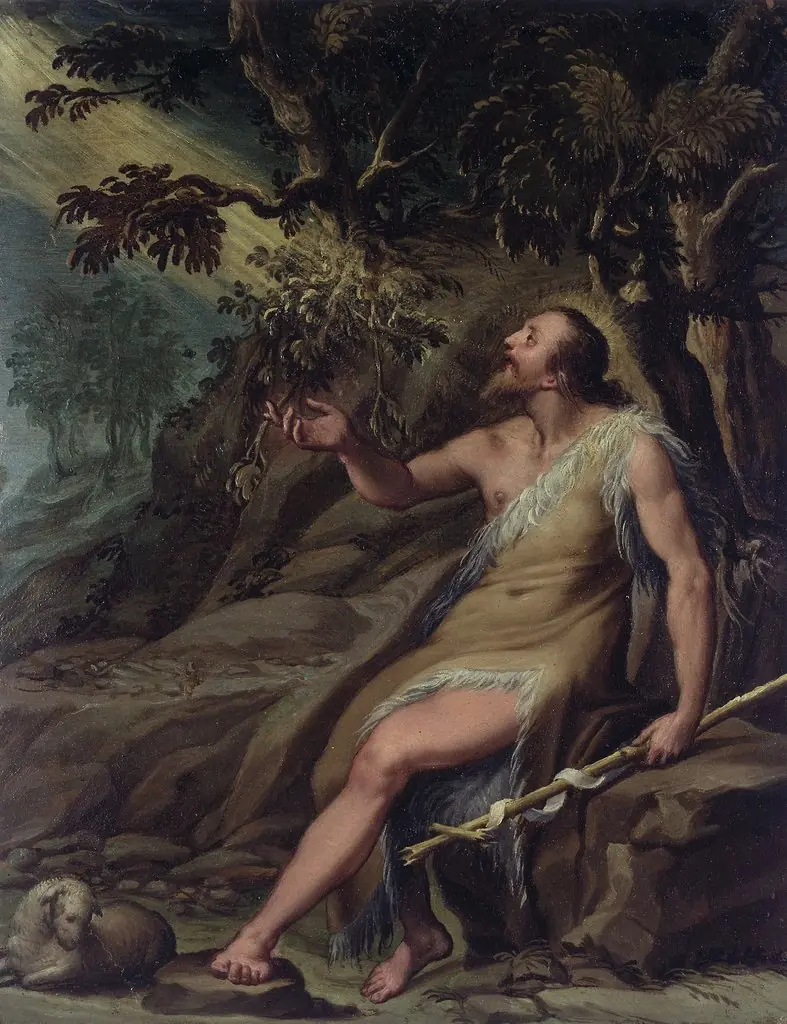 Saint John the Baptist in the Wilderness
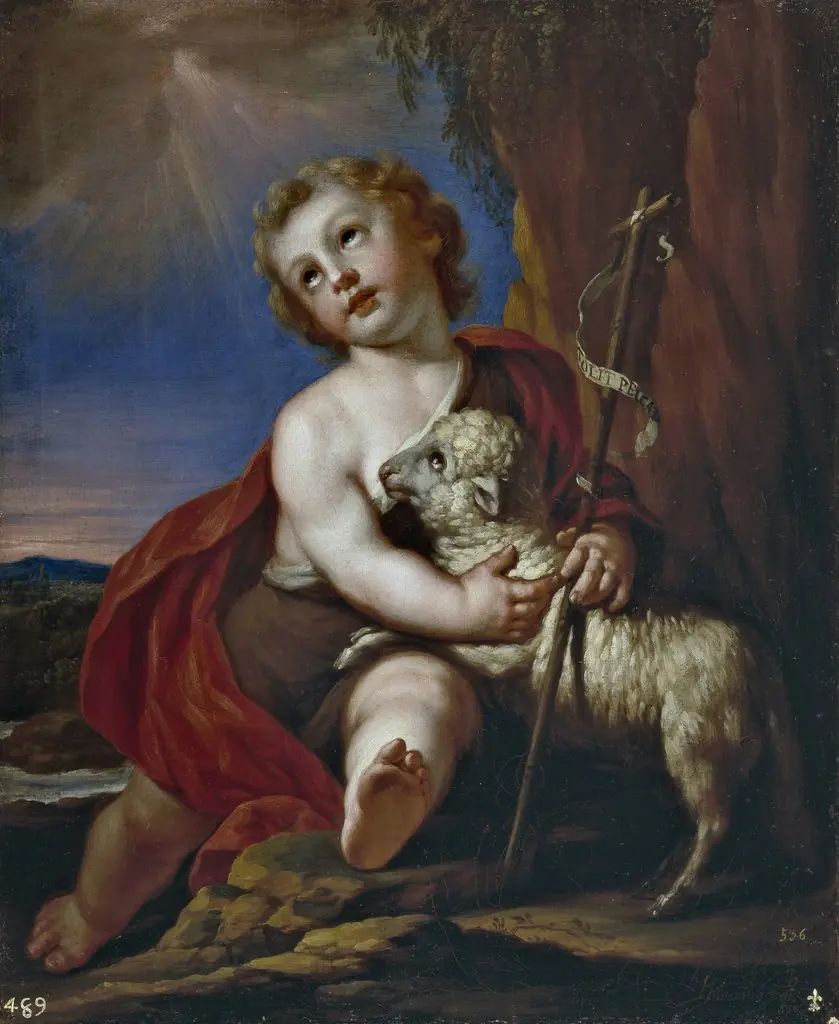 The Infant Saint John the Baptist