Artwork
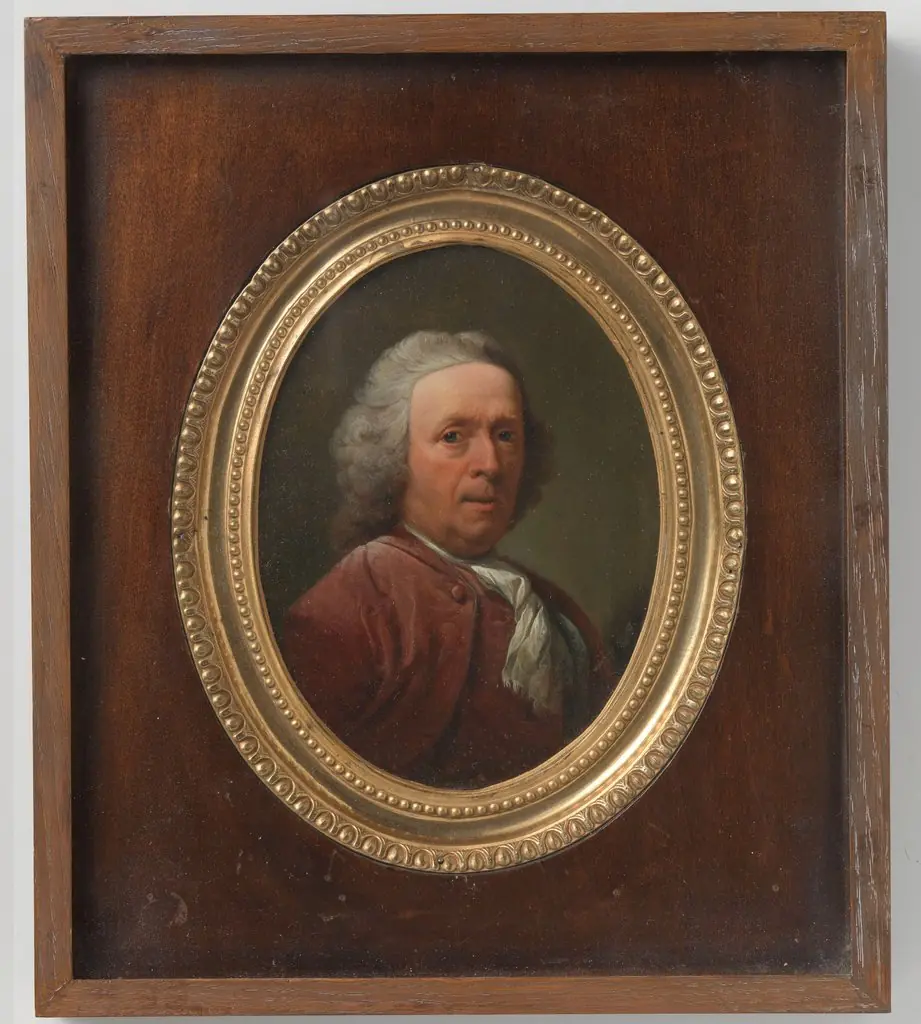
Portrait of Hugo du Bois, Director of the Rotterdam Chamber of the Dutch East India Company, elected 1734
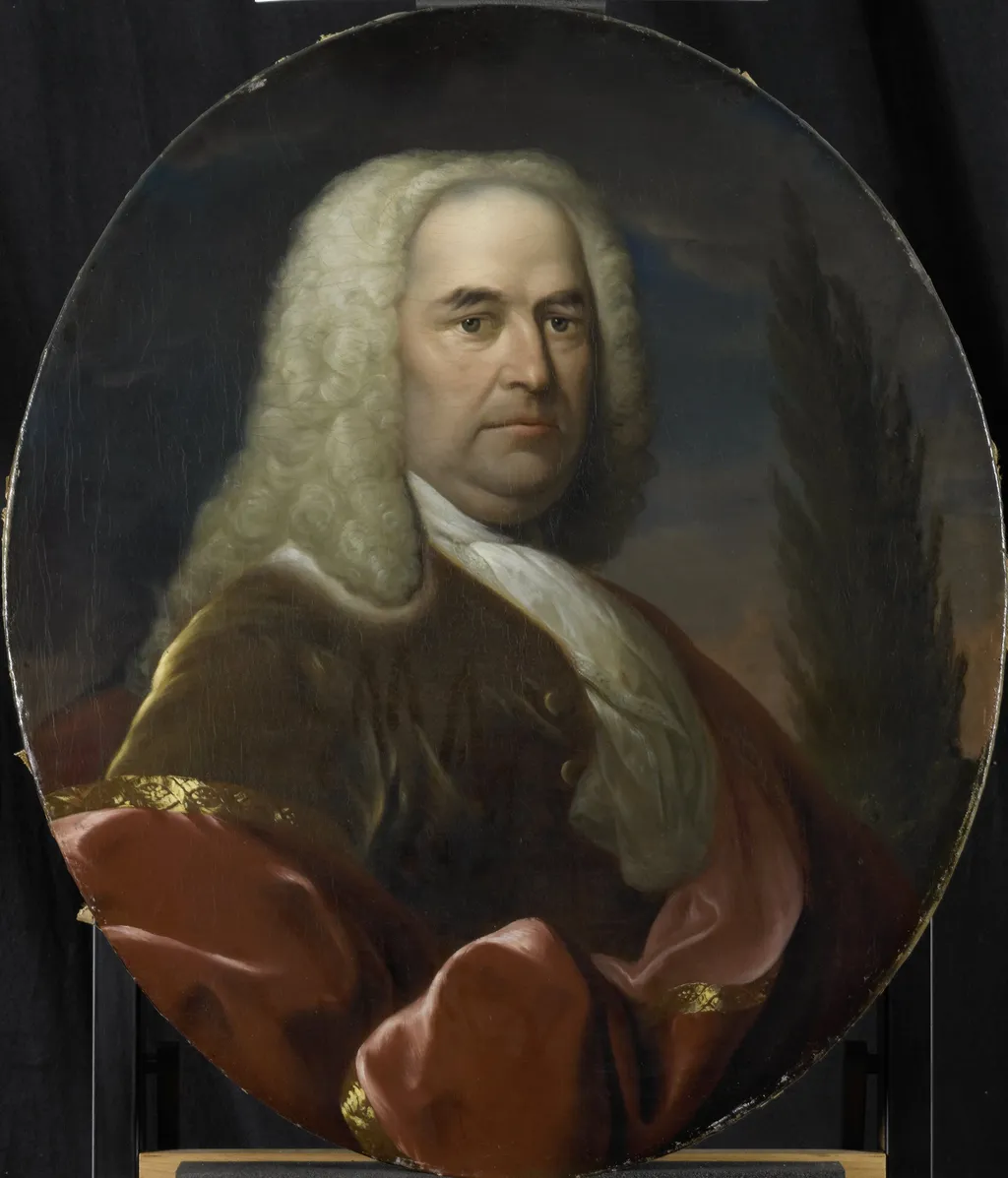
Portrait of Hugo du Bois, Director of the Rotterdam Chamber of the Dutch East India Company, elected 1734 is an oil painting by the Rococo painting artist Dionys van Nijmegen. It dates from 1750 and is held in the collection of the Rijksmuseum.
About this work
Overview
The oil painting, executed around 1750 by Dutch artist Dionys van Nijmegen, portrays Hugo du Bois, who served as director of the Rotterdam Chamber of the Dutch East India Company after his election in 1734. The work is part of the Rijksmuseum’s collection.
Subject & Meaning
Hugo du Bois is presented as a dignified figure, his white curls and solemn expression underscoring his status. The attire—a brown coat trimmed with gold buttons and a white cravat—signals his wealth and official position within the mercantile enterprise of the 18th‑century Netherlands.
Technique & Style
Van Nijmegen employs chiaroscuro to model du Bois’s face, using subtle gradations of light and shadow that give the portrait a three‑dimensional presence. The contrast between the illuminated figure and the dark, unadorned background focuses attention on the sitter’s features and attire.
History & Provenance
Since its creation, the portrait has remained in the Netherlands and is now housed in the Rijksmuseum, where it is displayed as part of the museum’s representation of Dutch portraiture from the mid‑18th century.
Artist & collection

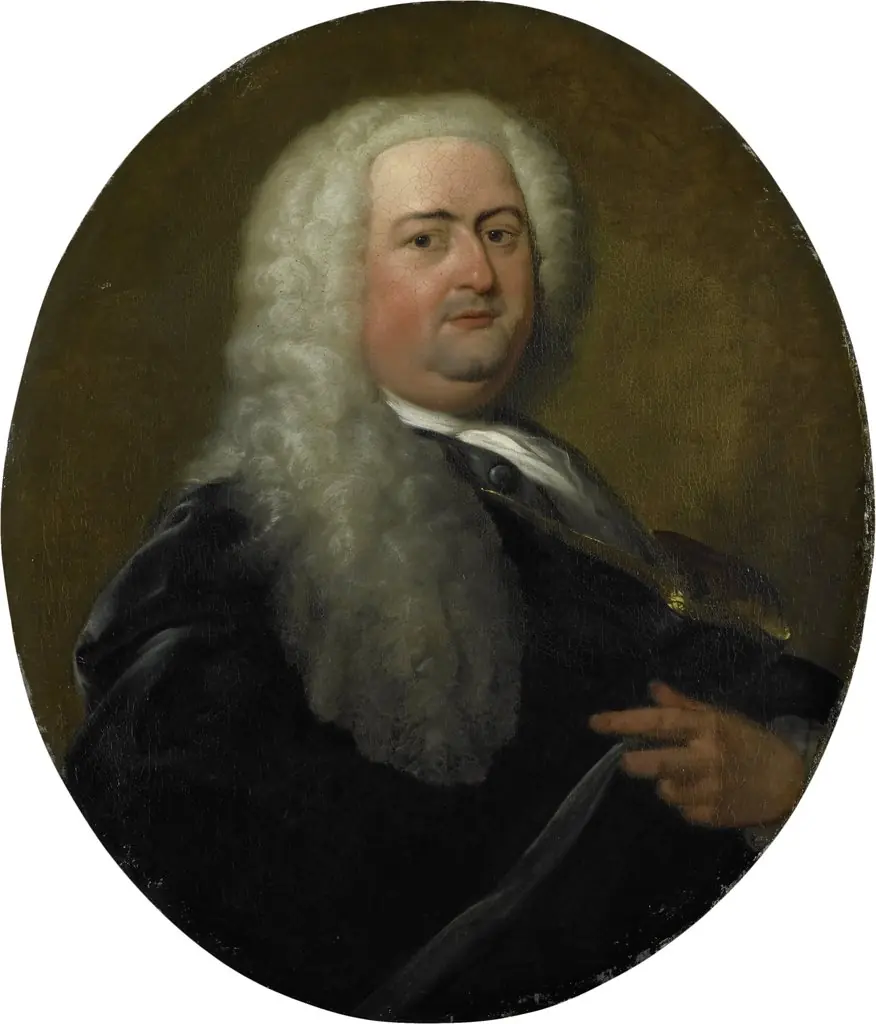
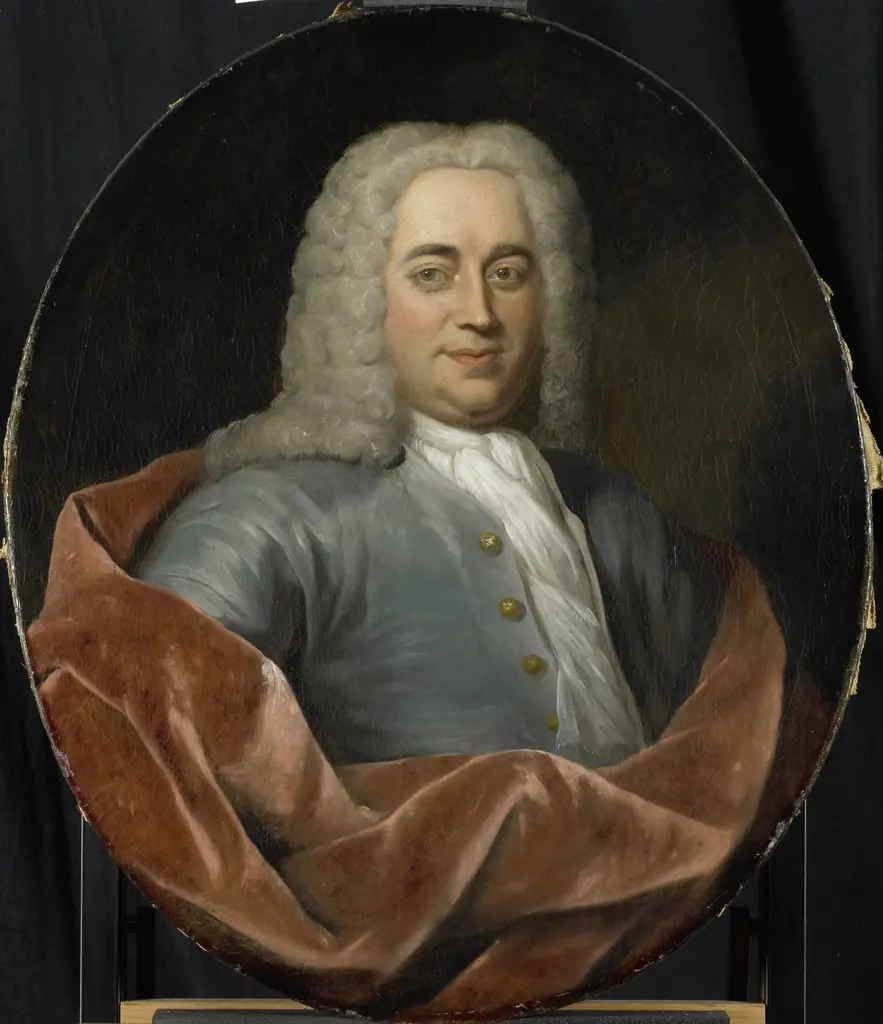 Portrait of Walter Senserff, Director of the Rotterdam Chamber of the Dutch East India Company, elected 1731
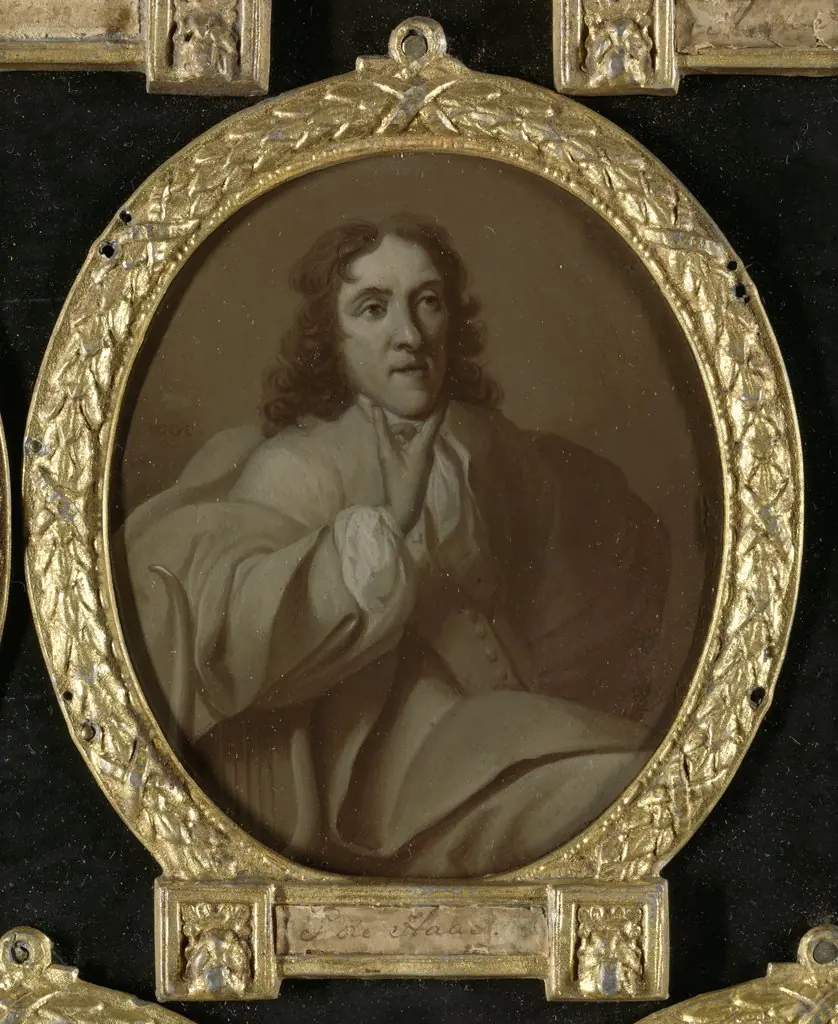
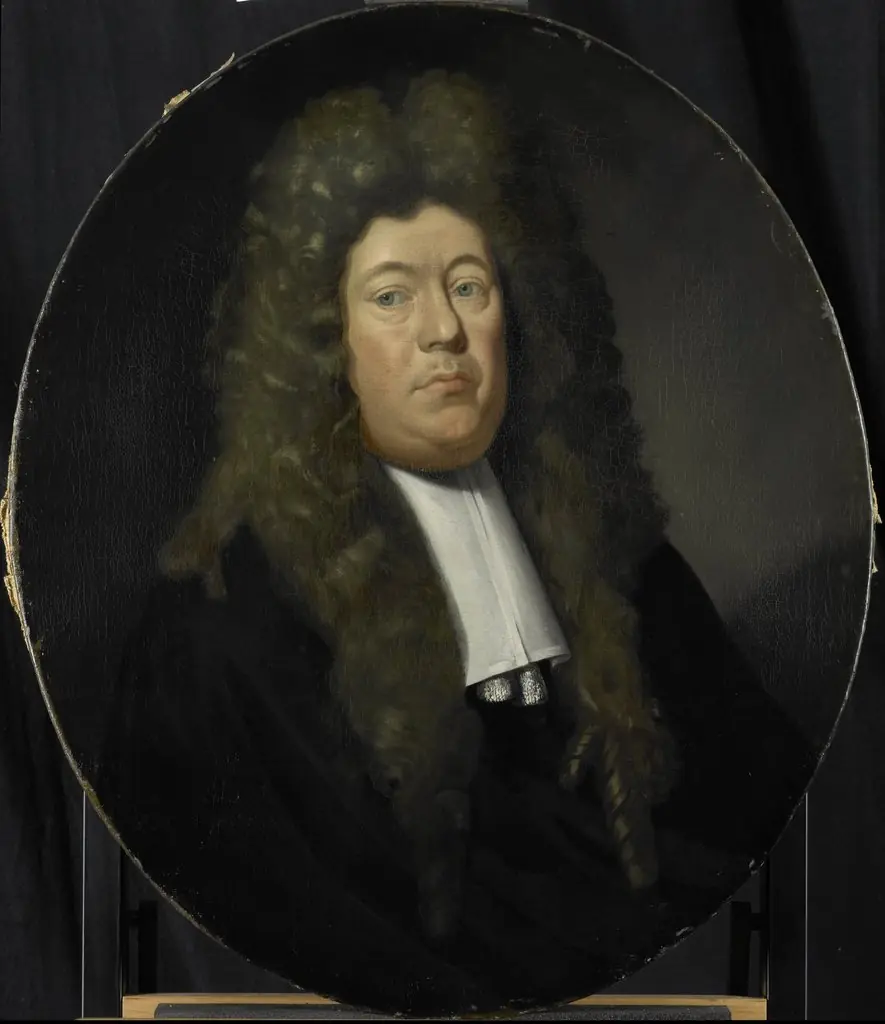 Portrait of Adriaen Paets, Director of the Rotterdam Chamber of the Dutch East India Company, elected 1668
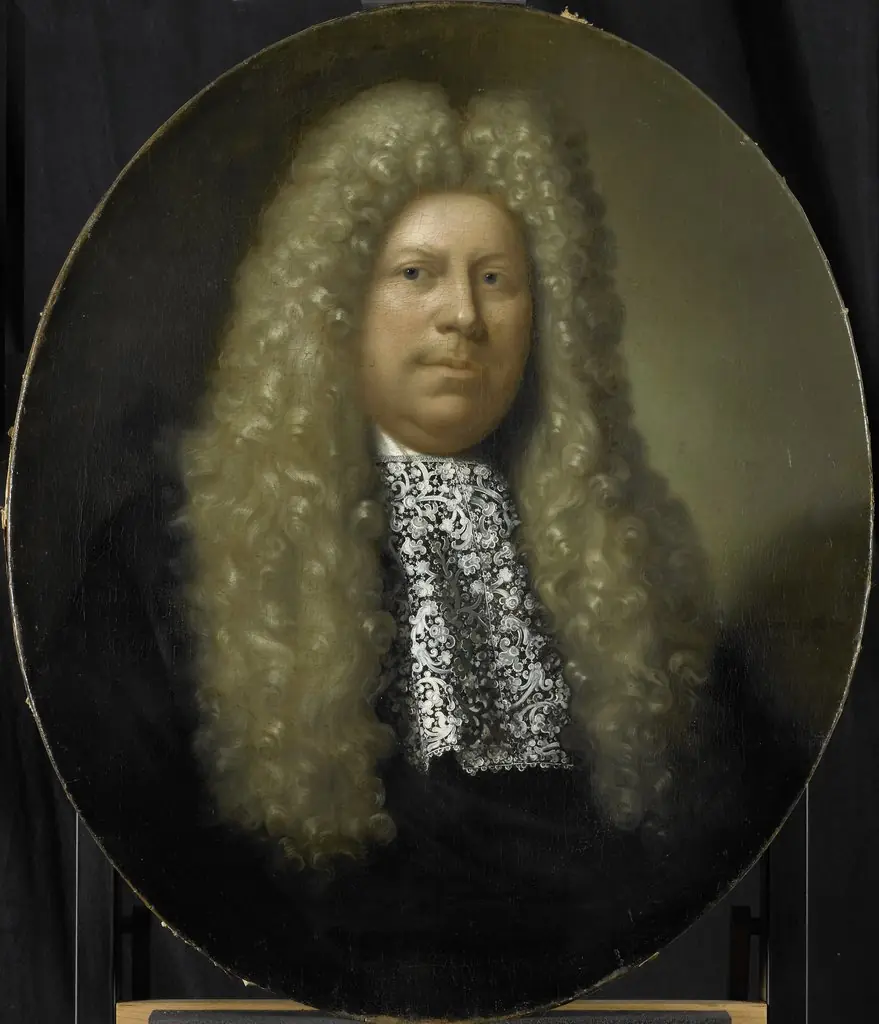 Portrait of Jacob Dane, Director of the Rotterdam Chamber of the Dutch East India Company, elected 1689
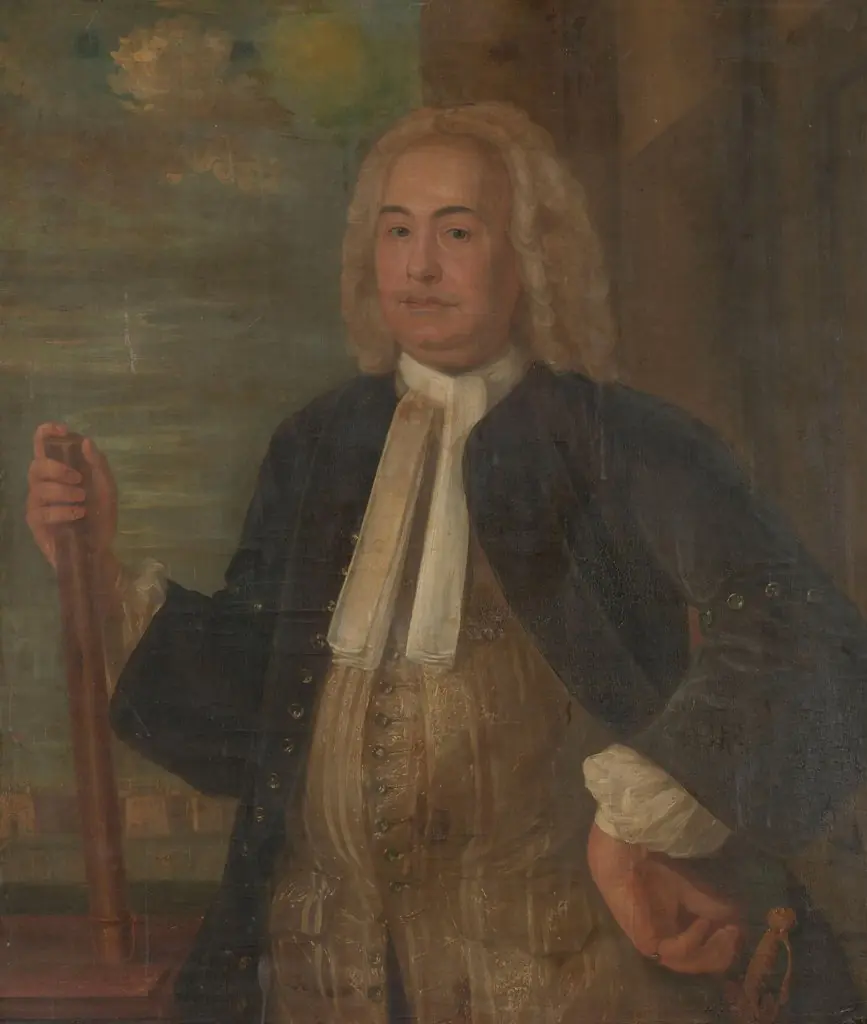 Portrait of Johannes Thedens, Governor-General of the Dutch East India Company
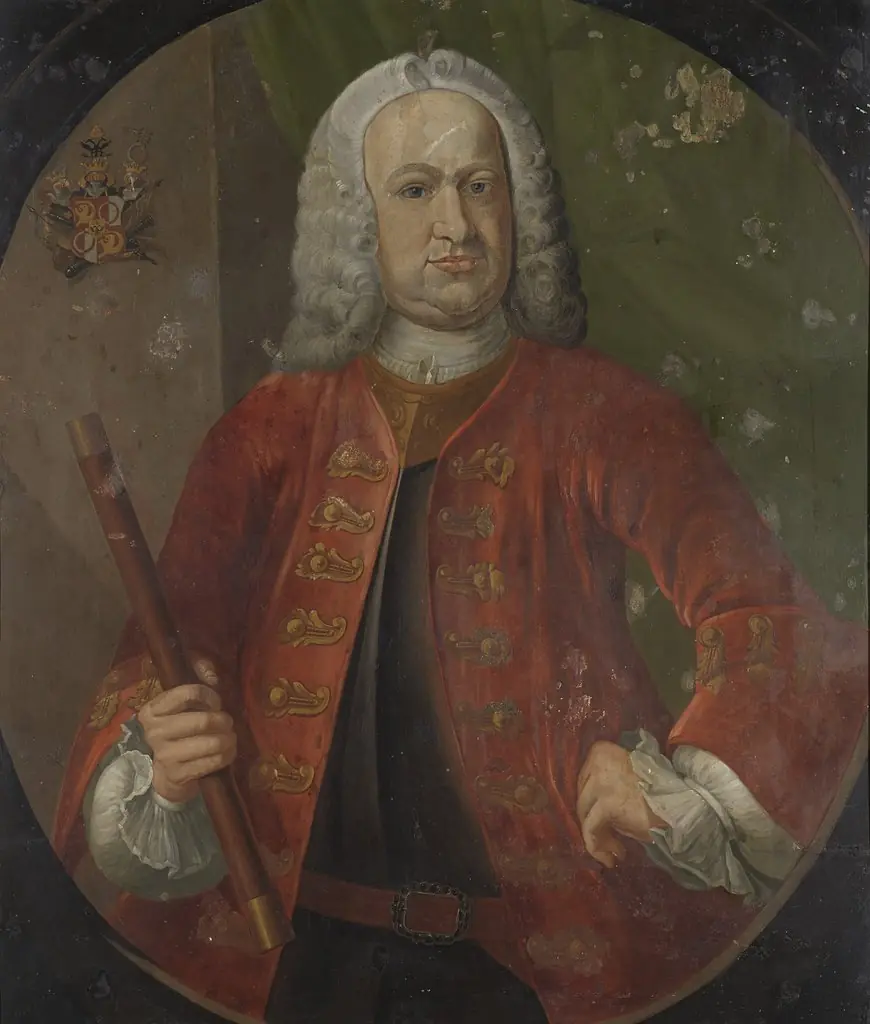 Portrait of Gustaaf Willem, Baron van Imhoff, Governor-General of the Dutch East India Company
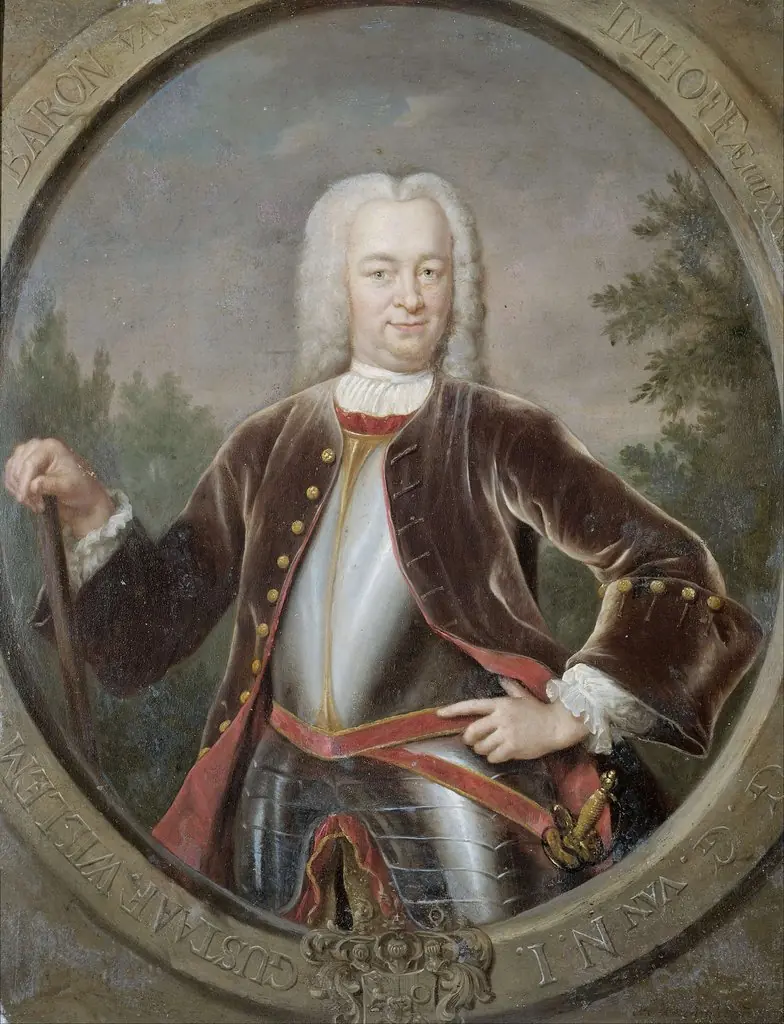 Portrait of Gustaaf Willem, Baron van Imhoff, Governor-General of the Dutch East India Company
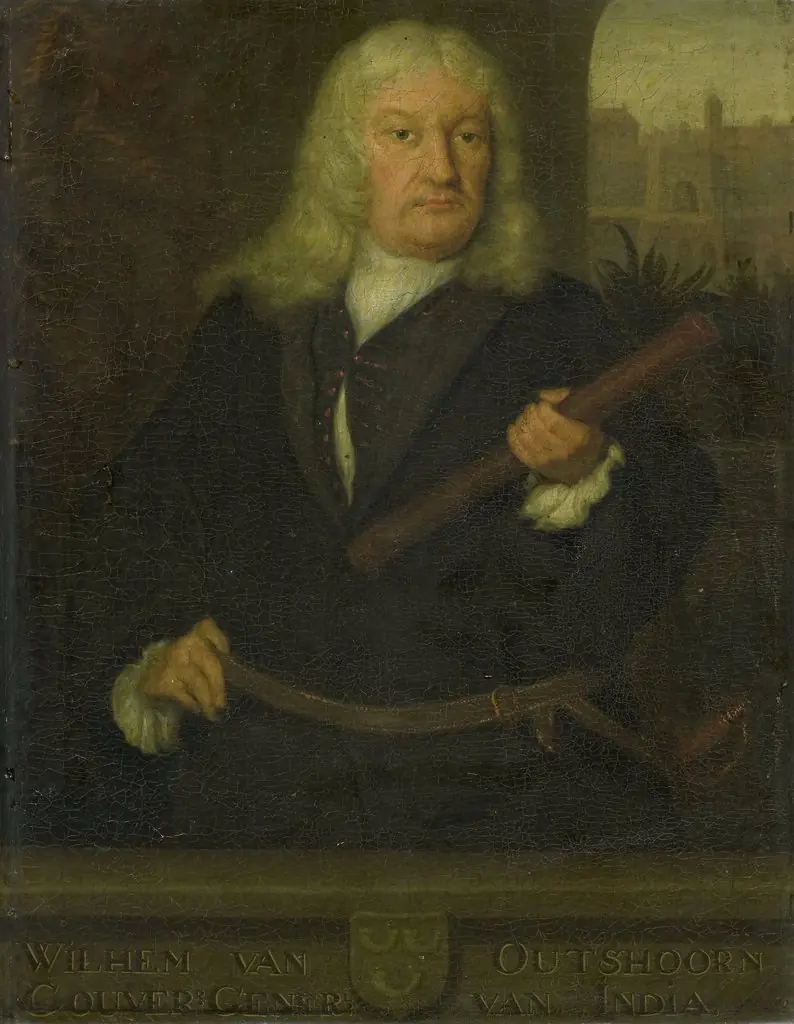 Portrait of Willem van Outhoorn, Governor General of the Dutch East Indies