Artwork
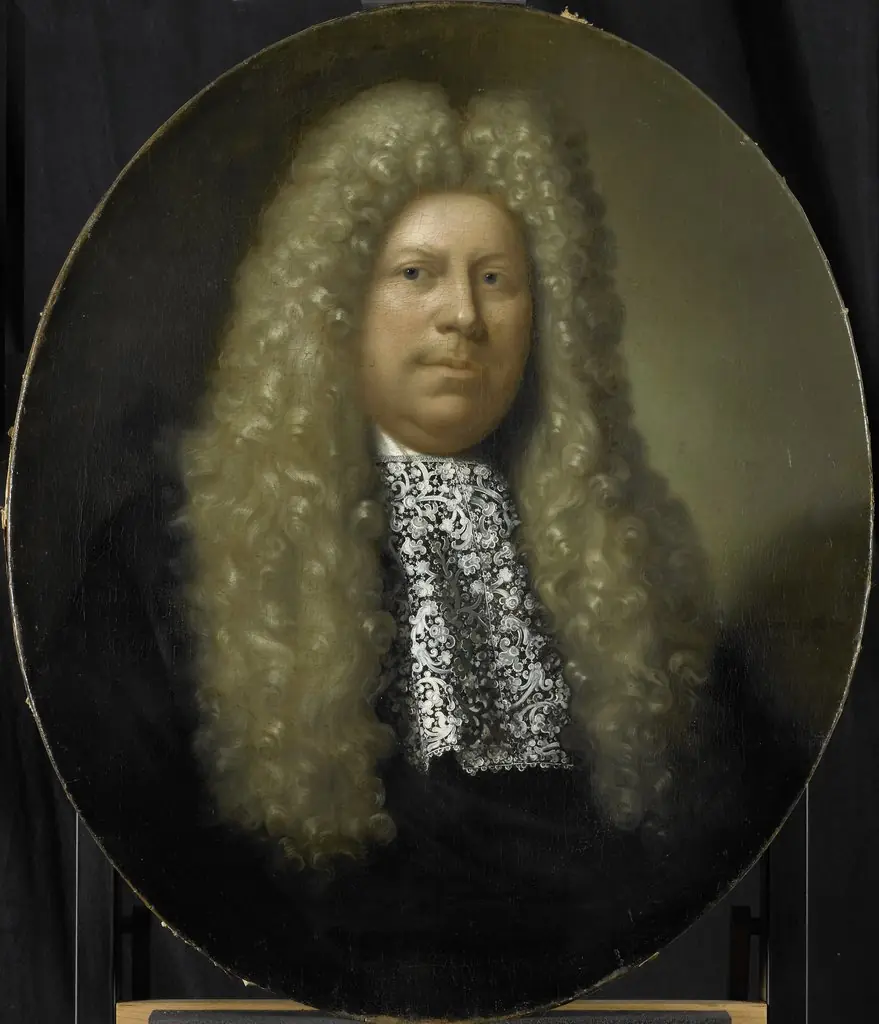
Portrait of Johannes Thedens, Governor-General of the Dutch East India Company
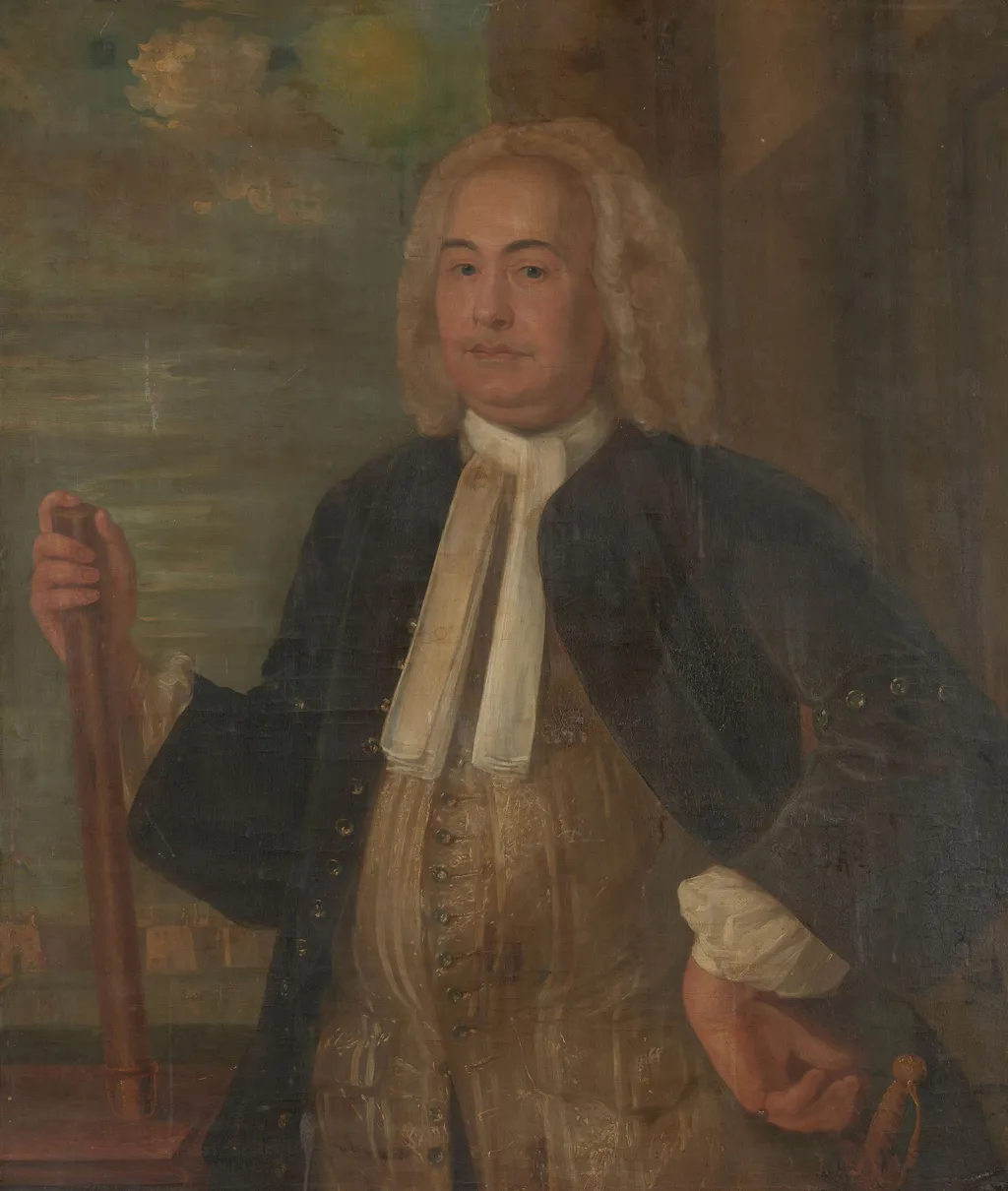
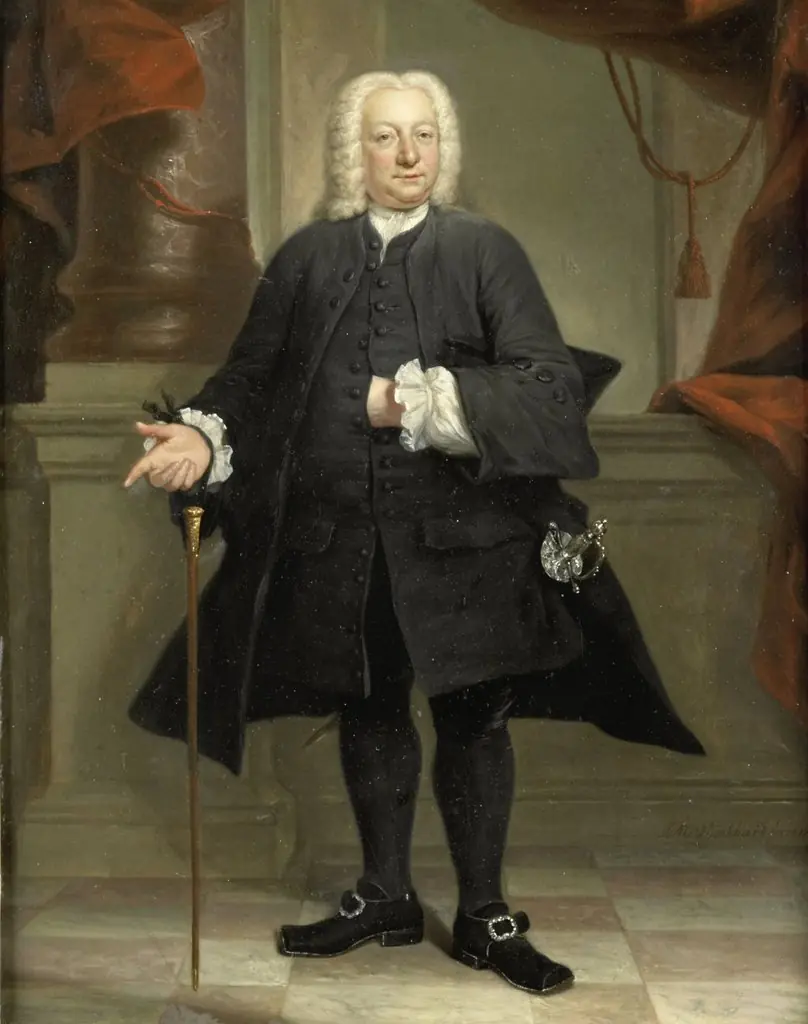
Portrait of Johannes Thedens, Governor-General of the Dutch East India Company is an oil painting. It dates from 1741 and is held in the collection of the Rijksmuseum. The oil painting presents Johannes Thedens, who served as Governor‑General of the Dutch East India Company.
About this work
The painting depicts a man dressed in 18th-century attire, featuring a dark blue coat with gold buttons and a white shirt with a high collar.
The painting depicts a man dressed in 18th-century attire, featuring a dark blue coat with gold buttons and a white shirt with a high collar. He wears a brown vest and holds a wooden cane in his right hand, while his left hand rests on his hip. The background is a muted green wall. The man's attire and the style of the painting suggest that it was created in the 18th century. The level of detail and realism in the painting indicate that the artist was skilled in their craft. The painting is reminiscent of works by artists who specialized in portraiture during the 18th century.
Overview
The oil painting presents Johannes Thedens, who served as Governor‑General of the Dutch East India Company. He is shown in contemporary 18th‑century dress, standing before a muted green wall. The composition is a formal portrait, emphasizing his status through attire and pose.
Subject & Meaning
Theden’s dark blue coat with gold buttons, white high‑collared shirt, and brown vest convey the authority of a colonial administrator. The wooden cane in his right hand and the confident left hand on his hip reinforce a dignified, commanding presence typical of official portraiture of the period.
Technique & Style
Executed in oil on canvas, the work displays meticulous rendering of fabrics and textures, reflecting the skill of a portrait specialist. The subdued background and careful modeling of light create a realistic yet restrained atmosphere, characteristic of Dutch and broader European portrait conventions of the 1700s.
History & Provenance
The painting’s stylistic attributes and the subject’s historical role place its creation in the early to mid‑18th century, aligning with Theden’s tenure (1730‑1735). Documentation of its ownership traces the work through Dutch collections, where it has been held as a representation of colonial governance.
Artist & collection

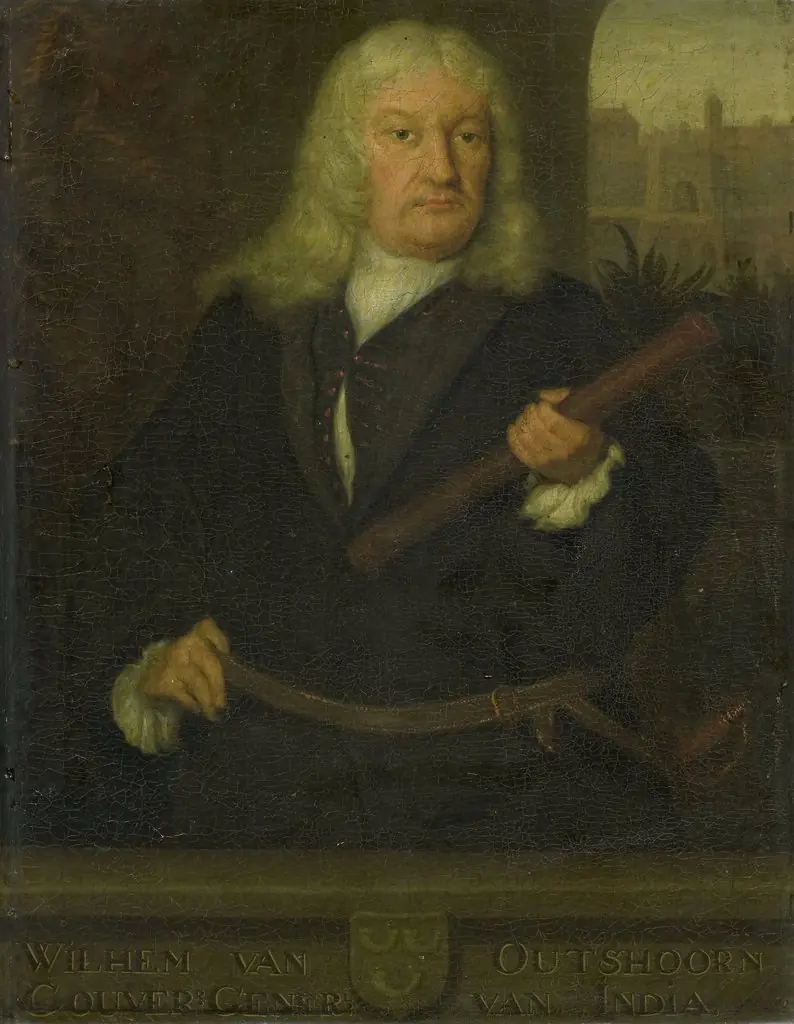 Portrait of Willem van Outhoorn, Governor General of the Dutch East Indies
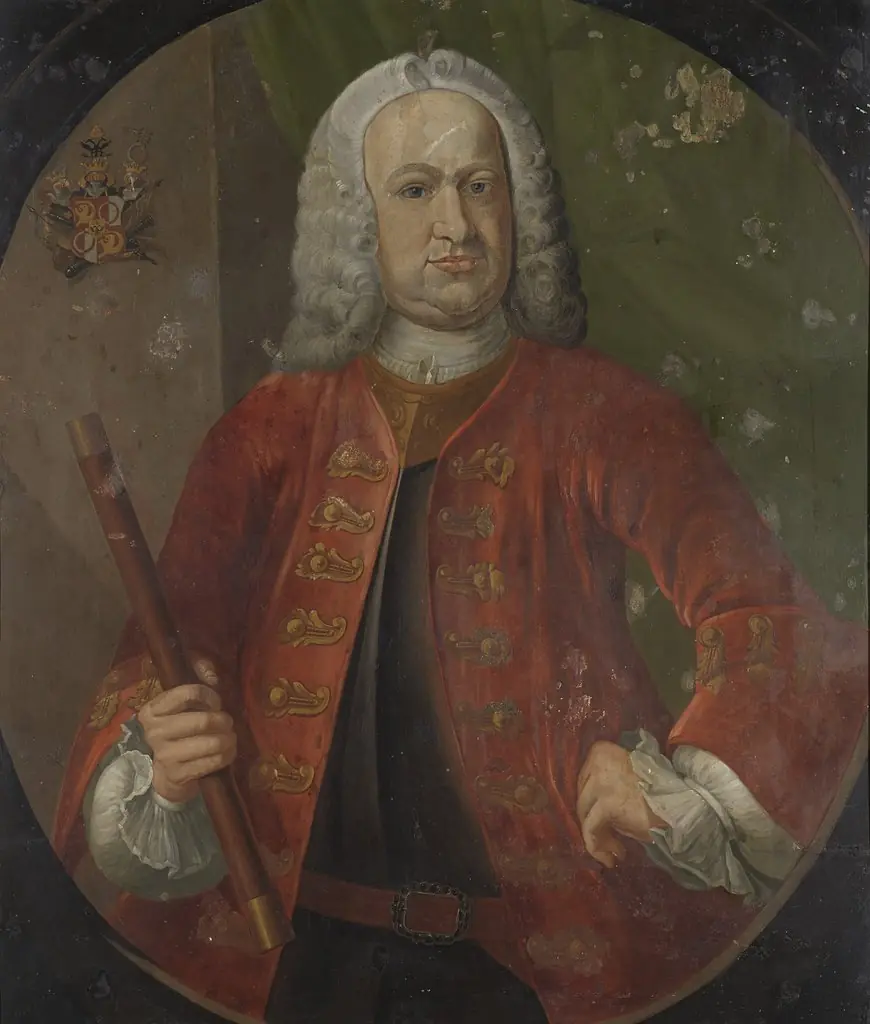 Portrait of Gustaaf Willem, Baron van Imhoff, Governor-General of the Dutch East India Company
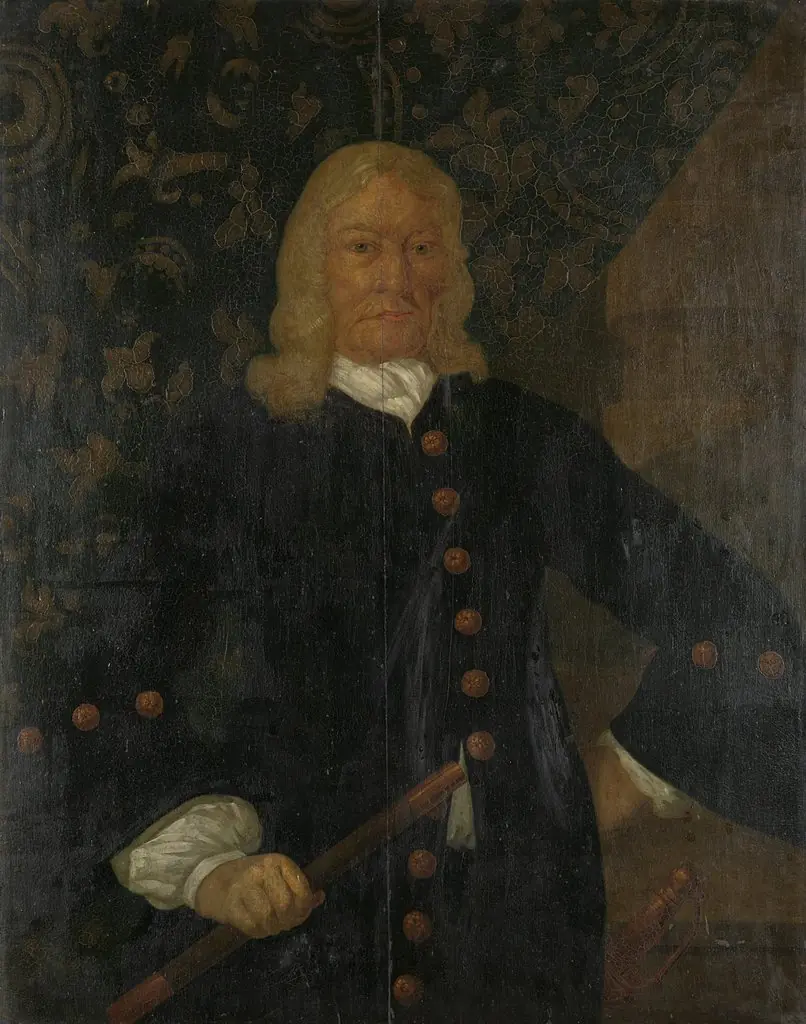 Portrait of Willem van Outhoorn, Governor-General of the Dutch East Indies
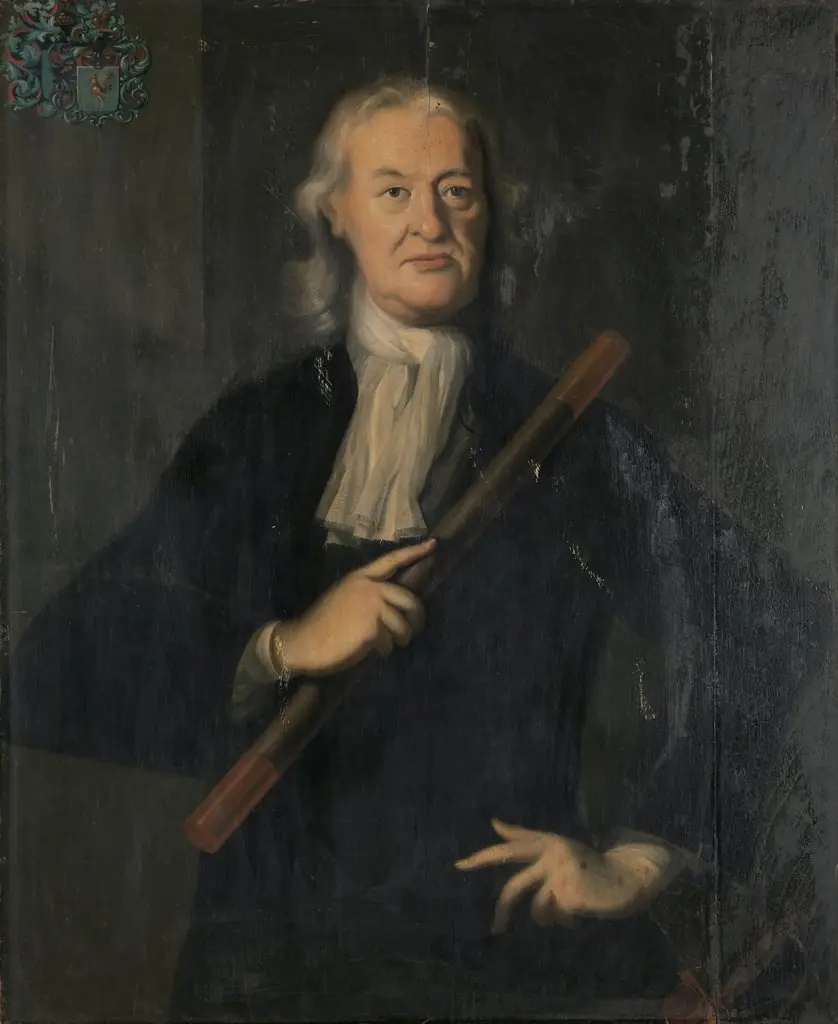 Portrait of Mattheus de Haan, Governor-General of the Dutch East Indies
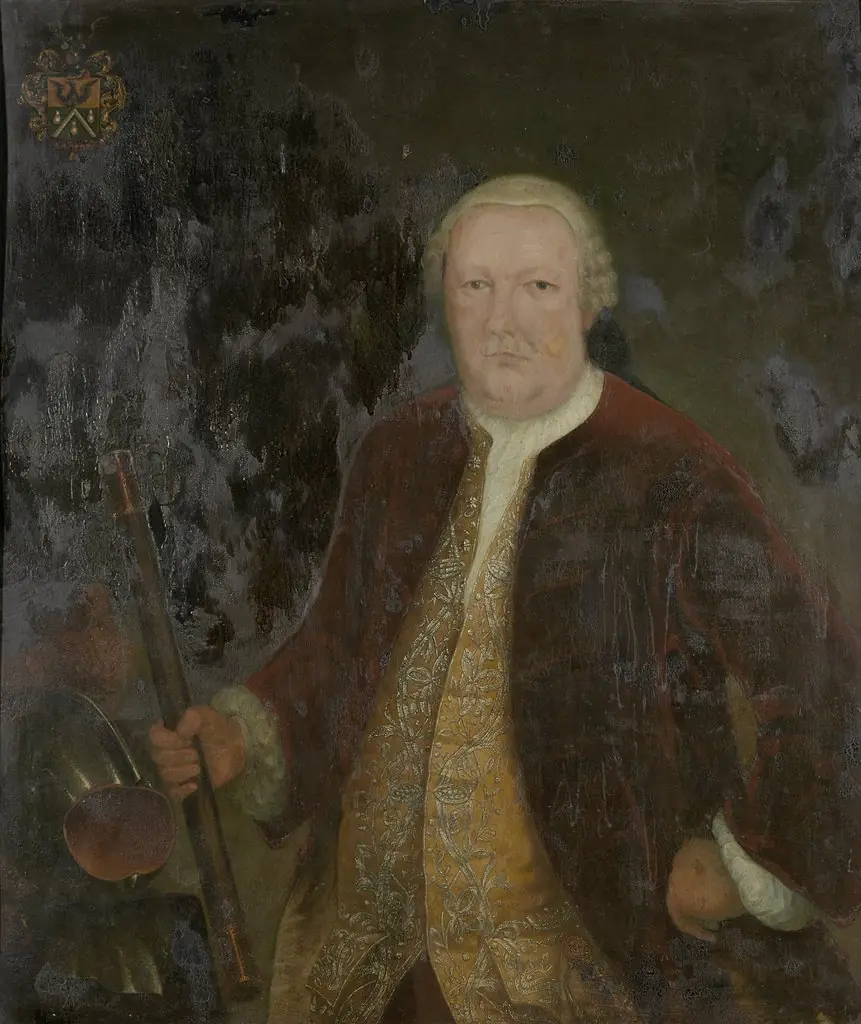 Portrait of Petrus Albertus van der Parra, Governor-General of the Dutch East India Company
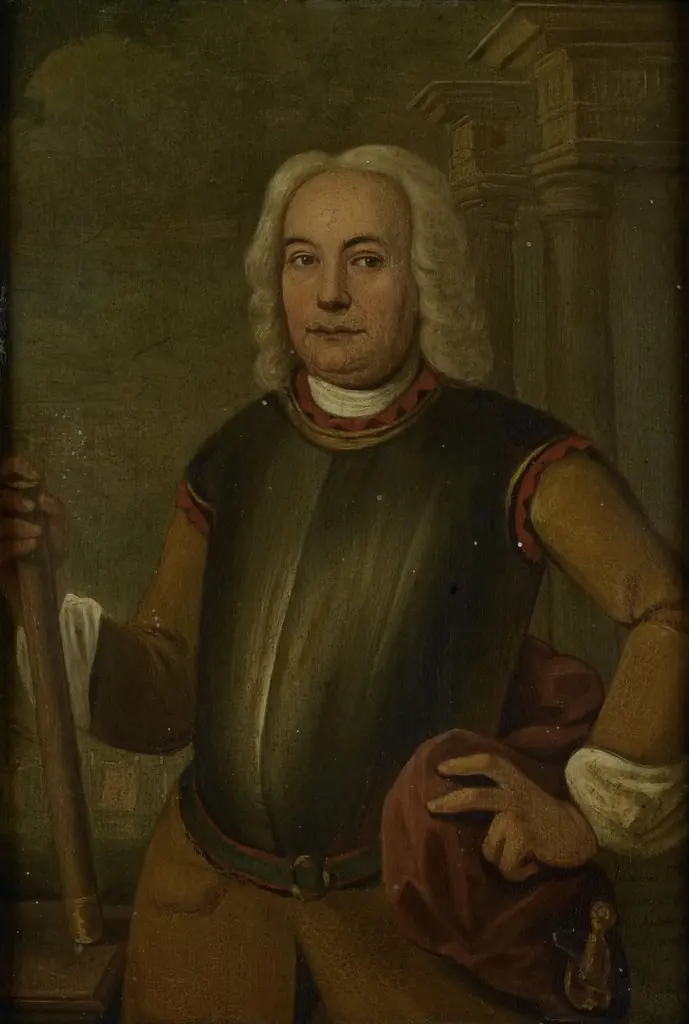 Portrait of Johannes Thedens (1680-1748). Gouverneur-generaal (1741-43)
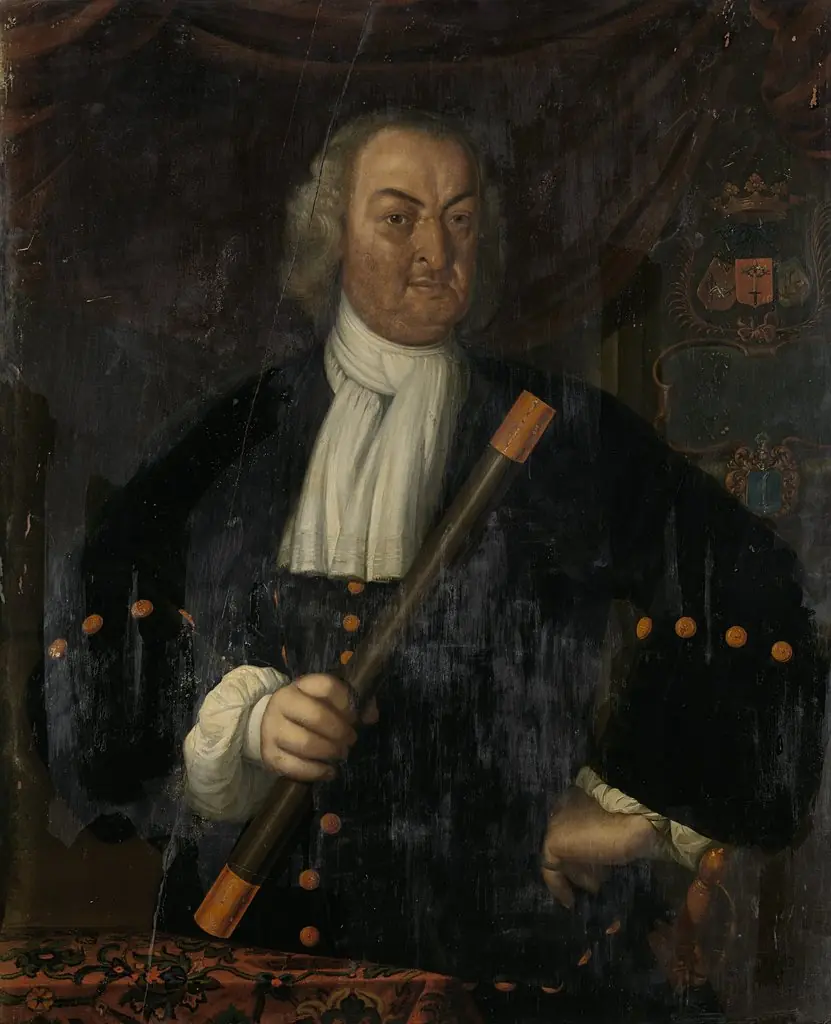 Portrait of Hendrik Swaardecroon (Hendrick Zwaardecroon), Governor General of the Dutch East Indies
 Portrait of Jacob Dane, Director of the Rotterdam Chamber of the Dutch East India Company, elected 1689