Artwork
Plantage in Suriname
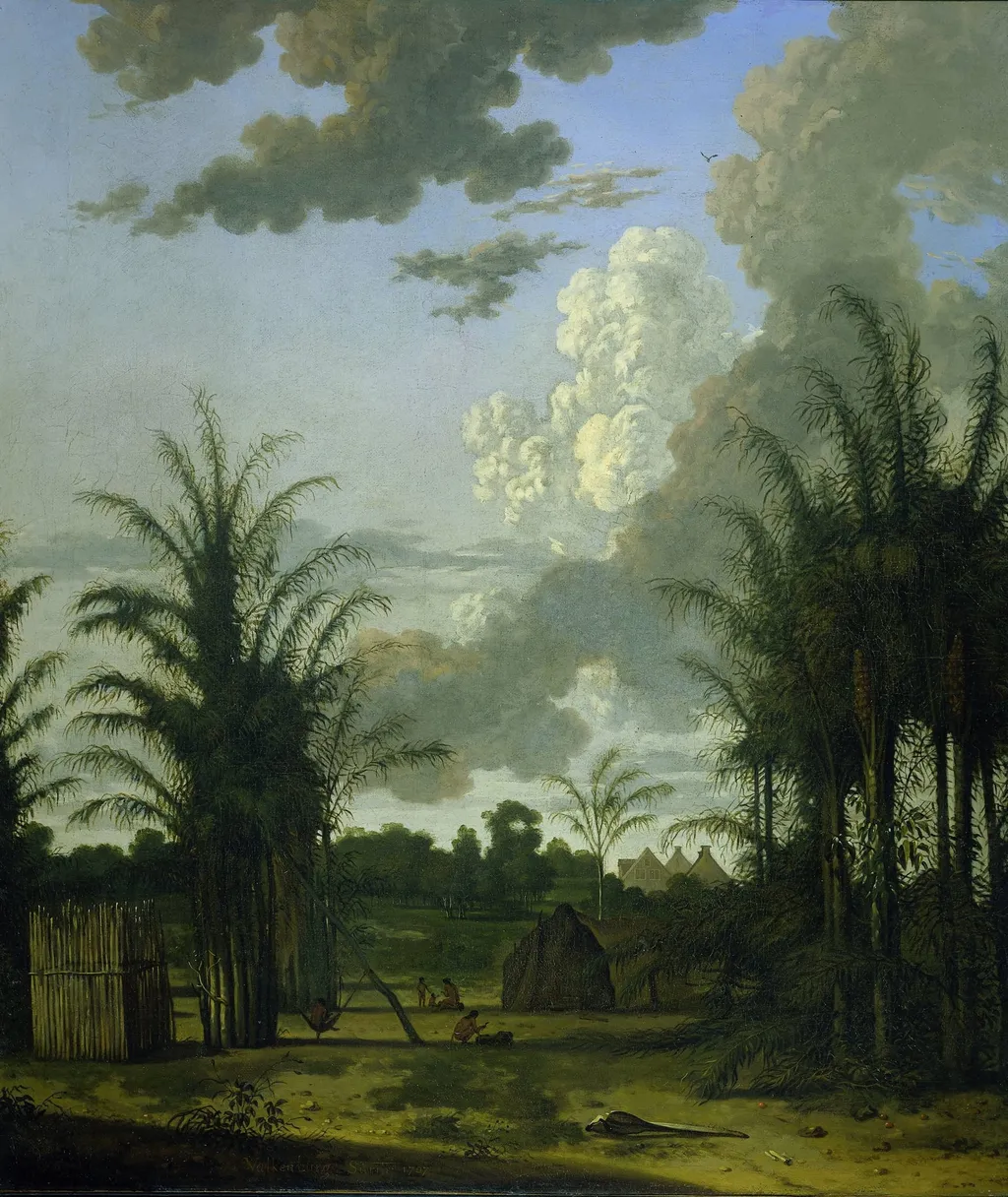
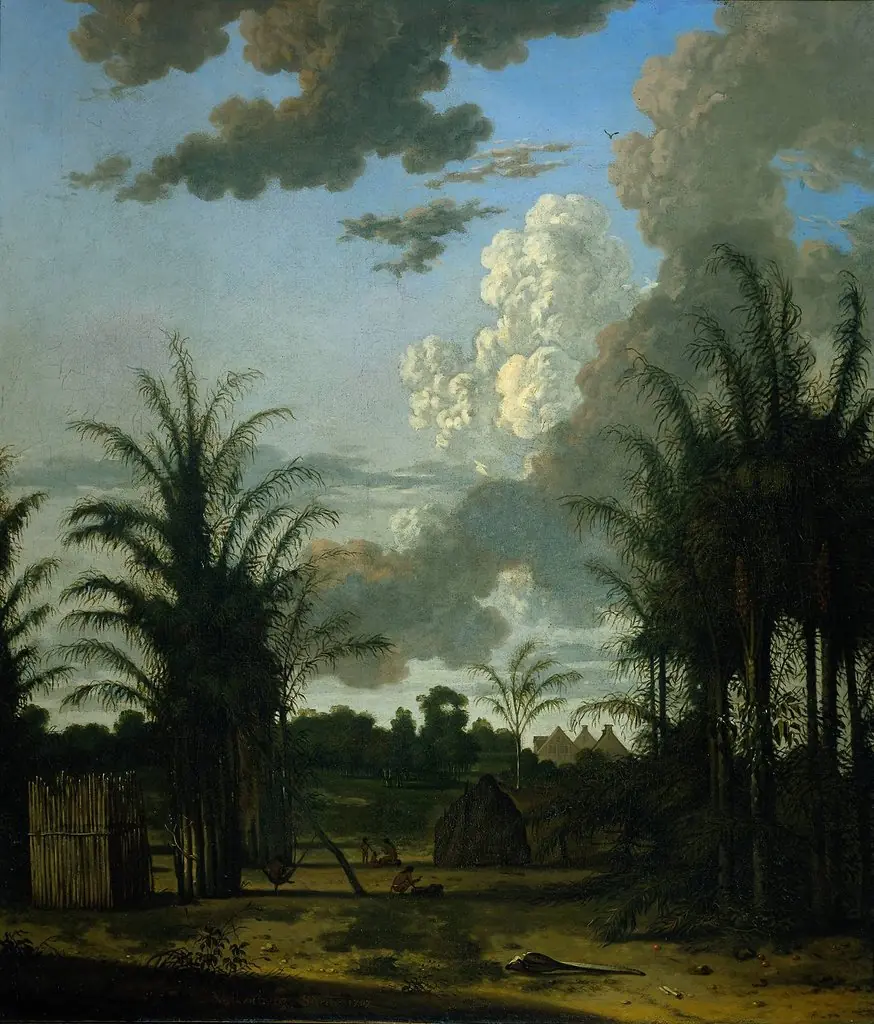
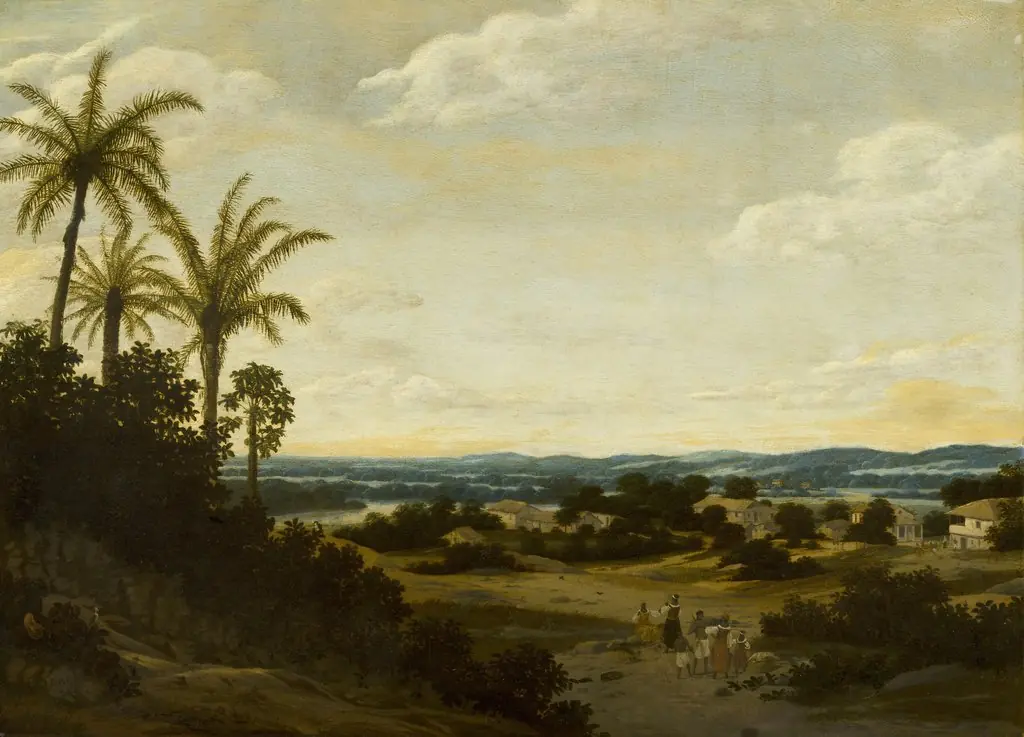
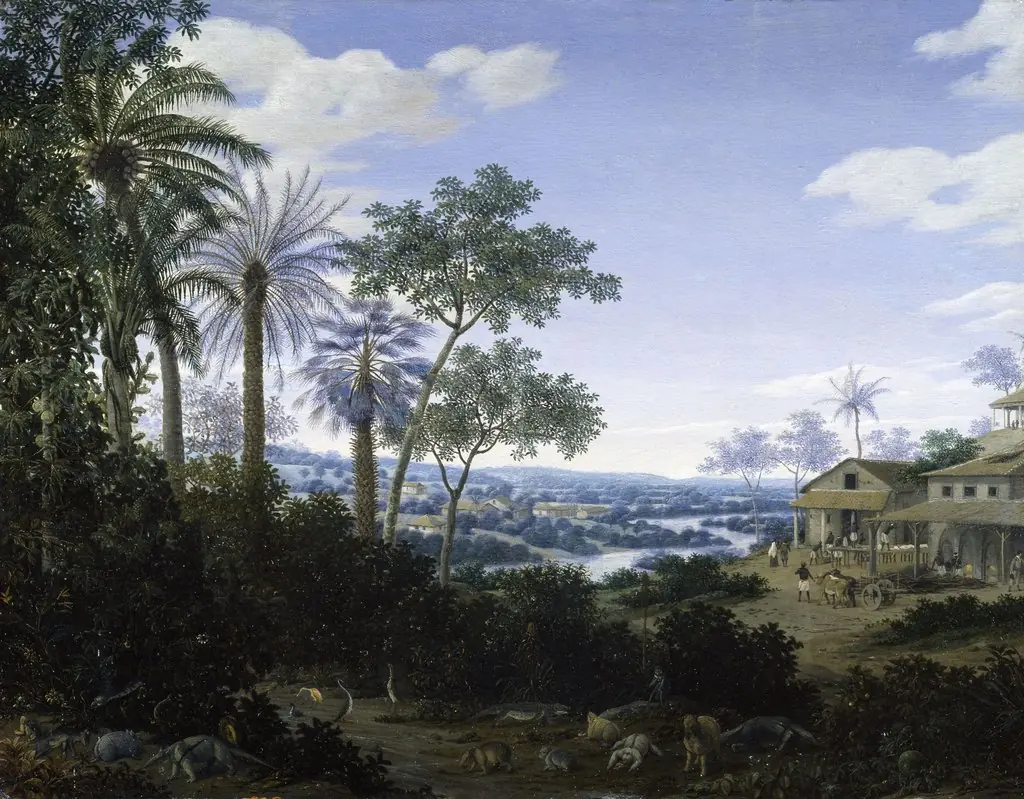
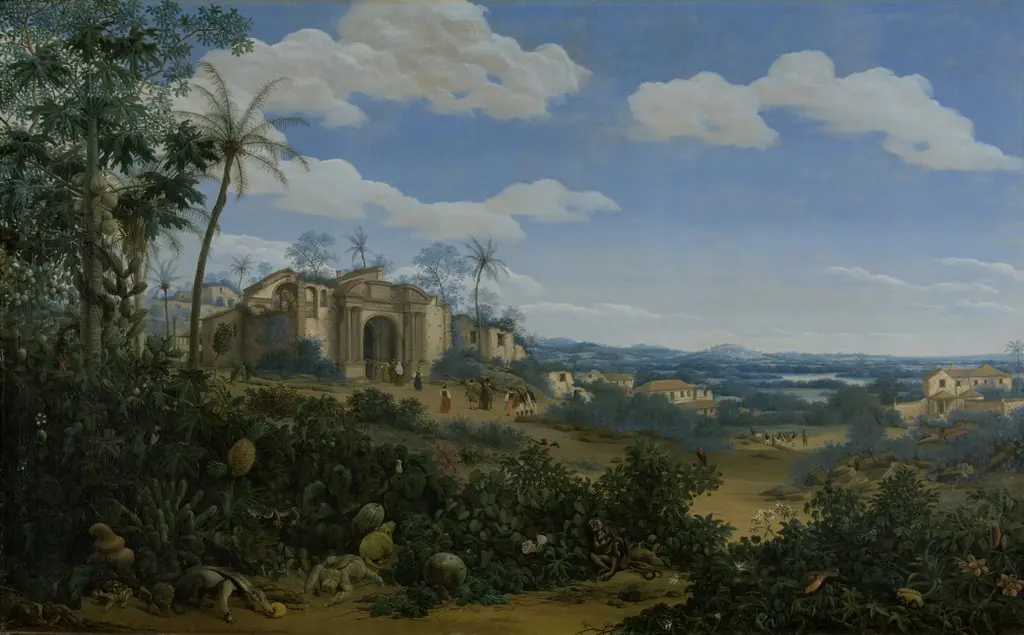
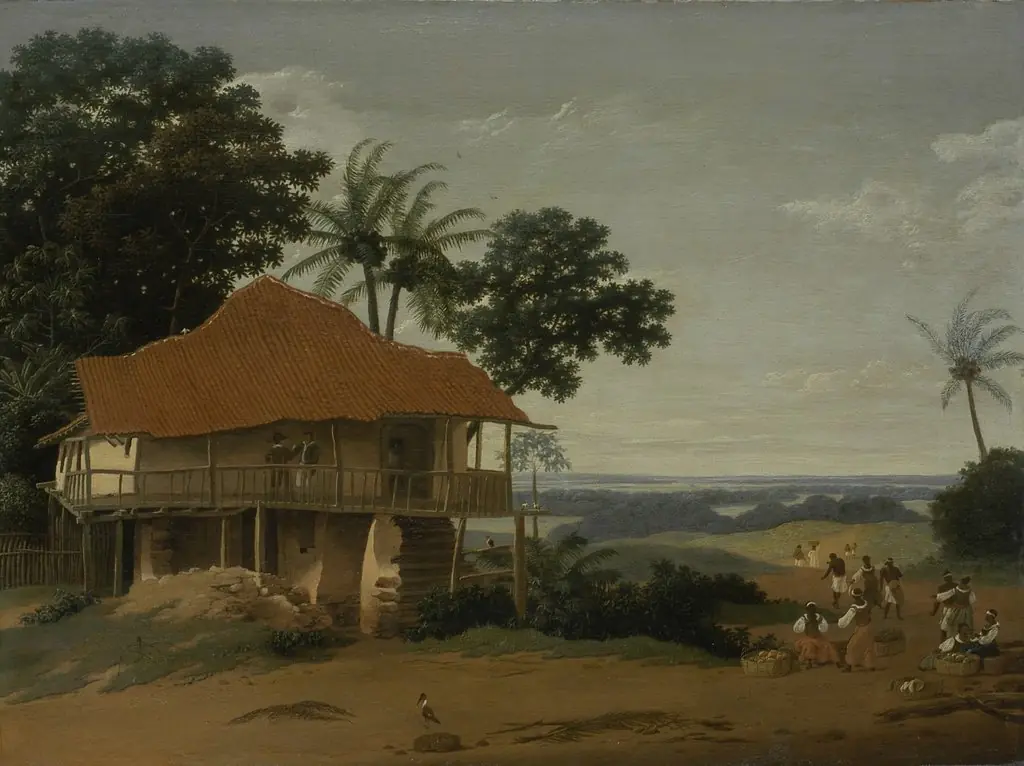
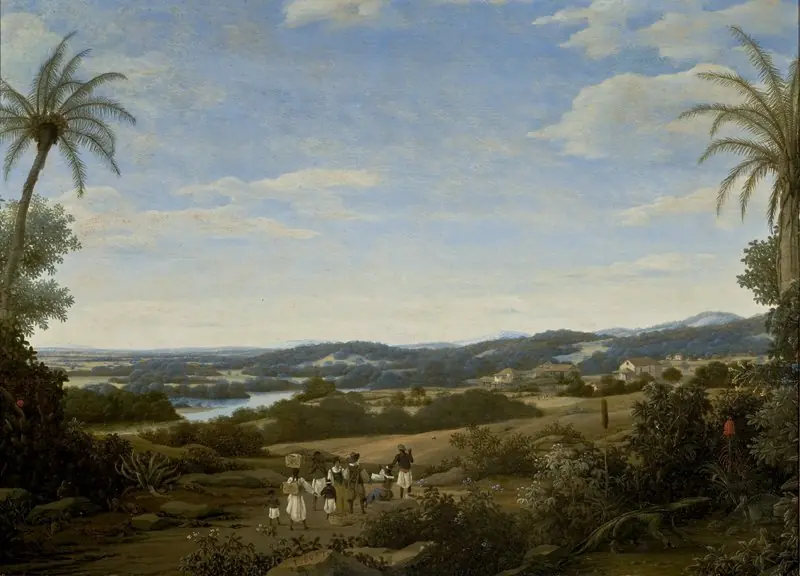
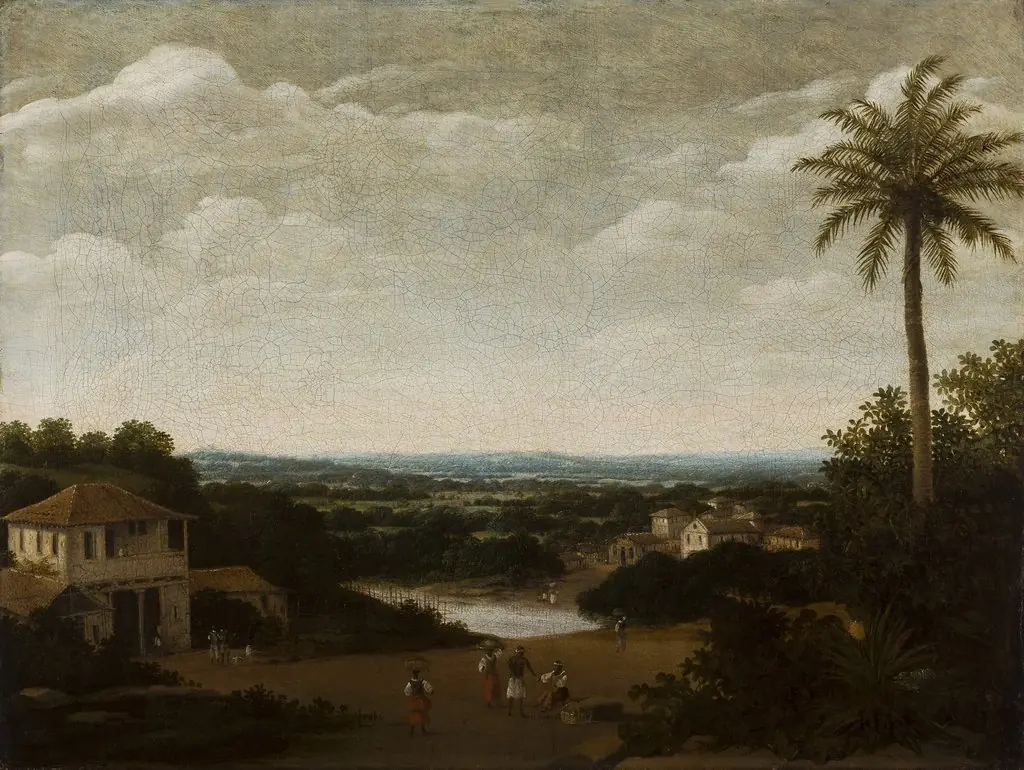
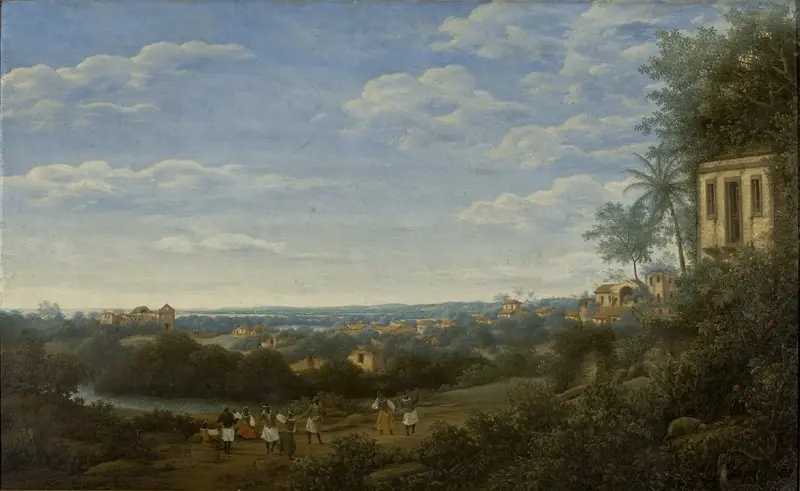
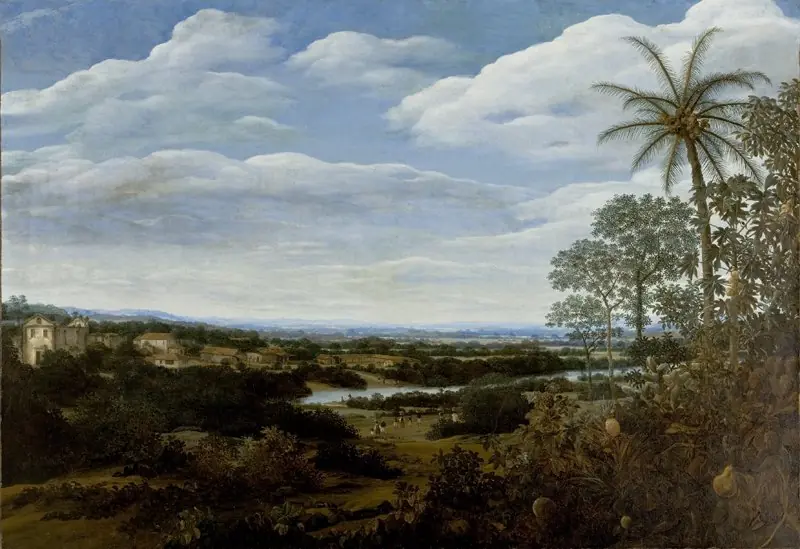
Plantage in Suriname is an unspecified painting by the Rococo painting artist Dirk Valkenburg. It dates from 1707 and is held in the collection of the Rijksmuseum. The canvas depicts a verdant Surinamese plantation set beside a river, with towering palms, a substantial house, and a few distant figures.
About this work
Overview
The canvas depicts a verdant Surinamese plantation set beside a river, with towering palms, a substantial house, and a few distant figures. The scene is rendered in bright greens, emphasizing the cultivated landscape and its built structures.
Subject & Meaning
Foreground figures are members of the Lokono, an indigenous group native to the region, positioned as a peripheral element. The composition omits the enslaved labor force that sustained the estate, focusing instead on the landowner’s property and the original inhabitants.
Technique & Style
Executed with a clear, luminous palette, the painting employs a balanced perspective that foregrounds the natural environment while receding the architectural elements. The brushwork conveys the texture of foliage and water, creating a serene, almost idealized view of the plantation.
History & Provenance
Commissioned by Jonas Witsen, who inherited the Waterland, Surimombo, and Palmeneribo estates through his wife Sara Scharphuijzen, the work was based on observations made by artist Dirk Valkenburg during a visit to Suriname to assess the properties.
Context
Created in the early 18th century, the image reflects colonial attitudes that highlighted ownership and exotic landscapes while marginalizing the enslaved individuals who operated the plantations. The inclusion of Lokono figures acknowledges the presence of indigenous peoples, yet their limited representation underscores the era’s hierarchical perspective.
Artist & collection
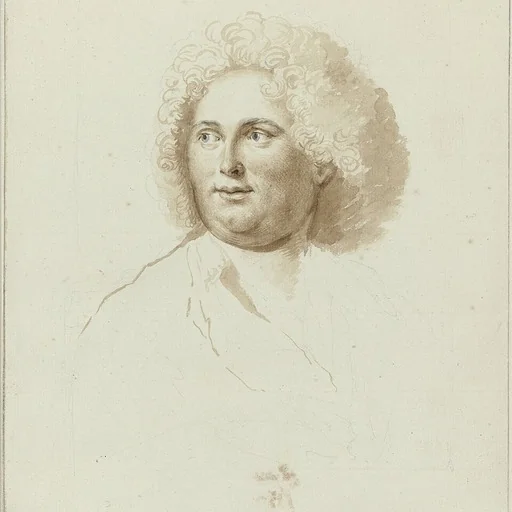
Artist
Dirk Valkenburg (1675, in Amsterdam – 1721, in Amsterdam) was a painter of the Dutch Golden Age.